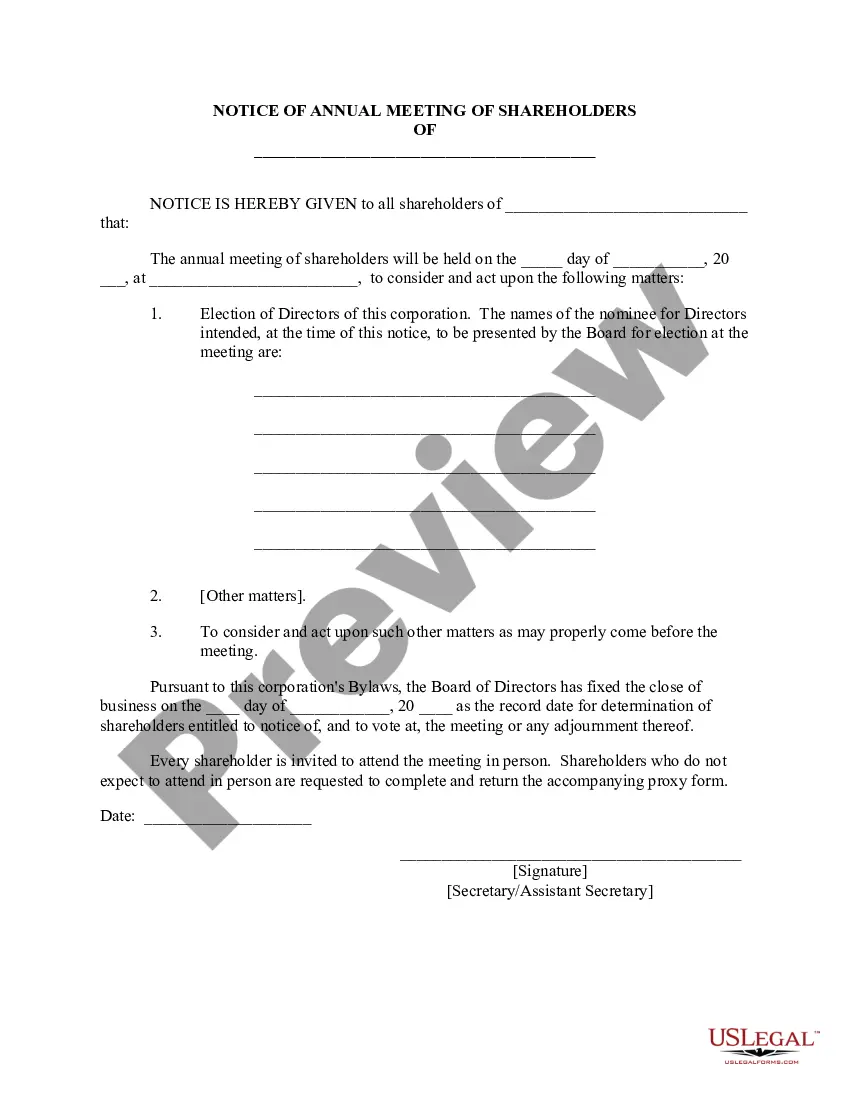
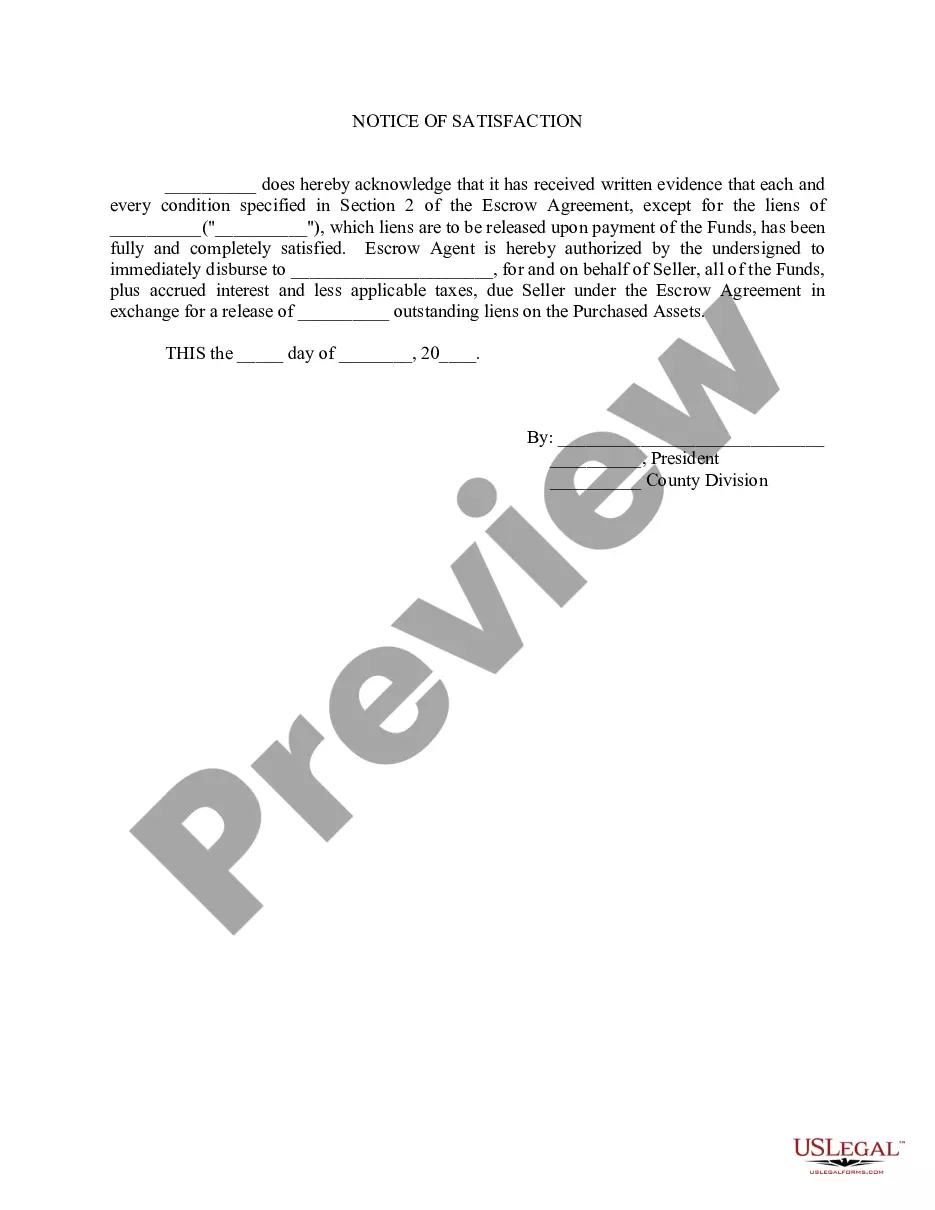
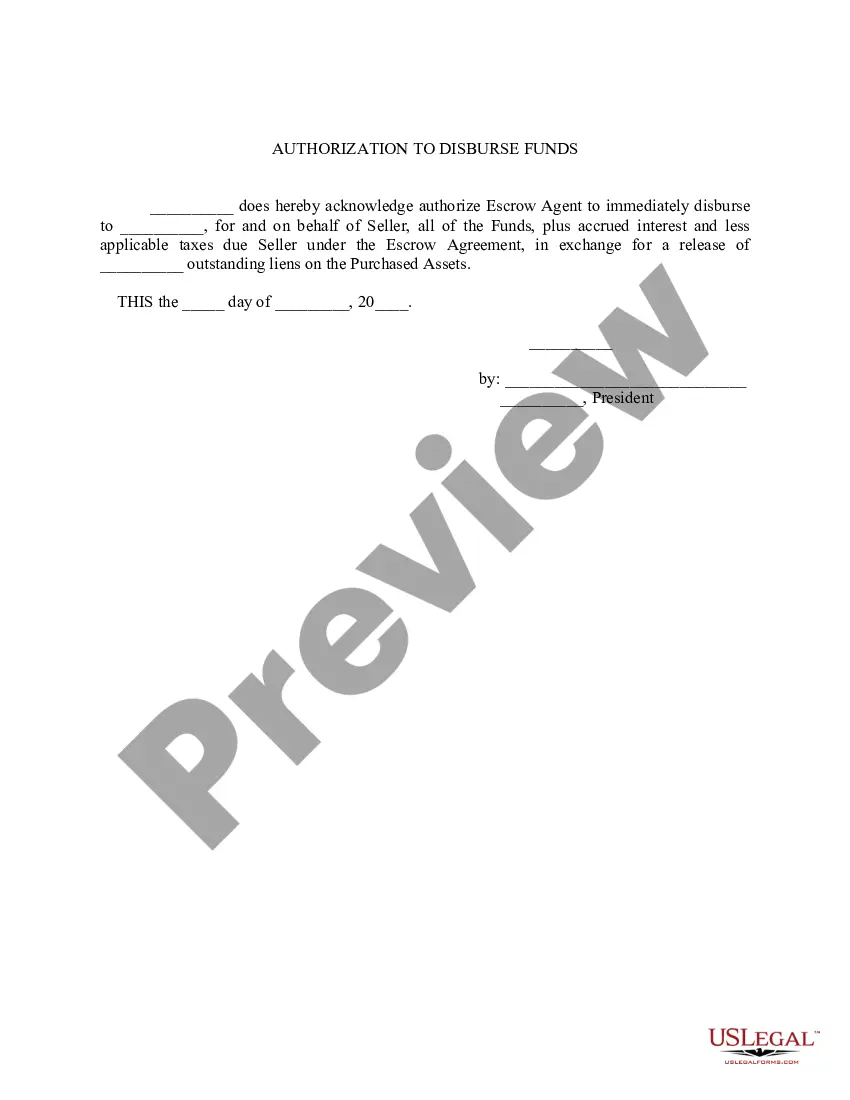
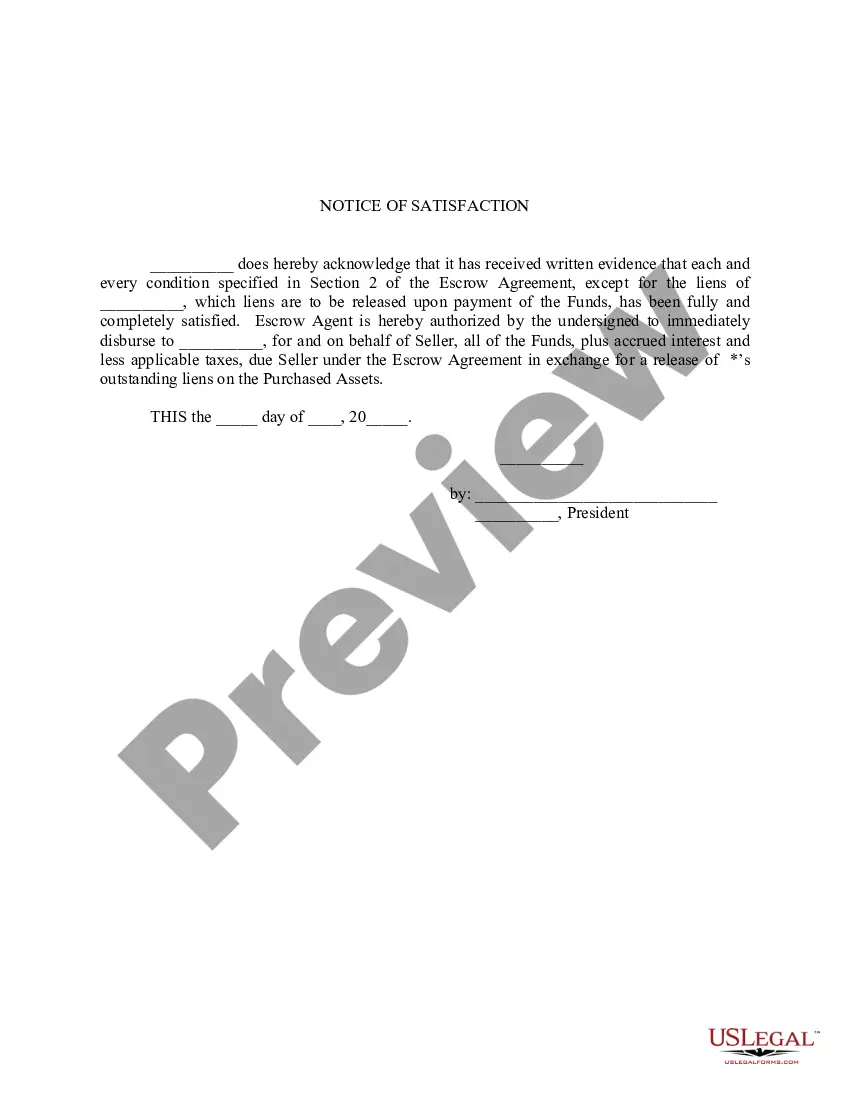
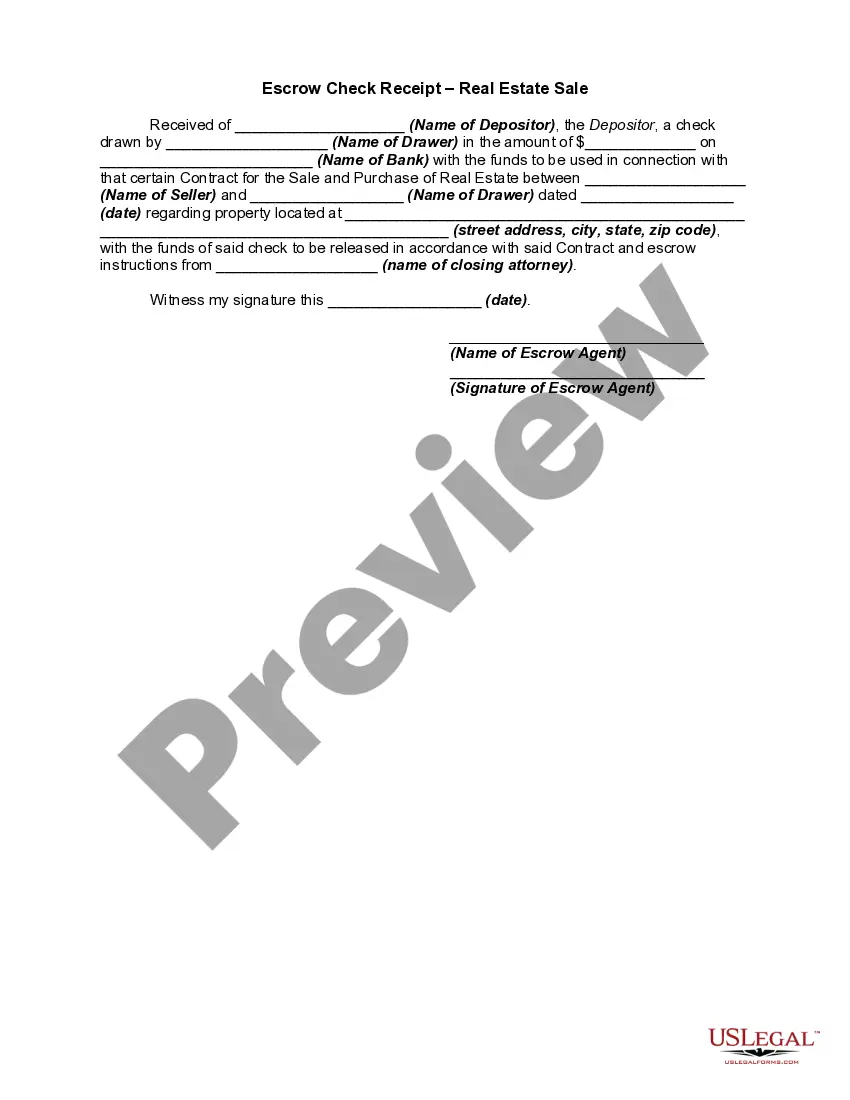
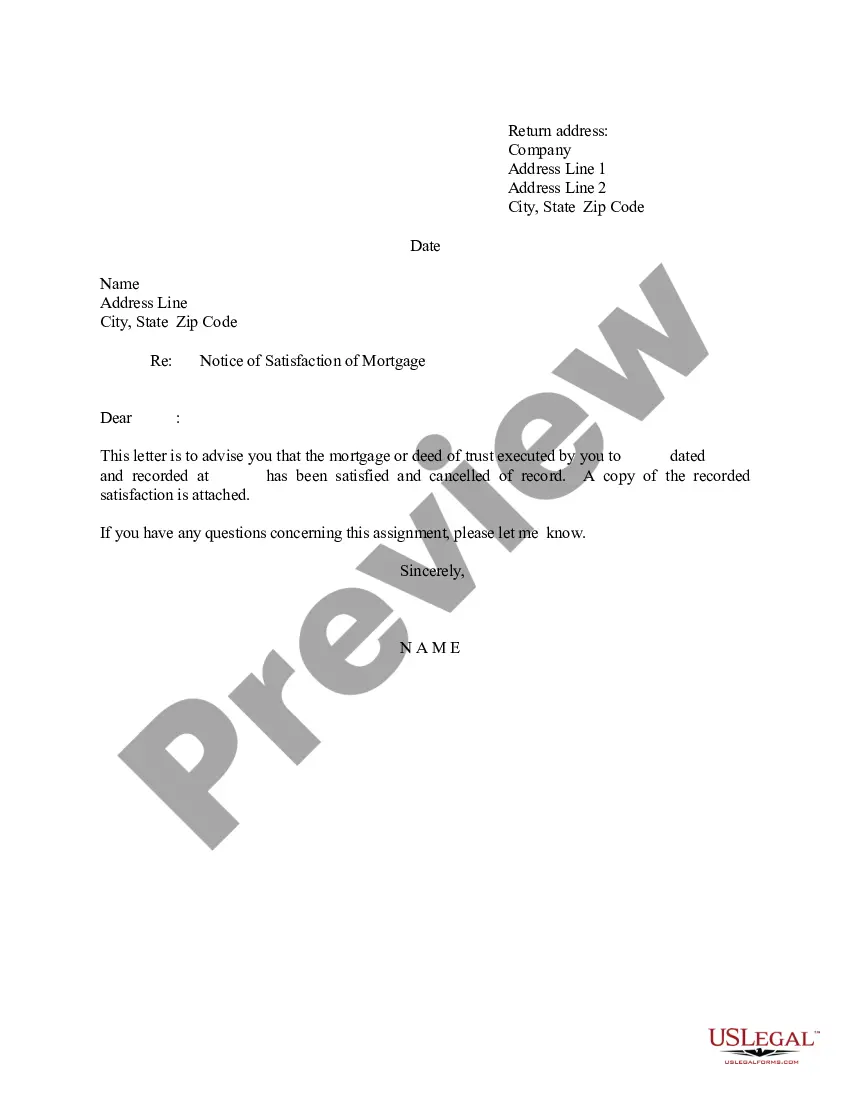
Notice Of Satisfaction Maryland In Phoenix
Description
Get your form ready online
Our built-in tools help you complete, sign, share, and store your documents in one place.
Make edits, fill in missing information, and update formatting in US Legal Forms—just like you would in MS Word.
Download a copy, print it, send it by email, or mail it via USPS—whatever works best for your next step.
Sign and collect signatures with our SignNow integration. Send to multiple recipients, set reminders, and more. Go Premium to unlock E-Sign.
If this form requires notarization, complete it online through a secure video call—no need to meet a notary in person or wait for an appointment.
We protect your documents and personal data by following strict security and privacy standards.

Make edits, fill in missing information, and update formatting in US Legal Forms—just like you would in MS Word.

Download a copy, print it, send it by email, or mail it via USPS—whatever works best for your next step.

Sign and collect signatures with our SignNow integration. Send to multiple recipients, set reminders, and more. Go Premium to unlock E-Sign.

If this form requires notarization, complete it online through a secure video call—no need to meet a notary in person or wait for an appointment.

We protect your documents and personal data by following strict security and privacy standards.
Looking for another form?
Form popularity
FAQ
Read the motion, and if you wish to, write a response to the motion. You must file your response with the court and send the other parties a copy. After being served with a motion, you must file your response with the court within the set time limit, usually 15 days.
A response must be filed within a set amount of time, usually 15 days. Generally, the court will not decide your motion until the other party has had this chance to respond.
When you respond to a motion, be clear and direct about your legal position. Begin with an introduction that summarizes the nature of the motion and states your position. Develop key points to answer every argument your opponent made. Then, present your arguments in a logical sequence.
To successfully defeat a motion to dismiss, a pro se plaintiff must rebut the following potential assertions: The plaintiff's allegations don't fit the facts of the case. There is a missing element of the claim. There are no factual allegations in the complaint, only conclusions.
If the motion to dismiss is convincing, you might have to present your own affidavits and documents to prove that the allegations did occur as you have described, or at least there is a question about the facts of the case as to whether or not what you have alleged actually happened.
A Letter of Satisfaction, issued by NYCEDC and recorded with the City Registrar's Office, states that all of the requirements/restrictions contained in a deed have been satisfied by the Purchaser.
Notice of Intention to Defend - This is a form located on the bottom of your summons. Complete the Notice of Intention to Defend if you dispute owing all or some of what the plaintiff claims. The completed form must be returned to the Maryland District Court location listed at the top of your summons.
Satisfaction is the fulfillment of an obligation. The term is often used in the context of contract law when one performs their duties under the contract. The term is also often found in the context of judgments in determining whether a party discharged their liability from a judgment.
If you want to request a remote proceeding or to appear remotely as an accommodation, use two forms: Motion for Remote Proceeding or to Appear Remotely CC-DC-110 and Request for Accommodation for Person with Disability CC-DC-049.
To establish a lien, a contractor or subcontractor must file a petition in the circuit court for the county where the property is located within 180 days after completing work on the property or providing materials.