Difference Between Satisfaction And Satisfactory In Philadelphia
Description

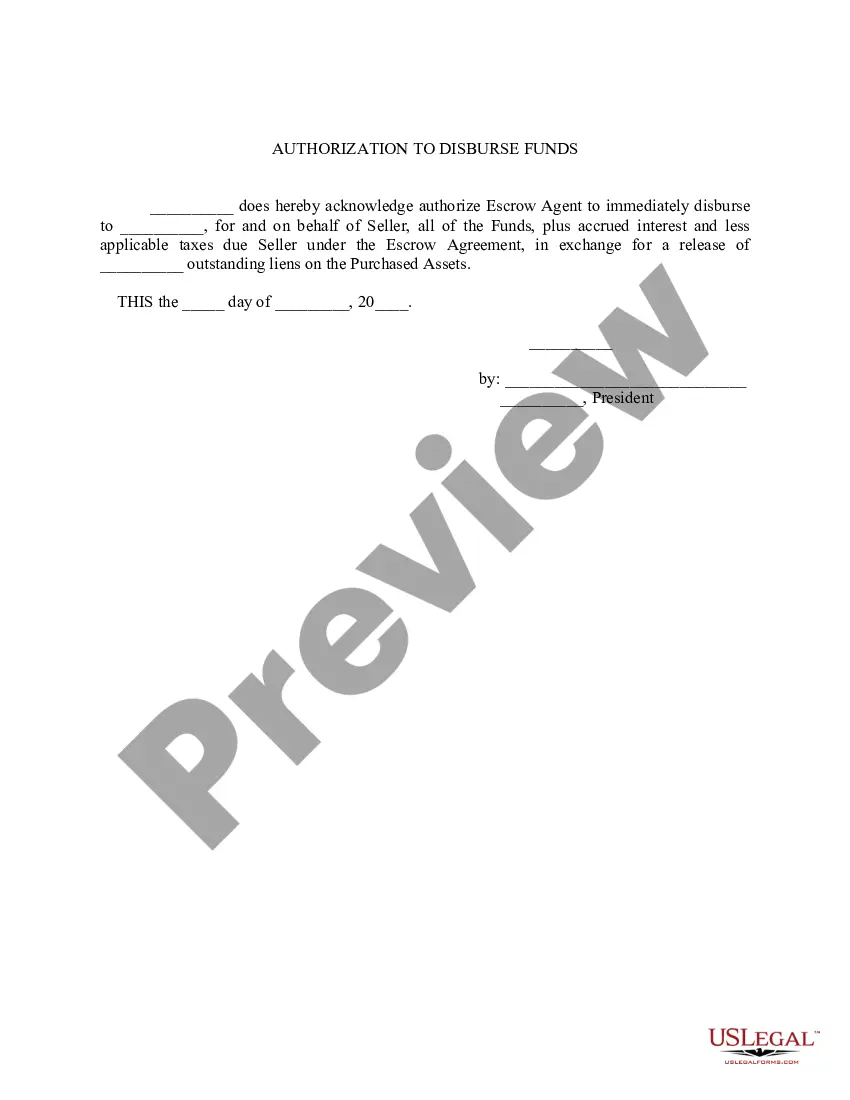
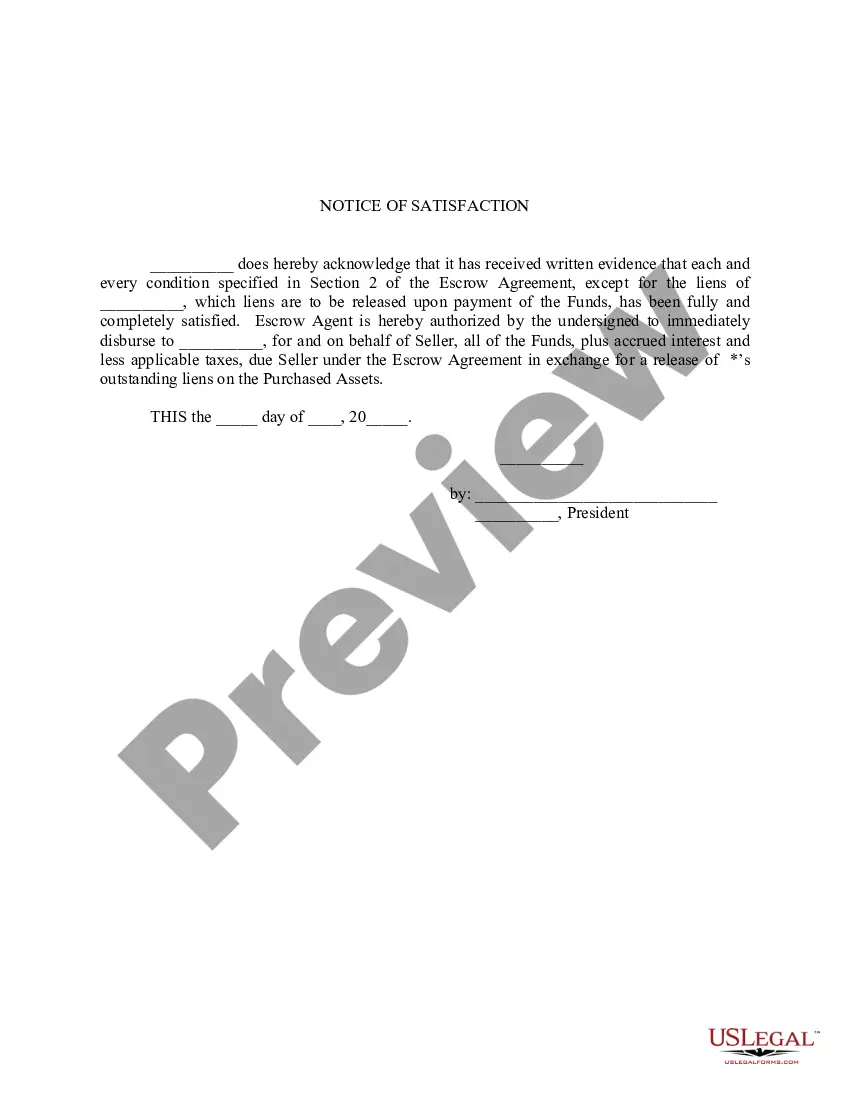
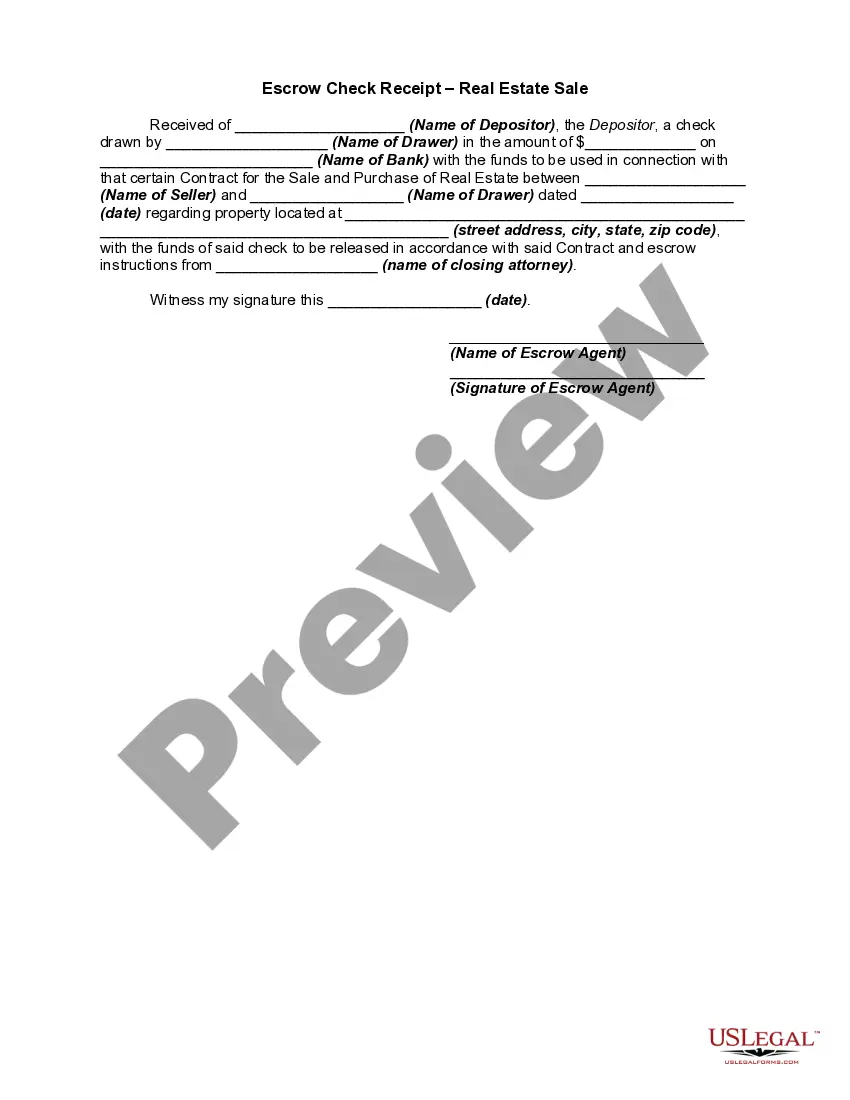
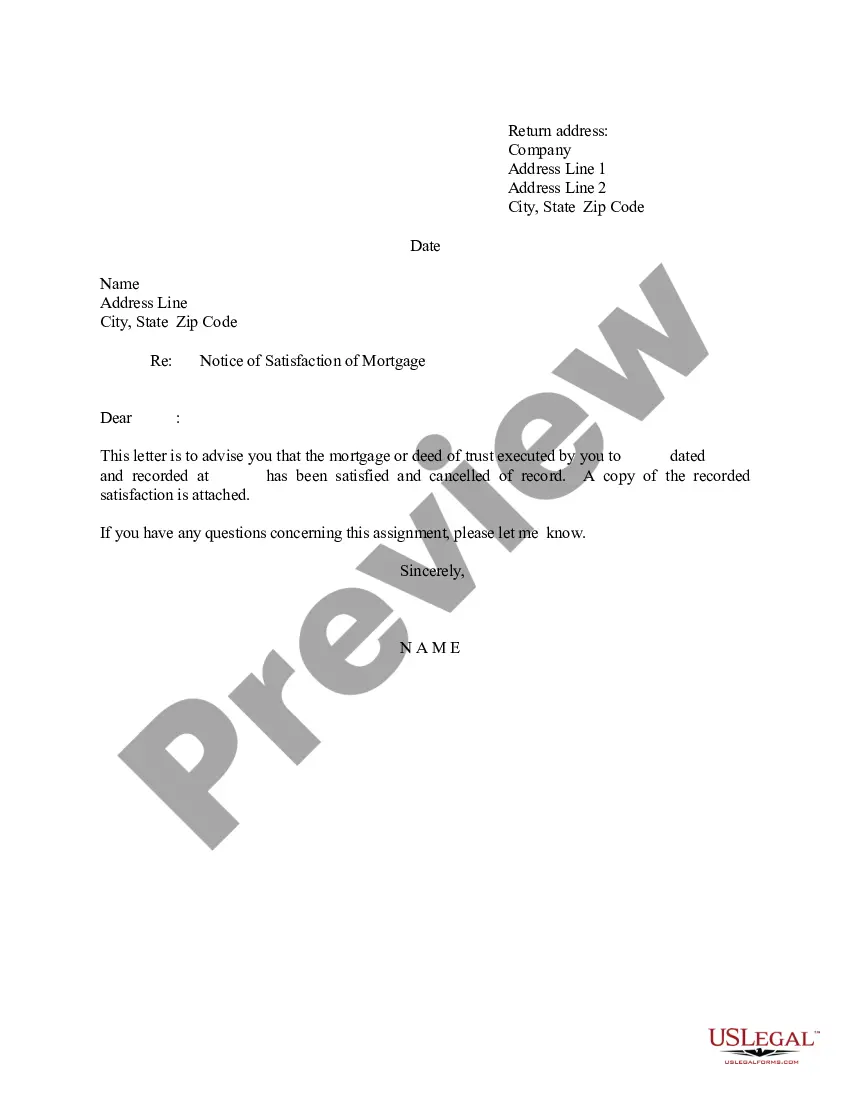
Get your form ready online
Our built-in tools help you complete, sign, share, and store your documents in one place.
Make edits, fill in missing information, and update formatting in US Legal Forms—just like you would in MS Word.
Download a copy, print it, send it by email, or mail it via USPS—whatever works best for your next step.
Sign and collect signatures with our SignNow integration. Send to multiple recipients, set reminders, and more. Go Premium to unlock E-Sign.
If this form requires notarization, complete it online through a secure video call—no need to meet a notary in person or wait for an appointment.
We protect your documents and personal data by following strict security and privacy standards.

Make edits, fill in missing information, and update formatting in US Legal Forms—just like you would in MS Word.

Download a copy, print it, send it by email, or mail it via USPS—whatever works best for your next step.

Sign and collect signatures with our SignNow integration. Send to multiple recipients, set reminders, and more. Go Premium to unlock E-Sign.

If this form requires notarization, complete it online through a secure video call—no need to meet a notary in person or wait for an appointment.

We protect your documents and personal data by following strict security and privacy standards.
Looking for another form?







Form popularity
FAQ
Any other party may subpoena a person whose testimony is waived by this Rule to appear at the trial and may cross-examine him as to the documents as if he were a witness for the party offering the document.
Rule 2206 - Settlement, compromise, discontinuance and judgment (a) No action for wrongful death in which a minor or an incapacitated person has an interest shall be discontinued nor shall the interest of a minor or an incapacitated person in any such action or in a judgment for damages recovered therein be compromised ...
Rule 1037.2 - Judgments by Default-Assessment of Damages (A) In order for the Office of Judicial Records to assess damages pursuant to Pa. R.C.P. 1037(b)(1) upon default for failure to answer, a complaint in an action must pray for specific items and amounts.
Rule 2955 - Confession of Judgment (a) The plaintiff shall file with the complaint a confession of judgment substantially in the form provided by Rule 2962. (b) The attorney for the plaintiff may sign the confession as attorney for the defendant unless an Act of Assembly or the instrument provides otherwise.
5 Steps How to Collect a Judgment in Pennsylvania File Your Judgment With the County Courts. File Your Writ of Execution (This the Key for the Sheriff to help you) . Seize Bank Accounts by Sending Questions (Interrogatories) to the Banks. Levy and Sell Personal Assets and Vehicles. Levy and Sell Real Property / Land.
After the ten (10) day appeal period has expired, the landlord may file for a Writ of Possession. The Writ will be served on the tenant or posted on the leased premises. The Writ of Possession notifies the tenant that an eviction will take place on or after 11 days from the day the Writ of Possession is served.
1301. Except as provided hereunder, all cases having an amount in controversy, exclusive of interest and costs, of $50,000 or less shall be assigned to the Compulsory Arbitration Program of the Court of Common Pleas of Philadelphia County.
Preliminary Objections. Of the three grounds available to challenge venue, only improper venue may be raised by preliminary objection as provided by Rule 1006(e). Forum non conveniens and inability to hold a fair and impartial trial are raised by petition as provided by Rule 1006(d)(1) and (2).
