Escrow Seller Does Within 30 Days In Pennsylvania
Description

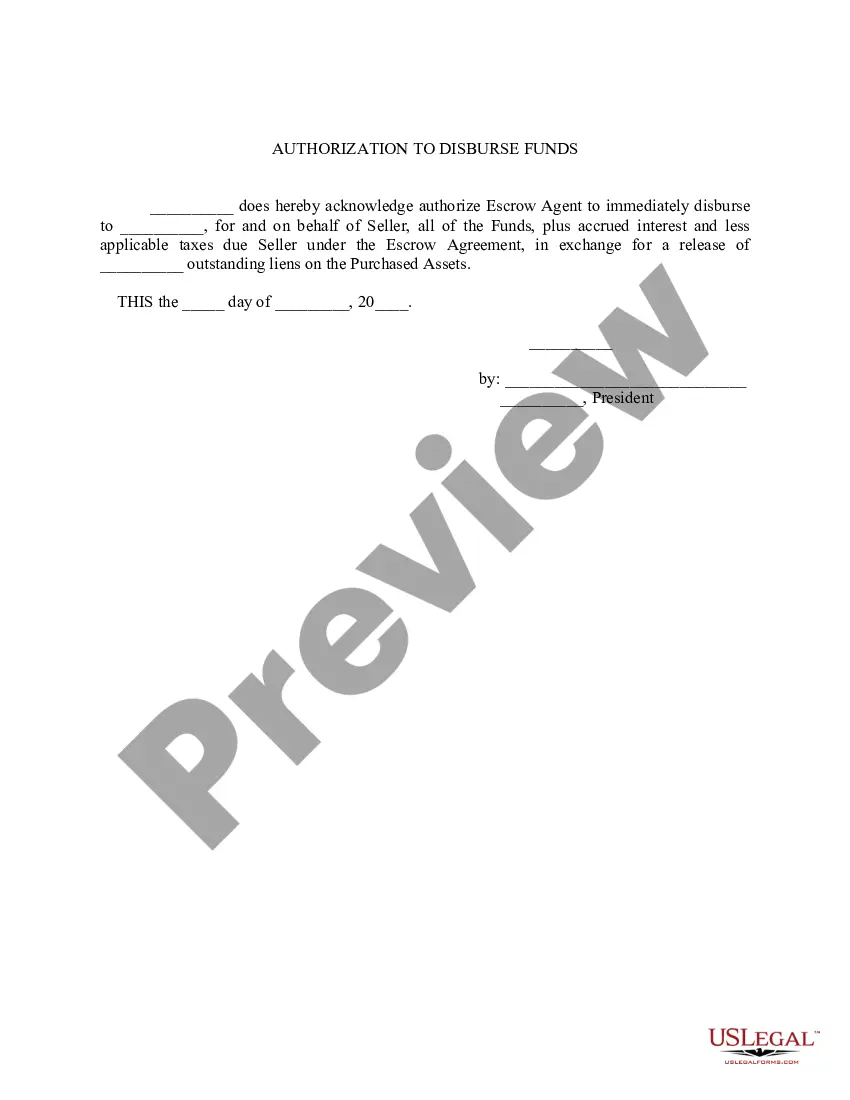
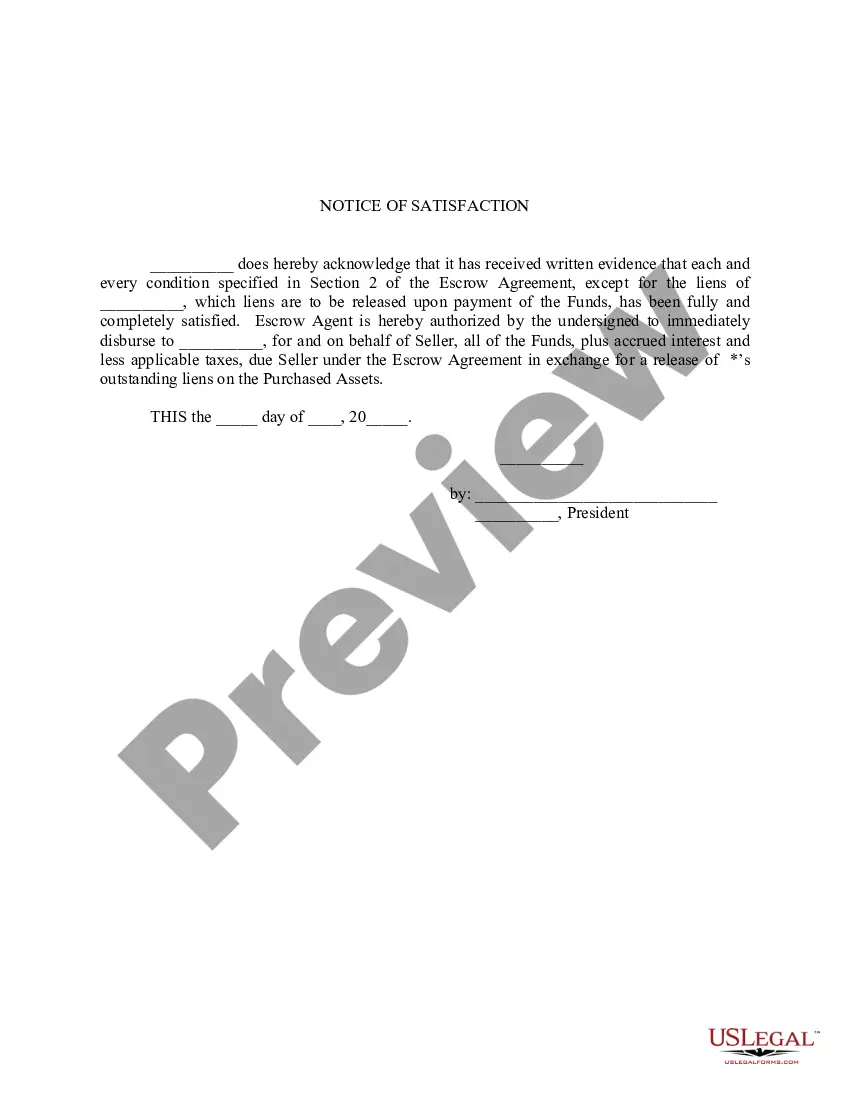
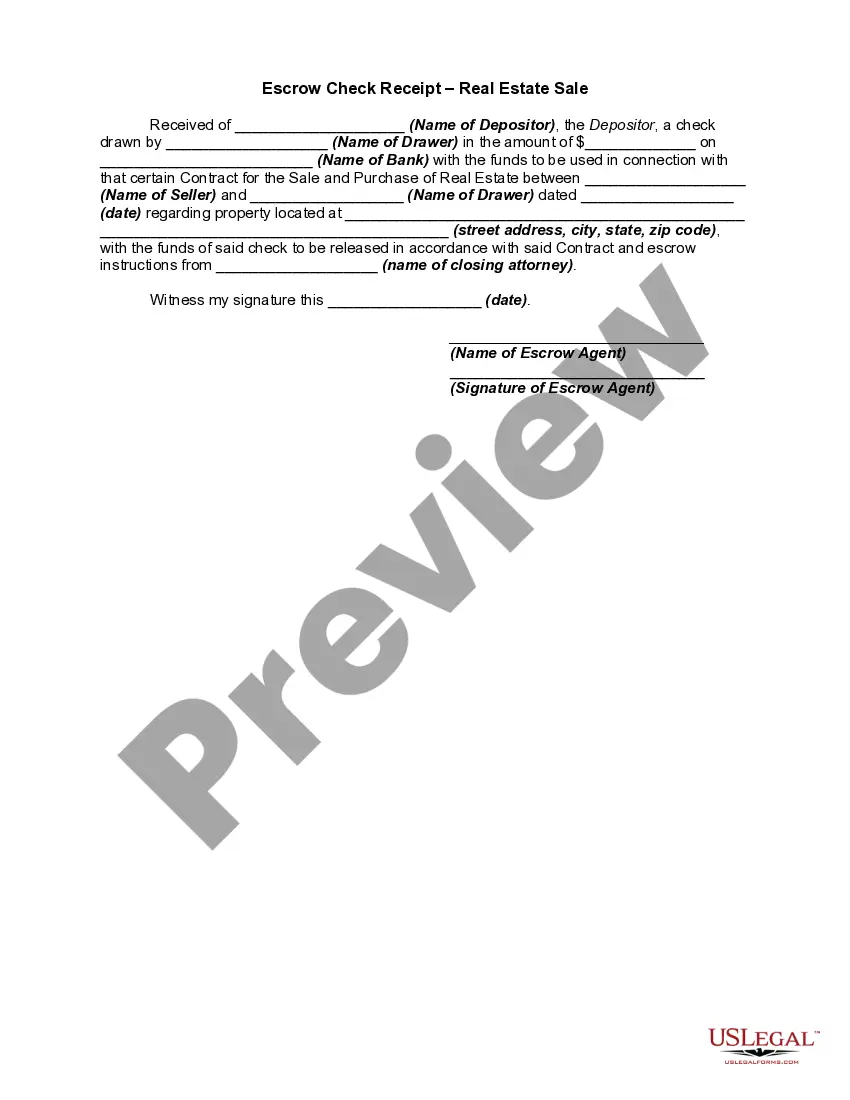
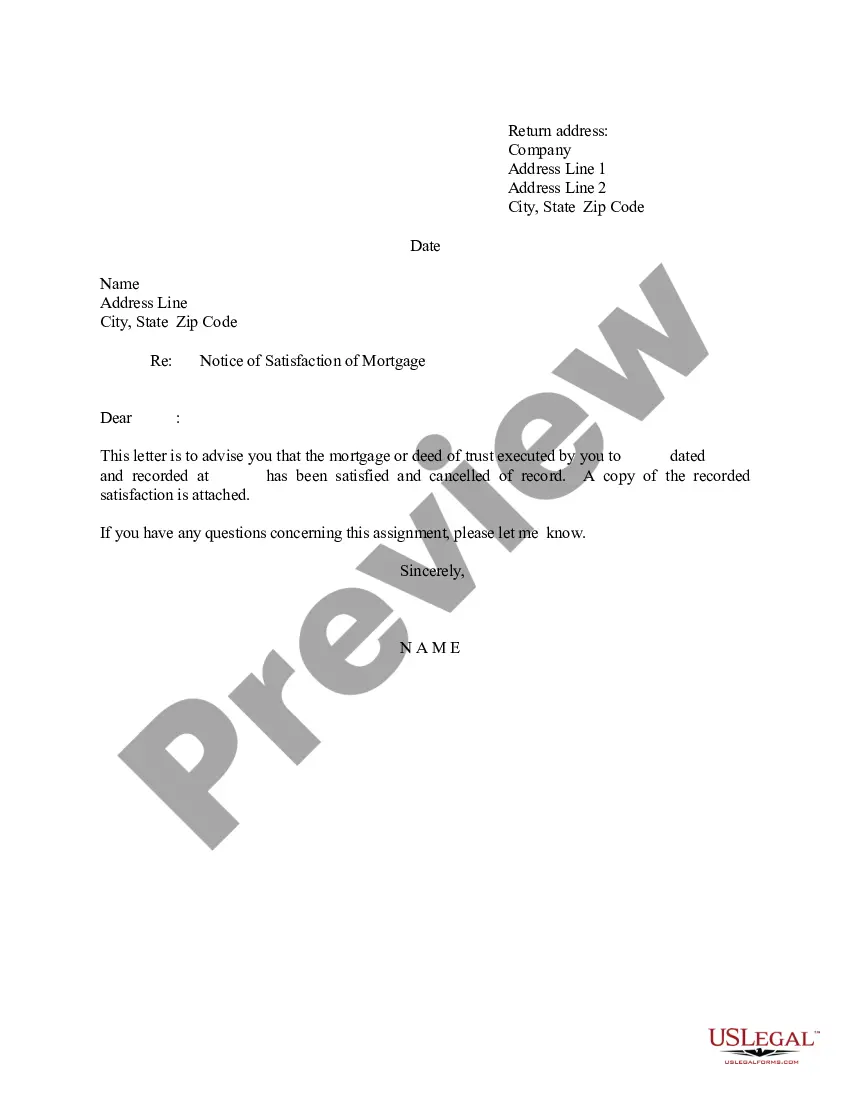
Get your form ready online
Our built-in tools help you complete, sign, share, and store your documents in one place.
Make edits, fill in missing information, and update formatting in US Legal Forms—just like you would in MS Word.
Download a copy, print it, send it by email, or mail it via USPS—whatever works best for your next step.
Sign and collect signatures with our SignNow integration. Send to multiple recipients, set reminders, and more. Go Premium to unlock E-Sign.
If this form requires notarization, complete it online through a secure video call—no need to meet a notary in person or wait for an appointment.
We protect your documents and personal data by following strict security and privacy standards.

Make edits, fill in missing information, and update formatting in US Legal Forms—just like you would in MS Word.

Download a copy, print it, send it by email, or mail it via USPS—whatever works best for your next step.

Sign and collect signatures with our SignNow integration. Send to multiple recipients, set reminders, and more. Go Premium to unlock E-Sign.

If this form requires notarization, complete it online through a secure video call—no need to meet a notary in person or wait for an appointment.

We protect your documents and personal data by following strict security and privacy standards.
Looking for another form?









Form popularity
FAQ
When preparing a timeline to sync with everyone, the Acceptance date is considered day zero. Rather than it being counted, it is considered a starting point to begin counting so the following day would be day one. From day one, you will count every day, including weekends and holidays until you reach the agreement day.
Everyday must be counted regardless if it's a weekday, weekend, or holiday. There are two exceptions here. The escrow deposit is the first exception and allows for three “business” days. The second exception is when the last day falls on a Saturday, Sunday, or holiday.
The buyer and seller agree to an escrow timeline during contract negotiations, and each sale varies, but normally escrow takes around 30 to 60 days to close. This article will provide you with a general guideline so you can get familiar with the whole process.
RULE No. Everyday must be counted regardless if it's a weekday, weekend, or holiday. There are two exceptions here. The escrow deposit is the first exception and allows for three “business” days. The second exception is when the last day falls on a Saturday, Sunday, or holiday.
A. Saturday, Sundays and legal holidays DO count as Days UNLESS the LAST Day to perform any act required by the Agreement falls on a weekend or legal holiday. Simply put, the first day can and often will fall on a weekend or legal holiday and it counts!
The cancellation provisions are found in Paragraphs 14C (1) and (2), and in Paragraph 14E of the CA-RPA. Regardless of the reason, the seller must give some type of notice to the buyer, however (either a Notice to Perform or a Demand to Close Escrow) before the seller can cancel.
In most real estate transactions, the standard duration for how long can escrow hold funds is 30 to 60 days. This period allows ample time for both parties to fulfill their obligations, including inspections, appraisals, and financing approvals.
Typically the escrow period is 30 days. That's just about enough time to get everything done that is required in a typical real estate sale. Sometimes you can get it done in 21 to 25 days but that's really hustling. 30 is standard and sometimes it goes over by a few days just because there is so much to get done.
The first is to grant the seller more time by having your attorney prepare an addendum to the contract that delays closing by however much time the seller needs. You may ask for a credit if the arrangement results in out-of-pocket expenses, such as additional rent or mortgage payments.
