Escrow Seller Does For Seller In Orange
Description

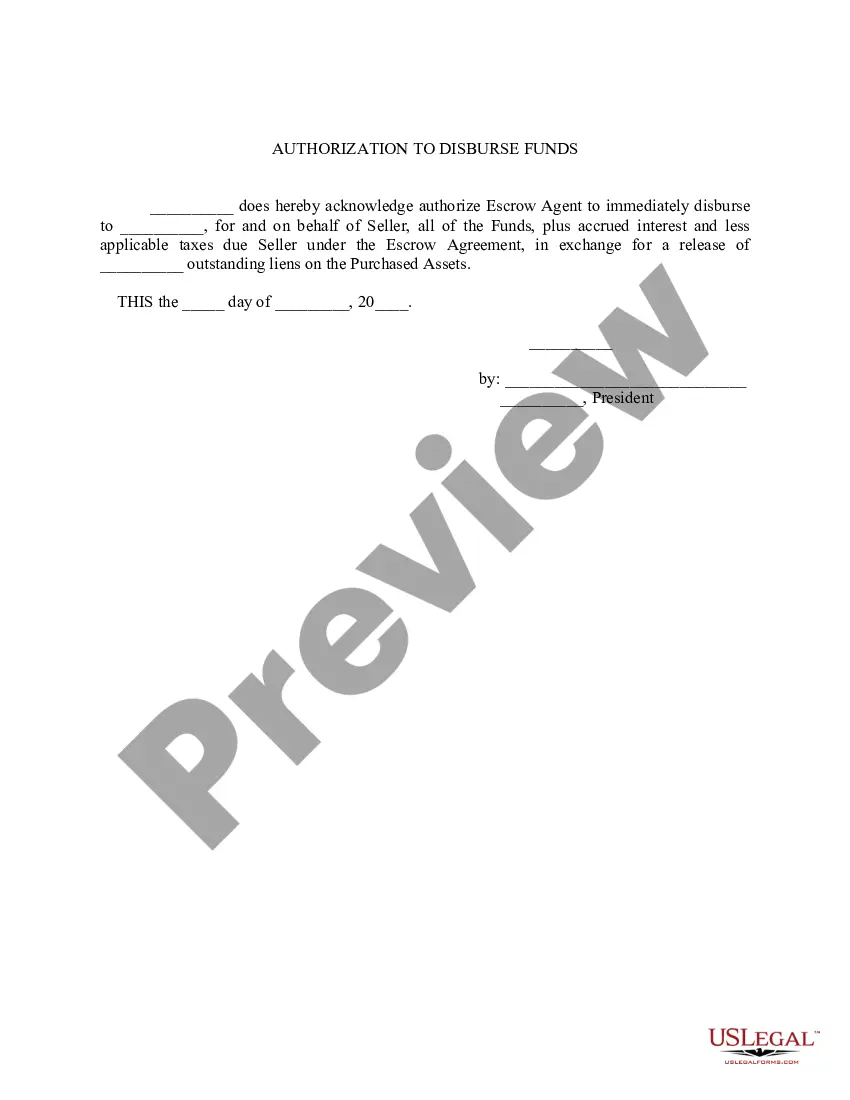
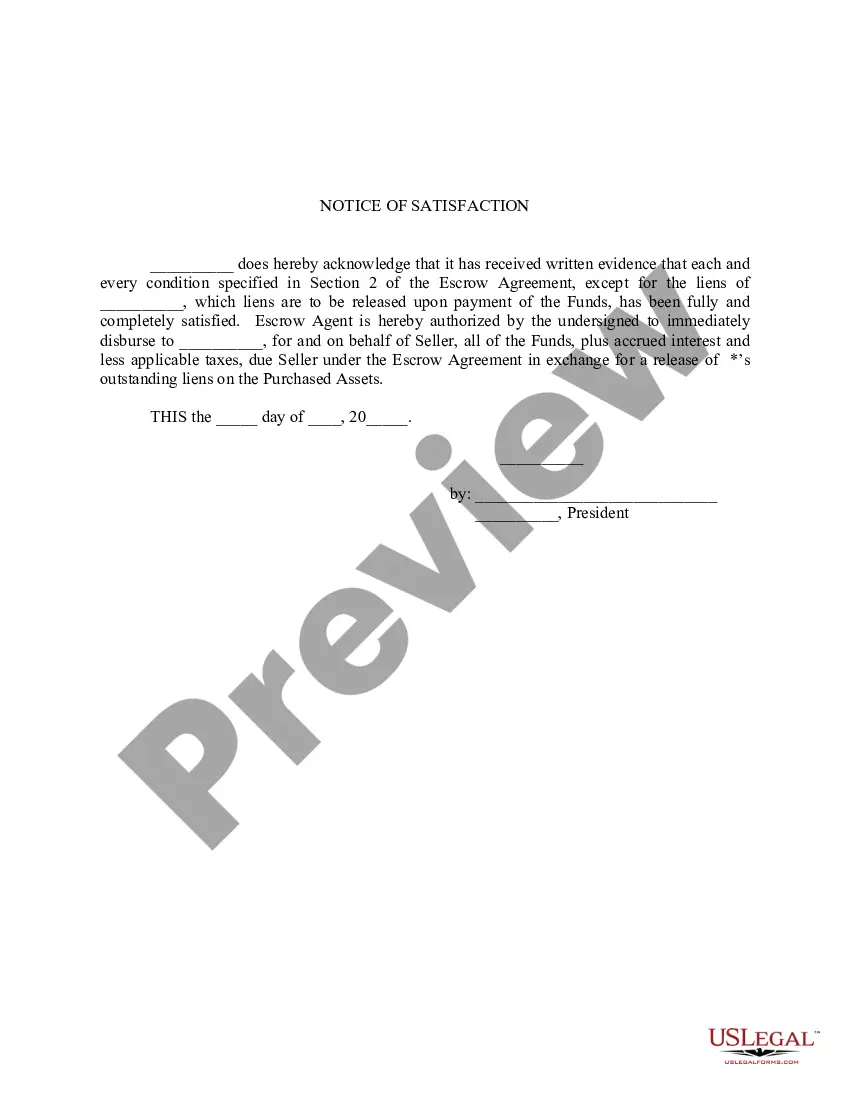
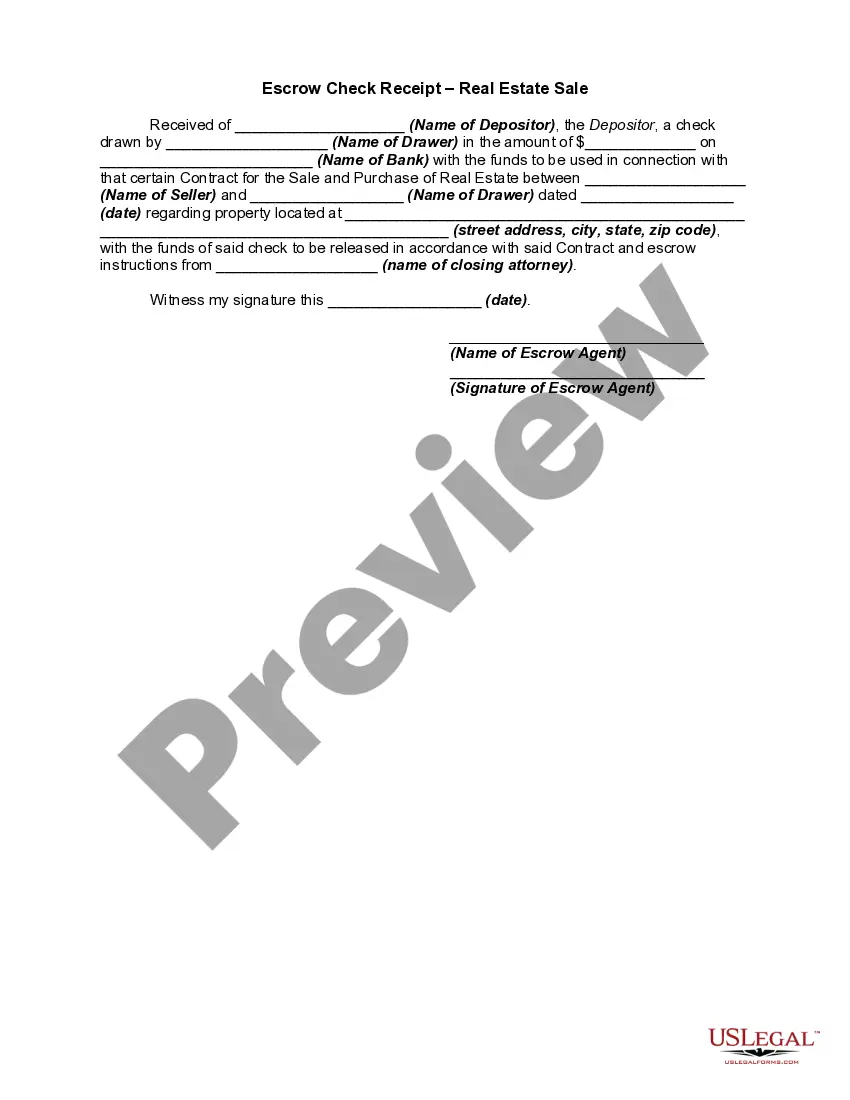
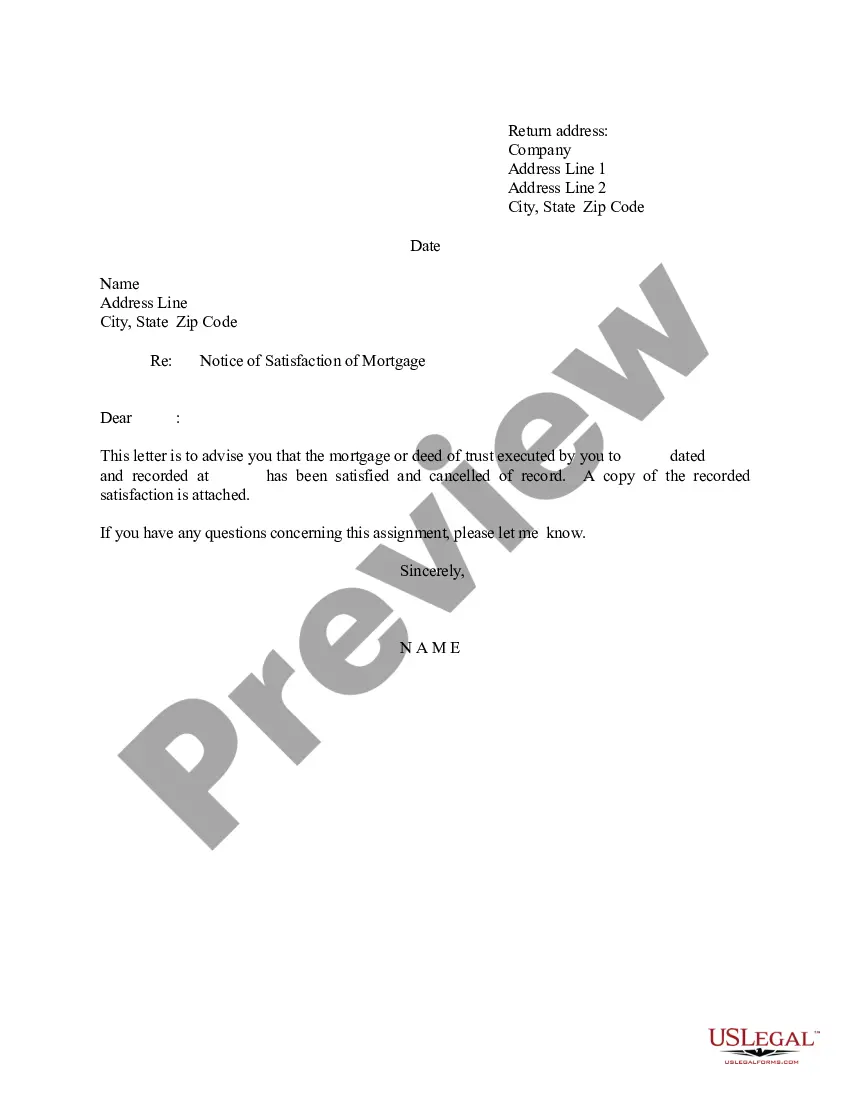
Get your form ready online
Our built-in tools help you complete, sign, share, and store your documents in one place.
Make edits, fill in missing information, and update formatting in US Legal Forms—just like you would in MS Word.
Download a copy, print it, send it by email, or mail it via USPS—whatever works best for your next step.
Sign and collect signatures with our SignNow integration. Send to multiple recipients, set reminders, and more. Go Premium to unlock E-Sign.
If this form requires notarization, complete it online through a secure video call—no need to meet a notary in person or wait for an appointment.
We protect your documents and personal data by following strict security and privacy standards.

Make edits, fill in missing information, and update formatting in US Legal Forms—just like you would in MS Word.

Download a copy, print it, send it by email, or mail it via USPS—whatever works best for your next step.

Sign and collect signatures with our SignNow integration. Send to multiple recipients, set reminders, and more. Go Premium to unlock E-Sign.

If this form requires notarization, complete it online through a secure video call—no need to meet a notary in person or wait for an appointment.

We protect your documents and personal data by following strict security and privacy standards.
Looking for another form?



Form popularity
FAQ
For example, in Southern California, it is common for the buyer to select the escrow company, whereas, in Northern California, the seller might make the choice.
It is typically very hard for a seller to cancel escrow without any valid reason for doing so. A change of mind is not acceptable.
Certainly real estate commissions are negotiable but an often overlooked point is escrow fees can also be negotiated with the escrow holder.
As a general rule, Escrow Charges are split 50/50 between the buyer and seller. There are exceptions, notably in San Francisco buyers are expected to cover Escrow fees. These fees vary far more and it's worth checking your particular county guidelines.
If the seller cancels the contract without cause, the buyer could sue the seller to force them to complete the sale. They also could seek financial damages.
Yes, as long as the buyer does not default during escrow. The most common case buyers lose their deposit during escrow is getting cold feet at the last minute. The most common example is getting cold feet after removing all contingencies.
Your escrow account balance and payout information are available anytime using digital banking. Find details about upcoming and year-to-date payouts, even the previous year's payouts.
Escrow kicks in after you accept an offer on your property. It means that a neutral third party, the escrow agent, will now hold the buyer's deposit and any related funds until all conditions of the sale are met. As a seller, the answer to the question “What does escrow mean on a house?” is security.
Escrow is generally considered good because it protects the buyer and seller in a transaction.
