Escrow Seller Does For Sale In King
Description

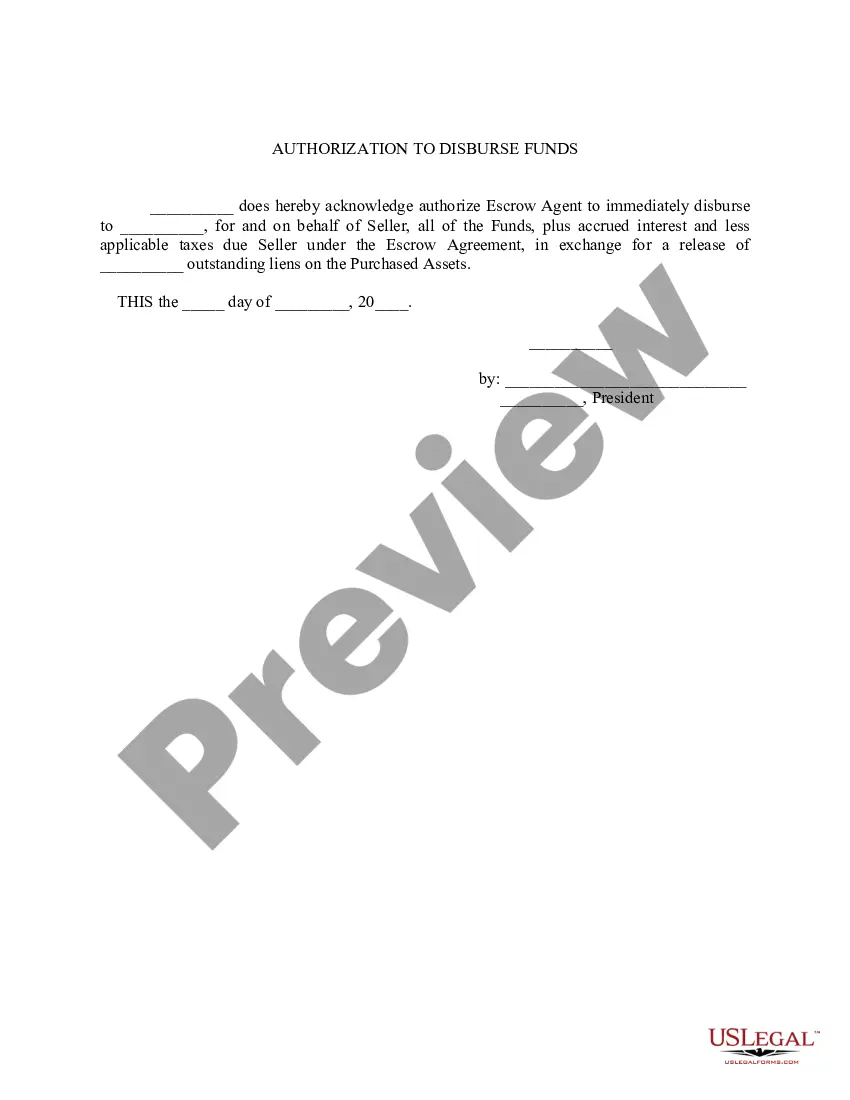
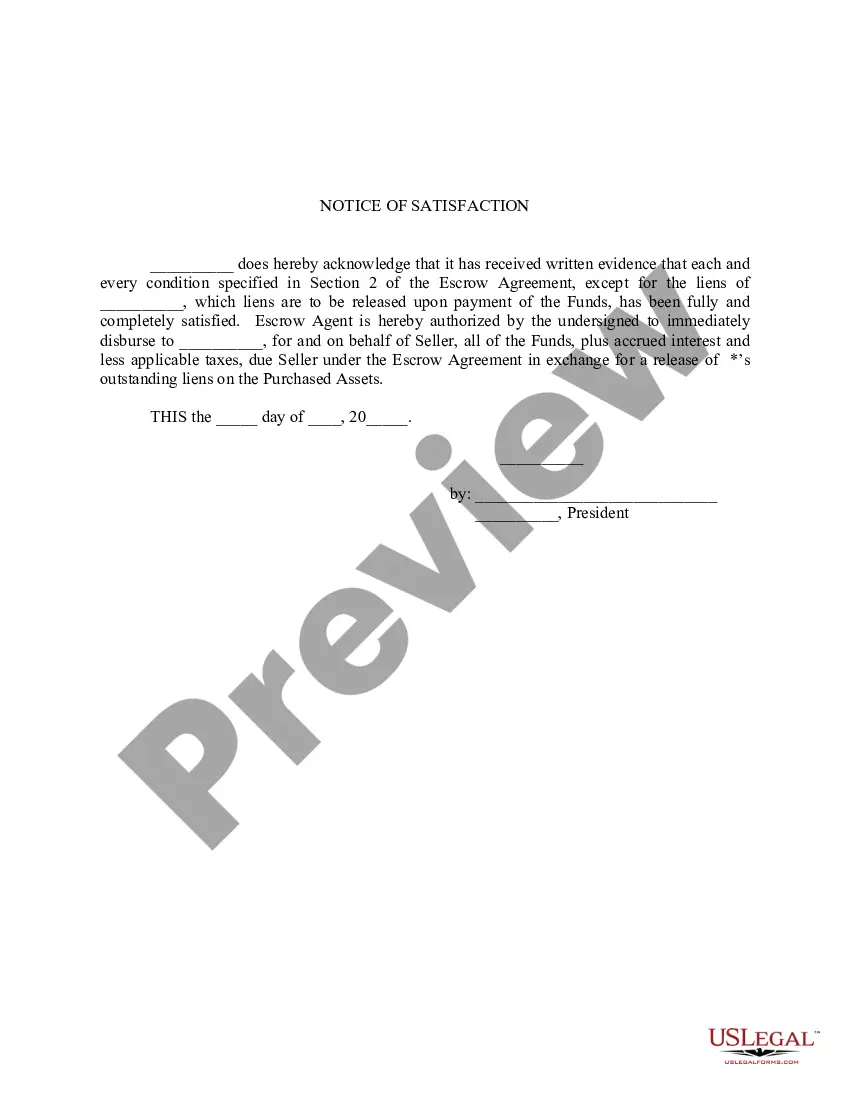
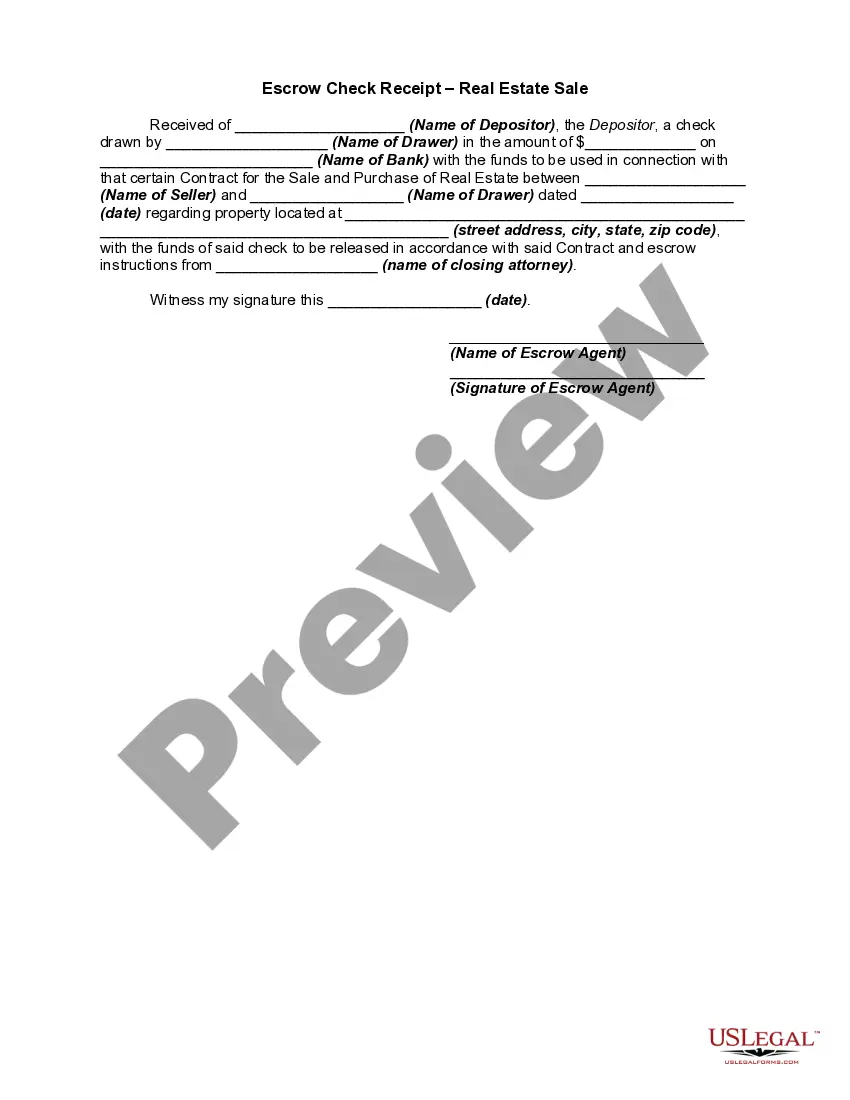
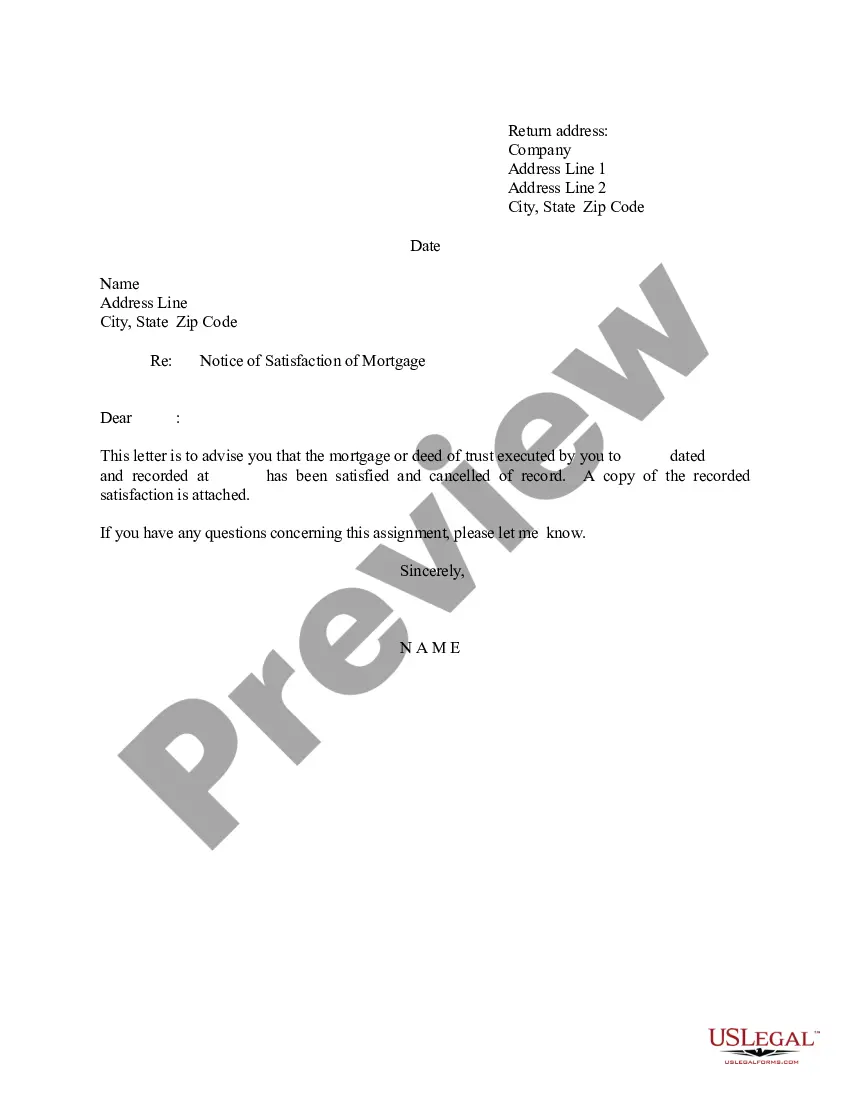
Get your form ready online
Our built-in tools help you complete, sign, share, and store your documents in one place.
Make edits, fill in missing information, and update formatting in US Legal Forms—just like you would in MS Word.
Download a copy, print it, send it by email, or mail it via USPS—whatever works best for your next step.
Sign and collect signatures with our SignNow integration. Send to multiple recipients, set reminders, and more. Go Premium to unlock E-Sign.
If this form requires notarization, complete it online through a secure video call—no need to meet a notary in person or wait for an appointment.
We protect your documents and personal data by following strict security and privacy standards.

Make edits, fill in missing information, and update formatting in US Legal Forms—just like you would in MS Word.

Download a copy, print it, send it by email, or mail it via USPS—whatever works best for your next step.

Sign and collect signatures with our SignNow integration. Send to multiple recipients, set reminders, and more. Go Premium to unlock E-Sign.

If this form requires notarization, complete it online through a secure video call—no need to meet a notary in person or wait for an appointment.

We protect your documents and personal data by following strict security and privacy standards.
Looking for another form?








Form popularity
FAQ
Escrow is a financial process used when two parties take part in a transaction where there is uncertainty about the fulfillment of their obligations. Situations that may employ escrow include internet transactions, banking, intellectual property, real estate, mergers and acquisitions, law, and more.
Paypal is an e-commerce payment provider allowing you to offer online payment on your website. Contrary to Stripe Connect or Mangopay, Paypal does not come with an escrow system. The payment is a direct payment to the seller or to your platform depending on your settings.
Using a bank transfer during your escrow transaction can provide a safe and secure payment method for your items. While credit cards and PayPal may be instant, these methods can only be used when transactions have been conducted in the past by both parties.
Escrow instructions refer to the specific guidelines and conditions set by the parties involved in a transaction, which govern the management and disbursement of funds or documents held by an escrow agent until all obligations and contingencies in the transaction are met.
An escrow agreement is a legal document outlining terms and conditions between parties as well as the responsibility of each. Agreements usually involve an independent third party called an escrow agent, who holds an asset until the contract's conditions are met.
In an escrow agreement, one party—usually a depositor—deposits funds or an asset with the escrow agent until the time that the contract is fulfilled. Once the contractual conditions are met, the escrow agent will deliver the funds or other assets to the beneficiary.
The answer is no! A broker acts as a representative for a buyer or seller, while an escrow agent is a neutral party. While a broker may facilitate a contract, the escrow agent is responsible for ensuring all the terms are met to close.
In essence, escrow is the use of a third party who holds an asset or funds before they are transferred. The agent holds the funds until both parties have fulfilled their contractual requirements. Escrow is generally associated with real estate transactions and used in M&A transactions.
In essence, an escrow is a type of legal holding account for funds or assets, which won't be released until certain conditions are met. The escrow is held by a neutral third party, which releases it either when those predetermined contractual obligations are fulfilled or an appropriate instruction is received.
