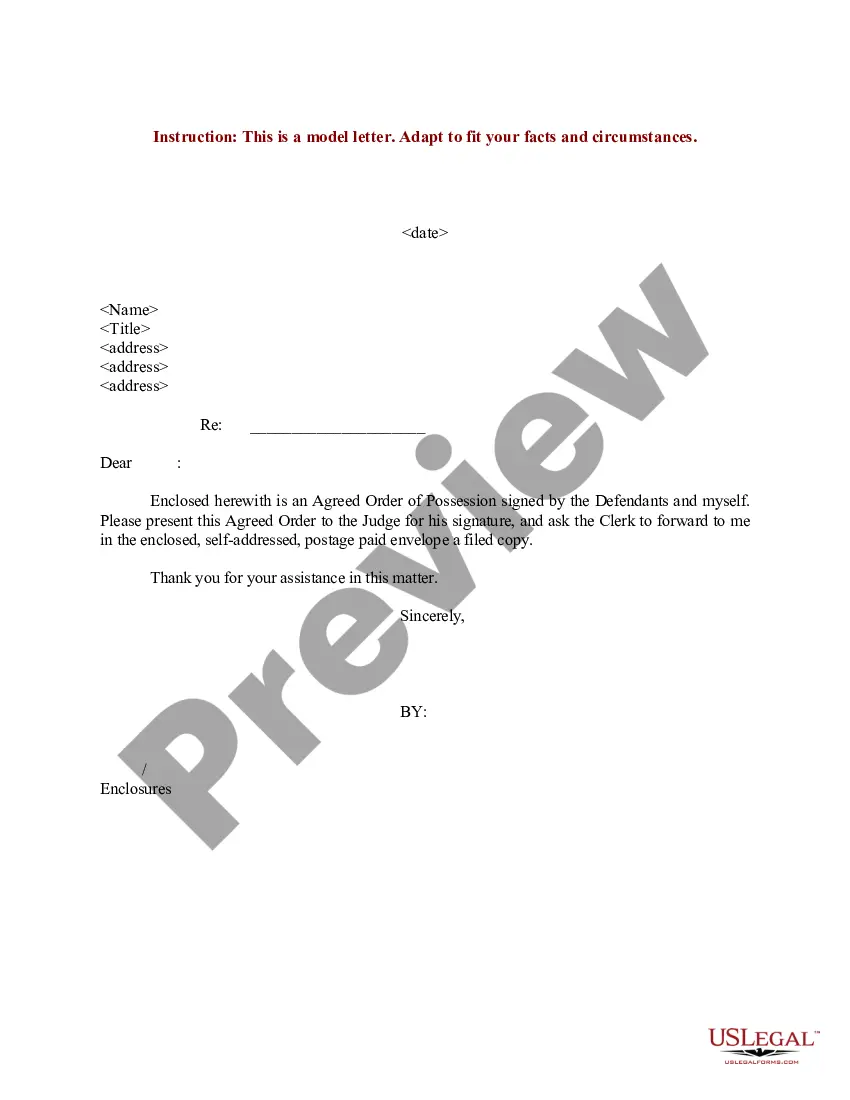
Letter To Court Template For Driveway In Nevada
Description
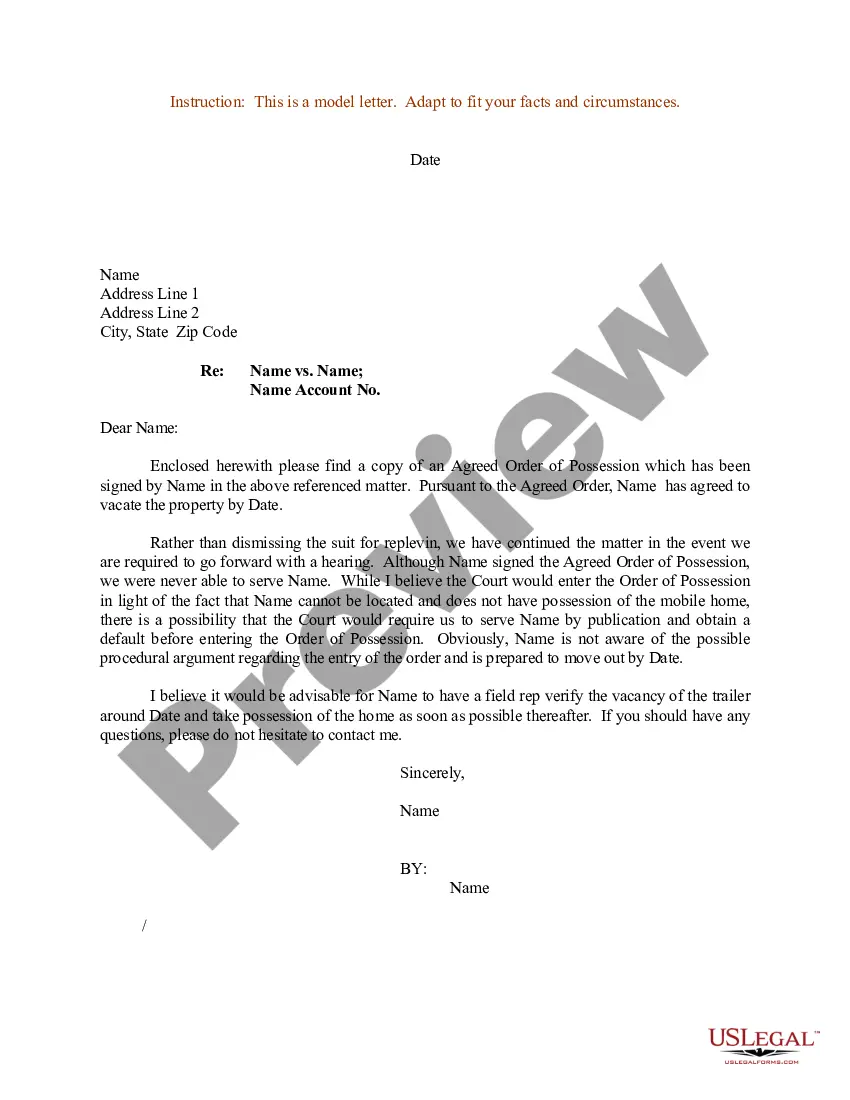
Get your form ready online
Our built-in tools help you complete, sign, share, and store your documents in one place.
Make edits, fill in missing information, and update formatting in US Legal Forms—just like you would in MS Word.
Download a copy, print it, send it by email, or mail it via USPS—whatever works best for your next step.
Sign and collect signatures with our SignNow integration. Send to multiple recipients, set reminders, and more. Go Premium to unlock E-Sign.
If this form requires notarization, complete it online through a secure video call—no need to meet a notary in person or wait for an appointment.
We protect your documents and personal data by following strict security and privacy standards.

Make edits, fill in missing information, and update formatting in US Legal Forms—just like you would in MS Word.

Download a copy, print it, send it by email, or mail it via USPS—whatever works best for your next step.

Sign and collect signatures with our SignNow integration. Send to multiple recipients, set reminders, and more. Go Premium to unlock E-Sign.

If this form requires notarization, complete it online through a secure video call—no need to meet a notary in person or wait for an appointment.

We protect your documents and personal data by following strict security and privacy standards.
Looking for another form?
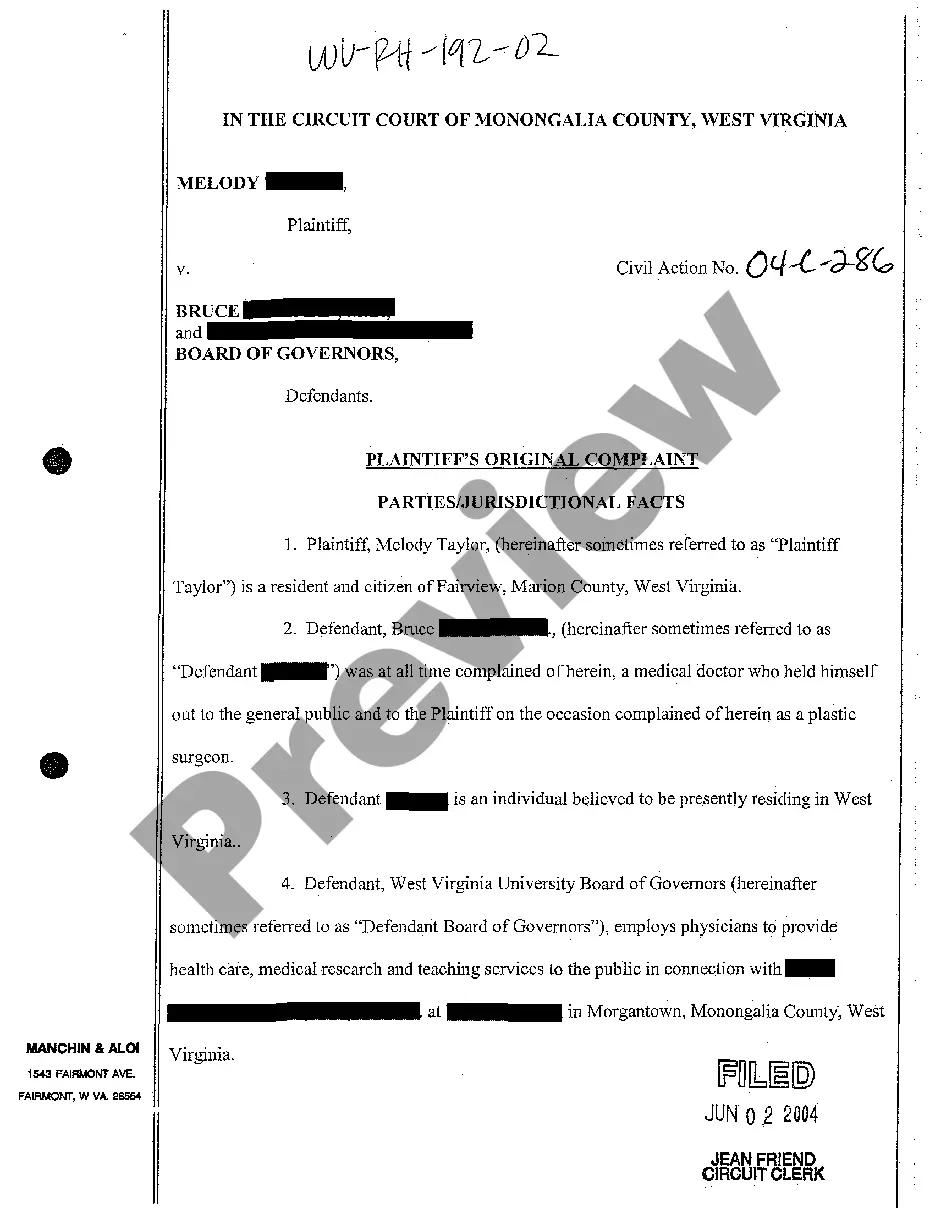
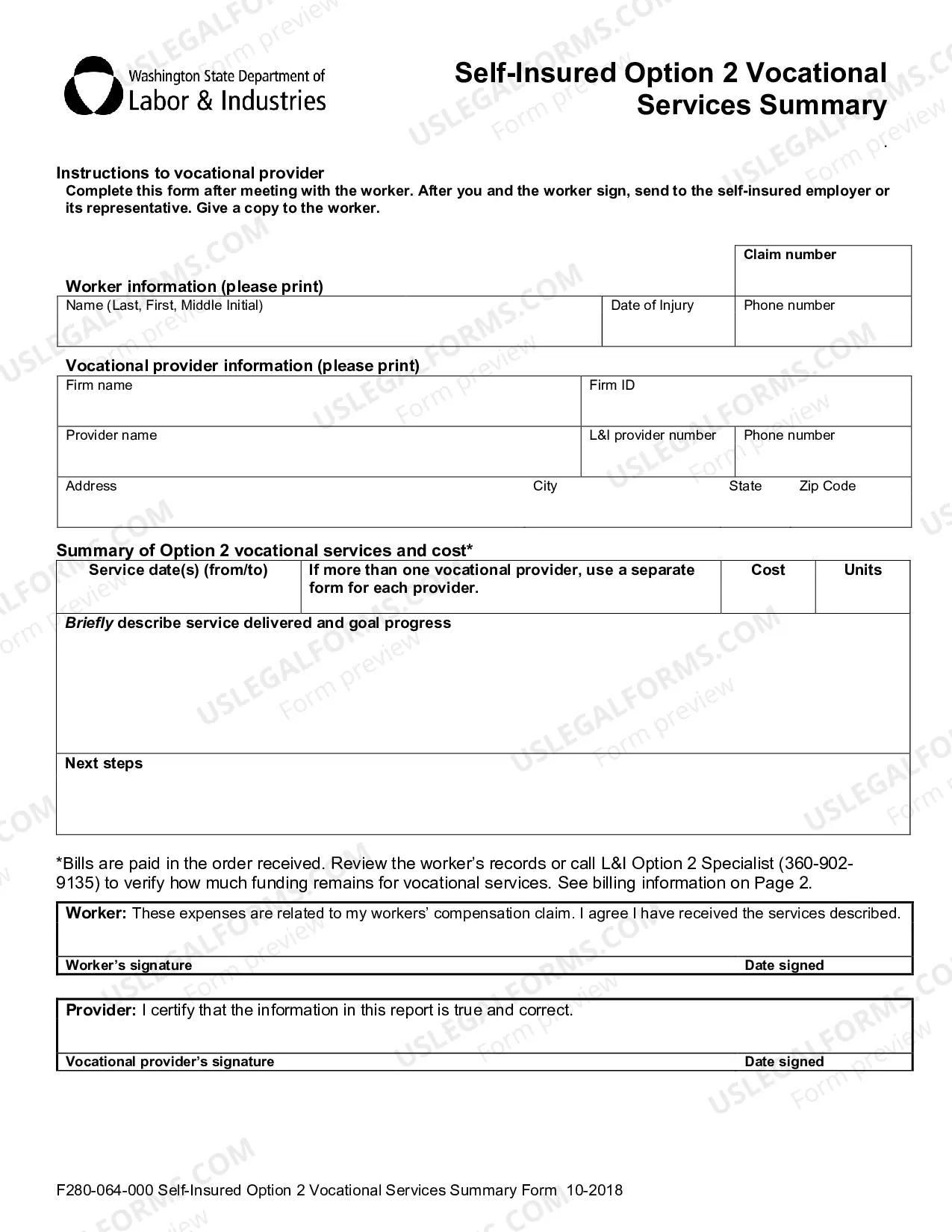
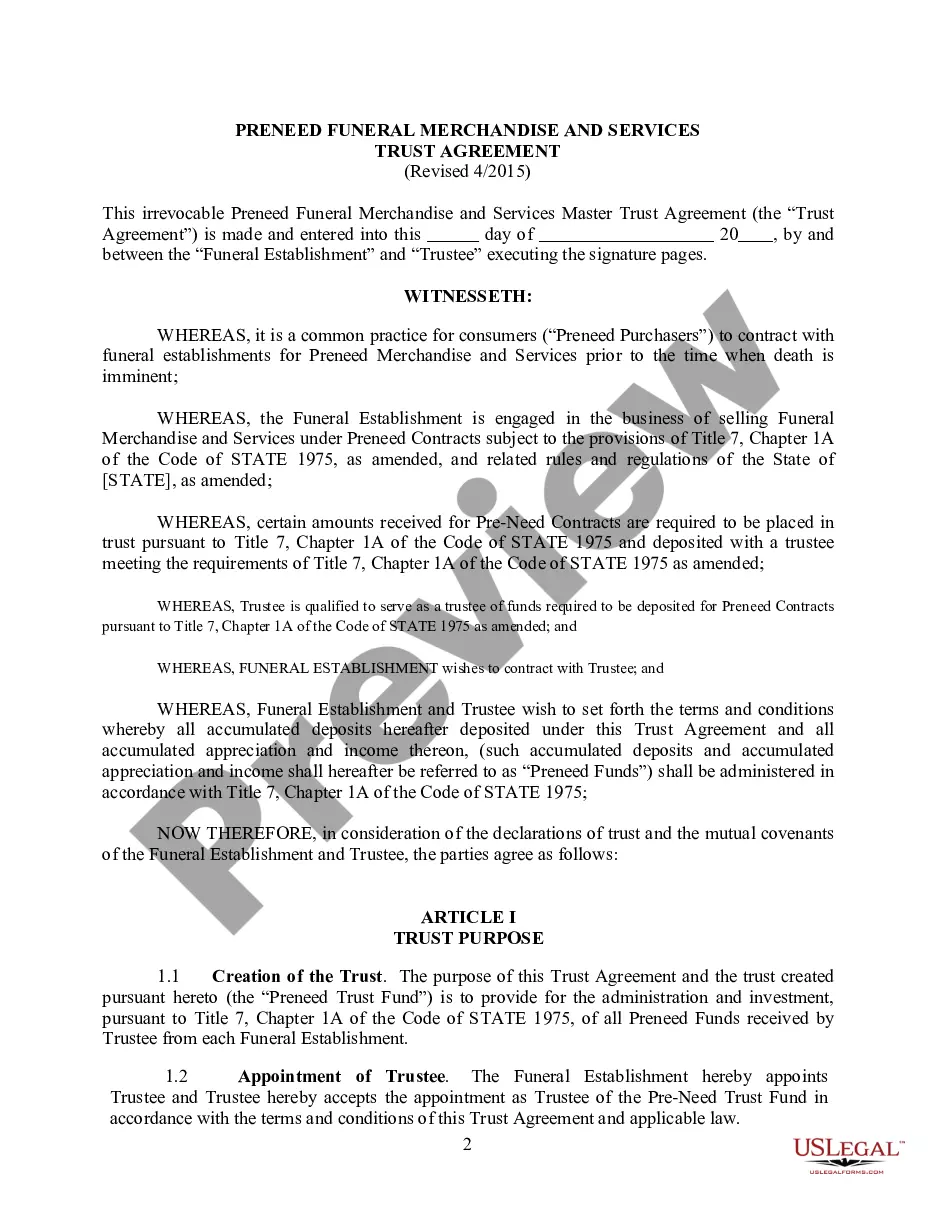
Form popularity
FAQ
Rule 56 - Summary Judgment (a)Motion for Summary Judgment or Partial Summary Judgment. A party may move for summary judgment, identifying each claim or defense-or the part of each claim or defense-on which summary judgment is sought.
Don't lie about anything, not even white small lies. If you are discovered to be lying, the judge may find it hard to believe you when you are telling the truth. Don't argue with the questioner. Don't ask questions back: “What would you do if…”
Common Courtroom Phrases You can answer the question. You have exhausted that subject, please move on. You may answer the question. You may be seated. You may cross-examine, counsel. You may inquire, Mr. X. You may proceed. You may step down.
HOW TO COMPLETE THIS ANSWER TEMPLATE Know your deadline. You have only 21 days after being served with the Summons and Complaint to file a response. Fill in the case information. On the top of the first page, write your name and address. Respond to each paragraph in the Complaint. Read each sentence of the Complaint.
Overview Step 1: Calculate your deadline to respond. Step 2: Evaluate your options. Step 3: Prepare a response. Step 4: File your response with the court. Step 5: Give plaintiff a copy of your response. Step 6: Know what to expect next.
Question: What are the stages of civil litigation? Rustin: There are five general stages of a civil court case: pleadings, discovery, motions, trial and possibly appeals. Civil lawsuits arise out of disputes between people, businesses, or other entities.
Drafting the Motion Check if the court has blank motion forms. Create your caption. Title your motion. Draft the introductory paragraph to the body of the motion. Request relief. Lay out the applicable facts. Make your legal argument. Insert a signature block.
In representing a client, a lawyer shall not communicate about the subject of the representation with a person the lawyer knows to be represented by another lawyer in the matter, unless the lawyer has the consent of the other lawyer or is authorized to do so by law or a court order.
Service by mail: Some documents can be served via certified mail with a return receipt requested. The recipient must sign for the mail, confirming receipt of the documents.
Within 14 days after the service of the motion, the opposing party shall serve and file a written opposition thereto, together with a memorandum of points and authorities and supporting affidavits, if any, stating facts showing why the motion should be denied.