Escrow Seller Does For Seller In Georgia
Description

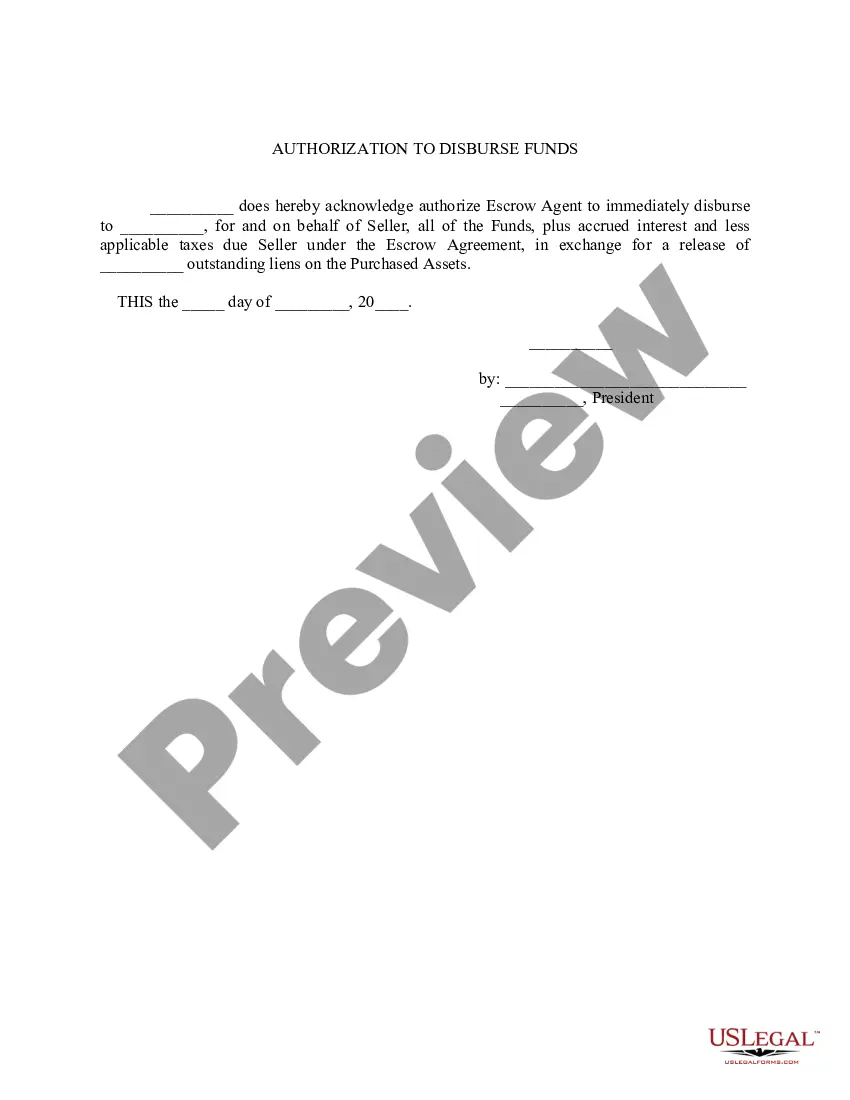
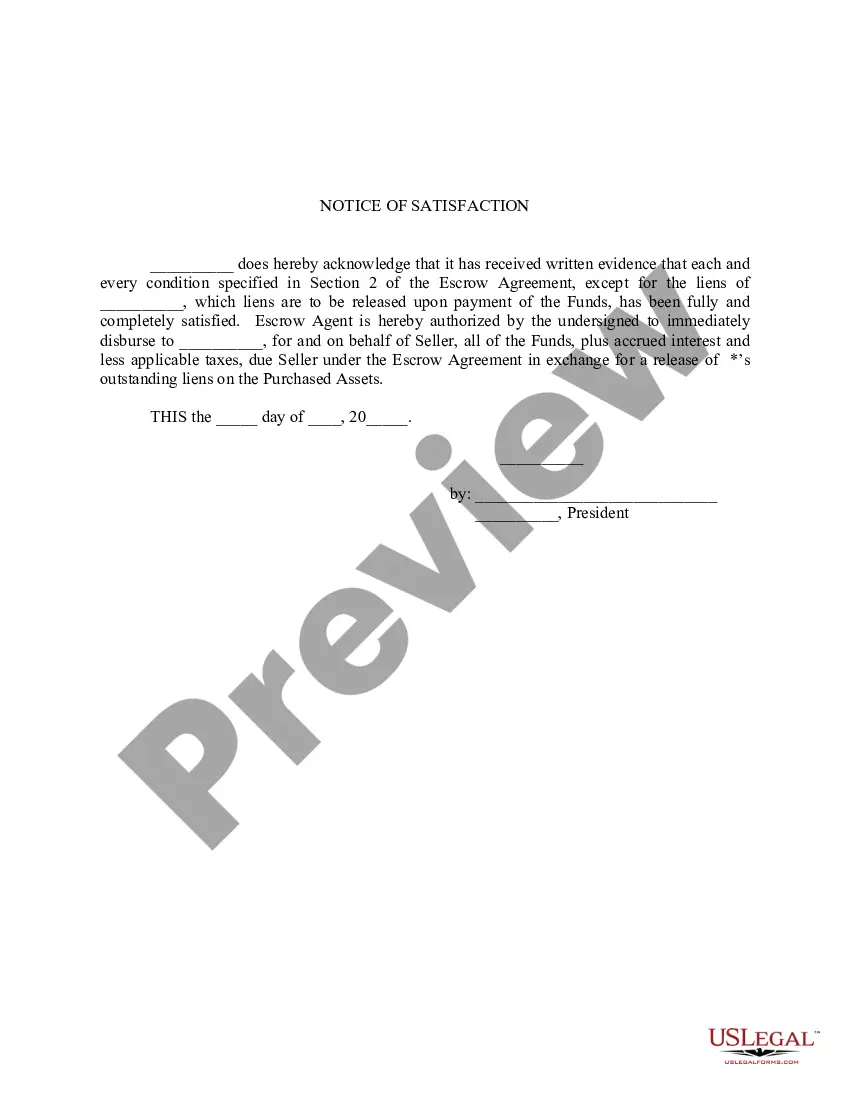
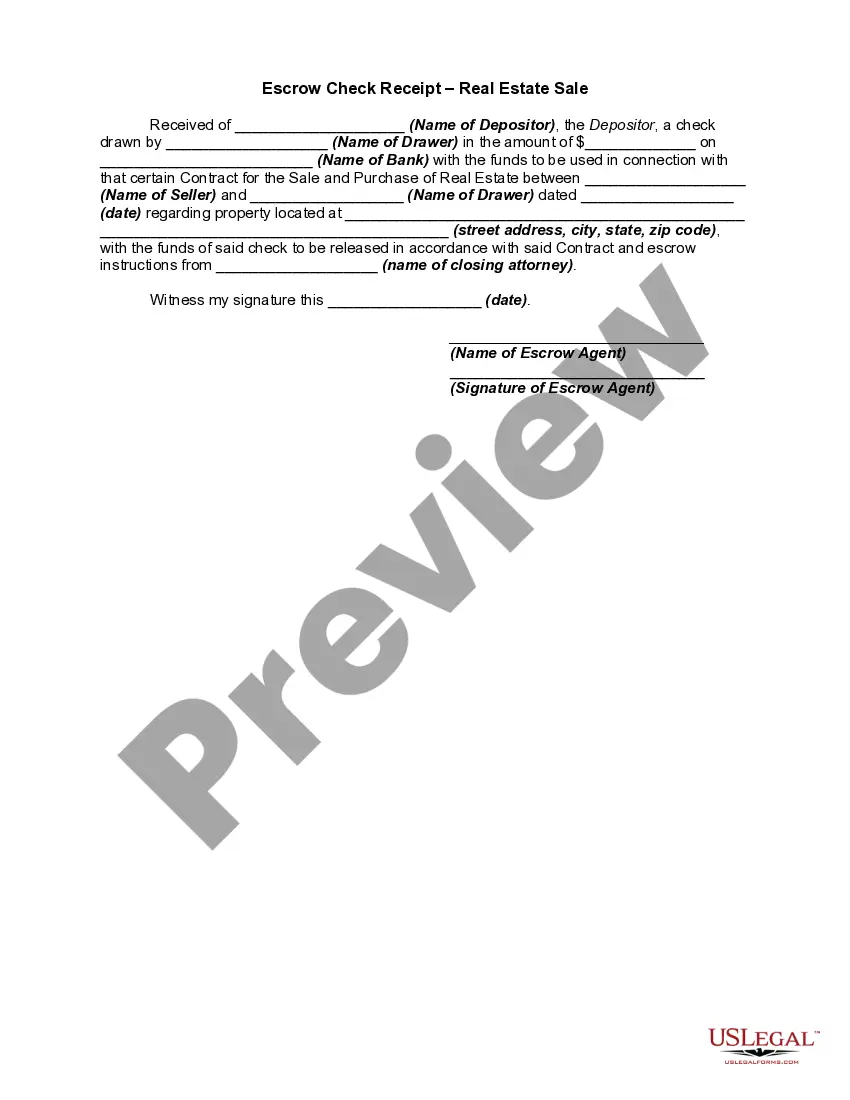
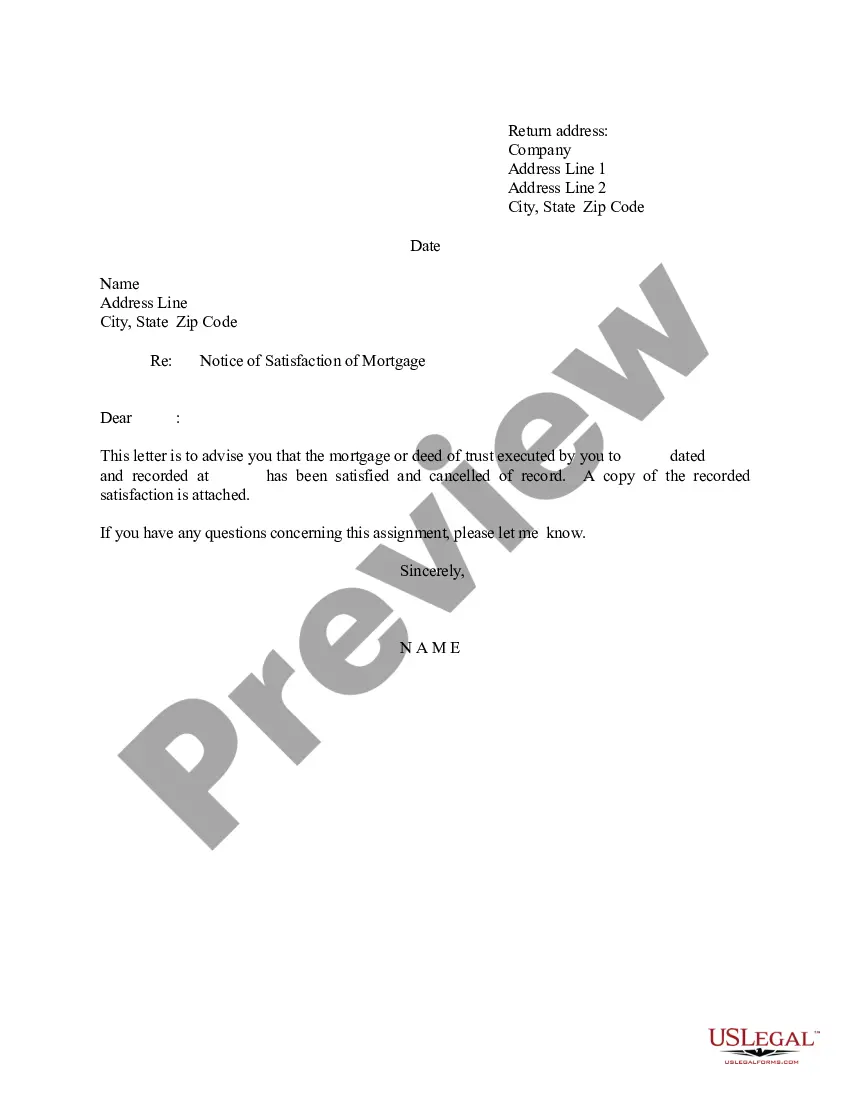
Get your form ready online
Our built-in tools help you complete, sign, share, and store your documents in one place.
Make edits, fill in missing information, and update formatting in US Legal Forms—just like you would in MS Word.
Download a copy, print it, send it by email, or mail it via USPS—whatever works best for your next step.
Sign and collect signatures with our SignNow integration. Send to multiple recipients, set reminders, and more. Go Premium to unlock E-Sign.
If this form requires notarization, complete it online through a secure video call—no need to meet a notary in person or wait for an appointment.
We protect your documents and personal data by following strict security and privacy standards.

Make edits, fill in missing information, and update formatting in US Legal Forms—just like you would in MS Word.

Download a copy, print it, send it by email, or mail it via USPS—whatever works best for your next step.

Sign and collect signatures with our SignNow integration. Send to multiple recipients, set reminders, and more. Go Premium to unlock E-Sign.

If this form requires notarization, complete it online through a secure video call—no need to meet a notary in person or wait for an appointment.

We protect your documents and personal data by following strict security and privacy standards.
Looking for another form?
Form popularity
FAQ
Escrow is generally considered good because it protects the buyer and seller in a transaction.
The buyer in the real estate sales transaction generally makes the selection of the escrow holder/agent and the title insurance company intending to issue the title insurance coverage. A real estate broker should consult the escrow holder/agent before informing the principals that escrow will close on a certain date.
Questions to ask when choosing an escrow agent Impartial and independent. Is the escrow agent a neutral third-party to all parties involved or are they linked to one of the parties? Expertise. Are escrow services the agent's core business and do they have a dedicated team? ... Knowledge and experience.
In California, the buyer may choose the escrow company.
Legal Expertise: The best title companies often have experienced real estate attorneys on staff who know the ins and outs of title and closings. Compliance: Maintaining compliance with regulations is a must for your chosen title agent.
Note that an existing agent or an attorney of grantor or grantee cannot act as an escrow agent due to the conflict of interest in the duties. The selection of the escrow holder is normally done by an agreement between the principals.
Requirements and Qualifications High school diploma or GED (required) Post-secondary degree (preferred) Two or more years of experience with the real estate closing process, preferably as an escrow assistant. Organizational skills. Customer service skills. Attention to detail. Basic math skills.
Licensing Requirements by State States with Licensing Requirements: Some states mandate licensing for escrow officers. For instance, in California, an escrow officer working in an independent escrow company needs a license from the Department of Business Oversight.
What Is an Escrow Agent? An escrow agent is a person or entity that holds property in trust for third parties while a transaction is finalized or a disagreement is resolved. The role of escrow agent is often played by an attorney (or notary in civil law jurisdictions).
