Notice Of Satisfaction In Dallas
Description

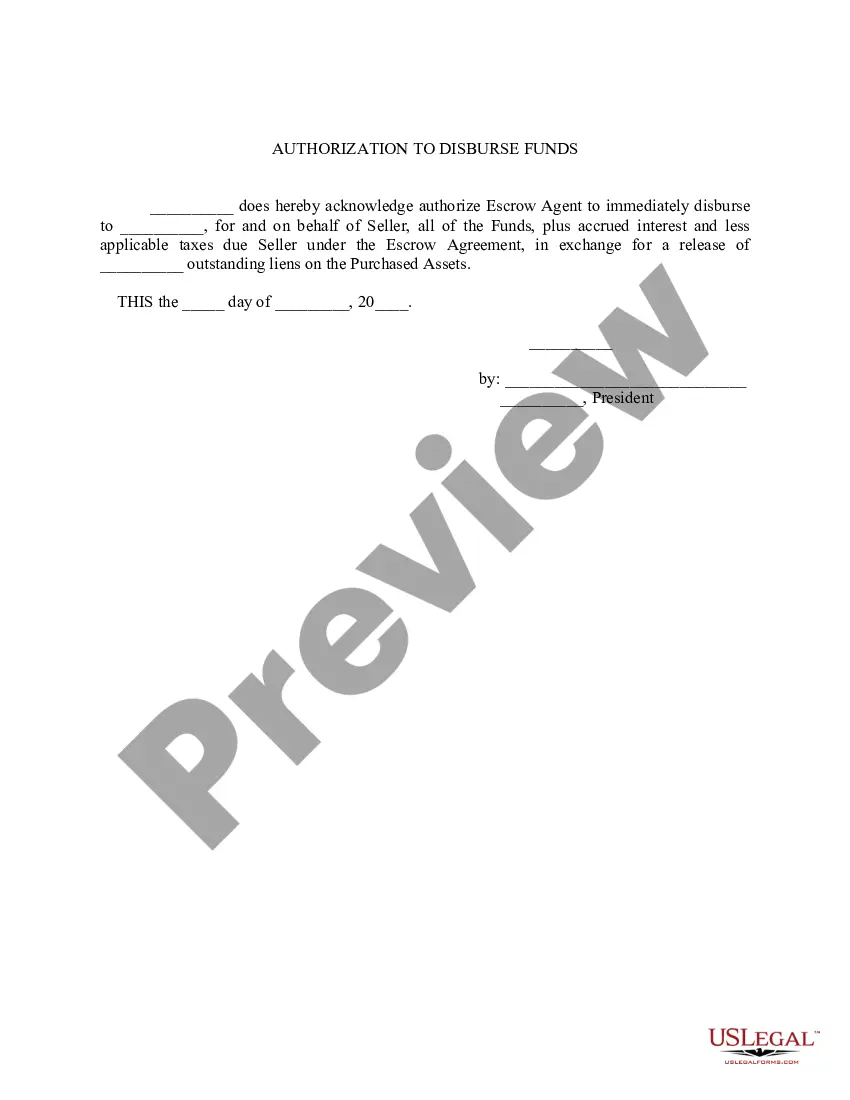
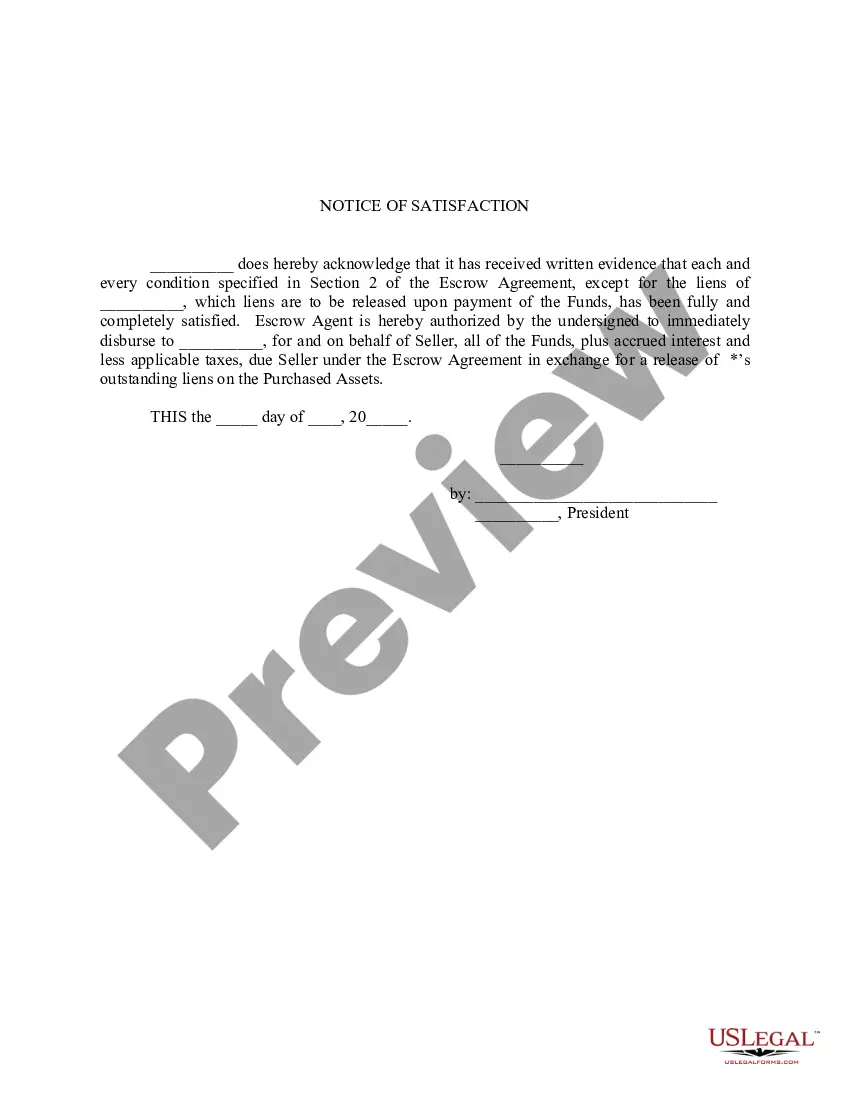
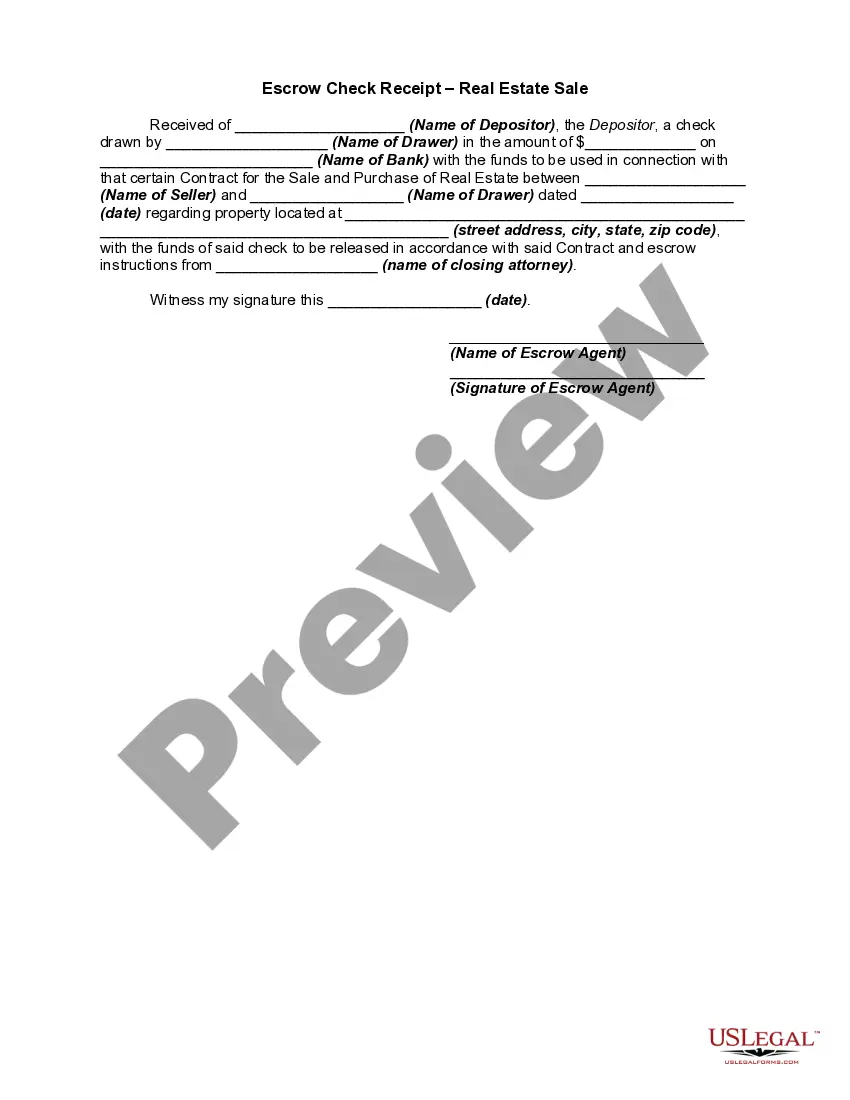
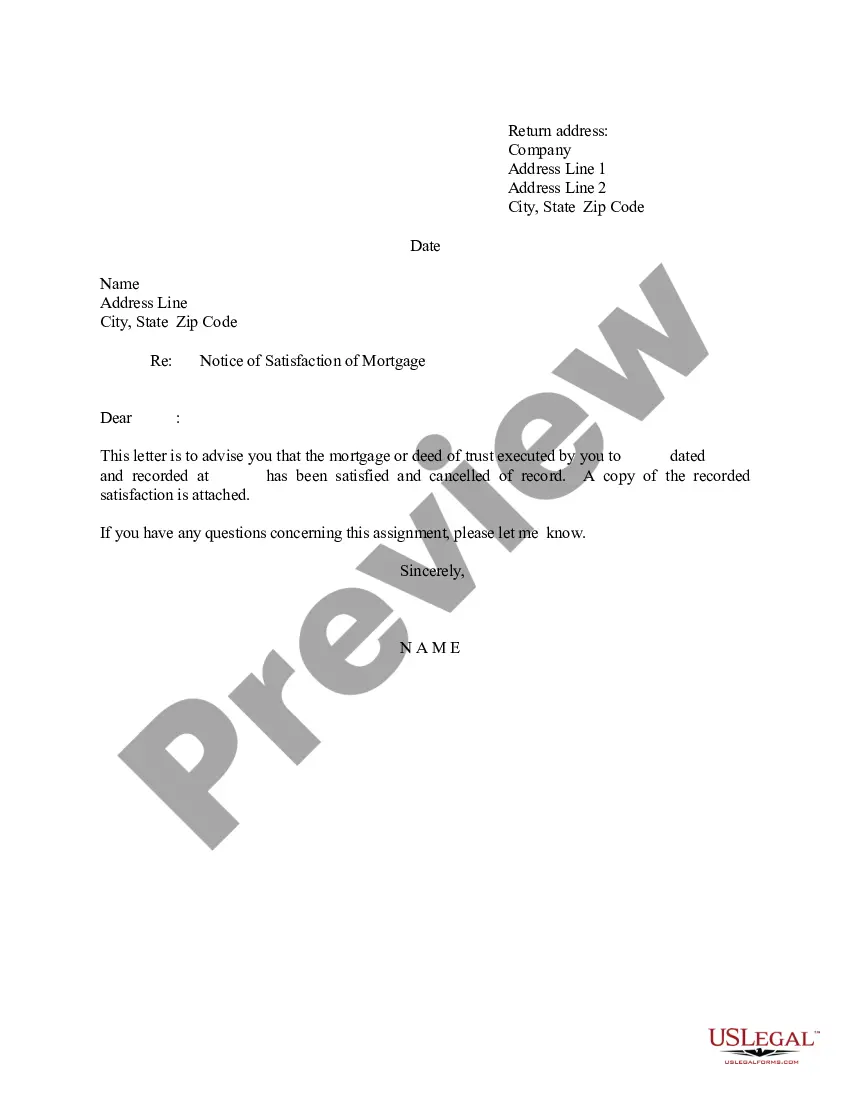
Get your form ready online
Our built-in tools help you complete, sign, share, and store your documents in one place.
Make edits, fill in missing information, and update formatting in US Legal Forms—just like you would in MS Word.
Download a copy, print it, send it by email, or mail it via USPS—whatever works best for your next step.
Sign and collect signatures with our SignNow integration. Send to multiple recipients, set reminders, and more. Go Premium to unlock E-Sign.
If this form requires notarization, complete it online through a secure video call—no need to meet a notary in person or wait for an appointment.
We protect your documents and personal data by following strict security and privacy standards.

Make edits, fill in missing information, and update formatting in US Legal Forms—just like you would in MS Word.

Download a copy, print it, send it by email, or mail it via USPS—whatever works best for your next step.

Sign and collect signatures with our SignNow integration. Send to multiple recipients, set reminders, and more. Go Premium to unlock E-Sign.

If this form requires notarization, complete it online through a secure video call—no need to meet a notary in person or wait for an appointment.

We protect your documents and personal data by following strict security and privacy standards.
Looking for another form?









Form popularity
FAQ
Conclusion: Going to small claims court may be worth it for $500, but it will determine how you weigh your costs versus benefits. At a minimum, it is worth it to send a demand letter.
Filing Your Case Online Texas's eFileTexas site uses guided interviews to help you create your forms. The website will ask you certain questions and use your answers to build your forms.
The amount of debt or damages for which you may sue in small claims court may not exceed $20,000, excluding statutory interest and court costs but including attorney fees, if any.
A judgment is an official result of a lawsuit in court. If a debt collector sues you in court, the judge could award the creditor or debt collector a judgment against you.
Parties without lawyers can also file case documents in person at the Court during normal business hours or by mail. Most case documents are posted to the Court's website, except clerk's records, reporter's records, and sealed documents. You can search for your case at search.txcourts/.
Until a writ of possession is issued, the tenant can remain in their home. Step 1: Written Notice to Vacate. Unless the lease agreement says otherwise, the landlord must give the tenant at least 3 days to move out. Step 2: Filing of Eviction Suit. Step 3: Judgment. Step 4 (optional): Appeal. Step 5: Writ of Possession.
Generally, to file a judgment lien, an abstract of judgment must be issued by the justice court. Some justice courts have a form available on their website to request an abstract of judgment.
Exempt property includes most of what you need to live: Household items, up to $30,000 for a single person and $60,000 for a family. Vehicles, one for each licensed driver in the house. Your homestead, up to 10 acres urban property (single or family) and up to 100 acres rural (single) and 200 acres (family).
A deed is evidence of title. A lien release merely releases the security (lien) on the property. They are two different documents and have different purposes. For example, if a mortgage company released their lien, they no longer have a security interest in the property.
