Escrow Seller Does For Repairs In Cuyahoga
Description

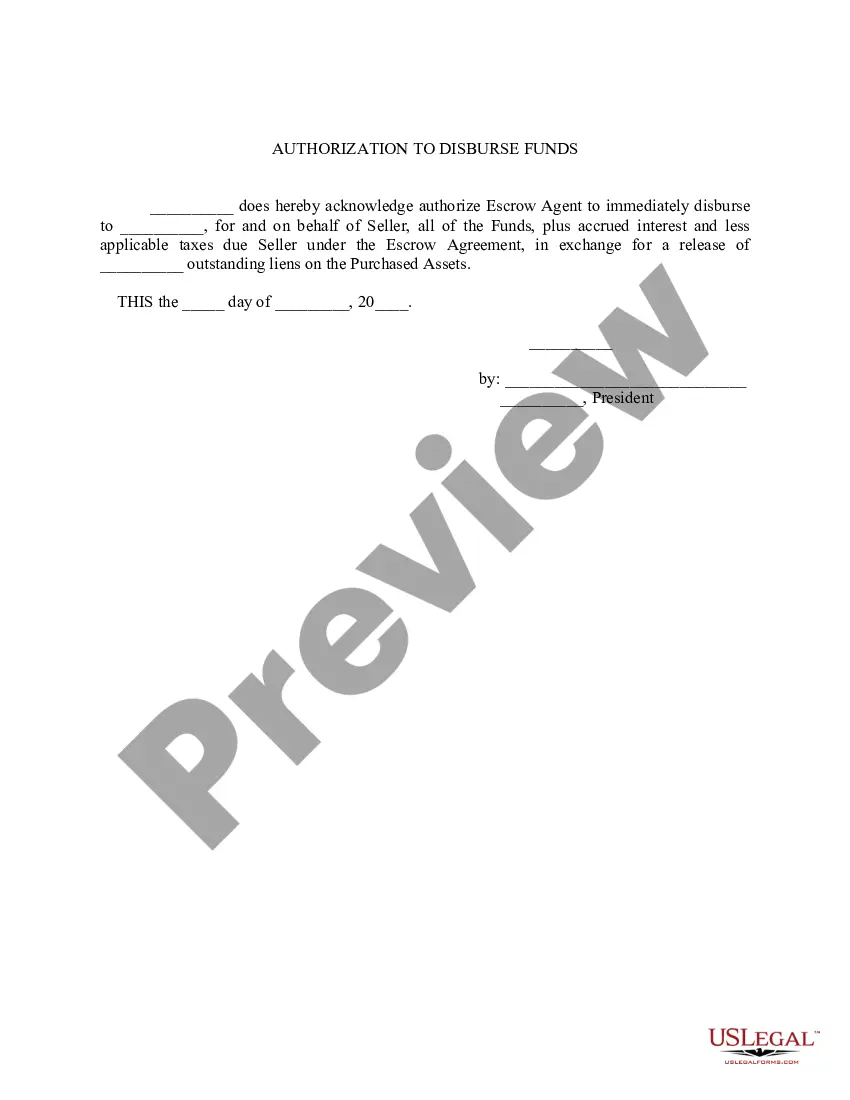
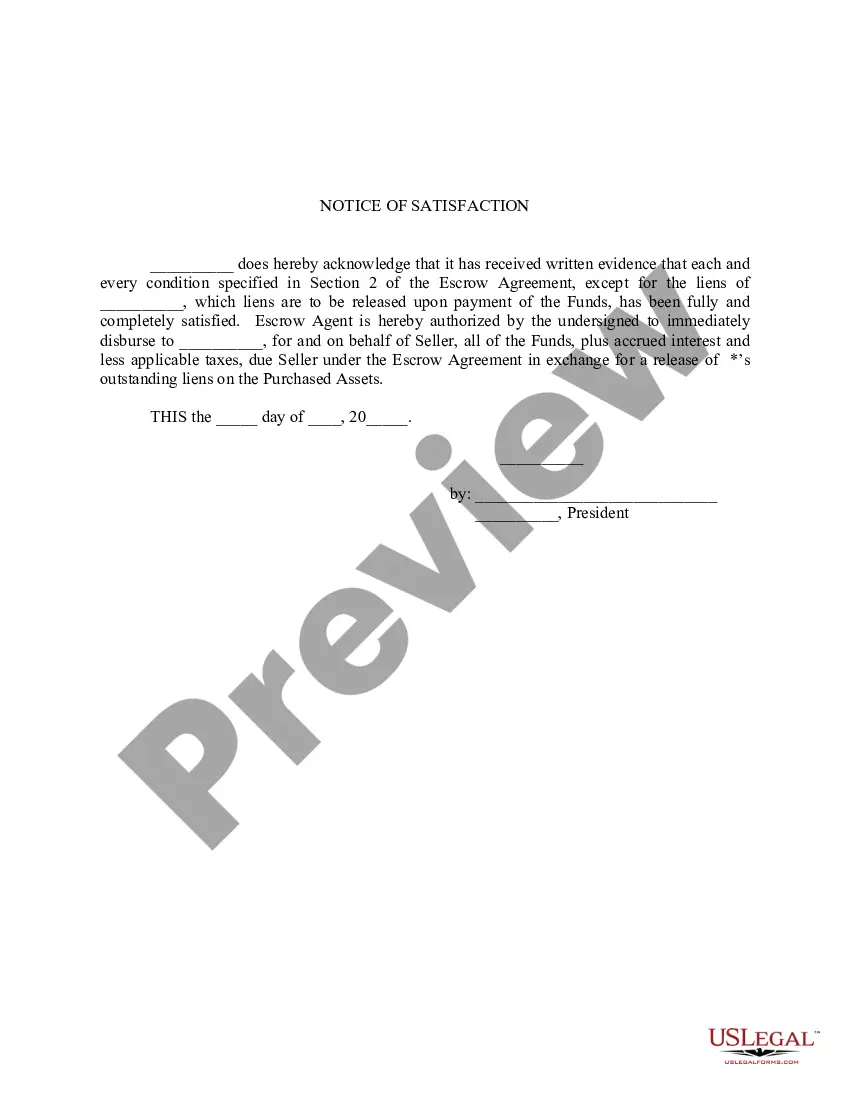
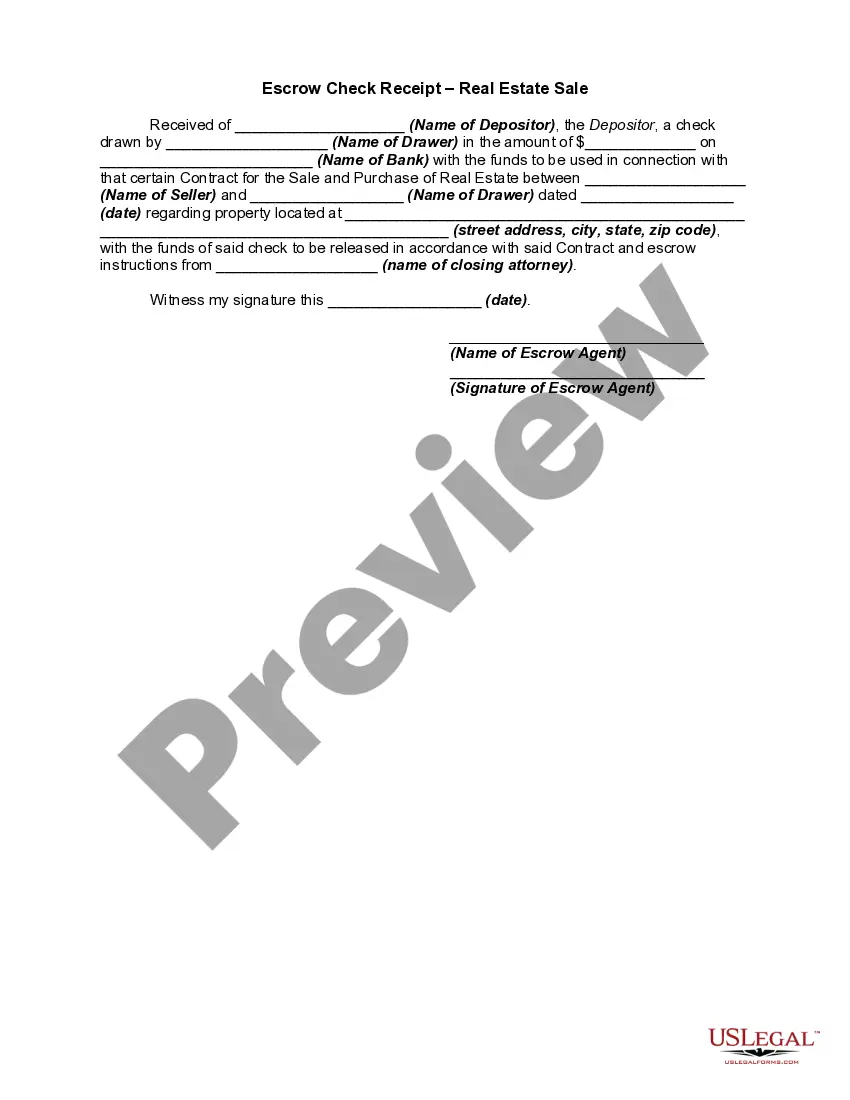
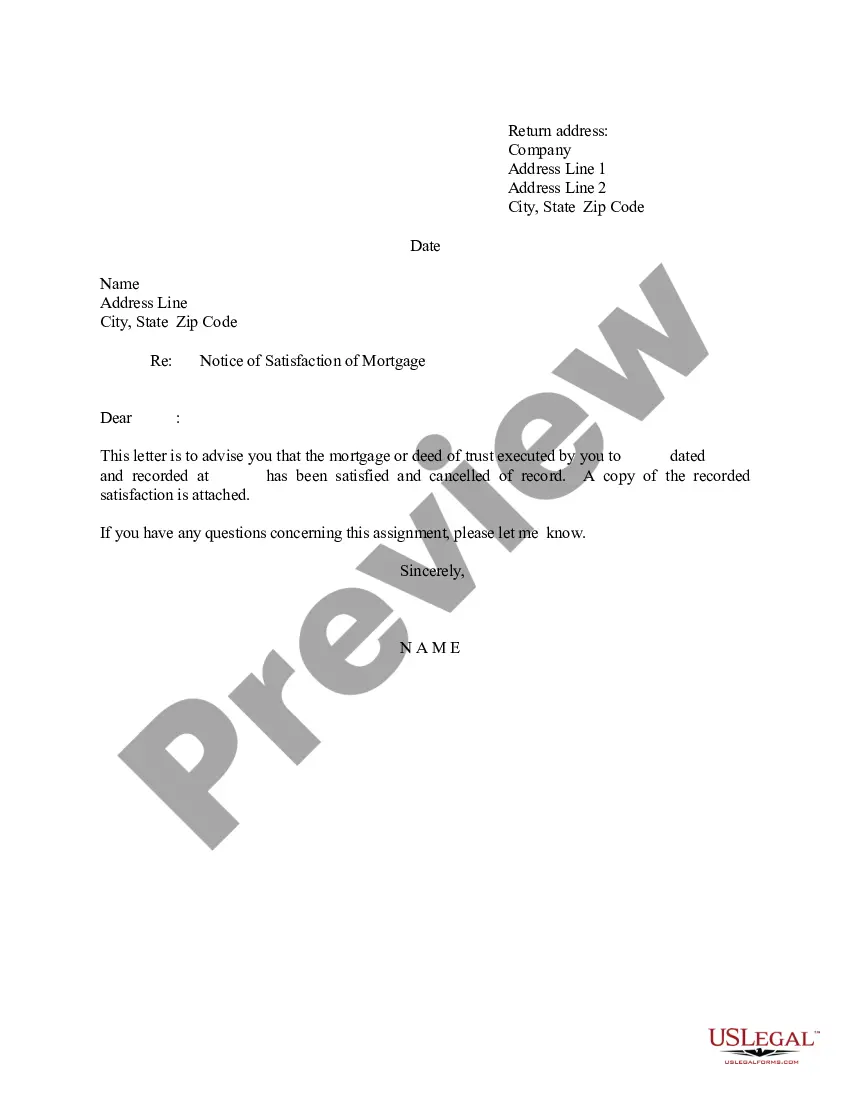
Get your form ready online
Our built-in tools help you complete, sign, share, and store your documents in one place.
Make edits, fill in missing information, and update formatting in US Legal Forms—just like you would in MS Word.
Download a copy, print it, send it by email, or mail it via USPS—whatever works best for your next step.
Sign and collect signatures with our SignNow integration. Send to multiple recipients, set reminders, and more. Go Premium to unlock E-Sign.
If this form requires notarization, complete it online through a secure video call—no need to meet a notary in person or wait for an appointment.
We protect your documents and personal data by following strict security and privacy standards.

Make edits, fill in missing information, and update formatting in US Legal Forms—just like you would in MS Word.

Download a copy, print it, send it by email, or mail it via USPS—whatever works best for your next step.

Sign and collect signatures with our SignNow integration. Send to multiple recipients, set reminders, and more. Go Premium to unlock E-Sign.

If this form requires notarization, complete it online through a secure video call—no need to meet a notary in person or wait for an appointment.

We protect your documents and personal data by following strict security and privacy standards.
Looking for another form?






Form popularity
FAQ
In most cases, homeowners are only liable for issues with the property for a certain period of time after the sale has been completed. This period varies from state to state. In some states, the statute of limitations may be as short as three years, while others may have a longer period of up to 10 years.
The legislators don't want you dragging the seller into court 20 years after the sale, when no one recalls what happened and evidence might be long lost. Most statutes of limitations are somewhere between two and ten years, but this will depend on where you are and what type of claim you have.
Ensuring the seller completes all repairs properly is crucial to protecting your investment. If the seller refuses to address the repairs, you might need to consider legal action. A real estate attorney can help you understand your legal options and the best course of action.
In conclusion, escrow holdbacks for repairs can be a valuable solution in real estate transactions, providing a structured way to address necessary repairs while keeping the sale on track.
Now that the home is under new ownership, the property owner bears the responsibility of anything related to the property. The only way you could be liable at this point, is if something happens and the buyer can prove that you should have known about it, and therefore were responsible to disclose it to them.
Be as specific as possible about what the issue is, how you want it addressed and what state it should be in by the time the work is done. Be clear about who you want to complete the work – will you pick the contractor or the seller? Will that person be licensed and provide a warranty on their work?
Discovering damage after moving into a new home can be frustrating and costly. In Ontario, the legal principle generally holds that the risk of loss or damage transfers from the seller to the buyer upon closing.
An escrow holdback for repairs is a financial arrangement where a portion of the homebuyer's funds is withheld by the lender or escrow agent until specific repairs or improvements are completed. This arrangement is typically used when there are issues with the property that need attention before the sale can close.
9 Huge Home Inspection Red Flags That Will Save You Big Time Damage around electrical points. Unusually placed or recently moved furniture and wall hangings. Hidden signs of dampness. All the windows are open or uneven home temperature. An agent or homeseller insisting on meeting at a particular time of day.
You may have a contract claim against the seller for failure to complete the repairs. The problem is you may have waived a right to challenge the repairs if you already closed and you had a chance to inspect beforehand.
