Escrow Seller Does For Home Insurance In Clark
Description

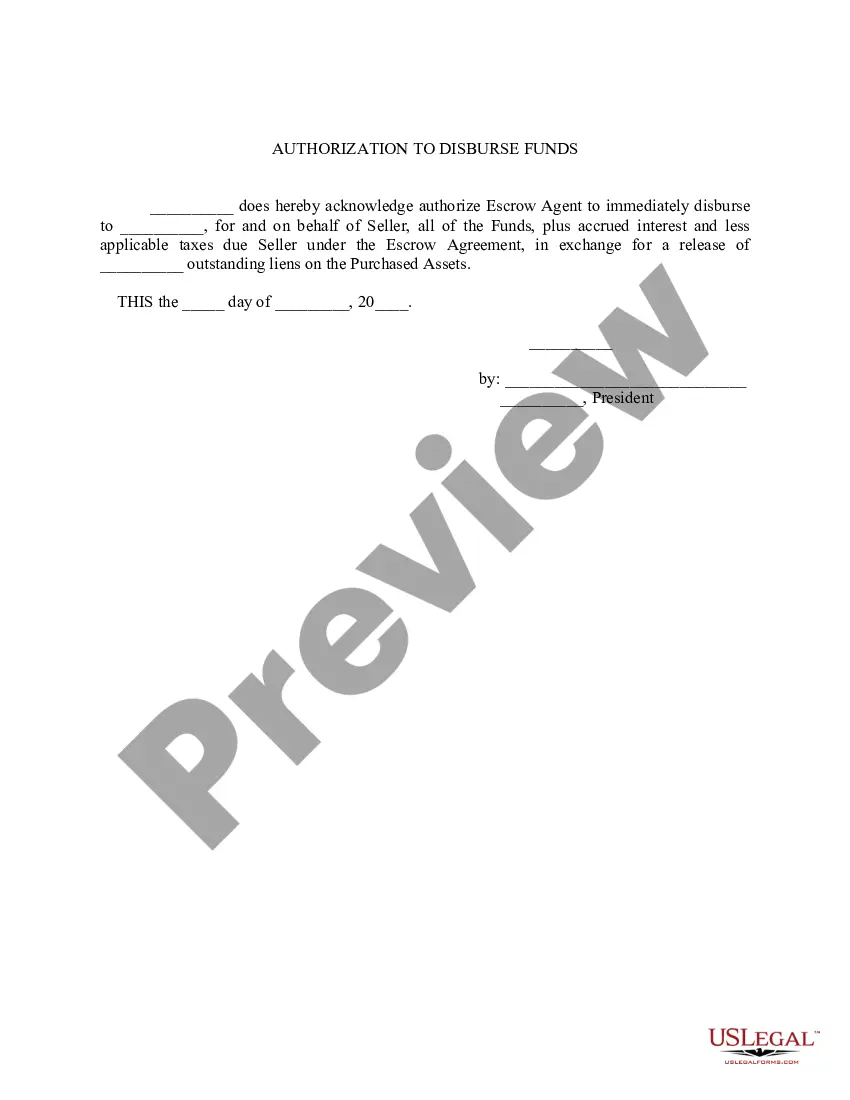
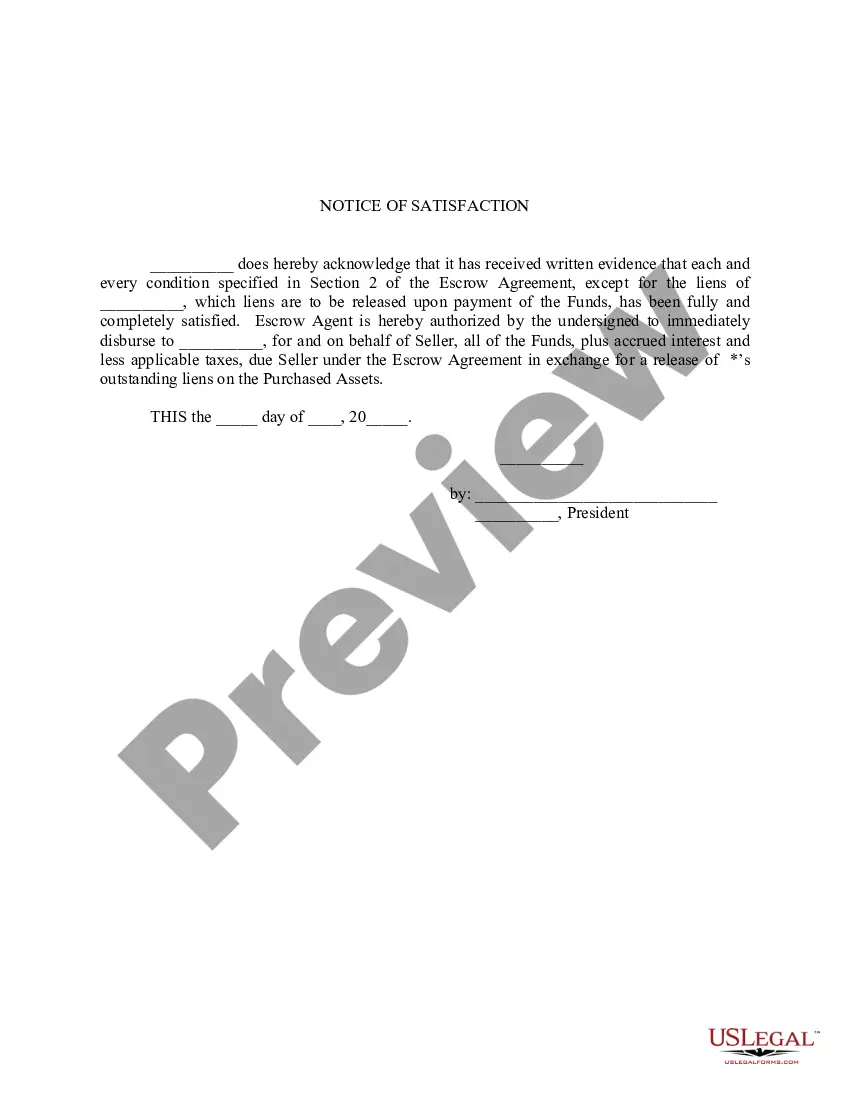
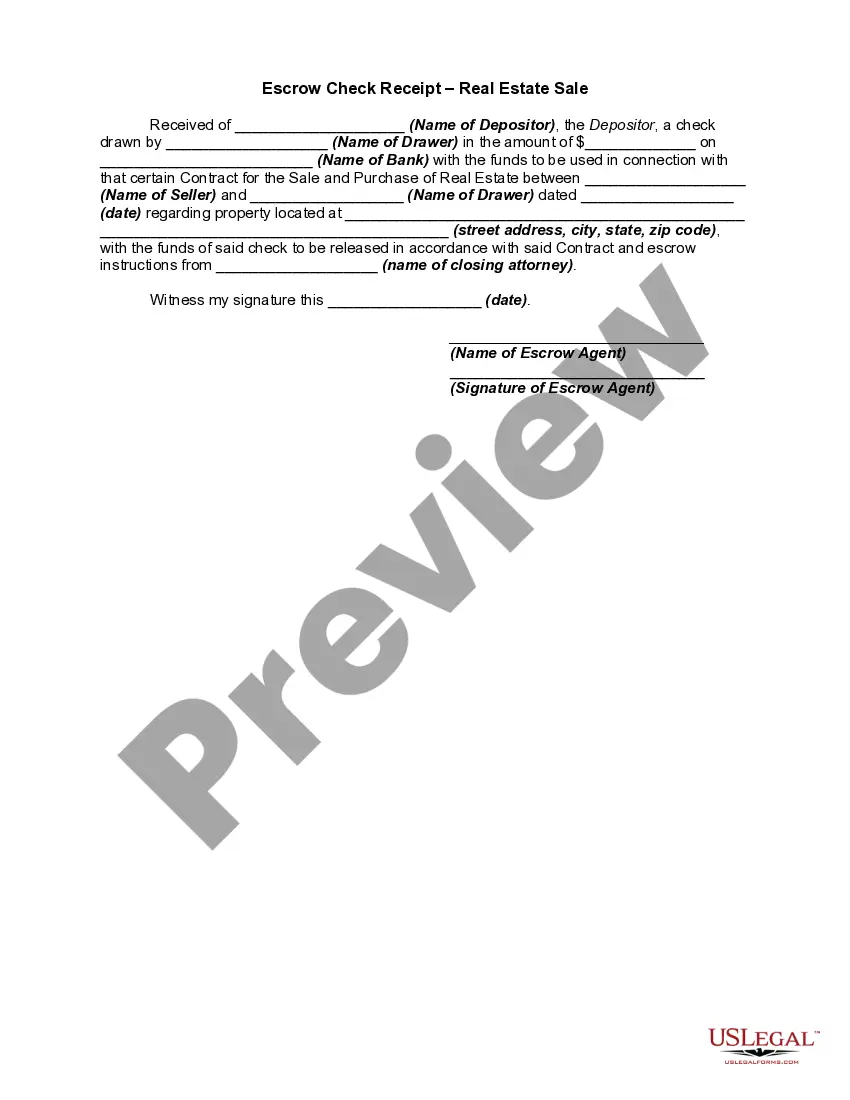
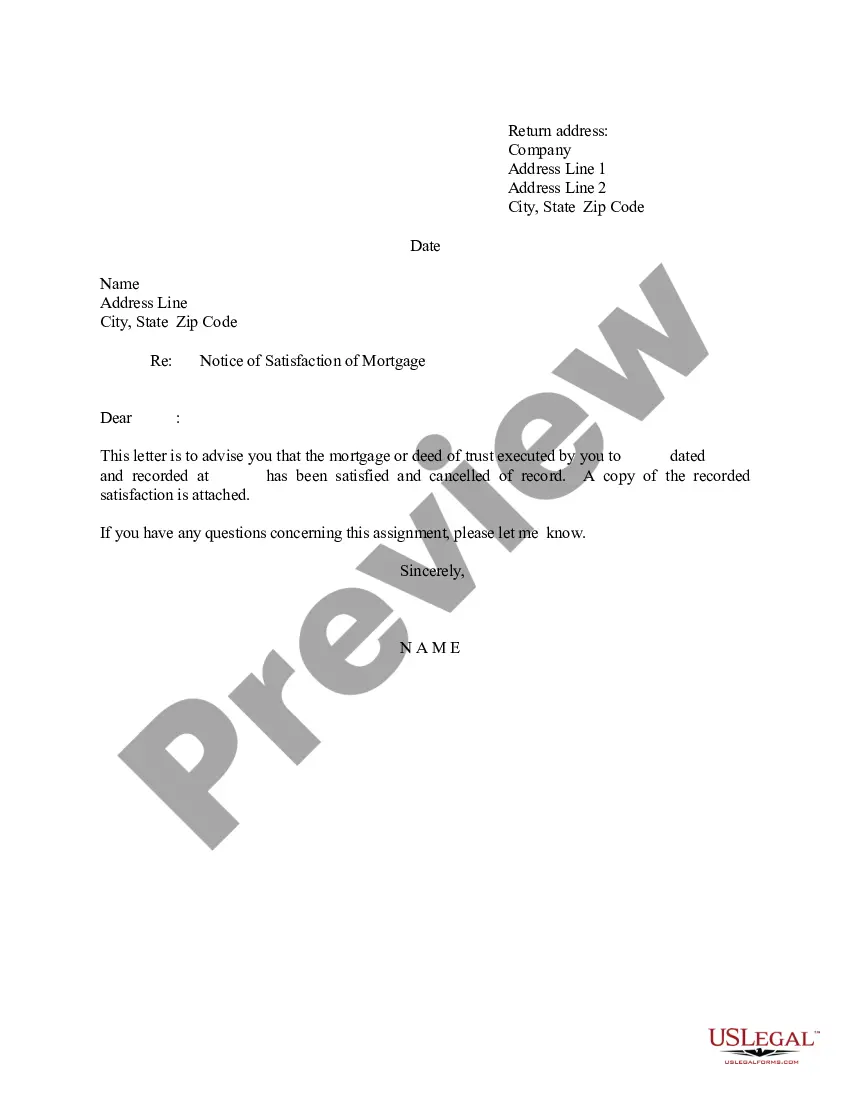
Get your form ready online
Our built-in tools help you complete, sign, share, and store your documents in one place.
Make edits, fill in missing information, and update formatting in US Legal Forms—just like you would in MS Word.
Download a copy, print it, send it by email, or mail it via USPS—whatever works best for your next step.
Sign and collect signatures with our SignNow integration. Send to multiple recipients, set reminders, and more. Go Premium to unlock E-Sign.
If this form requires notarization, complete it online through a secure video call—no need to meet a notary in person or wait for an appointment.
We protect your documents and personal data by following strict security and privacy standards.

Make edits, fill in missing information, and update formatting in US Legal Forms—just like you would in MS Word.

Download a copy, print it, send it by email, or mail it via USPS—whatever works best for your next step.

Sign and collect signatures with our SignNow integration. Send to multiple recipients, set reminders, and more. Go Premium to unlock E-Sign.

If this form requires notarization, complete it online through a secure video call—no need to meet a notary in person or wait for an appointment.

We protect your documents and personal data by following strict security and privacy standards.
Looking for another form?







Form popularity
FAQ
While escrow insurance is a commonly used term, it is actually not an insurance policy. It is a legal holding account that temporarily retains and distributes payments for property tax, insurance and other related expenses.
With escrow – after the first year – the lender estimates your annual insurance and property tax costs, divides them (typically monthly) throughout the year and adds them to your regular mortgage payment. This way you don't have to make a large lump sum payment each year.
The basics of escrow. Owning a home brings added expenses like property taxes and insurance. That's where your escrow account comes in. Every month, you contribute to this account, and we use those funds to cover your home-related expenses when they're due.
Escrow Advance means any upfront payment made to cover taxes, insurance premiums or other costs that would otherwise be covered by a borrower's escrow account, if not for a shortfall. Seen in 21 SEC filings. Escrow Advance means the total outstanding amount attributed to an advance.
However, if you have to keep an escrow account for certain required payments, such as mortgage insurance, you can still remove your regular homeowners insurance premium, property tax payments or both from your escrow account.
INSURED WITH ESCROW (IE) qualifies for FHA financing with repairs to be completed by the buyer after the close of escrow. At closing, the buyer must finance the HUD-designated repairs into their FHA 203b mortgage. The buyer has 90 days from closing to hire a contractor and complete the repairs.
Steps to change homeowners insurance providers Review your current policy. Determine your policy needs. Research different providers and get quotes. Confirm the mortgage clause for your lender. Buy your new policy. Cancel your existing policy. Contact your lender. Send your premium refunds to the new escrow account.
Cons of escrow High upfront costs: Many escrow accounts require a minimum balance to cover unexpected expenses. You may have to keep an extra two or three months' worth of property taxes and insurance premiums as a cushion, or "escrow reserve."
