Escrow Seller Does Withdraw In Chicago
Description

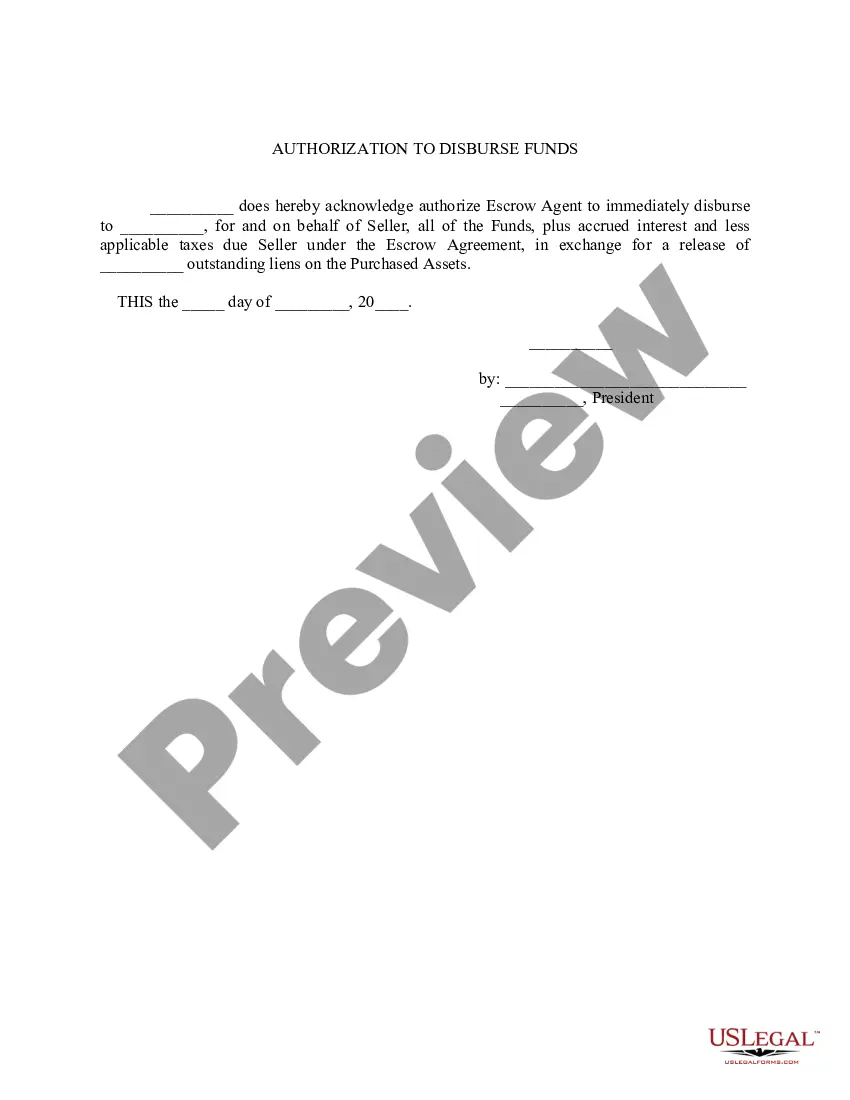
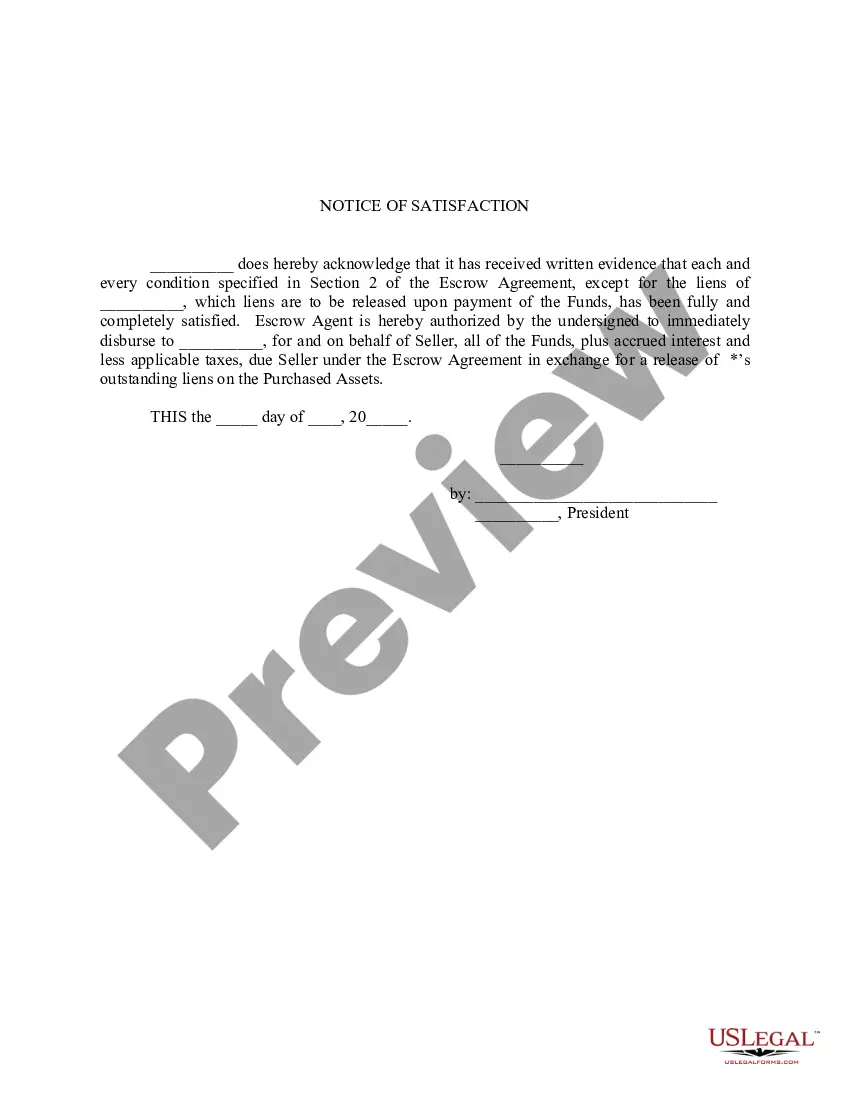
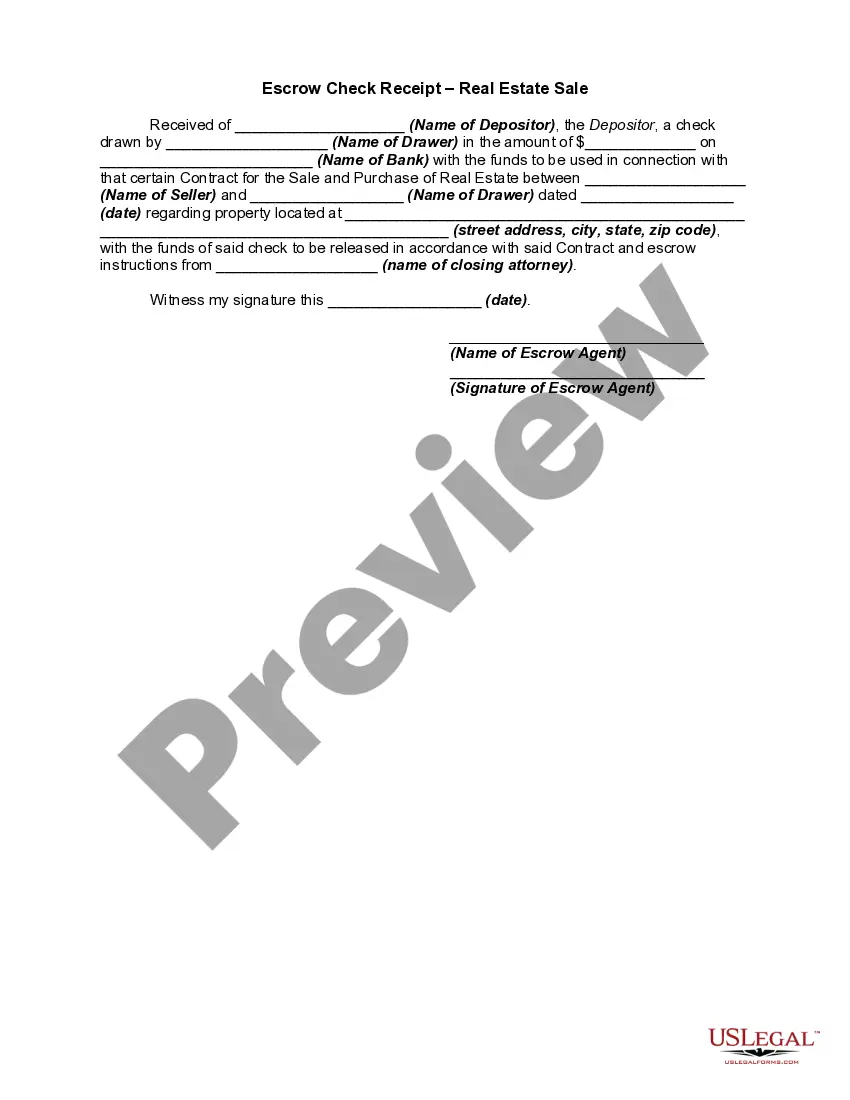
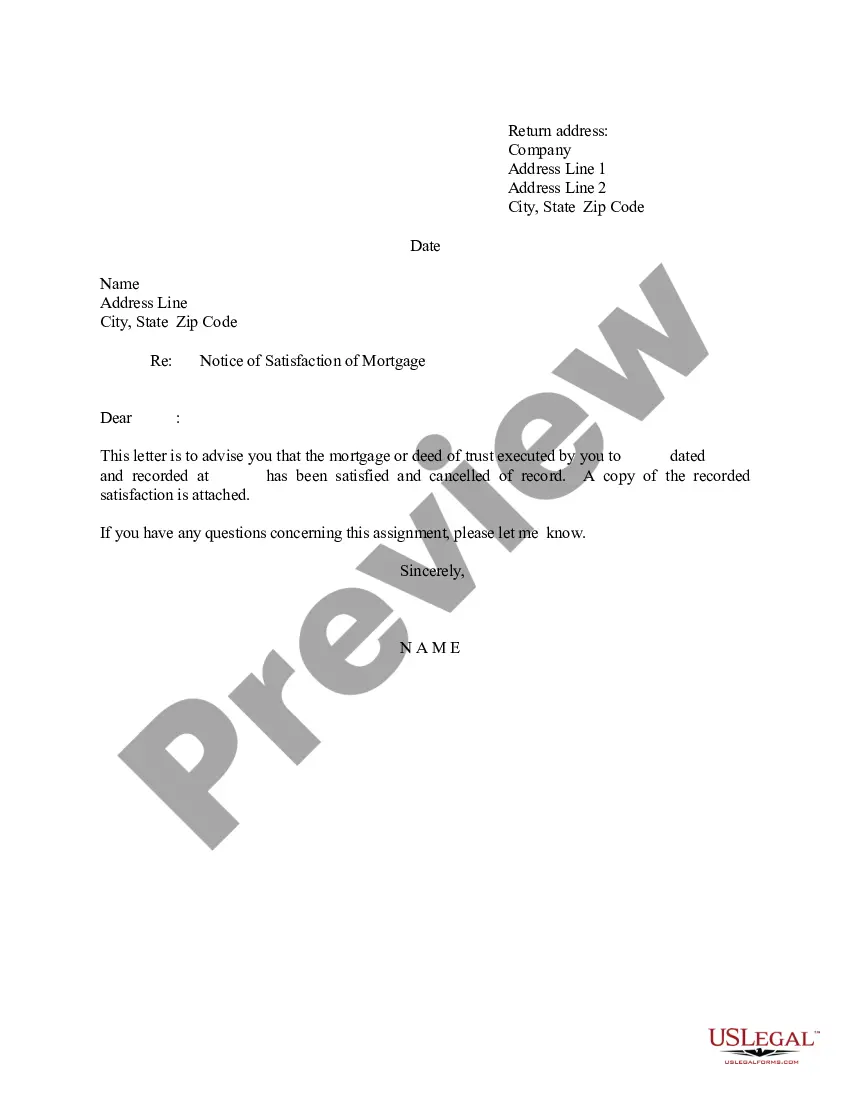
Get your form ready online
Our built-in tools help you complete, sign, share, and store your documents in one place.
Make edits, fill in missing information, and update formatting in US Legal Forms—just like you would in MS Word.
Download a copy, print it, send it by email, or mail it via USPS—whatever works best for your next step.
Sign and collect signatures with our SignNow integration. Send to multiple recipients, set reminders, and more. Go Premium to unlock E-Sign.
If this form requires notarization, complete it online through a secure video call—no need to meet a notary in person or wait for an appointment.
We protect your documents and personal data by following strict security and privacy standards.

Make edits, fill in missing information, and update formatting in US Legal Forms—just like you would in MS Word.

Download a copy, print it, send it by email, or mail it via USPS—whatever works best for your next step.

Sign and collect signatures with our SignNow integration. Send to multiple recipients, set reminders, and more. Go Premium to unlock E-Sign.

If this form requires notarization, complete it online through a secure video call—no need to meet a notary in person or wait for an appointment.

We protect your documents and personal data by following strict security and privacy standards.
Looking for another form?




Form popularity
FAQ
If you back out without cause, the buyer can bring legal action for breach of contract. That means you could be facing a lawsuit where the buyer seeks compensation. Depending on the buyer, the lawsuit may seek financial compensation or even specific performance, forcing you to sell your home.
The seller can back out for reasons written into the contract, including (but not limited to) contingencies. The buyer is in breach of the contract. If the buyer is “failing to perform” — a legal term meaning that they're not holding up their side of the contract — the seller can likely get out of the contract.
Yes, a seller can back out of an accepted offer in certain situations such as during the attorney review period, with financing or appraisal contingencies, inspection issues, significant closing delays, or breach of contract.
It's an exciting moment, but it's not a done deal until the final papers are signed. That means the seller can back out of the contract, though there may be legal consequences if they do so in a way that violates the contract terms.
The cancellation provisions are found in Paragraphs 14C (1) and (2), and in Paragraph 14E of the CA-RPA. Regardless of the reason, the seller must give some type of notice to the buyer, however (either a Notice to Perform or a Demand to Close Escrow) before the seller can cancel.
It is typically very hard for a seller to cancel escrow without any valid reason for doing so. A change of mind is not acceptable. A good real estate attorney will be able to help the buyer push the sale through with aid from the court if need be.
The cancellation provisions are found in Paragraphs 14C (1) and (2), and in Paragraph 14E of the CA-RPA. Regardless of the reason, the seller must give some type of notice to the buyer, however (either a Notice to Perform or a Demand to Close Escrow) before the seller can cancel.
If a title cloud does turn up after the sale, it is possible the buyer can hold the seller liable for the problems. Most deeds used in home sales come with a guarantee. In California, for example, the document of choice is a grant deed.
