Escrow Funds Agreement With Bank In California
Description

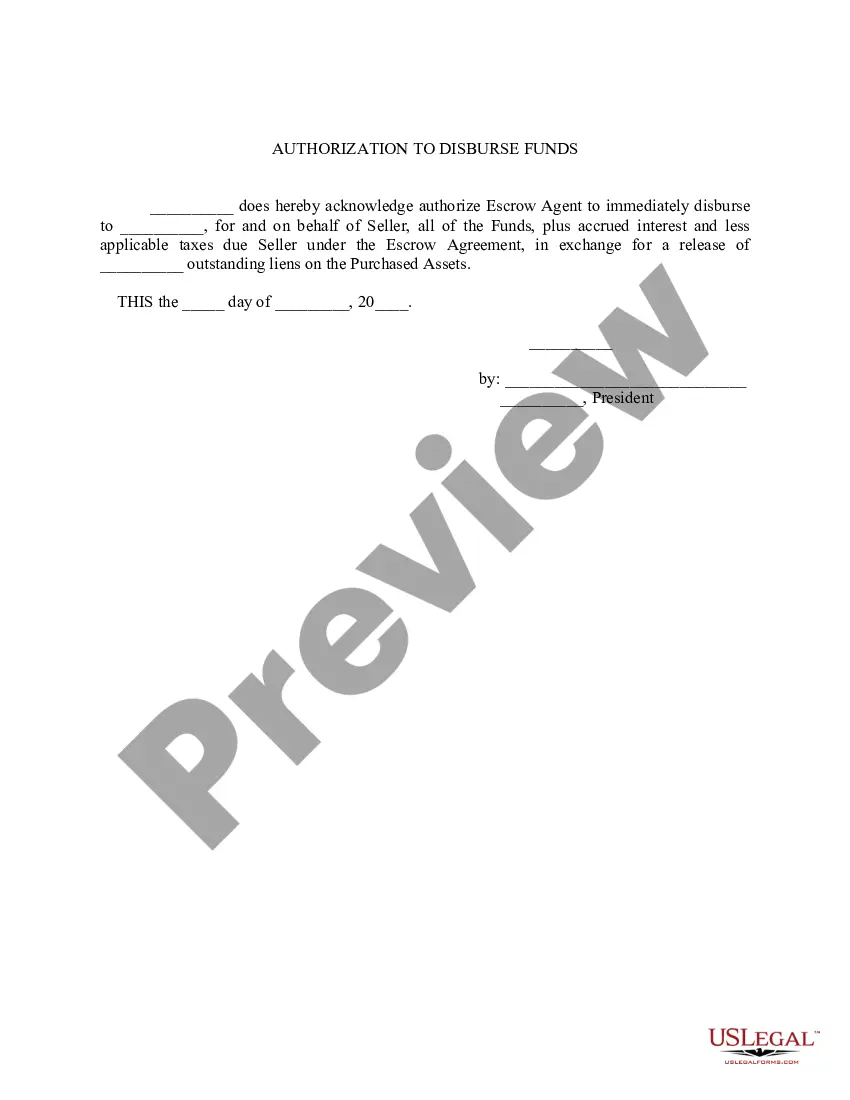
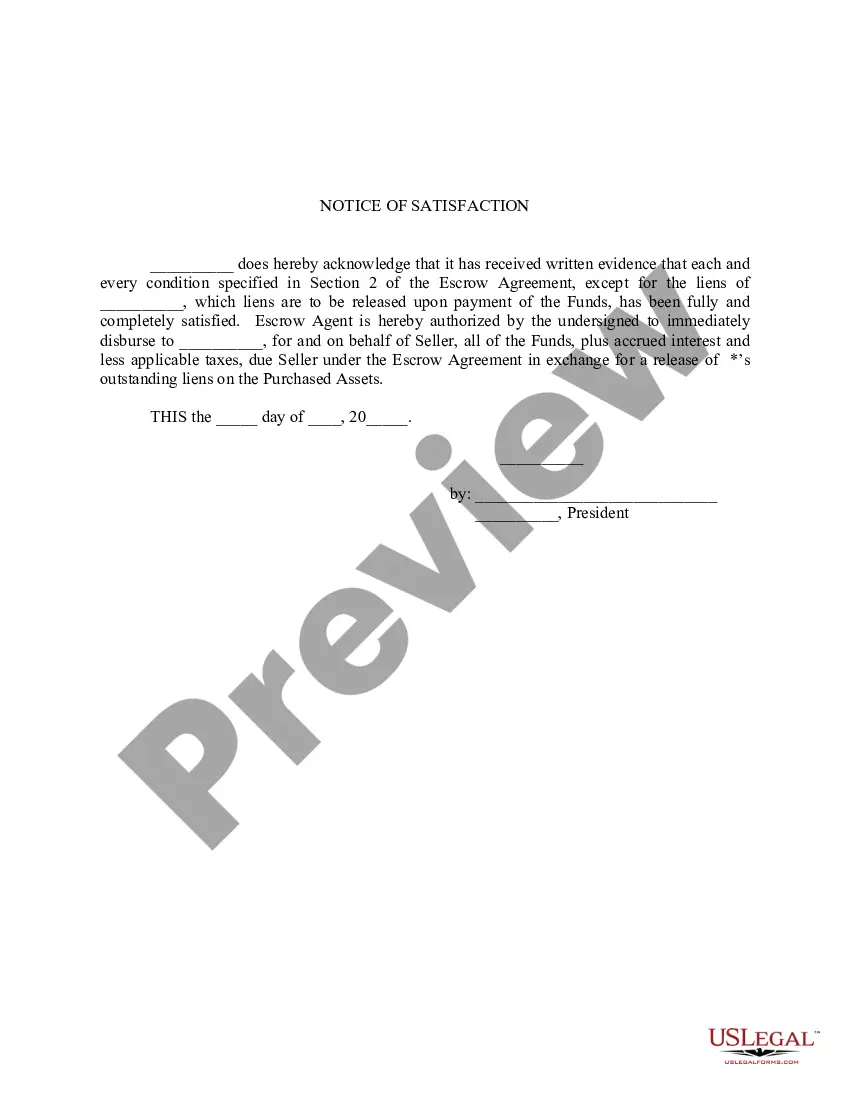
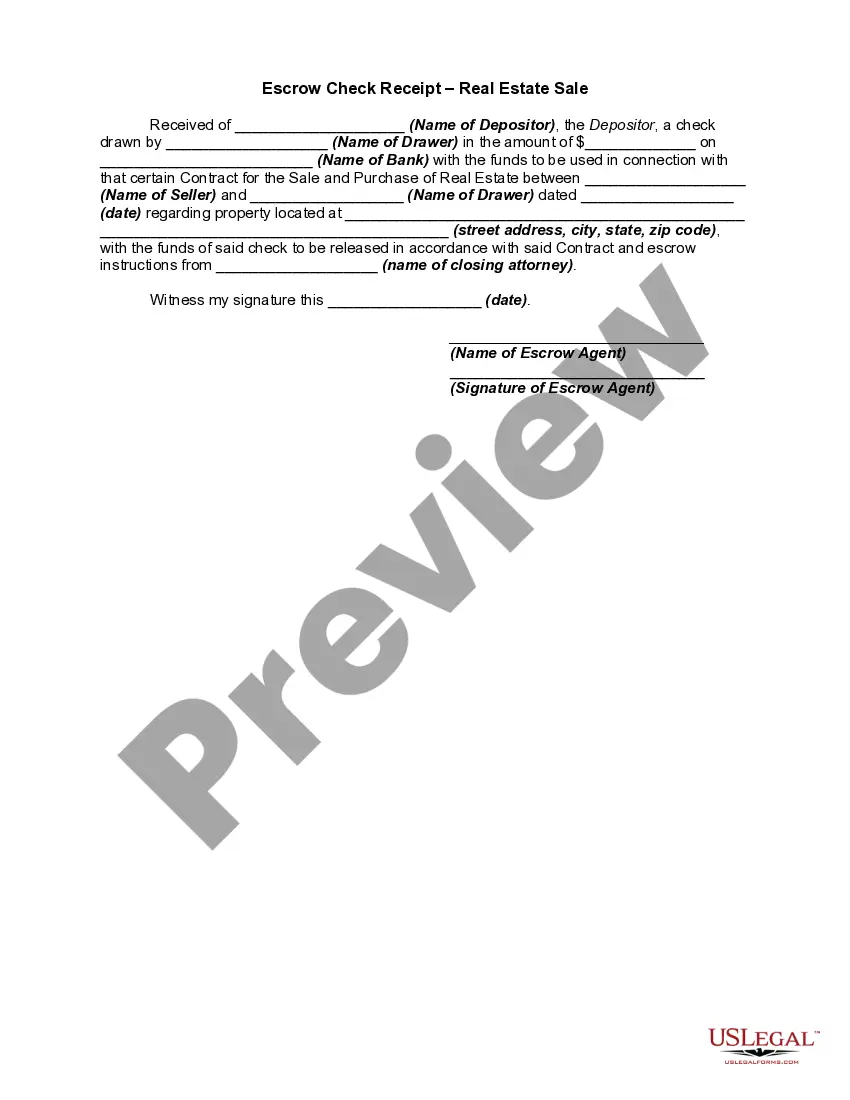
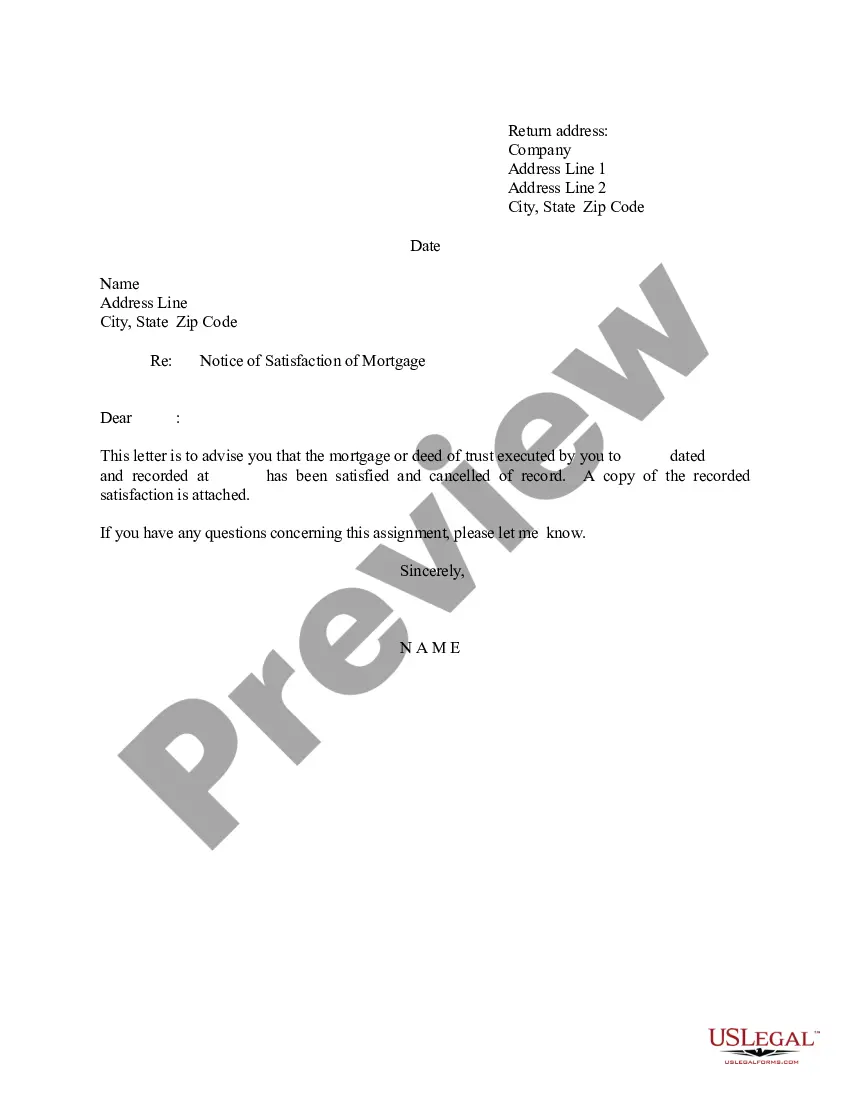
Get your form ready online
Our built-in tools help you complete, sign, share, and store your documents in one place.
Make edits, fill in missing information, and update formatting in US Legal Forms—just like you would in MS Word.
Download a copy, print it, send it by email, or mail it via USPS—whatever works best for your next step.
Sign and collect signatures with our SignNow integration. Send to multiple recipients, set reminders, and more. Go Premium to unlock E-Sign.
If this form requires notarization, complete it online through a secure video call—no need to meet a notary in person or wait for an appointment.
We protect your documents and personal data by following strict security and privacy standards.

Make edits, fill in missing information, and update formatting in US Legal Forms—just like you would in MS Word.

Download a copy, print it, send it by email, or mail it via USPS—whatever works best for your next step.

Sign and collect signatures with our SignNow integration. Send to multiple recipients, set reminders, and more. Go Premium to unlock E-Sign.

If this form requires notarization, complete it online through a secure video call—no need to meet a notary in person or wait for an appointment.

We protect your documents and personal data by following strict security and privacy standards.
Looking for another form?


Form popularity
FAQ
In California, there are two forms of escrow instructions generally employed: bilateral (i.e., executed by and binding on both buyer and seller) and unilateral (i.e., separate instructions executed by the buyer and seller, binding on each).
How much can lenders keep in escrow accounts? Under federal rules, a lender can collect enough escrow funds to cover your annual bills, plus two monthly payments, plus $50.
In an escrow agreement, one party—usually a depositor—deposits funds or an asset with the escrow agent until the time that the contract is fulfilled. Once the contractual conditions are met, the escrow agent will deliver the funds or other assets to the beneficiary.
In an escrow agreement, one party—usually a depositor—deposits funds or an asset with the escrow agent until the time that the contract is fulfilled. Once the contractual conditions are met, the escrow agent will deliver the funds or other assets to the beneficiary.
Choosing the escrow company The seller's real estate agent usually chooses the escrow company. Make sure the escrow company is licensed and in good standing with the Department of Corporations by calling (866) 275-2677, or the Bureau of Real Estate at (213) 620-2072.
The Escrow Holder: prepares escrow instructions. requests a preliminary title search to determine the present condition of title to the property. requests a beneficiary's statement if debt or obligation is to be taken over by the buyer. complies with lender's requirements, specified in the escrow agreement.
The California Escrow Process Step 1: Escrow Begins. Step 2: Initial Deposit. Step 3: Disclosures and Inspections. Step 4: Repair Negotiations and Appraisal. Step 5: The Mortgage Process. Step 6: Title Searches and Insurance. Step 7: Final Verification.
However, if you need to open one, you simply need to contact a bank and ask to open an escrow account. Be prepared to offer details about yourself, why you're opening the escrow, and information about any other parties involved in the escrow.
