Difference Between Satisfaction And Satisfactory In Allegheny
Description

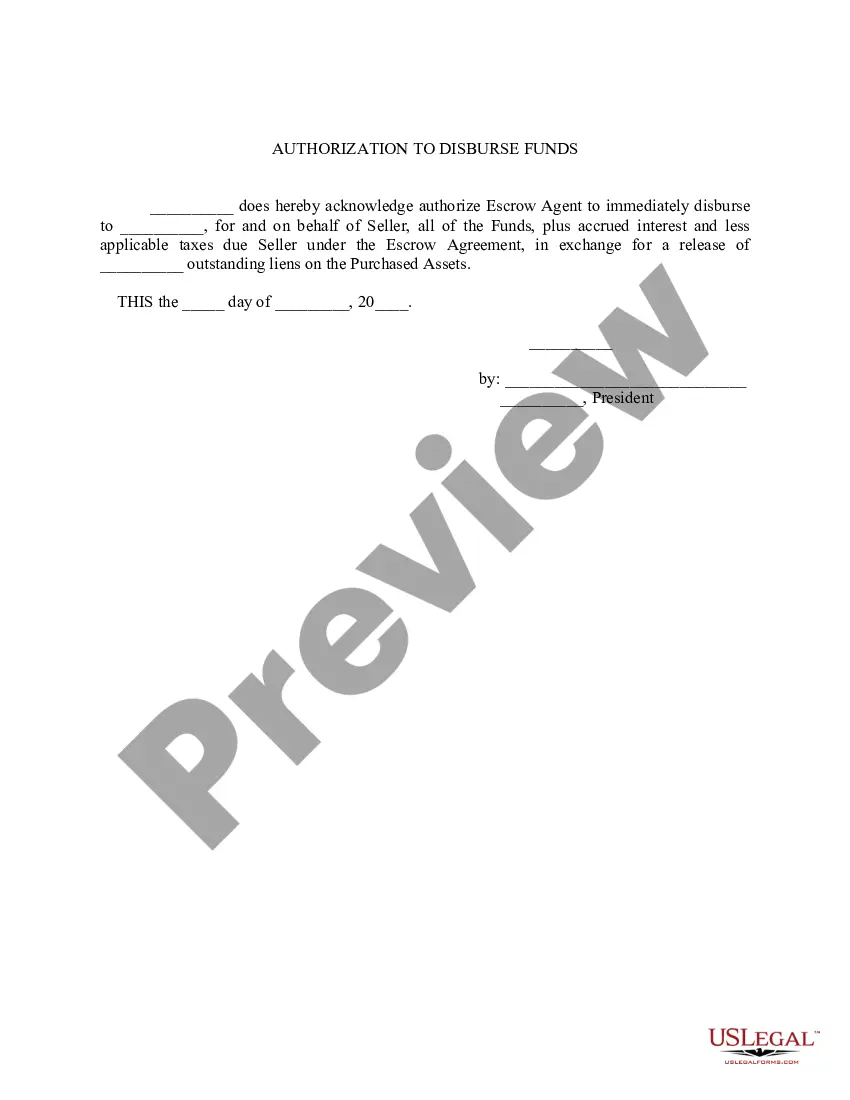
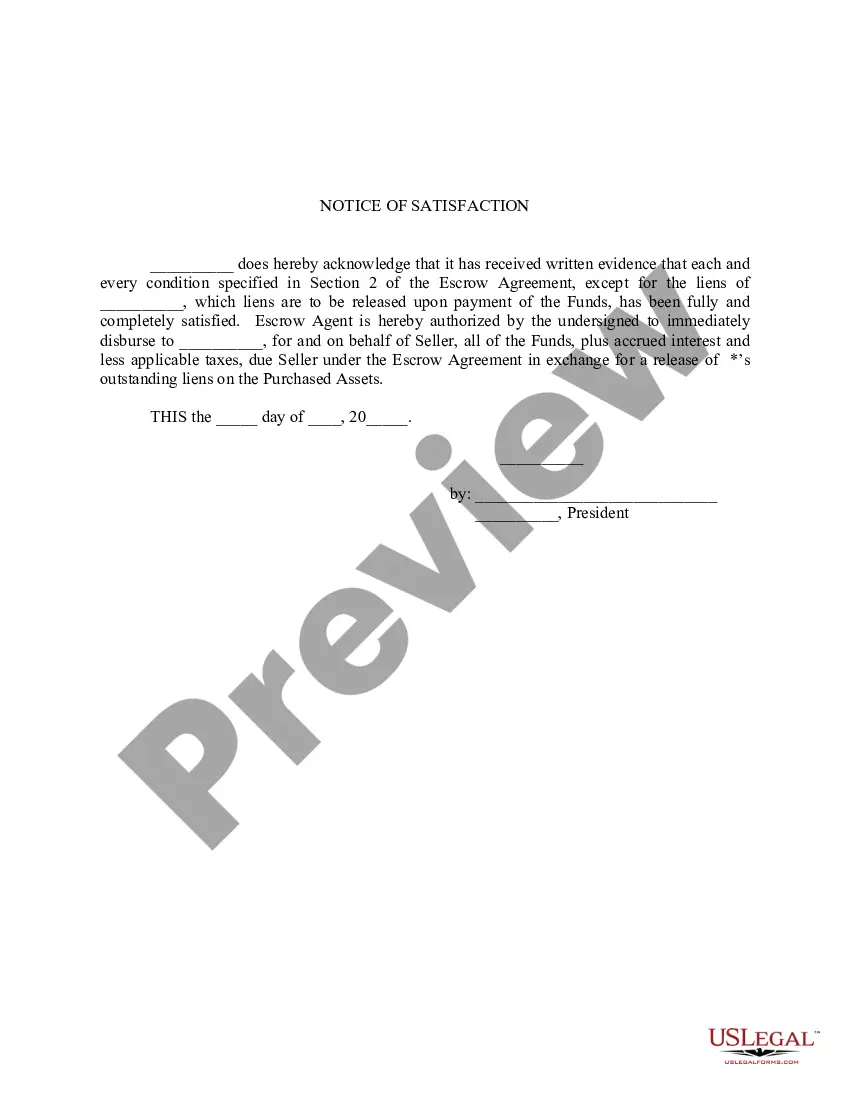
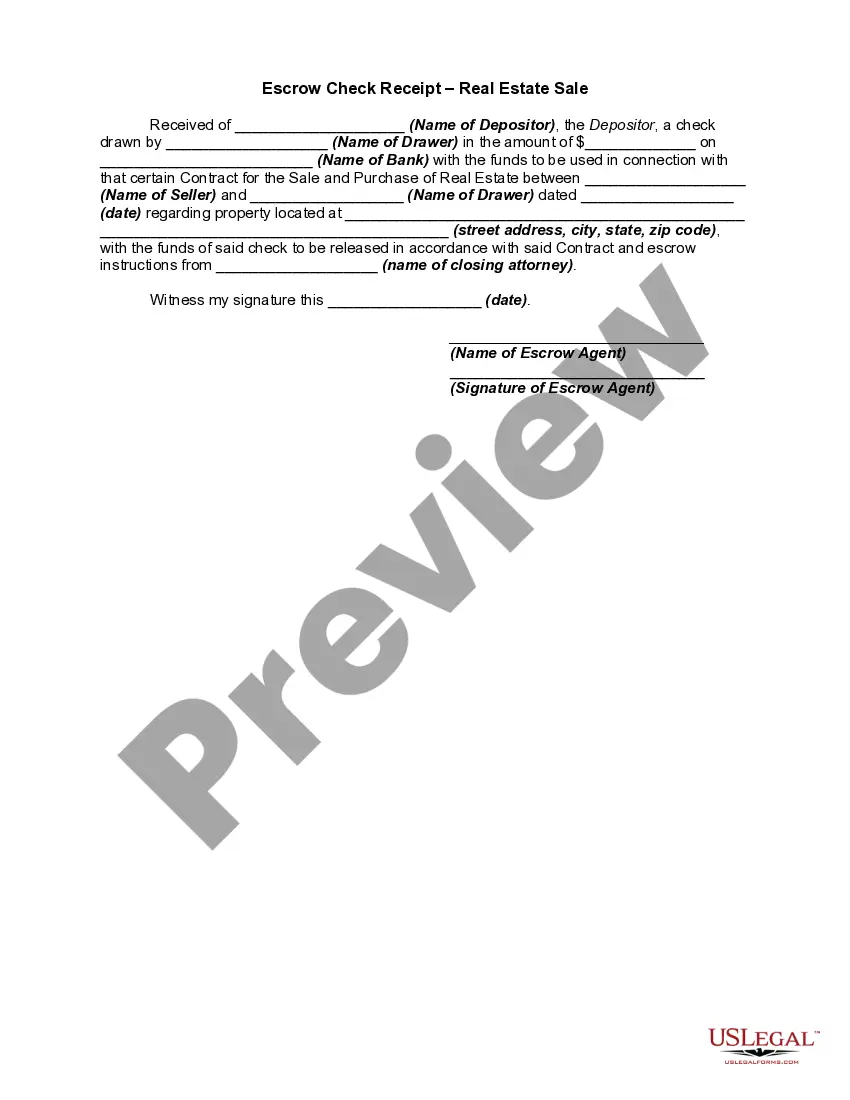
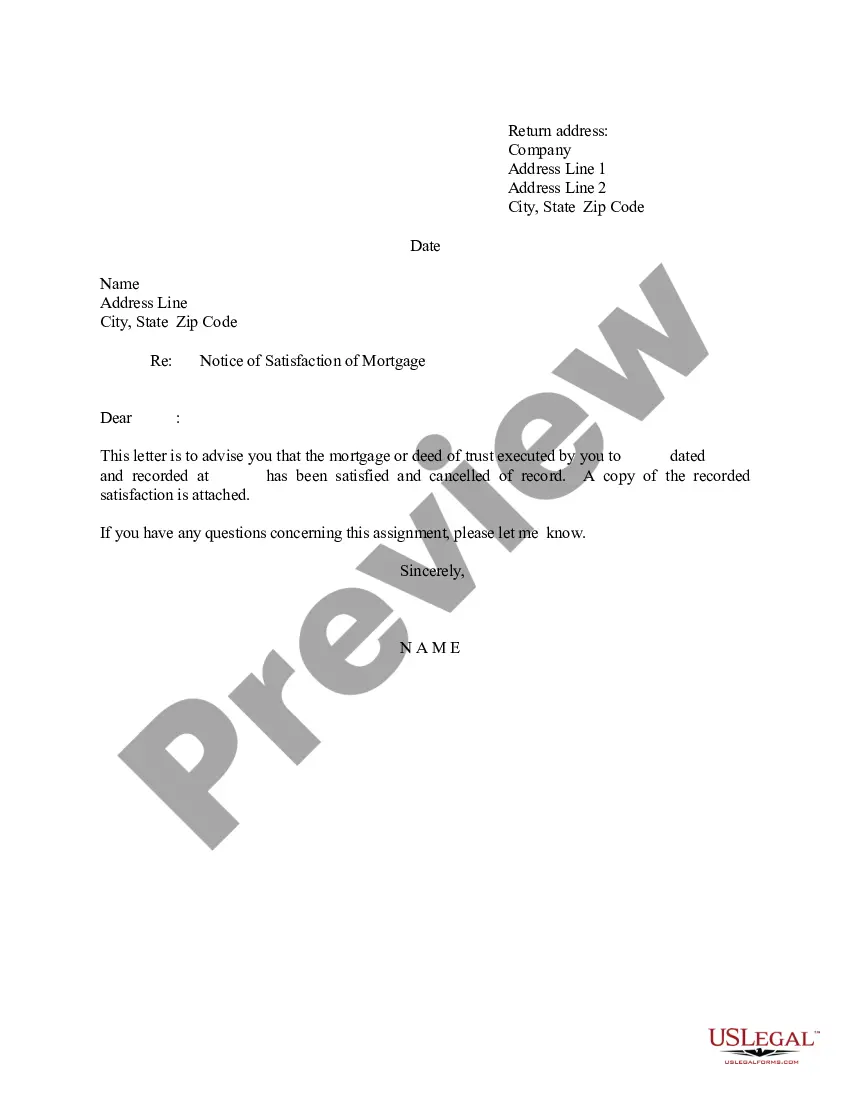
Get your form ready online
Our built-in tools help you complete, sign, share, and store your documents in one place.
Make edits, fill in missing information, and update formatting in US Legal Forms—just like you would in MS Word.
Download a copy, print it, send it by email, or mail it via USPS—whatever works best for your next step.
Sign and collect signatures with our SignNow integration. Send to multiple recipients, set reminders, and more. Go Premium to unlock E-Sign.
If this form requires notarization, complete it online through a secure video call—no need to meet a notary in person or wait for an appointment.
We protect your documents and personal data by following strict security and privacy standards.

Make edits, fill in missing information, and update formatting in US Legal Forms—just like you would in MS Word.

Download a copy, print it, send it by email, or mail it via USPS—whatever works best for your next step.

Sign and collect signatures with our SignNow integration. Send to multiple recipients, set reminders, and more. Go Premium to unlock E-Sign.

If this form requires notarization, complete it online through a secure video call—no need to meet a notary in person or wait for an appointment.

We protect your documents and personal data by following strict security and privacy standards.
Looking for another form?




Form popularity
FAQ
Some people will earn the degree to gain access to entry-level professional positions, while others use it as a stepping stone to a bachelor's degree. Associate degrees are usually 60 credits or around 20 courses. This degree usually takes two years to complete if you're a full-time student.
Average GPA: 3.4 The average GPA at Allegheny College is 3.4. This makes Allegheny College Moderately Competitive for GPAs. (Most schools use a weighted GPA out of 4.0, though some report an unweighted GPA. With a GPA of 3.4, Allegheny College requires you to be around average in your high school class.
You graduate when you finish a the set out requirements for a degree path you've been accepted to. Universities create the degree paths and bachelor's 120-128 credits is generally the agreed upon amount. You can have 150 credits and no degree; it's all about efficiency in choosing classes to satisfy requirements.
At least 128 semester credit hours of coursework must be successfully completed. At least 64 of the 128 credits, including the last sixteen towards graduation, must be Allegheny credits (the “academic residency requirement”). No more than 64 credits may be taken in any one department.
In order to meet the requirements for graduation, students must maintain a cumulative GPA of at least 2.00 and a GPA of at least 2.00 in each major and minor.
Total Minimum Credits A minimum of 120 degree credits must be earned for a baccalaureate degree. The requirements for some programs may exceed 120 credits. Students should consult with their college or department adviser for information on specific credit requirements.
Note: At the discretion of the Calendar Control Judge, "good cause" may include, but is not limited to, the expense of mediation relative to a party's perceived valuation of the case, as well as a party's inability to afford the expense of mediation.
The Pennsylvania Storm Water Management Act (Act 167) requires municipalities to “adopt or amend, and shall implement such ordinances and regulations, including zoning, subdivision and development, building code, and erosion and sedimentation ordinances, as are necessary to regulate development within the Municipality ...
Rule 1301.1 - Discovery in Compulsory Arbitration Proceedings (Except Small Claims) (1) For any personal injury claim filed in Compulsory Arbitration, the plaintiff may serve arbitration discovery requests (see FORM 1301.1A) (see subsection (8)(a) below) either together with the copy of the Complaint served on the ...
"Satisfactory" means that something is adequate, or acceptable. Whereas "satisfying" means that something meets your needs or requirements and has positive associations. So what would be the difference between a "satisfactory" meal and a "satisfying" one?
