Annual Meeting Do For Hoa In Minnesota
Description



Get your form ready online
Our built-in tools help you complete, sign, share, and store your documents in one place.
Make edits, fill in missing information, and update formatting in US Legal Forms—just like you would in MS Word.
Download a copy, print it, send it by email, or mail it via USPS—whatever works best for your next step.
Sign and collect signatures with our SignNow integration. Send to multiple recipients, set reminders, and more. Go Premium to unlock E-Sign.
If this form requires notarization, complete it online through a secure video call—no need to meet a notary in person or wait for an appointment.
We protect your documents and personal data by following strict security and privacy standards.

Make edits, fill in missing information, and update formatting in US Legal Forms—just like you would in MS Word.

Download a copy, print it, send it by email, or mail it via USPS—whatever works best for your next step.

Sign and collect signatures with our SignNow integration. Send to multiple recipients, set reminders, and more. Go Premium to unlock E-Sign.

If this form requires notarization, complete it online through a secure video call—no need to meet a notary in person or wait for an appointment.

We protect your documents and personal data by following strict security and privacy standards.
Looking for another form?






Form popularity
FAQ
The specific structure and frequency of board meetings can vary depending on the organization's bylaws, size, and industry. However, their core purpose remains consistent: to provide effective governance, strategic oversight, and the fulfillment of the organization's mission.
Typically, such organizations conduct yearly meetings at the end of the fiscal year and prepare an annual report for the board of directors. They also set goals for the coming year, approve financial statements, elect directors, and discuss pressing business issues.
An HOA meeting agenda serves as a roadmap for Board discussion and decision-making, outlining topics to be covered and allocating time for each item. A typical HOA meeting agenda may include discussions regarding the financial health of the association, maintenance, capital improvement projects, and community policies.
An annual meeting is a gathering of the shareholders of a company once a year to discuss financial performance, elect directors and approve important corporate decisions. It's often the case that certain things have to be done by law these can include: Elect the board of directors.
The HOA board should approve all meeting minutes. This action typically takes place at the start of the board meeting, when the board approves the minutes of the previous meeting. Include the item in your meeting agenda to ensure you don't forget this important step.
A board meeting is a formal gathering of a company's board of directors to discuss and oversee the organisation's strategic direction, governance, and performance. It is the core activity in corporate governance, from which most other directors' duties originate.
An annual general meeting (AGM) is a yearly gathering between the shareholders of a company and its board of directors. Generally, this is the only time that the directors and shareholders will meet throughout the year, so it is a chance for the directors to present the company's annual report.
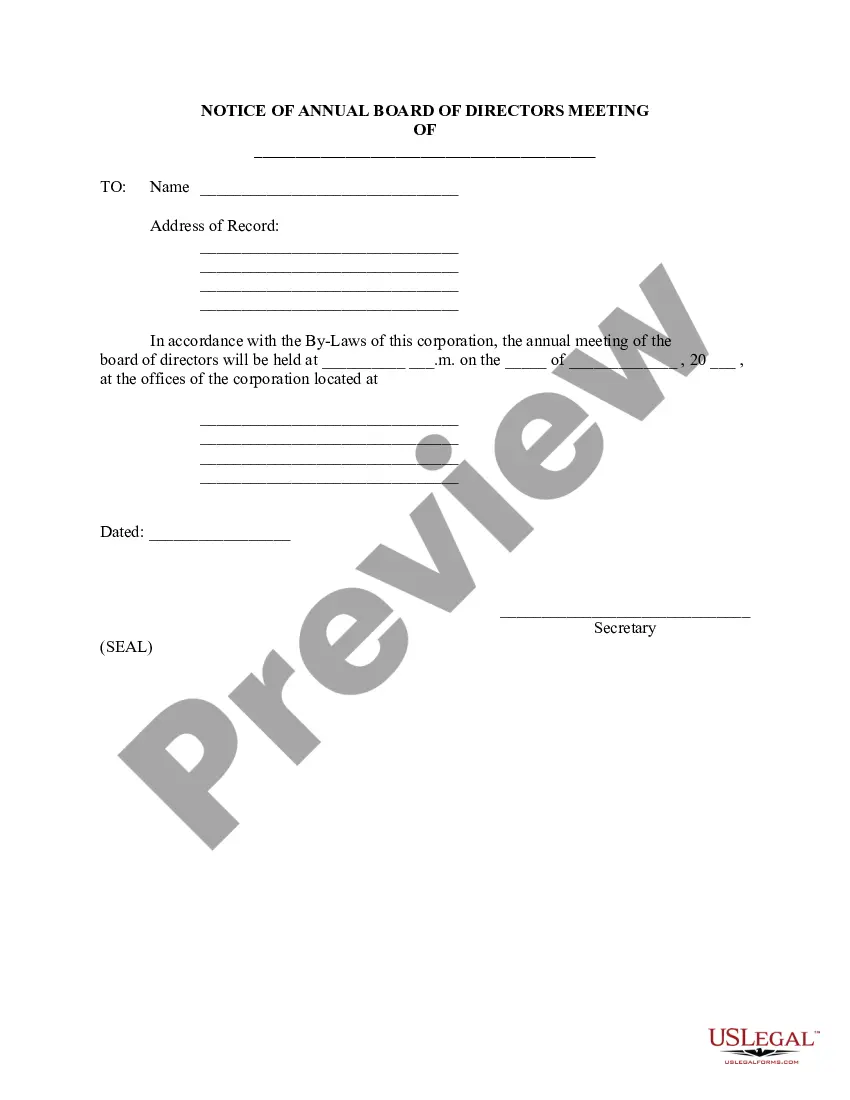
The board talks about notable events that happened the previous year as well as their plans for the upcoming year. They can also announce any special assessments that might come with the new year. If there are changes or issues that need to be voted on, they will be raised during the HOA annual board meeting.
Yes, if the HOA fails to maintain common areas as required by the governing documents, you may have grounds for a lawsuit. Proper maintenance is often a primary duty of the HOA, and failure to uphold this duty can lead to property damage or safety hazards.
HOA Governance Structure in Minnesota The board of directors is usually responsible for managing the HOA's day-to-day affairs, making policy decisions, enforcing rules and regulations, and overseeing financial matters. The board members are elected by homeowners and serve terms outlined in the governing documents.

