Board Meeting In School In Hennepin
Description




Get your form ready online
Our built-in tools help you complete, sign, share, and store your documents in one place.
Make edits, fill in missing information, and update formatting in US Legal Forms—just like you would in MS Word.
Download a copy, print it, send it by email, or mail it via USPS—whatever works best for your next step.
Sign and collect signatures with our SignNow integration. Send to multiple recipients, set reminders, and more. Go Premium to unlock E-Sign.
If this form requires notarization, complete it online through a secure video call—no need to meet a notary in person or wait for an appointment.
We protect your documents and personal data by following strict security and privacy standards.

Make edits, fill in missing information, and update formatting in US Legal Forms—just like you would in MS Word.

Download a copy, print it, send it by email, or mail it via USPS—whatever works best for your next step.

Sign and collect signatures with our SignNow integration. Send to multiple recipients, set reminders, and more. Go Premium to unlock E-Sign.

If this form requires notarization, complete it online through a secure video call—no need to meet a notary in person or wait for an appointment.

We protect your documents and personal data by following strict security and privacy standards.
Looking for another form?








Form popularity
FAQ
Committee meetings are open to the public, except when a committee — in open session and with a majority present — determines that it is in the public interest to have all or part of the meeting closed and states the reason.
School Board Meetings are formal business meetings for the district where items are voted upon by the entire board for approval. Other than Recommended Routine Items, items that appear for a vote on the School Board agenda are usually researched and approved by a committee before being brought before the full board.
Regular School Board meetings are held at the Sandburg Education Center, located at 1902 Second Ave. in Anoka.
Individual board members may visit schools periodically to expand their knowledge of school programs and staff and student needs.
School board meetings must be held in a place that is accessible to constituents, must be open to the public, and notice of meetings must be posted in advance so that the public knows when and where they will be and what the intended agenda is.
Unless the nonprofit is a governmental entity, there is no obligation to open board meetings to the public. (“Governmental entities” would include school boards, state educational organizations, such as a state university, and quasi-governmental groups such as public libraries.)
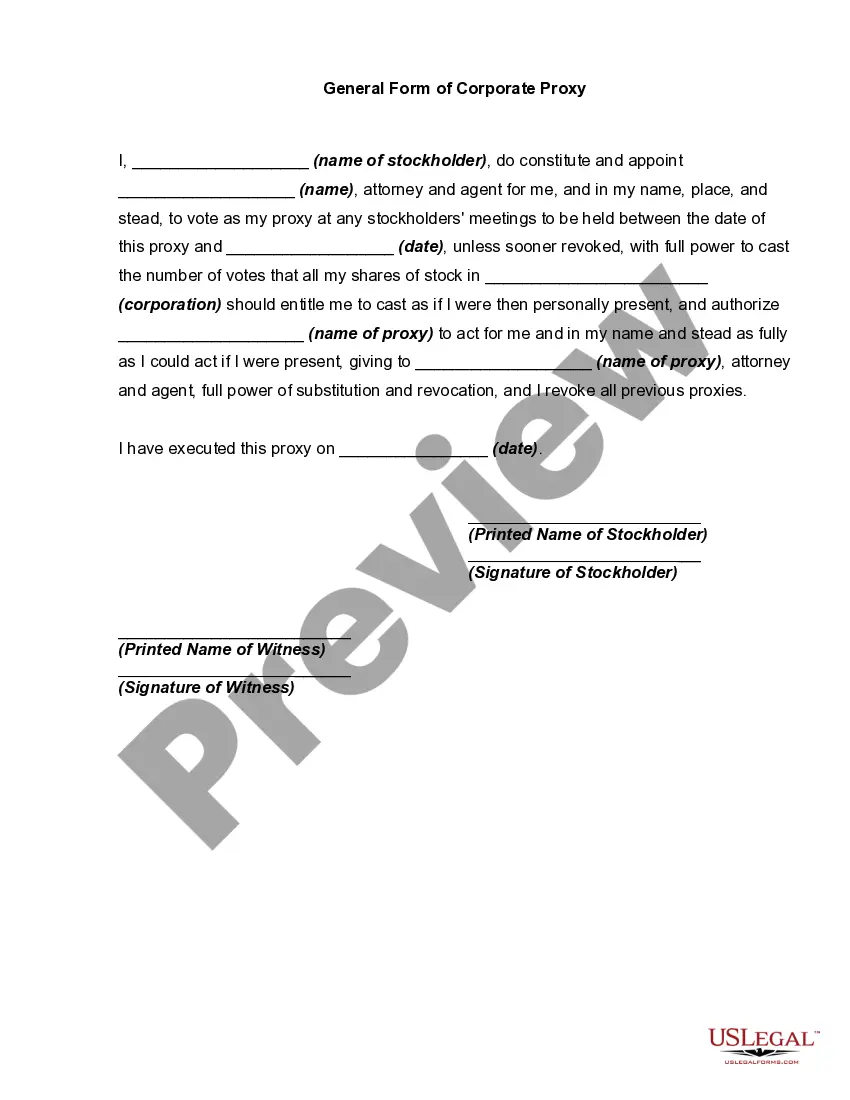
The Directors shall attend Board Meetings in person. If unable to attend, a Director may appoint another Director to attend on his behalf by proxy which specifies the scope of authorization; any appointee shall not act as proxy for more than one Director.
Private entities—schools and other types of privately held corporations—are required to abide by Federal, state, and local laws and their own corporate documents. If those laws and documents require opening Board meetings to parents, then yes, they must; otherwise, no.
Most board meeting agendas follow a classic meeting structure: Calling meeting to order – ensure you have quorum. Approve the agenda and prior board meeting minutes. Executive and committee reports – allow 25% of time here for key topic discussion. Old/new/other business. Close the meeting and adjourn.
A quorum must be present for business to be conducted • All members have equal rights, privileges and obligations • No person should speak until recognized by the chair • Personal remarks or side discussions during debate are out of order • Only one question at a time may be considered, and only one person may have the ...
