Meeting Do Board Within 10 Minutes In Harris
Description
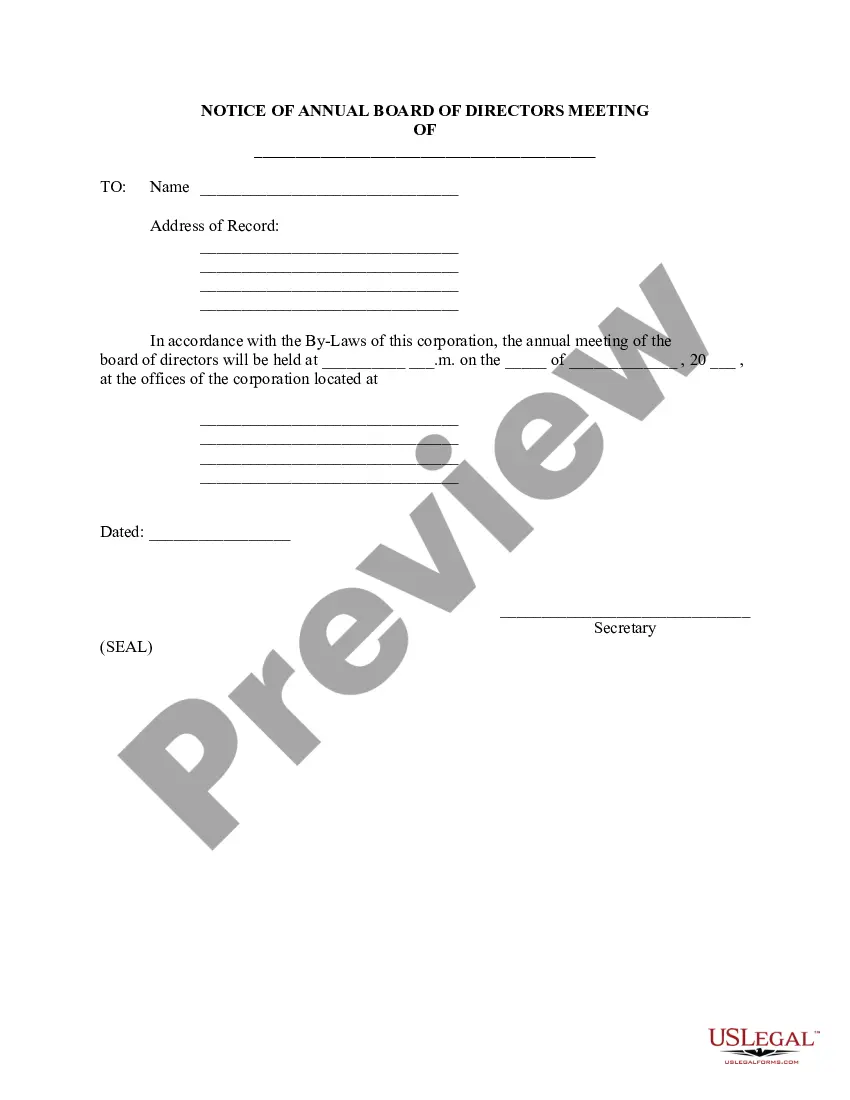


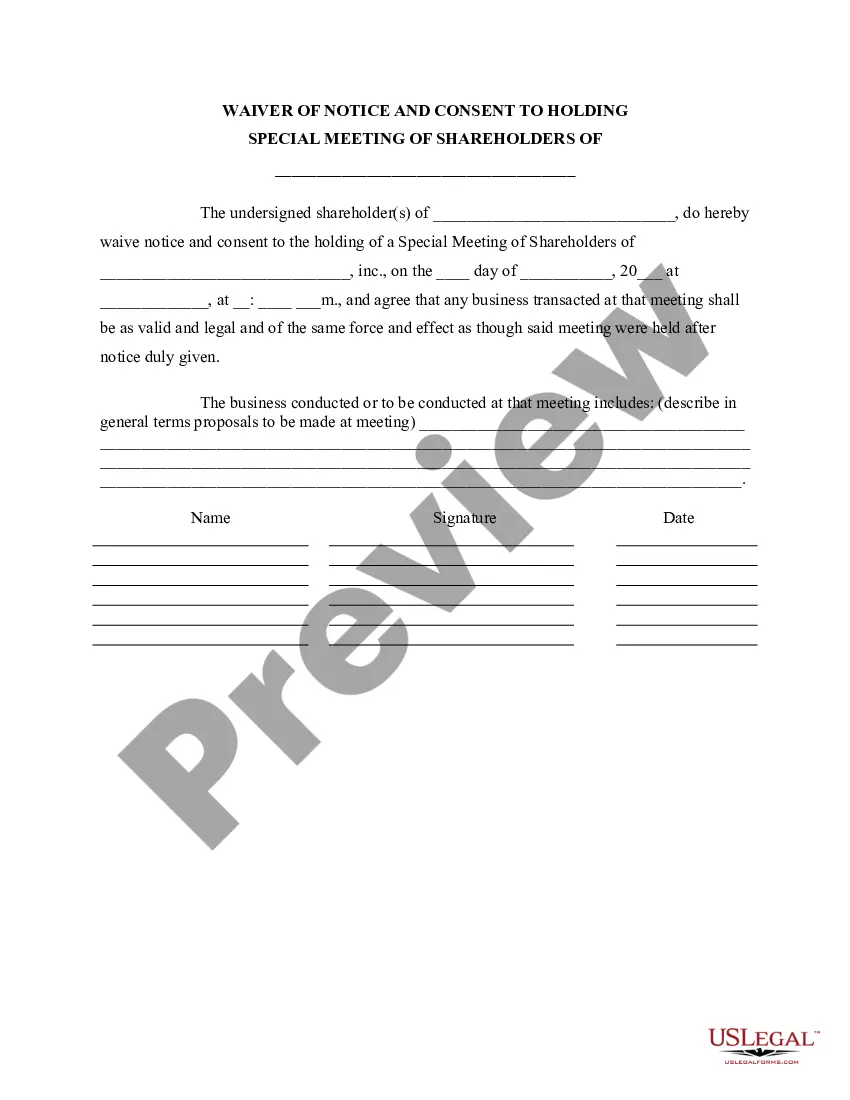
Get your form ready online
Our built-in tools help you complete, sign, share, and store your documents in one place.
Make edits, fill in missing information, and update formatting in US Legal Forms—just like you would in MS Word.
Download a copy, print it, send it by email, or mail it via USPS—whatever works best for your next step.
Sign and collect signatures with our SignNow integration. Send to multiple recipients, set reminders, and more. Go Premium to unlock E-Sign.
If this form requires notarization, complete it online through a secure video call—no need to meet a notary in person or wait for an appointment.
We protect your documents and personal data by following strict security and privacy standards.

Make edits, fill in missing information, and update formatting in US Legal Forms—just like you would in MS Word.

Download a copy, print it, send it by email, or mail it via USPS—whatever works best for your next step.

Sign and collect signatures with our SignNow integration. Send to multiple recipients, set reminders, and more. Go Premium to unlock E-Sign.

If this form requires notarization, complete it online through a secure video call—no need to meet a notary in person or wait for an appointment.

We protect your documents and personal data by following strict security and privacy standards.
Looking for another form?
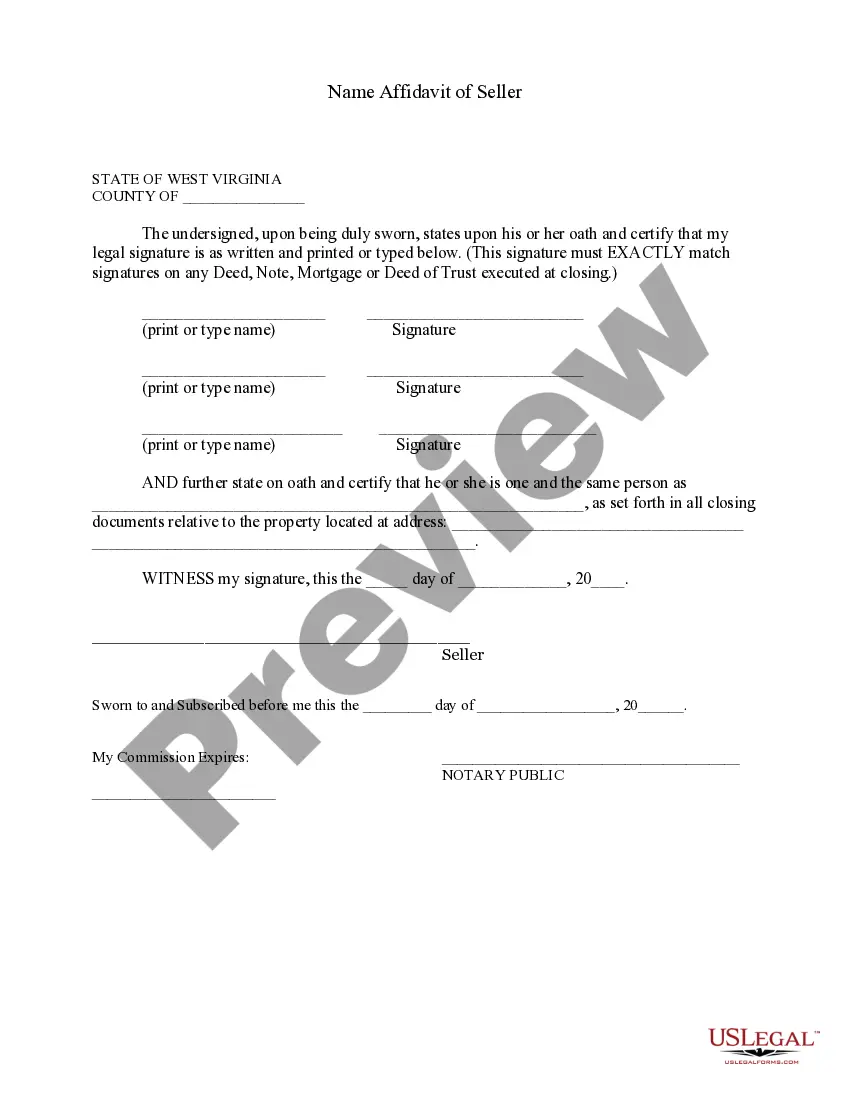


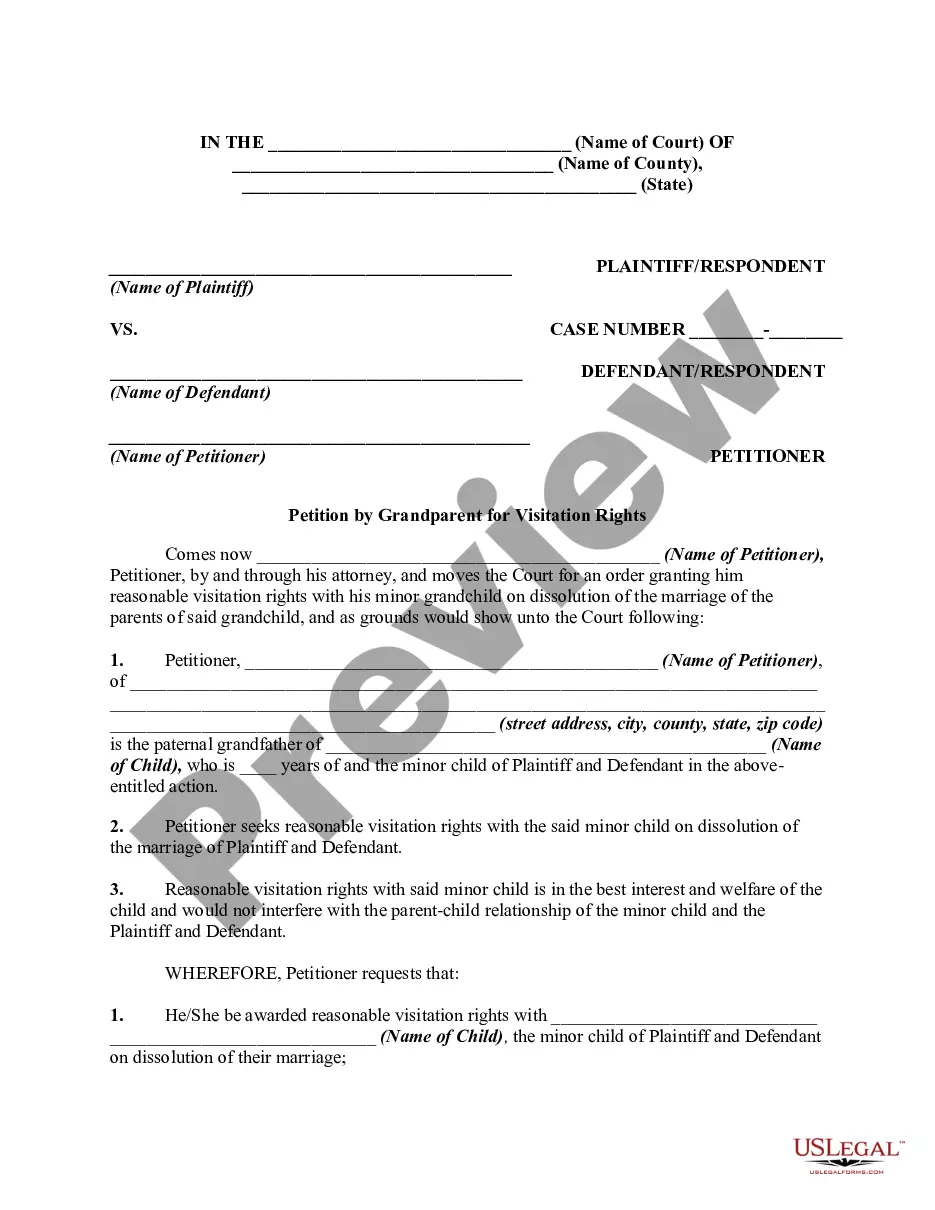



Form popularity
FAQ
Ideally, minutes should be circulated to board members for review and approval within a reasonable timeframe, such as before the next scheduled meeting. Some boards choose to distribute their finalized board meeting minutes via email or hard copy.
To take notes for board meeting minutes, focus on summarizing the most important points. Begin by noting the meeting start time and attendees. As the meeting progresses, document key discussions, decisions, and action items. Avoid writing verbatim; instead, summarize reports and motions.
They are legally required to include these details: Date, time, and location of the meeting. Record of notice of board meeting provision and acknowledgment. Names of attendees and absentees, including guests. Approval of previous meeting minutes.
Board meeting minutes should be distributed as soon as possible after the meeting so board members have sufficient time to review them and make corrections before voting to approve them.
After each meeting, the secretary should work to distribute the minutes to other board members as soon as possible. This is especially important if there are action items to address.
Bowie recommends that the minutes of the previous meeting be distributed electronically, or by mail, as soon after the meeting as possible so that members have plenty of time to review and make corrections if necessary.
Typically, meeting minutes should be distributed within a few days after the meeting. The method by which meeting minutes are shared depends on your company's procedures. Typically, one or more of the following document-sharing methods is used: Sending a physical copy of the meeting minutes in the mail.
They are a legal requirement that provides a historical account of important matters, ensuring transparency and accountability, and provides a means of communication between board members and stakeholders who were not present at the meeting.
For motions, include the exact wording of the statement, and the name of the person making the motion. Some organizations might require the name of the person seconding the motion, as well. Bowie adds that if the motion is not worded properly, it's up to the chair to help the member modify the wording.
Minutes, papers, agendas should be public and meetings should have a portion of the session for confidential matters e.g. financial, HR, crisis management etc., to be discussed in private, either before or after the open session. Confidential matters and papers are still confidential.

