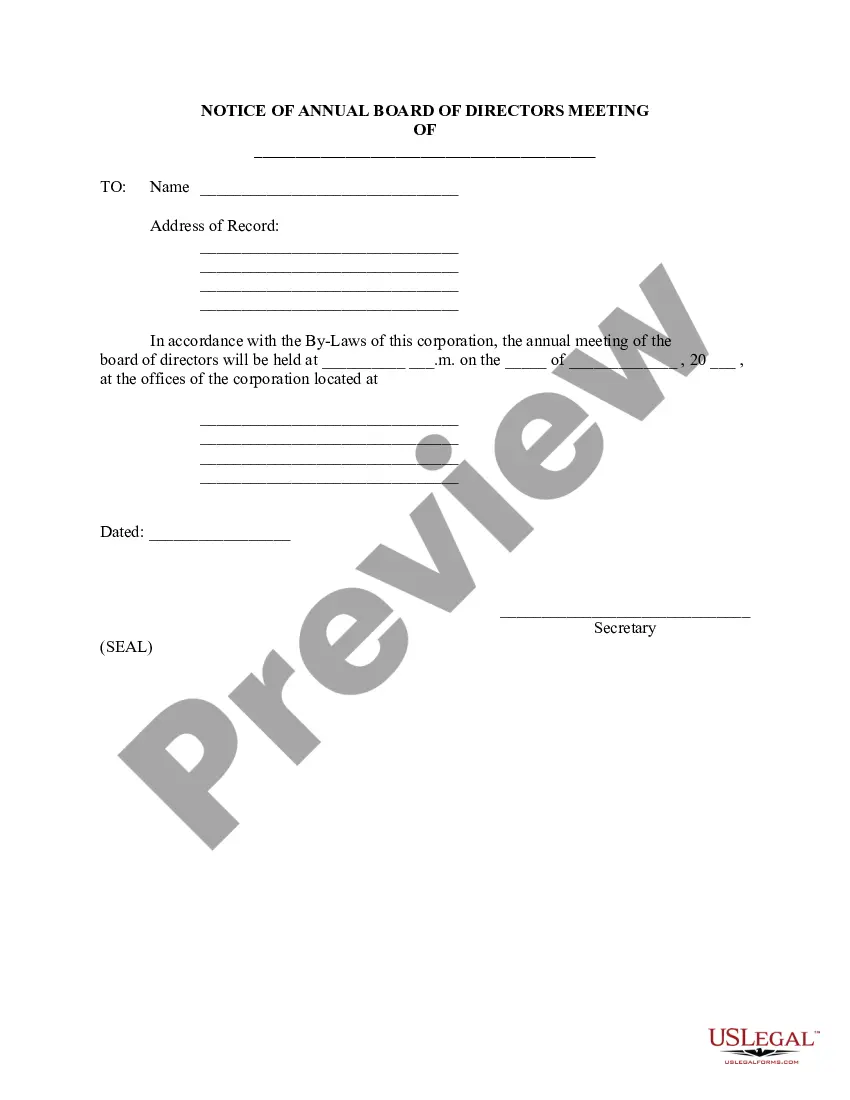
Annual Meeting Do For Hoa In Cuyahoga
Description


Get your form ready online
Our built-in tools help you complete, sign, share, and store your documents in one place.
Make edits, fill in missing information, and update formatting in US Legal Forms—just like you would in MS Word.
Download a copy, print it, send it by email, or mail it via USPS—whatever works best for your next step.
Sign and collect signatures with our SignNow integration. Send to multiple recipients, set reminders, and more. Go Premium to unlock E-Sign.
If this form requires notarization, complete it online through a secure video call—no need to meet a notary in person or wait for an appointment.
We protect your documents and personal data by following strict security and privacy standards.

Make edits, fill in missing information, and update formatting in US Legal Forms—just like you would in MS Word.

Download a copy, print it, send it by email, or mail it via USPS—whatever works best for your next step.

Sign and collect signatures with our SignNow integration. Send to multiple recipients, set reminders, and more. Go Premium to unlock E-Sign.

If this form requires notarization, complete it online through a secure video call—no need to meet a notary in person or wait for an appointment.

We protect your documents and personal data by following strict security and privacy standards.
Looking for another form?




Form popularity
FAQ
Report on specific dialogue or personal opinions of what was said at the meeting. While some HOA Boards may be tempted to record this information in an effort to be transparent, this is a big no-no. This will also help to keep the length of minutes down. Include homeowner forum topics and discussion in the minutes.
Annual general meetings (AGMs) are important for the transparency they provide and the ability to include shareholders, as well as bringing management to accountability.
First, tha Annual Meeting is presumably a meeting of the members. So all members of the HOA get a chance to approve the minutes unless that has been delegated to the board or a committee.
The absence of an HOA board can result in significant risks, including financial mismanagement, where bills go unpaid and dues are uncollected, leading to financial instability. Residents and city officials can also bring about legal actions against the HOA, resulting in expensive court actions.
If an annual meeting is not conducted and/or is unable to take place due to a lack of quorum, the directors then in office generally continue to serve on the board until successors have been formally elected and qualified.
The HOA Annual Meeting is the event when the board members and homeowners of a HOA gather to discuss the most important things that concern the community, as well as the highlights of the previous year. Practically all homeowner associations are incorporated as non-profit corporations and are considered legal entities.
Examples of homeowner association harassment Offensive language, including derogatory comments and personal attacks. Threats of physical, legal, or financial harm. Some residents report that some types of harassment include fines and penalties, as excessive fines may be levied for minor infractions.
HOA Annual Meeting Typically mandated by law, annual meetings occur once a year, and board members, residents, and management representatives should attend. The purpose of an annual meeting is to discuss large-scale issues and educate residents.
Conducting an HOA Meeting Start the meeting on time. Begin with a roll call to ensure all Board members are present. Discuss the items on the agenda in the order they are listed. Encourage all members to participate in the discussion. Stay on topic and avoid discussing items that are not on the agenda.

