Meeting Do Board For Directors In Contra Costa
Description
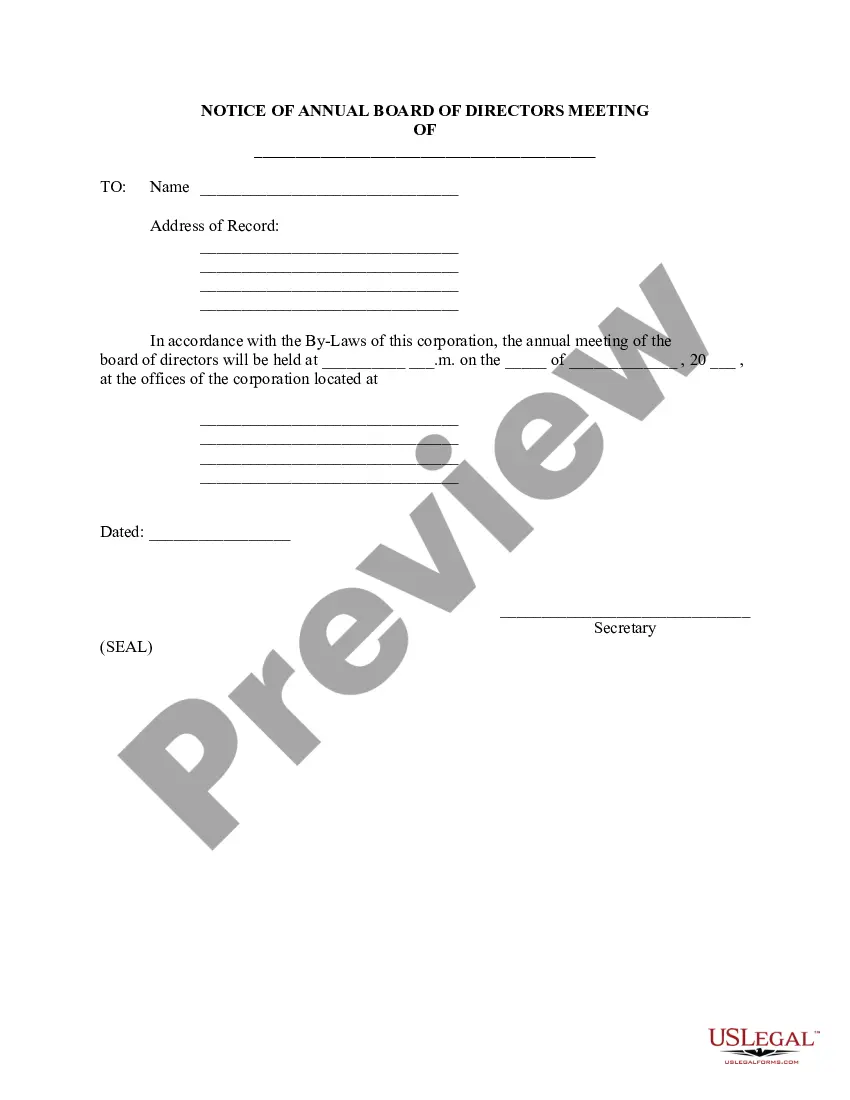



Get your form ready online
Our built-in tools help you complete, sign, share, and store your documents in one place.
Make edits, fill in missing information, and update formatting in US Legal Forms—just like you would in MS Word.
Download a copy, print it, send it by email, or mail it via USPS—whatever works best for your next step.
Sign and collect signatures with our SignNow integration. Send to multiple recipients, set reminders, and more. Go Premium to unlock E-Sign.
If this form requires notarization, complete it online through a secure video call—no need to meet a notary in person or wait for an appointment.
We protect your documents and personal data by following strict security and privacy standards.

Make edits, fill in missing information, and update formatting in US Legal Forms—just like you would in MS Word.

Download a copy, print it, send it by email, or mail it via USPS—whatever works best for your next step.

Sign and collect signatures with our SignNow integration. Send to multiple recipients, set reminders, and more. Go Premium to unlock E-Sign.

If this form requires notarization, complete it online through a secure video call—no need to meet a notary in person or wait for an appointment.

We protect your documents and personal data by following strict security and privacy standards.
Looking for another form?



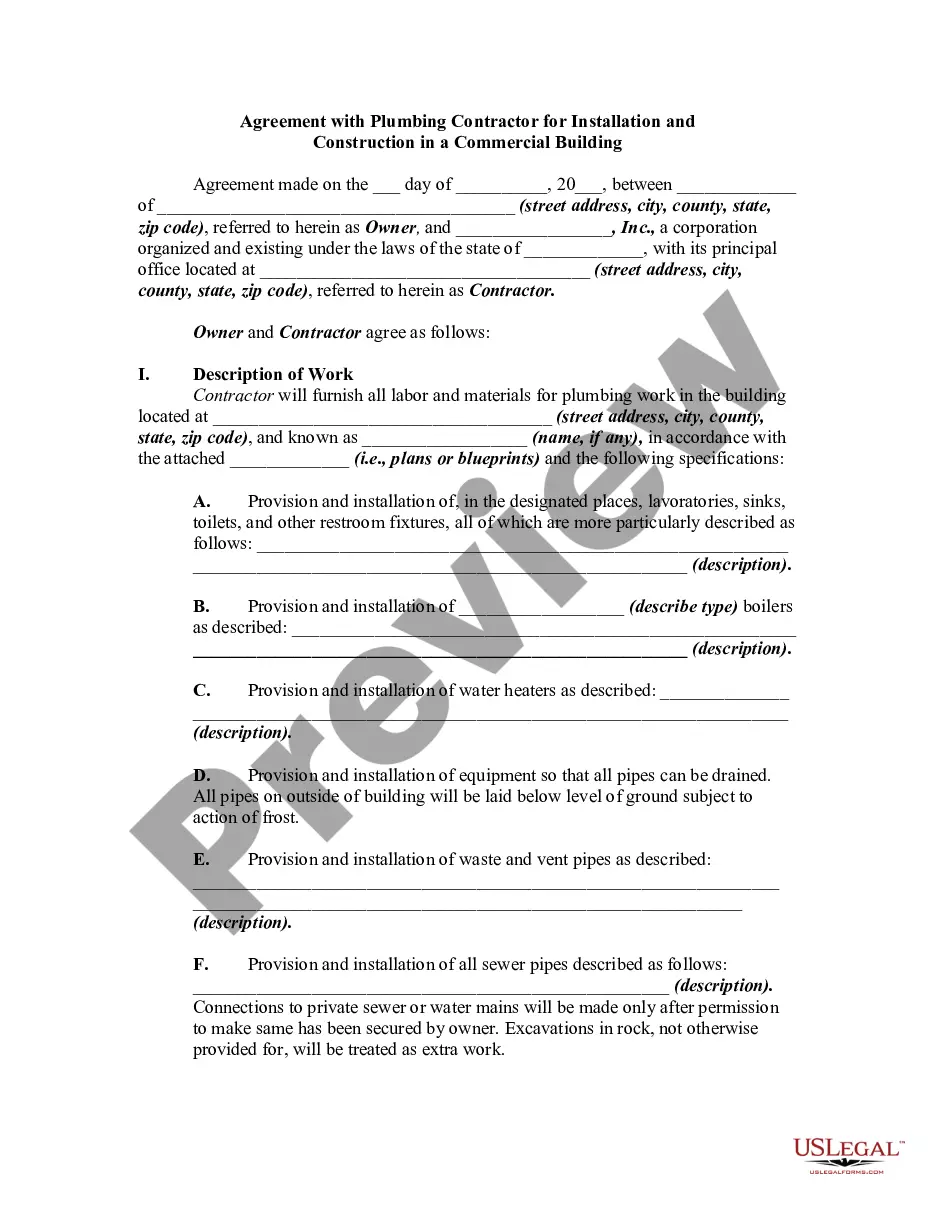



Form popularity
FAQ
The Board of Supervisors holds regular meetings at the County Administration Building, 1025 Escobar Street, Martinez. Meetings are held on Tuesdays beginning at a.m., however they do not occur on every Tuesday. Please check the calendar on the County homepage to see the dates of upcoming meetings.
Most board meeting agendas follow a classic meeting structure: Calling meeting to order – ensure you have quorum. Approve the agenda and prior board meeting minutes. Executive and committee reports – allow 25% of time here for key topic discussion. Old/new/other business. Close the meeting and adjourn.
(i) There is no statutory requirement to have any specific minimum number of Board meetings per year, although Directors will need to be satisfied that they are meeting sufficiently regularly to fulfil their duties under the Act. (ii) Directors have a duty to attend meetings where they are reasonably able to do so.
Confidentiality is included in the board's fiduciary responsibilities, which is the legal or ethical obligation to act in the best interest of another party. Maintaining confidentiality includes any personal or sensitive information they acquire during their service to the board.
Board meetings must provide an opportunity for the public to address the board on items of public interest within the board's jurisdiction. (Government Code section 54954.3.)
In short, yes. Non Board members can attend meetings. There are a number of reasons you might want to have this policy. Perhaps you need to invite senior staff members of your organisation.
Instead, board minutes, or portions of board minutes, can be privileged under US law when they capture legal advice rendered either by in-house lawyers or external lawyers or discussions of ongoing litigation. Board participants should be aware of the potential for a waiver of the privilege.
Unless the nonprofit is a governmental entity, there is no obligation to open board meetings to the public. (“Governmental entities” would include school boards, state educational organizations, such as a state university, and quasi-governmental groups such as public libraries.)
Who attends board meetings? Main members of the C-Suite like the CEO, founders and COO. Investors. Non-executive directors with industry knowledge and experience. Observers can also attend the meeting — people with experience in your industry or sector who take part in the discussions but can't vote.

