Board Meeting For Directors In Clark
Description
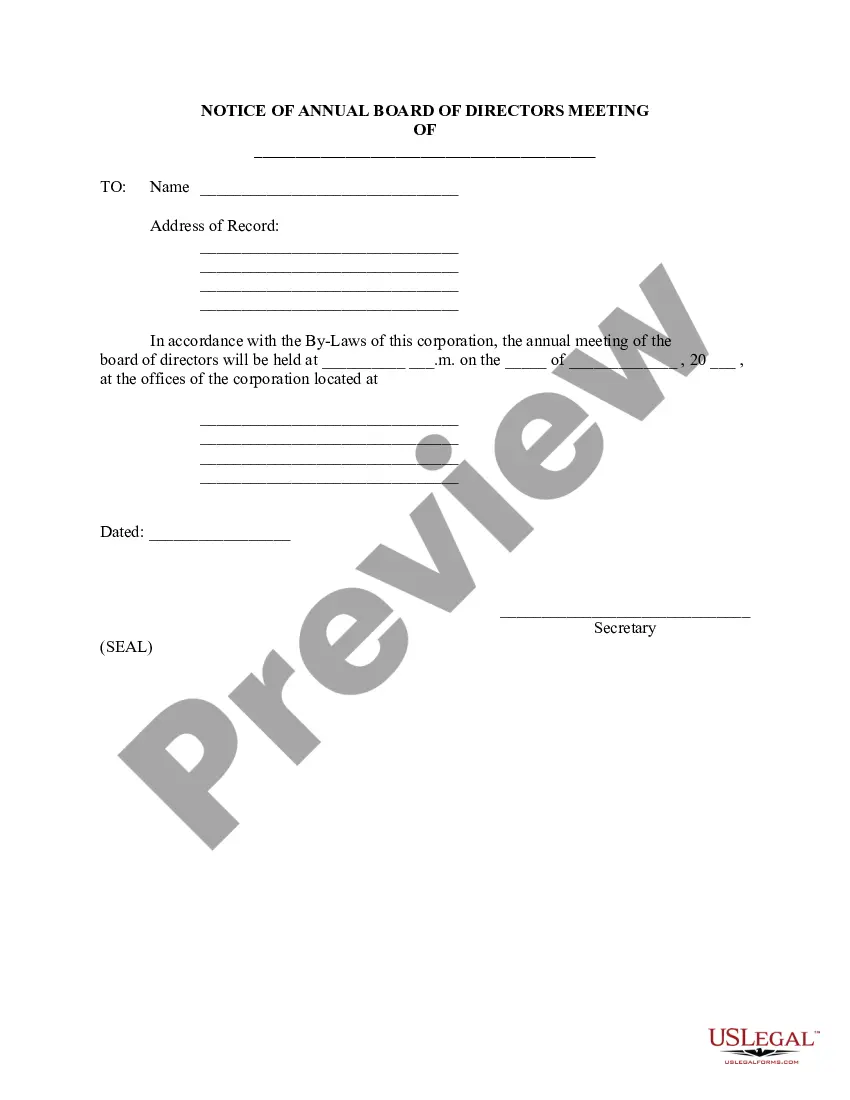



Get your form ready online
Our built-in tools help you complete, sign, share, and store your documents in one place.
Make edits, fill in missing information, and update formatting in US Legal Forms—just like you would in MS Word.
Download a copy, print it, send it by email, or mail it via USPS—whatever works best for your next step.
Sign and collect signatures with our SignNow integration. Send to multiple recipients, set reminders, and more. Go Premium to unlock E-Sign.
If this form requires notarization, complete it online through a secure video call—no need to meet a notary in person or wait for an appointment.
We protect your documents and personal data by following strict security and privacy standards.

Make edits, fill in missing information, and update formatting in US Legal Forms—just like you would in MS Word.

Download a copy, print it, send it by email, or mail it via USPS—whatever works best for your next step.

Sign and collect signatures with our SignNow integration. Send to multiple recipients, set reminders, and more. Go Premium to unlock E-Sign.

If this form requires notarization, complete it online through a secure video call—no need to meet a notary in person or wait for an appointment.

We protect your documents and personal data by following strict security and privacy standards.
Looking for another form?
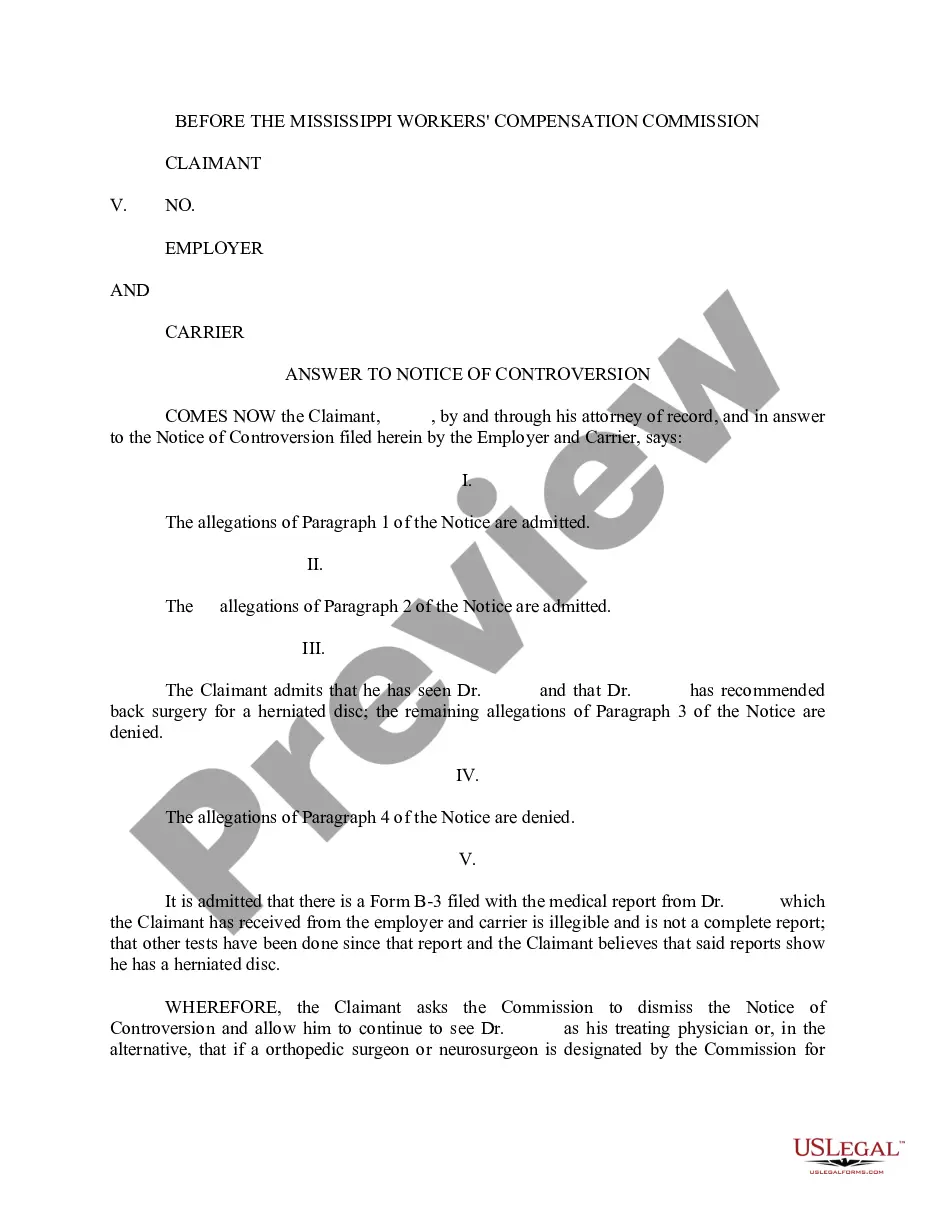




Form popularity
FAQ
Unless the directors determine otherwise, the quorum for a directors' meeting is 2 directors and the quorum must be present at all times during the meeting.
A Board of Directors meeting is a formal gathering of the board members of a company or organization. These meetings are essential for the governance and strategic direction of the entity. Typically, board meetings are held regularly, with the frequency determined by the organization's bylaws or legal requirements.
(i) There is no statutory requirement to have any specific minimum number of Board meetings per year, although Directors will need to be satisfied that they are meeting sufficiently regularly to fulfil their duties under the Act. (ii) Directors have a duty to attend meetings where they are reasonably able to do so.
Directors have a nondelegable duty to attend board meetings. Missing an occasional meeting is not a problem, but habitually missing meetings or refusing to attend is a breach of their fiduciary duties.
In such cases, the vacation of the director's office may not be enforceable. In conclusion, it is important for directors to attend Board meetings, as failure to attend all meetings for 12 months will result in the automatic vacating of their office.
If the director of the company remains absent in all the Board meetings held within 12 months with or without seeking a leave of absence he needs to vacate the office of director. Such 12 months is not a calendar or accounting or a financial or previous year or any other year.
Most board meeting agendas follow a classic meeting structure: Calling meeting to order – ensure you have quorum. Approve the agenda and prior board meeting minutes. Executive and committee reports – allow 25% of time here for key topic discussion. Old/new/other business. Close the meeting and adjourn.
For a smaller board, the process often involves being interviewed, whereas larger organizations tend to have a more formalized review before nominating someone for a seat. In publicly traded companies, board members are approved by shareholders at the recommendation of management.
How to gain an appointment to a board of directors Select the type of board to serve. Search for openings. Select the right company. Familiarize yourself with the directors. Conduct in-depth research on the board and company. Network at special events. Request an appointment. Craft a high-quality resume or CV for an interview.
How to Become a Board Member Build Relevant Experience. Develop a Strong Professional Network. Develop a Value Proposition. Identify Open Positions. Participate in the Selection Process.

