Confirmation Letter Example With Signature In Wake
Description
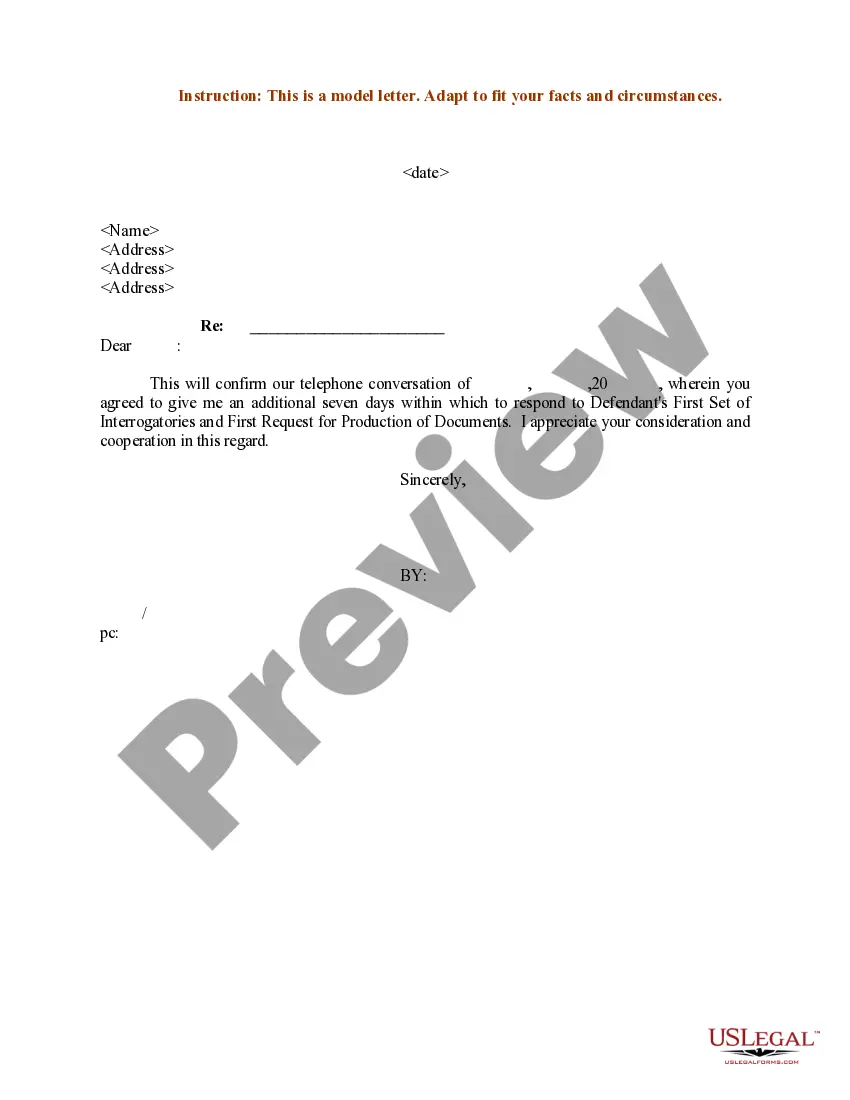
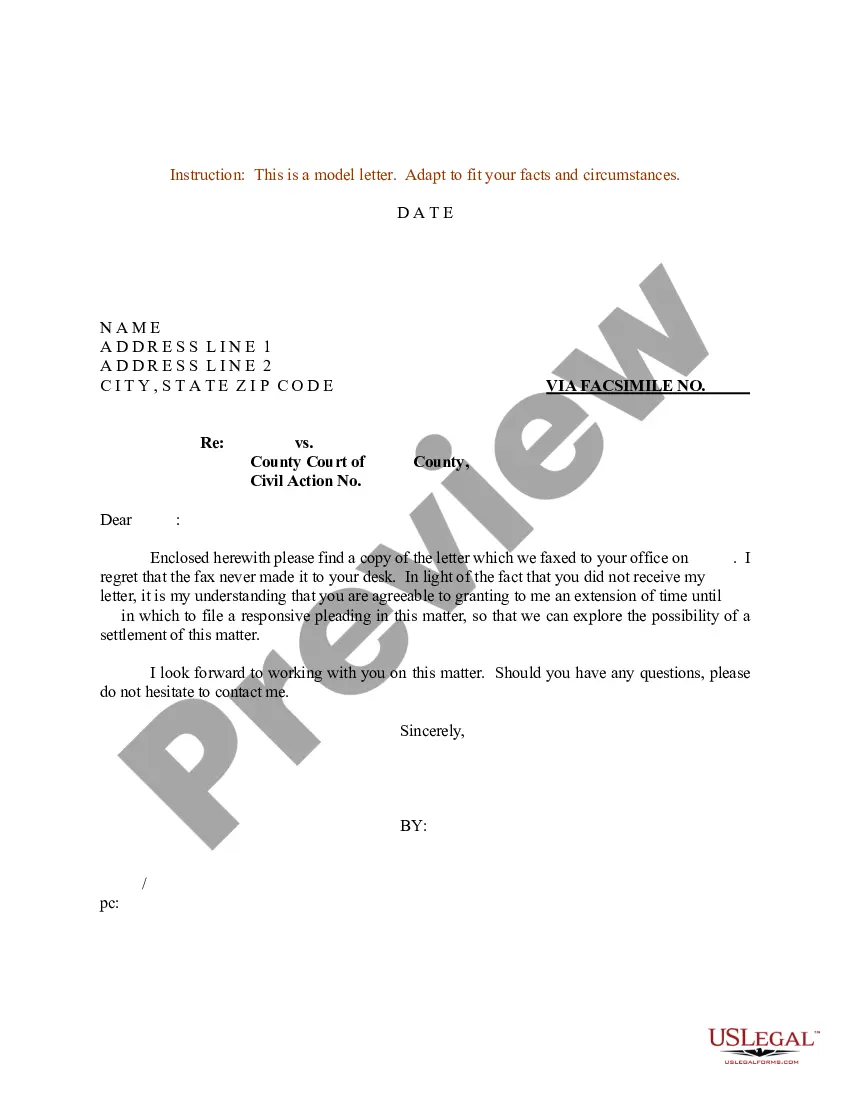
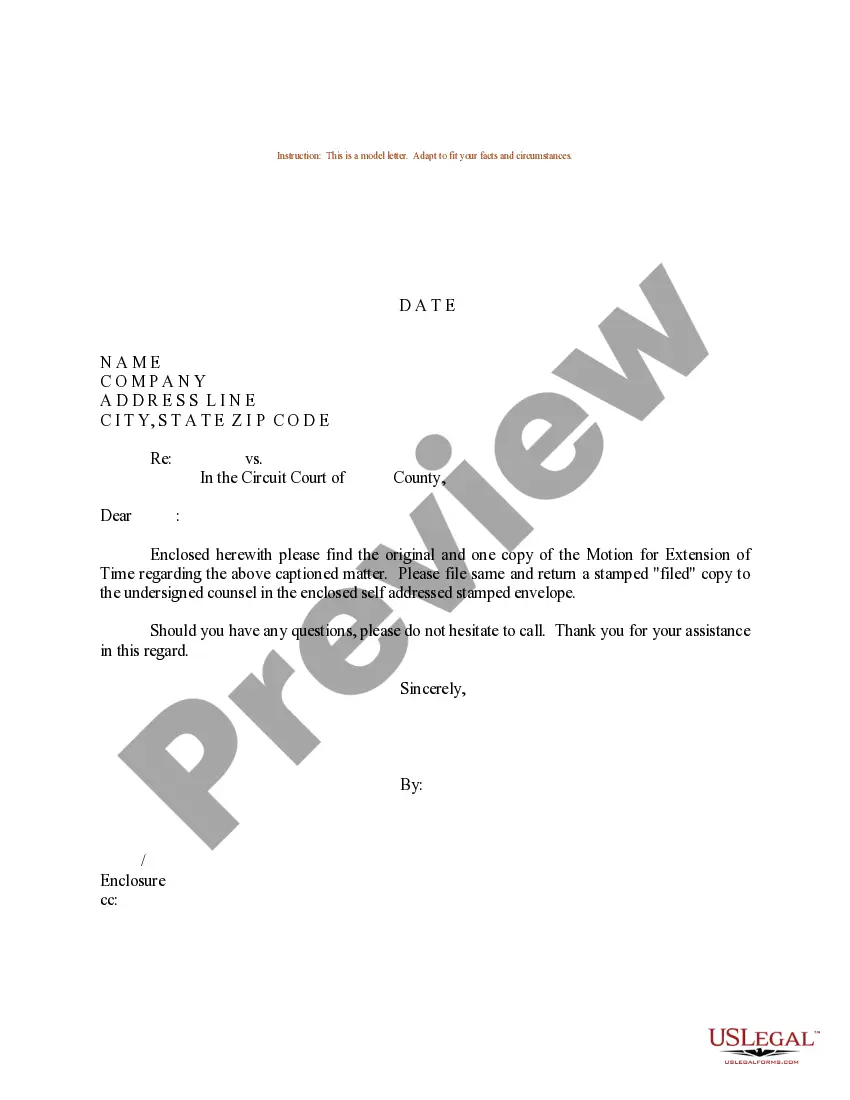
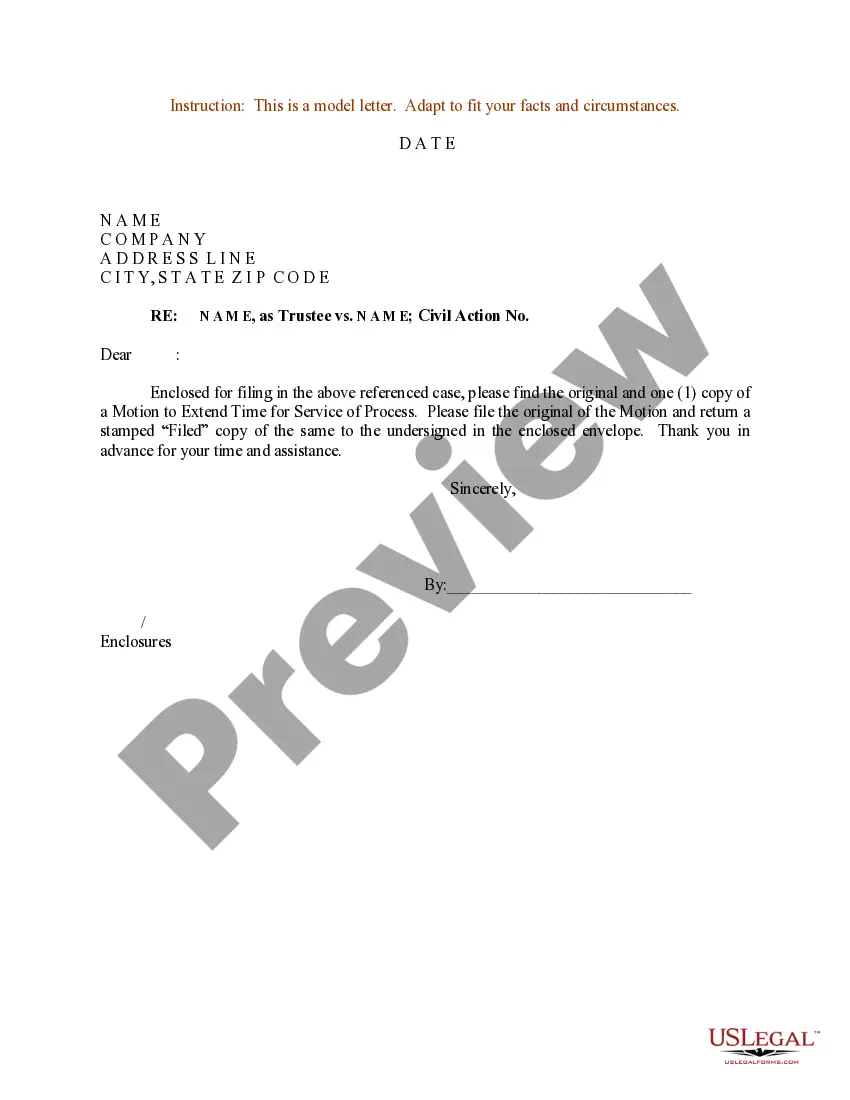
Get your form ready online
Our built-in tools help you complete, sign, share, and store your documents in one place.
Make edits, fill in missing information, and update formatting in US Legal Forms—just like you would in MS Word.
Download a copy, print it, send it by email, or mail it via USPS—whatever works best for your next step.
Sign and collect signatures with our SignNow integration. Send to multiple recipients, set reminders, and more. Go Premium to unlock E-Sign.
If this form requires notarization, complete it online through a secure video call—no need to meet a notary in person or wait for an appointment.
We protect your documents and personal data by following strict security and privacy standards.

Make edits, fill in missing information, and update formatting in US Legal Forms—just like you would in MS Word.

Download a copy, print it, send it by email, or mail it via USPS—whatever works best for your next step.

Sign and collect signatures with our SignNow integration. Send to multiple recipients, set reminders, and more. Go Premium to unlock E-Sign.

If this form requires notarization, complete it online through a secure video call—no need to meet a notary in person or wait for an appointment.

We protect your documents and personal data by following strict security and privacy standards.
Looking for another form?







Form popularity
FAQ
If you need to write a confirmation letter, here are five helpful steps you can use to write your own: Include a letter header. Start with an explanation. Add detailed information. Highlight attachments. End with a supportive statement.
Bishop: Dips his right thumb in the Chrism and makes the sign of the cross on the forehead of the one to be confirmed, as he says: “(Name), be sealed with the gift of the Holy Spirit.” Newly confirmed: Amen. Bishop: Peace be with you. Newly confirmed: And with your spirit.
Confirmation letters include the following components: Recipient Information: The name and contact information of the recipient. Sender Information: The name and contact information of the sender. Date: The date on which the letter is sent. Subject: A brief subject line indicating the purpose of the letter.
I am writing you today to request to receive the Sacrament of Confirmation. I want to be confirmed because I want to deepen my relationship with Jesus. I know that when I receive the gifts of the Holy Spirit, I will be more fully equipped to face the challenges that I will have in the future.
I want to receive the Holy Sacrament of Confirmation because I feel I have reached a point in my life where I need to be closer to God. Through my being confirmed, I will strengthen my relationship with Our Lord, Jesus Christ. I have prepared for this holy act by attending catechism classes since first grade.
Writing Effective Confirmation Letters Be Clear and Concise: Clearly and concisely outline the details and terms being confirmed. Use Formal Language: Use formal and professional language in the letter. Include Relevant Information: Include all relevant information, such as dates, times, locations, and terms.
How to write an effective letter of confirmation Name and address of the receiving party. Date of the letter being sent. Salutations to address the receiving party. A subject line to obtain the reader's attention. A body paragraph that shows the reason for the letter. A second paragraph with any other pertinent details.
structured confirmation letter should contain a header with contact details, an explanation of your decision, relevant information about the confirmation, details about attached documents, a supportive statement, and should be thoroughly proofread.
I am writing you today to request to receive the Sacrament of Confirmation. I want to be confirmed because I want to deepen my relationship with Jesus. I know that when I receive the gifts of the Holy Spirit, I will be more fully equipped to face the challenges that I will have in the future.

