Pleading For Insanity In Utah
Description
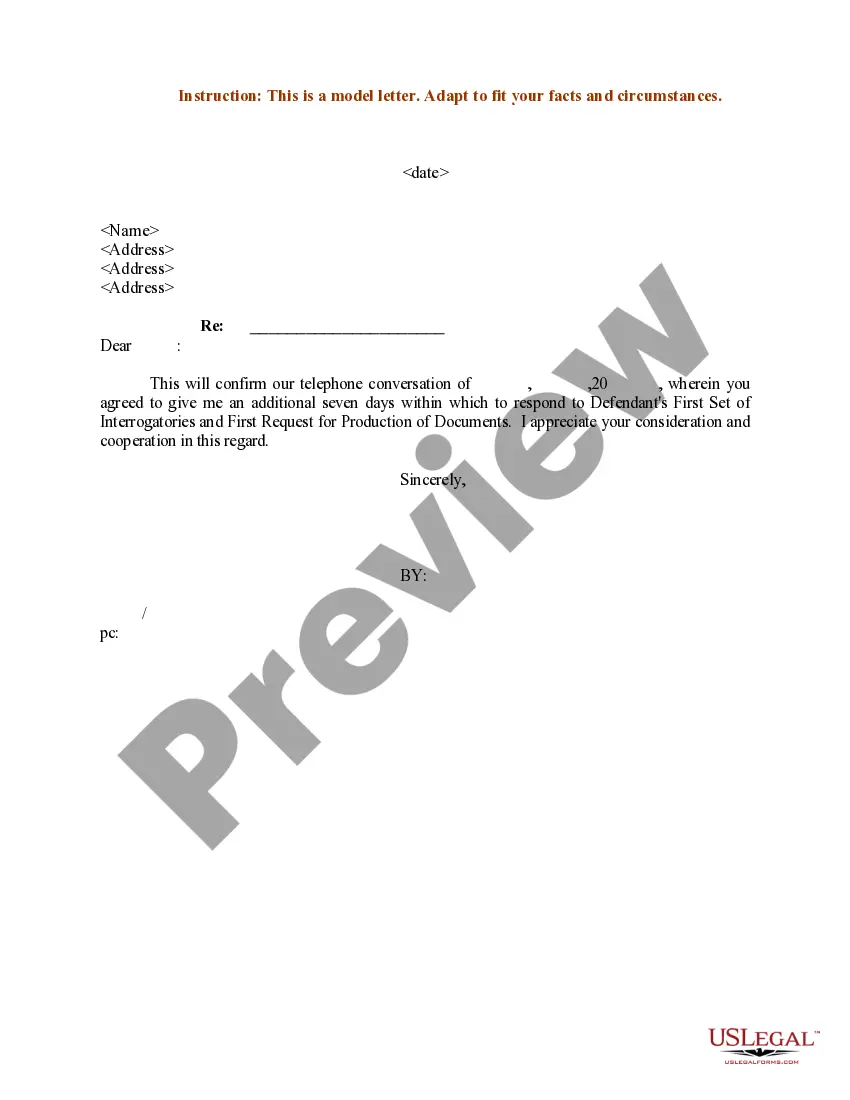
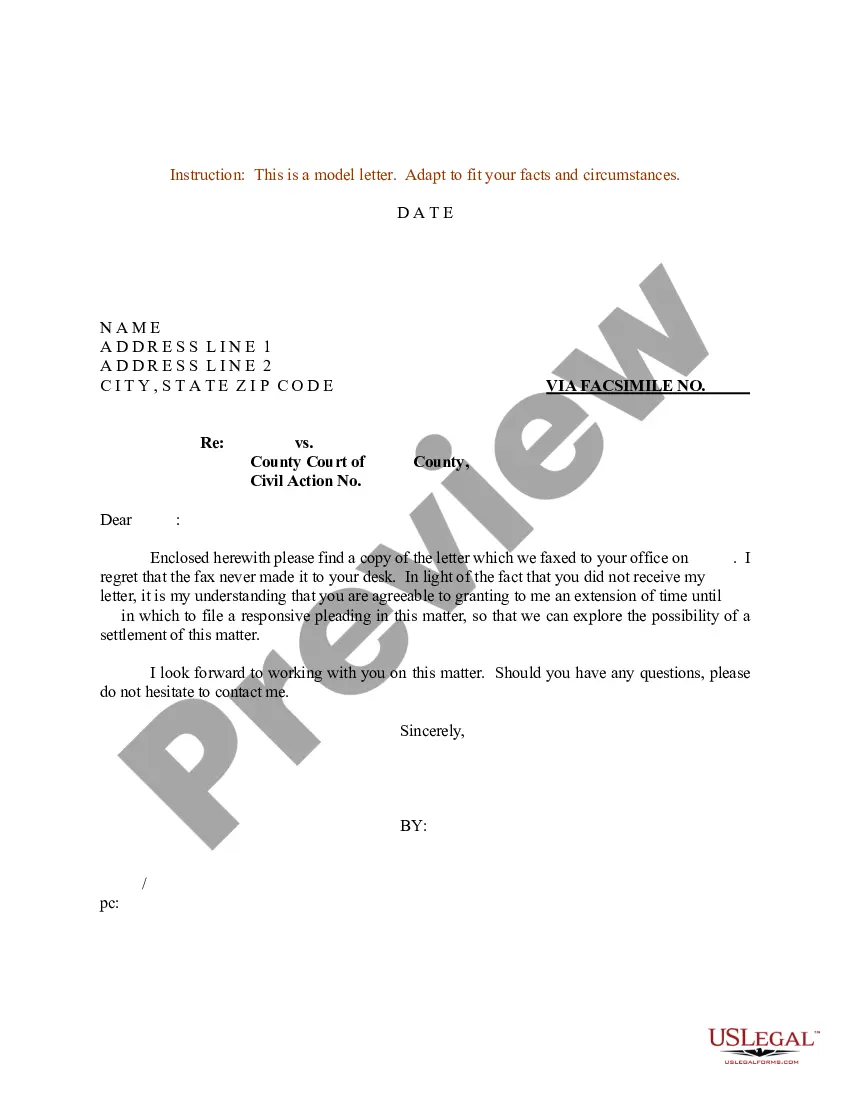
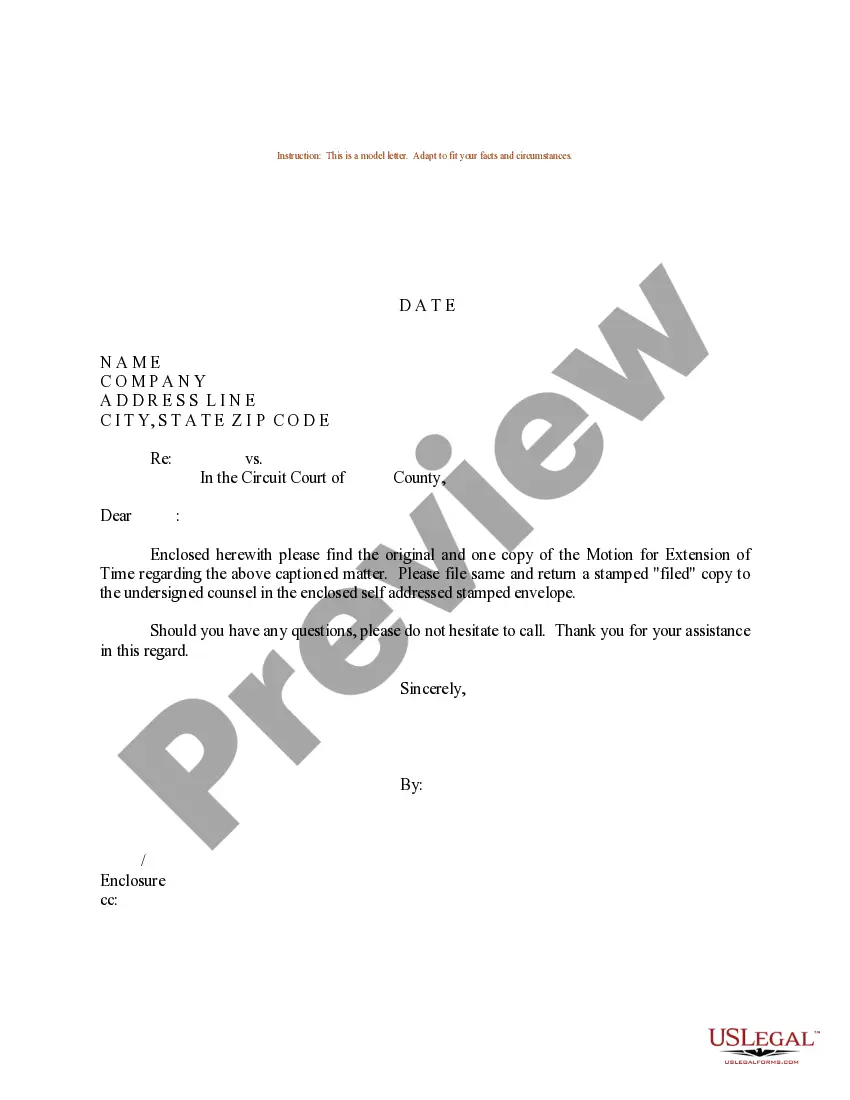
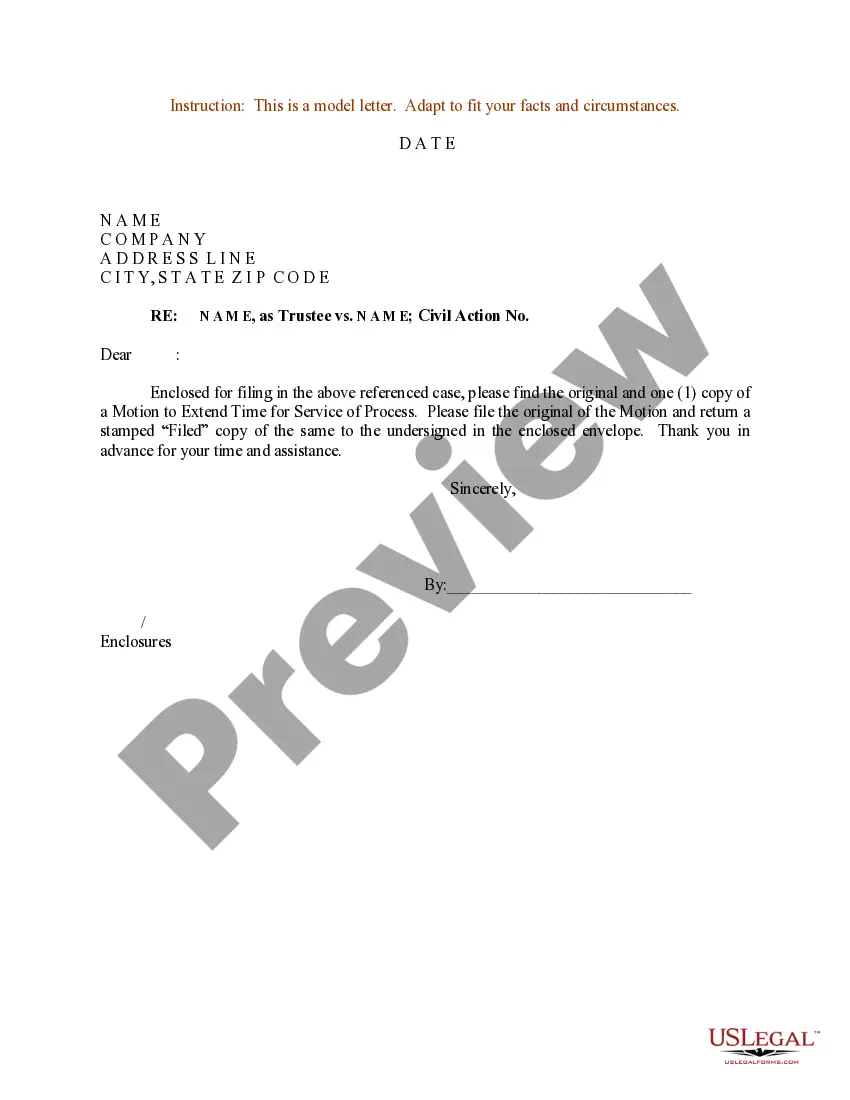
Get your form ready online
Our built-in tools help you complete, sign, share, and store your documents in one place.
Make edits, fill in missing information, and update formatting in US Legal Forms—just like you would in MS Word.
Download a copy, print it, send it by email, or mail it via USPS—whatever works best for your next step.
Sign and collect signatures with our SignNow integration. Send to multiple recipients, set reminders, and more. Go Premium to unlock E-Sign.
If this form requires notarization, complete it online through a secure video call—no need to meet a notary in person or wait for an appointment.
We protect your documents and personal data by following strict security and privacy standards.

Make edits, fill in missing information, and update formatting in US Legal Forms—just like you would in MS Word.

Download a copy, print it, send it by email, or mail it via USPS—whatever works best for your next step.

Sign and collect signatures with our SignNow integration. Send to multiple recipients, set reminders, and more. Go Premium to unlock E-Sign.

If this form requires notarization, complete it online through a secure video call—no need to meet a notary in person or wait for an appointment.

We protect your documents and personal data by following strict security and privacy standards.
Looking for another form?







Form popularity
FAQ
(a) Right to Counsel. Upon arraignment, except for an infraction, a defendant must be represented by counsel, unless the defendant waives counsel in open court. The defendant must not be required to plead until the defendant has had a reasonable time to confer with counsel.
This does not mean that everyone with a mental illness can escape criminal responsibility for their actions. The mental illness must have a clear and direct impact on the commission of the crime. This means it either made them unaware of the physical consequences of their actions or unable to tell right from wrong.
“Not guilty by reason of insanity” is a plea by a criminal defendant who admits the criminal act, but claims that they were mentally disturbed at the time of the crime and lacked the mental capacity to have intended to commit a crime. Such a plea requires that a court conduct a trial on the issue of insanity alone.
NGRI means the defendant is not responsible for their actions due to a significant mental disease, while GBMI recognizes mental illness but still holds the defendant responsible for understanding their crime.
The M'Naghten test seeks to determine whether the accused person knew the nature of the crime he or she is alleged to have committed, or understood right from wrong at the time it was committed. This is the most widely used test for criminal insanity in the United States.
Utah is one of the four states without a traditional insanity defense, along with Kansas, Idaho, and Montana.
If no report of the evidence or proceedings at a hearing or trial was made, or if a transcript is unavailable, or if the appellant is impecunious and unable to afford a transcript in a civil case, the appellant may prepare a statement of the evidence or proceedings from the best available means, including recollection.
“Not guilty by reason of insanity” is a plea by a criminal defendant who admits the criminal act, but claims that they were mentally disturbed at the time of the crime and lacked the mental capacity to have intended to commit a crime.
Stand your Ground Law: Under Utah law you do not have a duty to retreat from that situation, (also known as the Stand your ground law) and under the statute, your failure to retreat can not be used as a relevant factor in determining whether or not you acted reasonable under this circumstance.

