Pleading With God In Prayer In Texas
Description
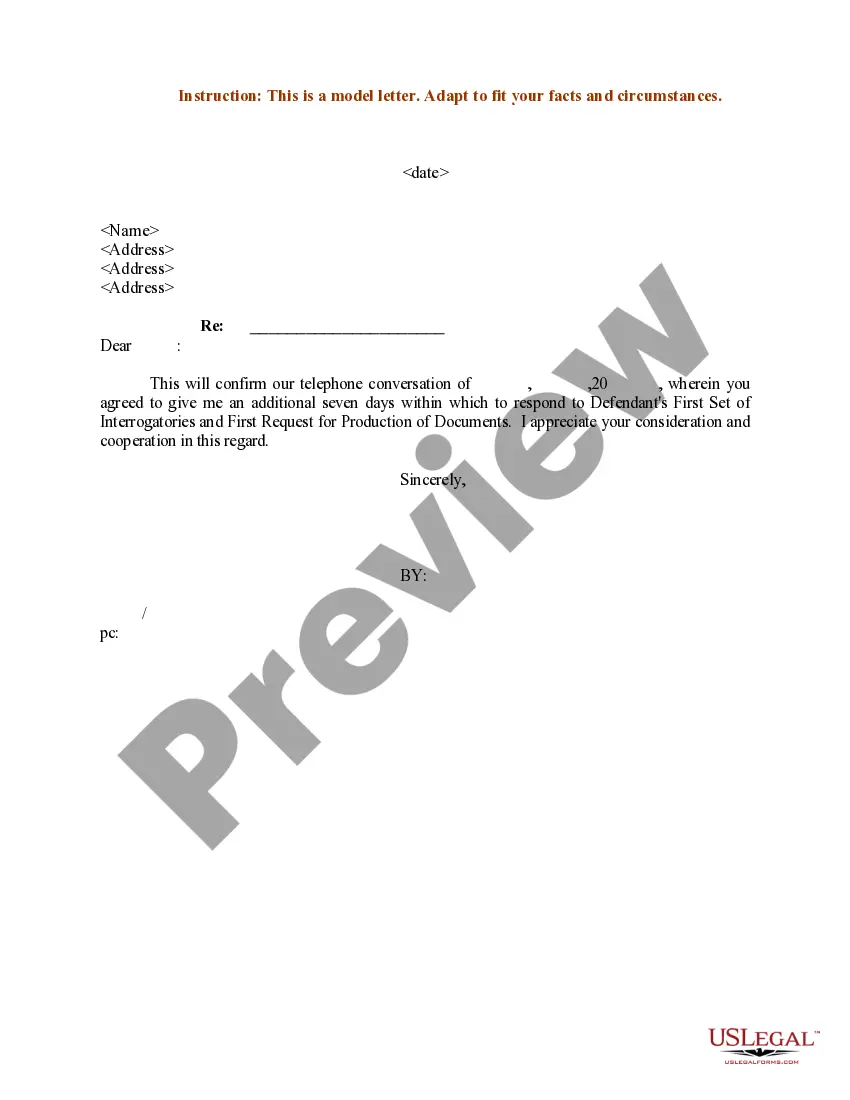
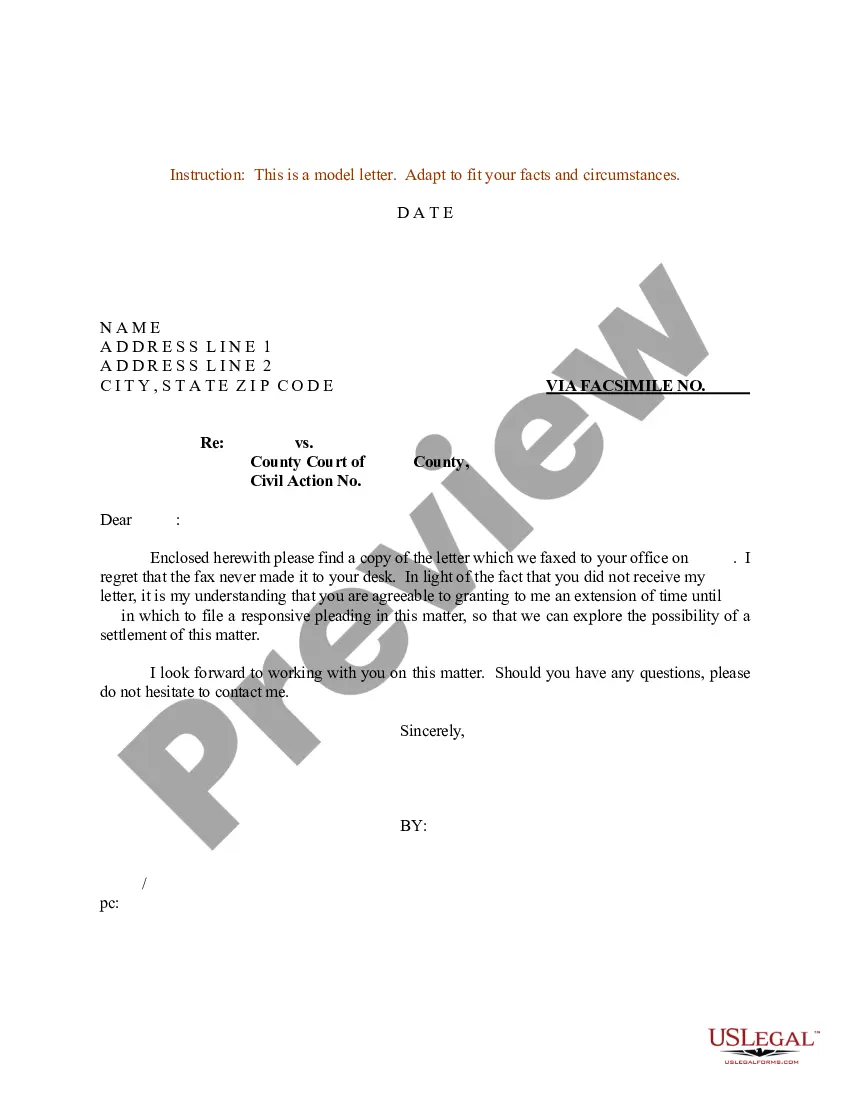


Get your form ready online
Our built-in tools help you complete, sign, share, and store your documents in one place.
Make edits, fill in missing information, and update formatting in US Legal Forms—just like you would in MS Word.
Download a copy, print it, send it by email, or mail it via USPS—whatever works best for your next step.
Sign and collect signatures with our SignNow integration. Send to multiple recipients, set reminders, and more. Go Premium to unlock E-Sign.
If this form requires notarization, complete it online through a secure video call—no need to meet a notary in person or wait for an appointment.
We protect your documents and personal data by following strict security and privacy standards.

Make edits, fill in missing information, and update formatting in US Legal Forms—just like you would in MS Word.

Download a copy, print it, send it by email, or mail it via USPS—whatever works best for your next step.

Sign and collect signatures with our SignNow integration. Send to multiple recipients, set reminders, and more. Go Premium to unlock E-Sign.

If this form requires notarization, complete it online through a secure video call—no need to meet a notary in person or wait for an appointment.

We protect your documents and personal data by following strict security and privacy standards.
Looking for another form?

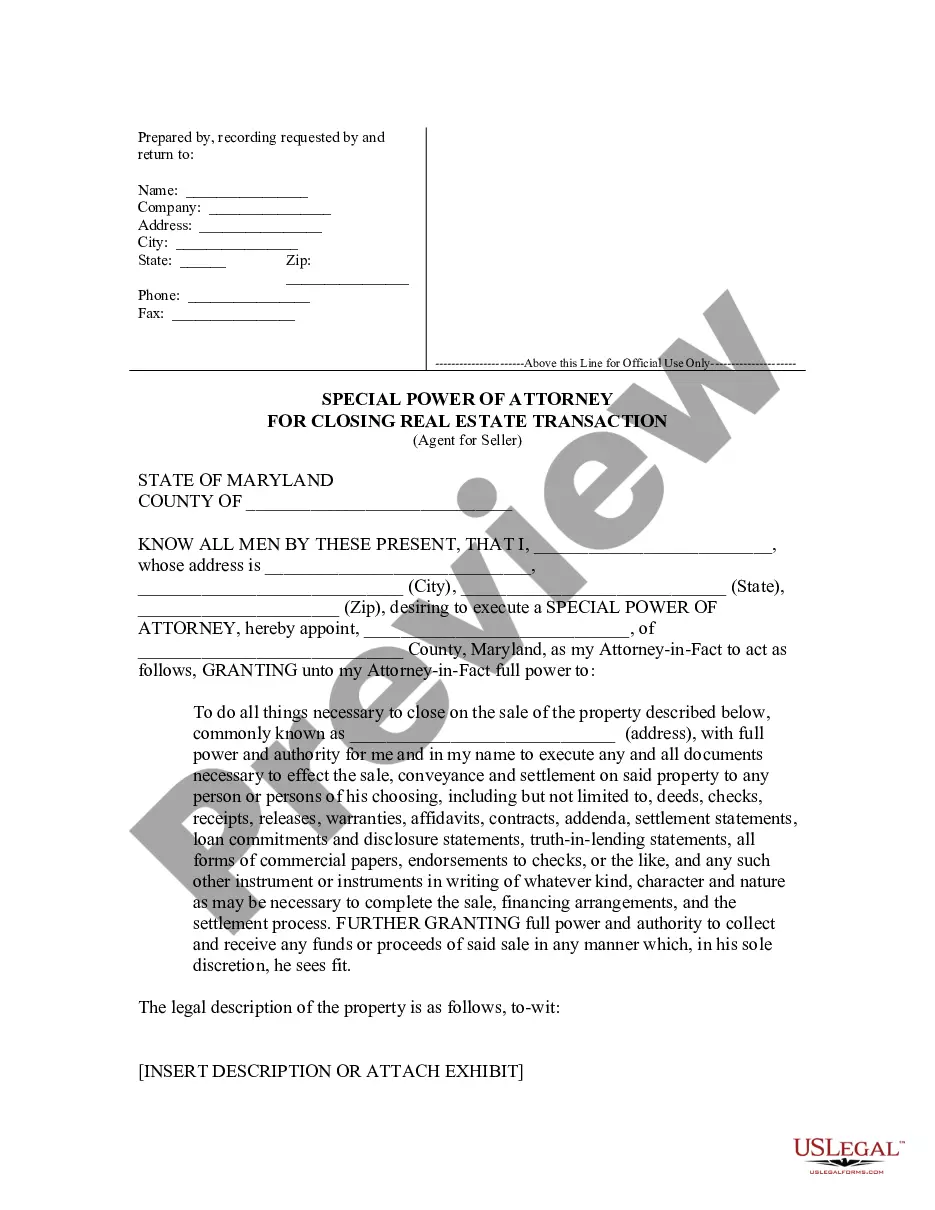
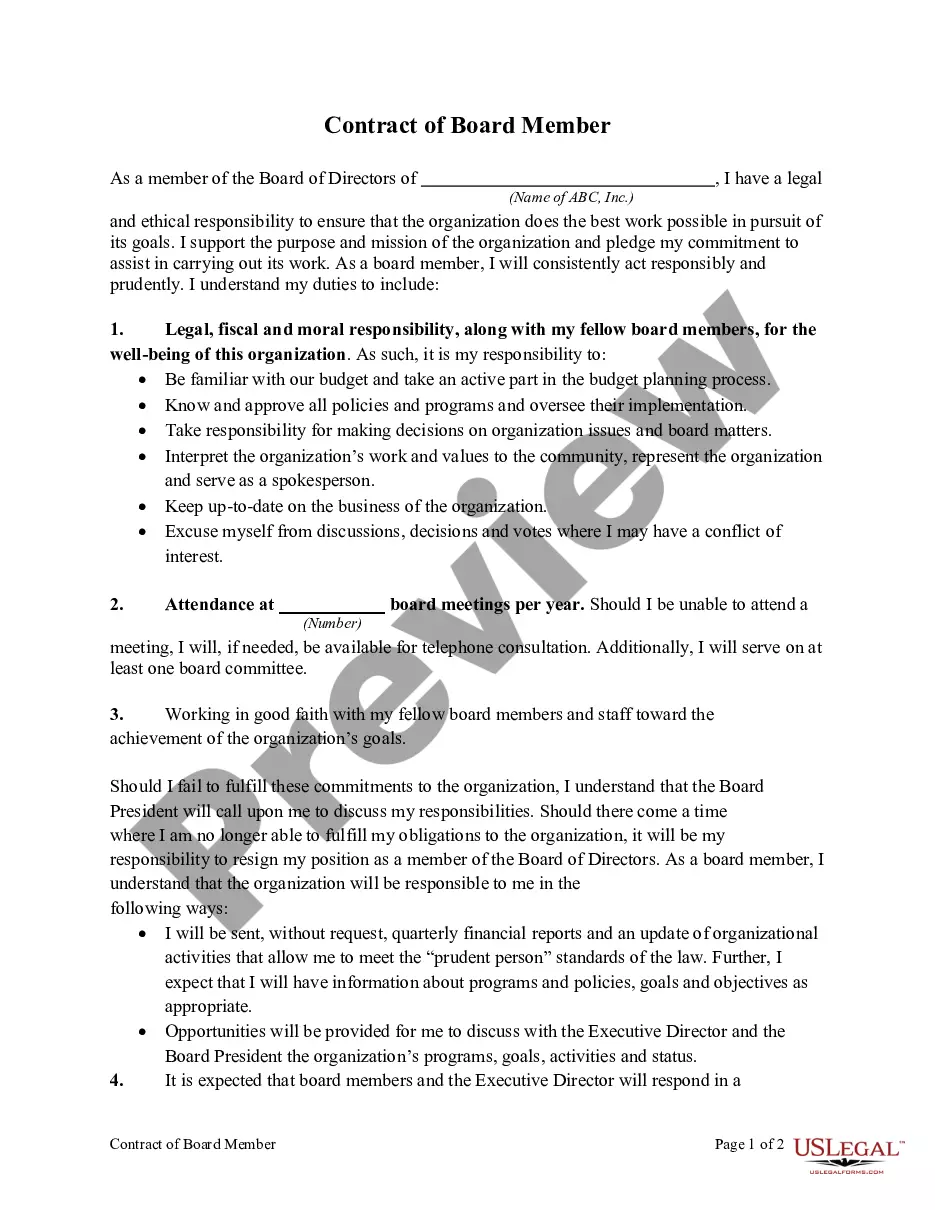





Form popularity
FAQ
Pleadings usually are presented via a written delivery of the parties. Pleadings may include briefs, attachments, responses and motions. State procedural rules (for instance, see Chapter 7 of California's Code of Civil Procedure) govern the pleading stages within state courts.
Rule 162. Dismissal or Non-suit (1988) At any time before the plaintiff has introduced all of his evidence other than rebuttal evidence, the plaintiff may dismiss a case, or take a non-suit which shall be entered in the minutes.
Prayer. n. the specific request for judgment, relief and/or damages at the conclusion of a complaint or petition.
(c) Pleadings must contain facts which, if true, are sufficient to constitute a violation of the Act or a Commission regulation or order, or a defense to an alleged violation. (d) Averred facts, claims, or defenses shall be made in numbered paragraphs and must be supported by relevant evidence.
Summary and Explanation Caption Requirement. Names of Parties. Paragraphs; Separate Statements. Adoption by Reference; Exhibits. Format Requirements.
Every pleading, plea, motion, or application to the court for an order, whether in the form of a motion, plea, or other form of request, unless presented during a hearing or trial, must be filed with the clerk of the court in writing, must state the grounds therefor, must set forth the relief or order sought, and at ...
(m) Each pleading or other submission must contain a written verification that the signatory has read the submission and, to the best of his or her knowledge, information and belief formed after reasonable inquiry, it is well grounded in fact and is warranted by existing law or a good faith argument for the extension, ...
All pleadings have the same basic structure,5 starting with the caption at the top of the first page. The caption states the name of the court at the top and, on the right side of the pleading, the type of pleading,6 the case number (or docket number), and the name of the judge.
But the Bible teaches and shows that prayer is so much more than making requests to the Father. Not that there's anything wrong with making an appeal to God—Jesus teaches us to “ask, seek, knock” (Matthew ), and Paul urges the Philippians to “let your requests be made known to God” (Phil.
That can mean thanking Him, praising Him, confessing something you've done wrong or expressing a need you have. It can mean talking to Him as you would to a friend. Learning how to pray is really about developing a relationship with God. Relationships are built on moments of connection and communication.

