Pleading With Meaning In San Bernardino
Description
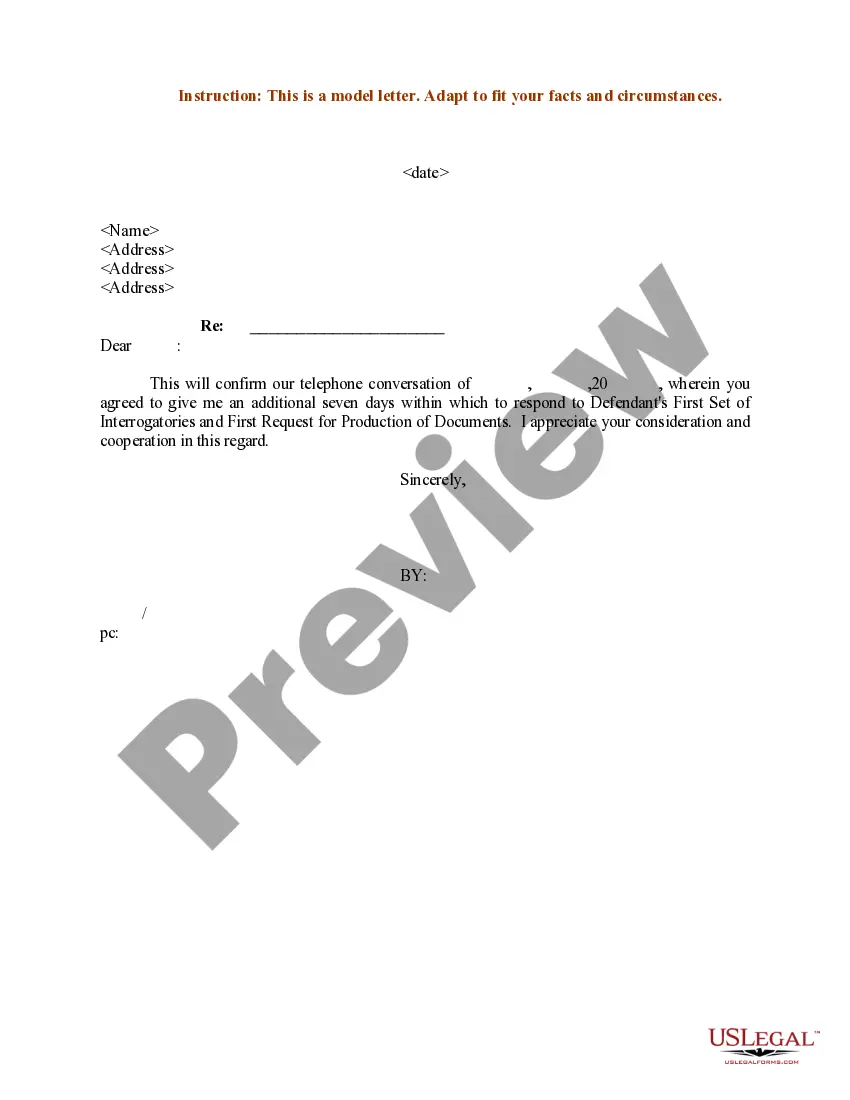
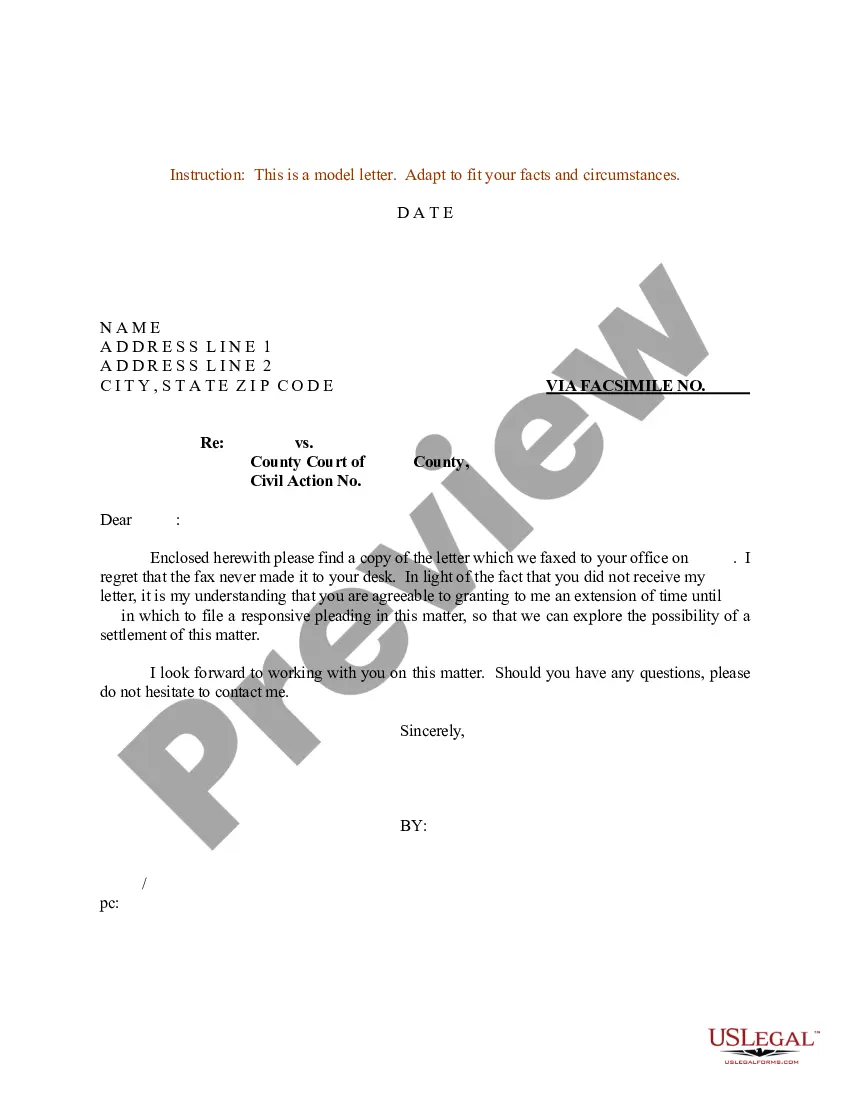
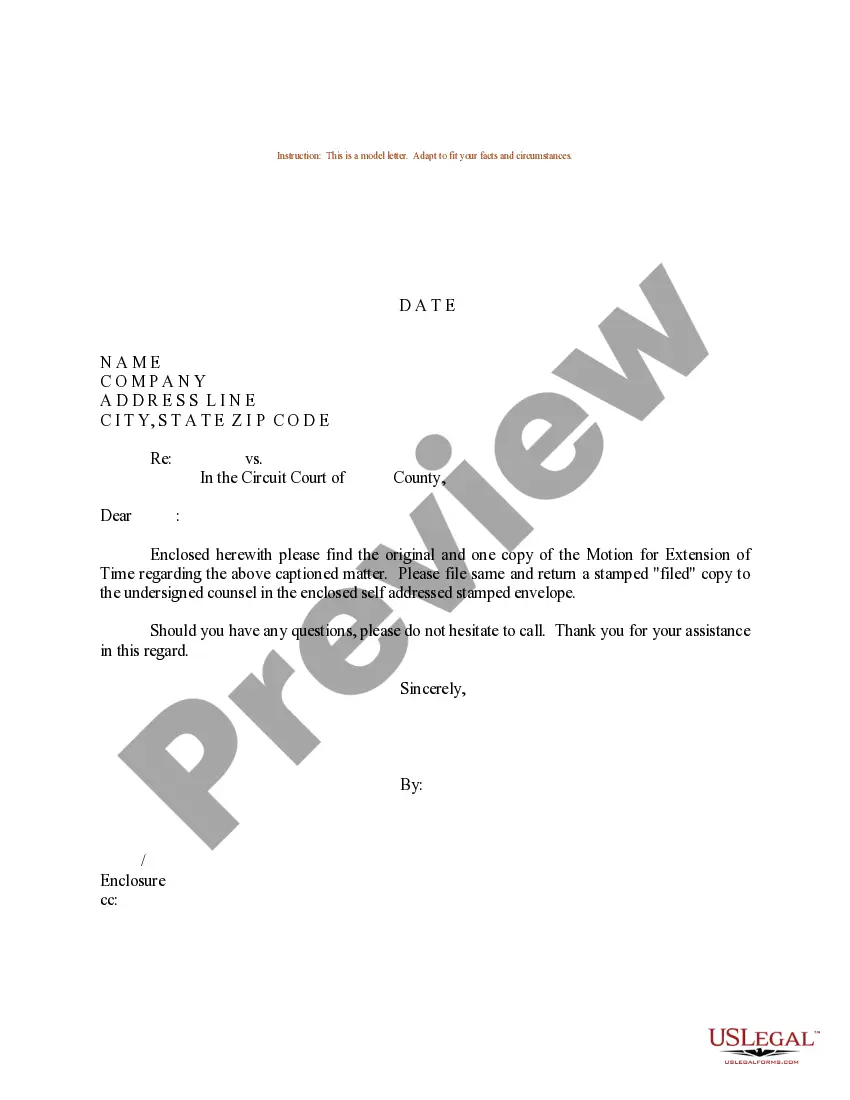
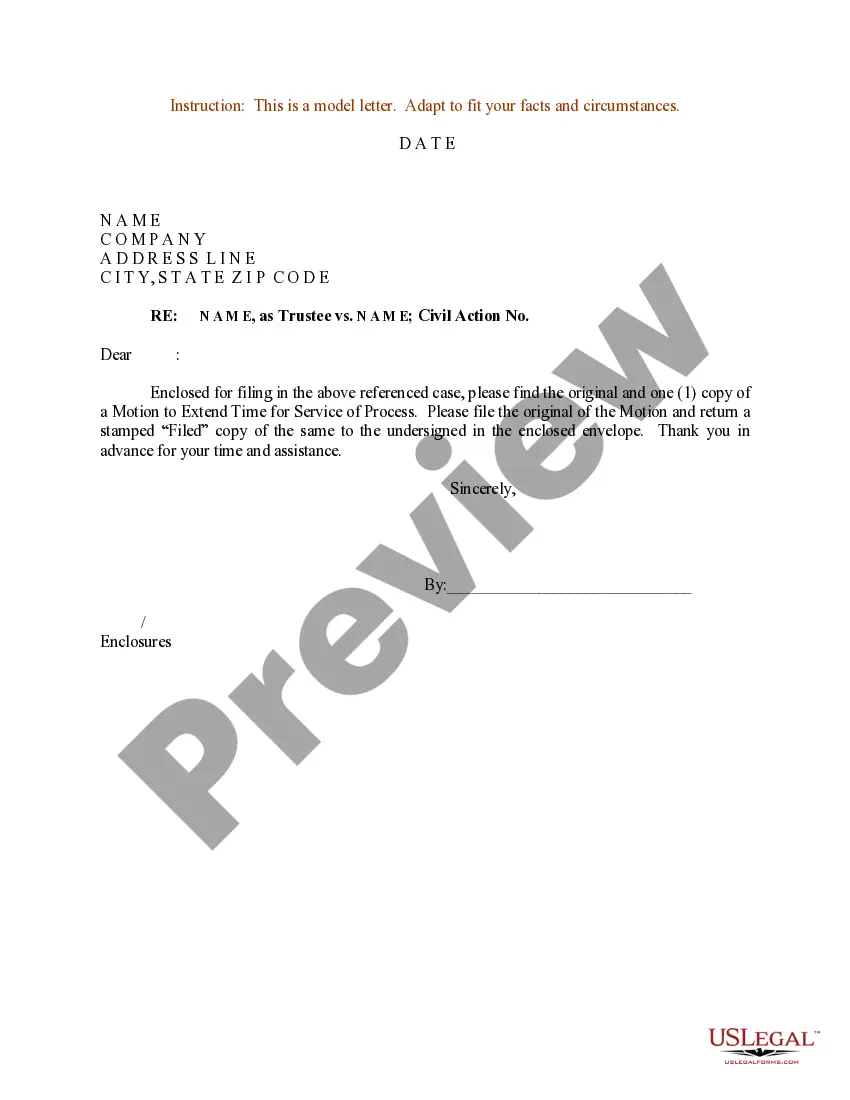
Get your form ready online
Our built-in tools help you complete, sign, share, and store your documents in one place.
Make edits, fill in missing information, and update formatting in US Legal Forms—just like you would in MS Word.
Download a copy, print it, send it by email, or mail it via USPS—whatever works best for your next step.
Sign and collect signatures with our SignNow integration. Send to multiple recipients, set reminders, and more. Go Premium to unlock E-Sign.
If this form requires notarization, complete it online through a secure video call—no need to meet a notary in person or wait for an appointment.
We protect your documents and personal data by following strict security and privacy standards.

Make edits, fill in missing information, and update formatting in US Legal Forms—just like you would in MS Word.

Download a copy, print it, send it by email, or mail it via USPS—whatever works best for your next step.

Sign and collect signatures with our SignNow integration. Send to multiple recipients, set reminders, and more. Go Premium to unlock E-Sign.

If this form requires notarization, complete it online through a secure video call—no need to meet a notary in person or wait for an appointment.

We protect your documents and personal data by following strict security and privacy standards.
Looking for another form?









Form popularity
FAQ
New Member (informal: pledge) A student who has accepted a bid from a fraternity/sorority. After a period of education, new members may be initiated. This period is referred to as pledging, associate or new membership education depending on the fraternity/sorority.
Pleadings must be written formally ing to the rules of civil procedure and are generally classified as complaints and answers. Pleadings can be filed at any time during a court proceeding, but they are usually filed early in the trial process (usually pre-trial, or before the case is heard by the judge in court).
Pleadings and Pre-Trial Motions in California Name(s) of plaintiff(s) Name(s) of defendant(s) State. County. Case number (docket number) Name or type of pleading. Court name. Judge name (if known)
A party filing a complaint is the complaining party, while the other side is the responding party. Pleadings set forth parties' positions in the action, such as allegations, claims, defenses and denials. A pleading defines the issues and states the bare facts necessary to begin or defend the case.
(c) Pleadings must contain facts which, if true, are sufficient to constitute a violation of the Act or a Commission regulation or order, or a defense to an alleged violation. (d) Averred facts, claims, or defenses shall be made in numbered paragraphs and must be supported by relevant evidence.
Transitive verb. If you plead the case or cause of someone or something, you speak out in their support or defense. He appeared before the committee to plead his case.
There are several different types of pleadings in civil procedures, but all of them include the basic demand and response structure: Complaints. Answers to a complaint. Counterclaims. Answers to a counterclaim. Crossclaims. Answers to a crossclaim. Third-party complaints. Third-party complaint answers.
Comply With the Relevant Federal, State, and Local Rules. Research Before Writing. Allege Subject Matter Jurisdiction, Personal Jurisdiction, and Venue. Jurisdiction. Draft Concise and Plain Statement of the Facts. Factual Allegations. Draft Separate Counts for Each Legal Claim. Plead Facts With Particularity Where Necessary.
Pleading is one of the first stages of a lawsuit. In a pleading, the parties formally submit their claims and the defenses against the opposition's claims.
The purpose of the pleadings is mostly to give notice as to the claim and the grounds for relief. "A complaint should not be dismissed for failure to state a claim unless it appears beyond doubt that the plaintiff can prove no set of facts in support of his claim which would entitle him to relief.

