Pleading For Mercy In Salt Lake
Description
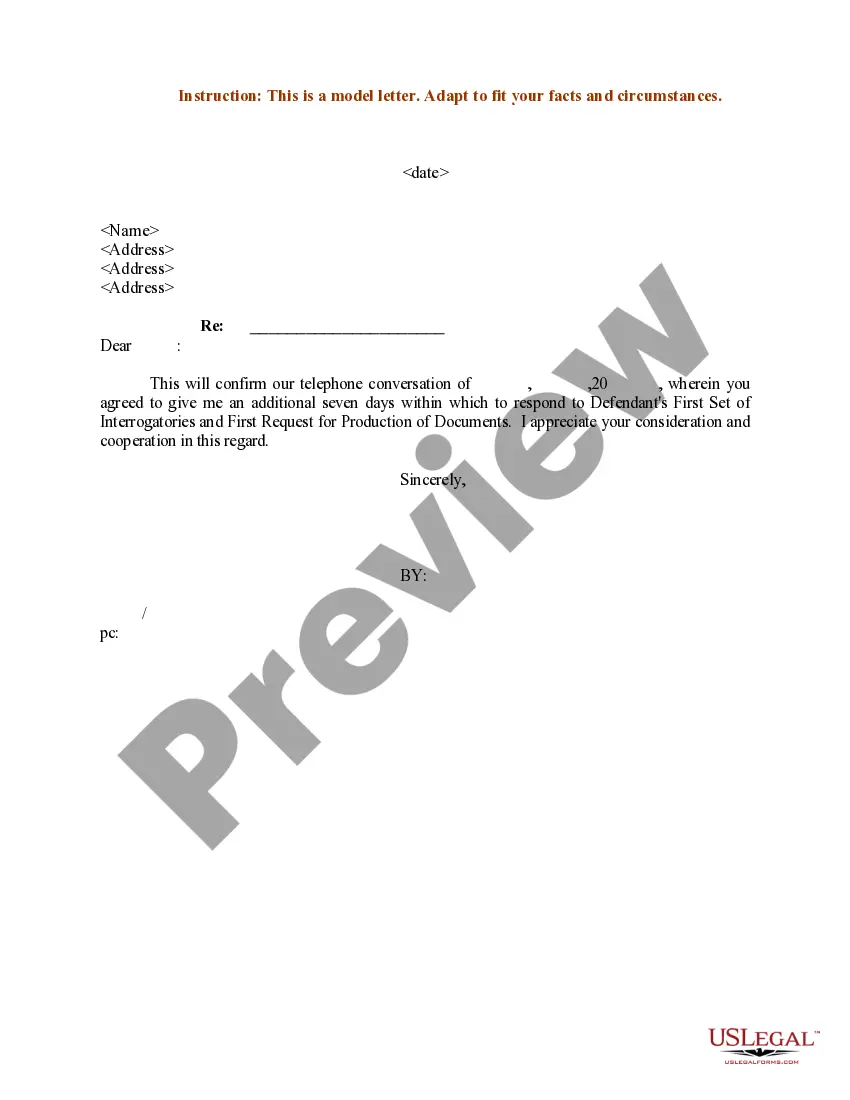
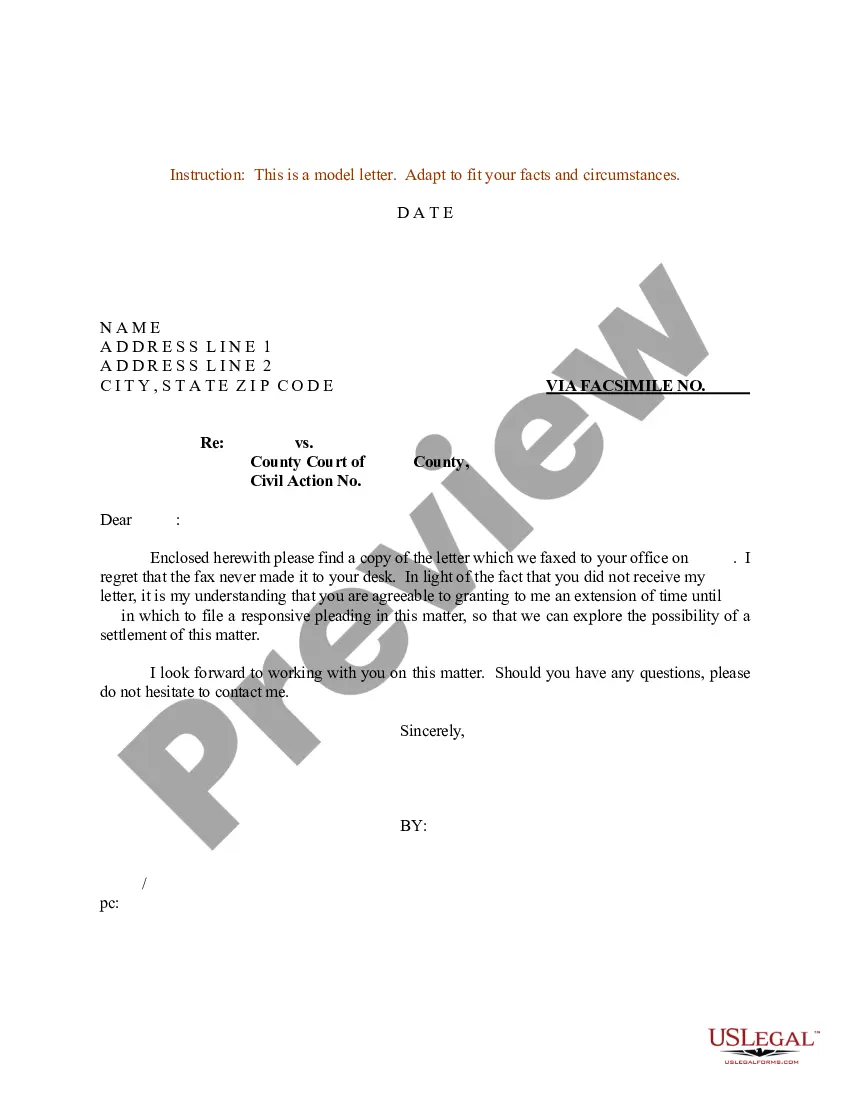


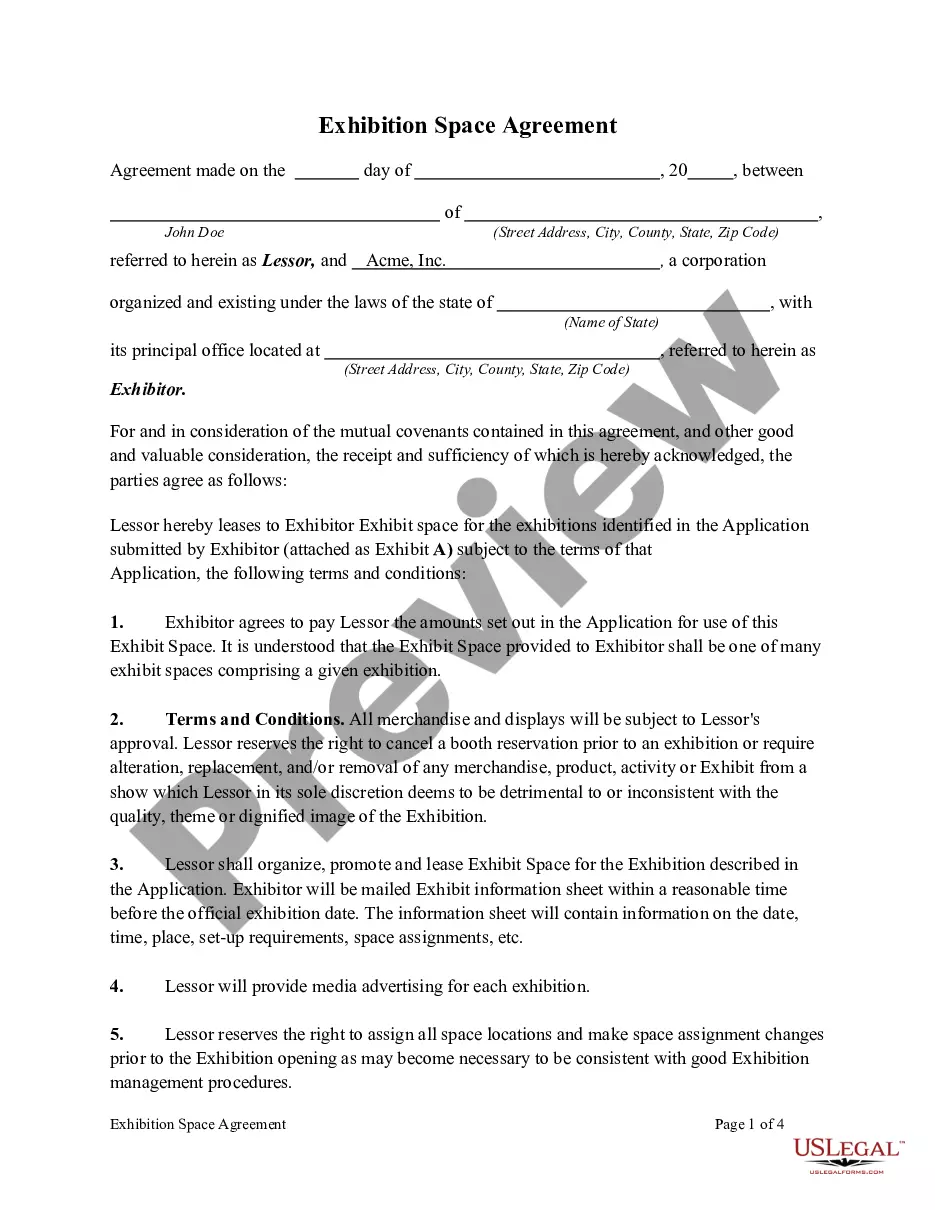
Get your form ready online
Our built-in tools help you complete, sign, share, and store your documents in one place.
Make edits, fill in missing information, and update formatting in US Legal Forms—just like you would in MS Word.
Download a copy, print it, send it by email, or mail it via USPS—whatever works best for your next step.
Sign and collect signatures with our SignNow integration. Send to multiple recipients, set reminders, and more. Go Premium to unlock E-Sign.
If this form requires notarization, complete it online through a secure video call—no need to meet a notary in person or wait for an appointment.
We protect your documents and personal data by following strict security and privacy standards.

Make edits, fill in missing information, and update formatting in US Legal Forms—just like you would in MS Word.

Download a copy, print it, send it by email, or mail it via USPS—whatever works best for your next step.

Sign and collect signatures with our SignNow integration. Send to multiple recipients, set reminders, and more. Go Premium to unlock E-Sign.

If this form requires notarization, complete it online through a secure video call—no need to meet a notary in person or wait for an appointment.

We protect your documents and personal data by following strict security and privacy standards.
Looking for another form?









Form popularity
FAQ
Our Father in heaven, Thou has created the heavens and the earth, and all things that are therein; Thou most glorious One, perfect in mercy, love, and truth, we, Thy children, come this day before Thee, and in this house which we have built to Thy most holy name, humbly plead the atoning blood of Thine Only Begotten ...
To plead for mercy, we must have a revelation of the necessity of the operation of mercy in every area of our lives. Our God is merciful in nature. His mercy triumphs over our merits. Therefore, we need to advance from a merit orientation to a mercy orientation and get the benefits of God's mercy.
Description. The Word of Wisdom is God's code of health. It warns against alcohol, tobacco, coffee, tea, recreational drugs. It promises physical strength and spiritual blessings such as happiness and wisdom.
A mercy rule, slaughter rule, knockout rule, or skunk rule ends a two-competitor sports competition earlier than the scheduled endpoint if one competitor has a very large and presumably insurmountable scoring lead over the other. It is called the mercy rule because it spares further humiliation for the loser.
Mercy is the compassionate treatment of a person greater than what is deserved, and it is made possible through the Atonement of Jesus Christ. Our Heavenly Father knows our weaknesses and sins. He shows mercy when He forgives us of our sins and helps us return to dwell in His presence.
An act of justice is typically an act of the law, and might be an act of vengeance and force. Mercy, on the other hand, means exercising forbearance. An act of mercy is an act of grace and compassion. The relationship between justice and mercy is one of the toughest legal and public policy questions our country faces.
Jesus is saying that when someone harms us, no matter how much we might feel like we deserve to take revenge, we do not have the right to harm them back. Instead, the opposite is true. If someone harms us, Jesus says that we actually owe the perpetrator love and mercy, not further violence.
Mercy is the compassionate treatment of a person greater than what is deserved, and it is made possible through the Atonement of Jesus Christ. Our Heavenly Father knows our weaknesses and sins. He shows mercy when He forgives us of our sins and helps us return to dwell in His presence.
Rule 11 was designed to highlight the importance of constitutional rights by requiring the judge in district court to discuss these rights with the defendant before accepting his plea. In other words, Rule 11 was created to help the defendant understand the basic consequences of the decision to plead guilty.
Time to Respond In most cases, if the defendant is served in Utah, they must file their answer within 21 calendar days after the date of service. If the defendant is served outside Utah, they must file an answer within 30 calendar days after service.

