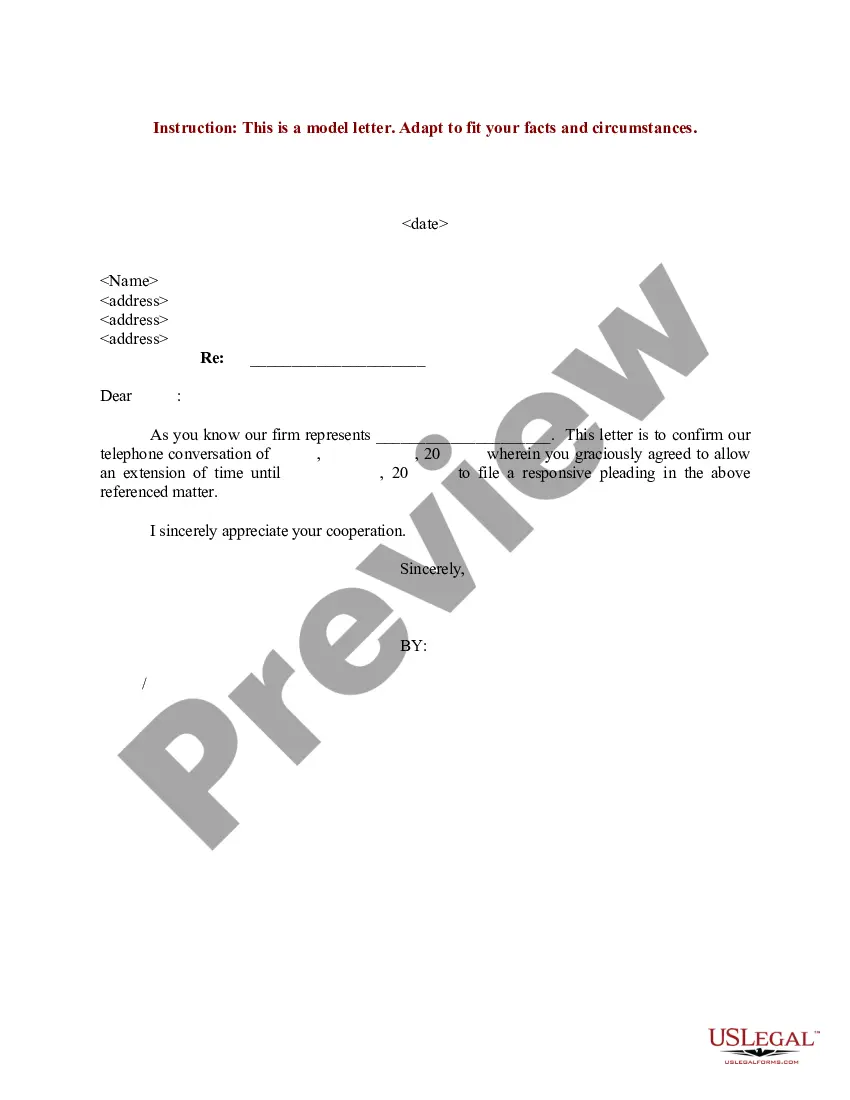
Pleading Paper For Court In Sacramento
Description
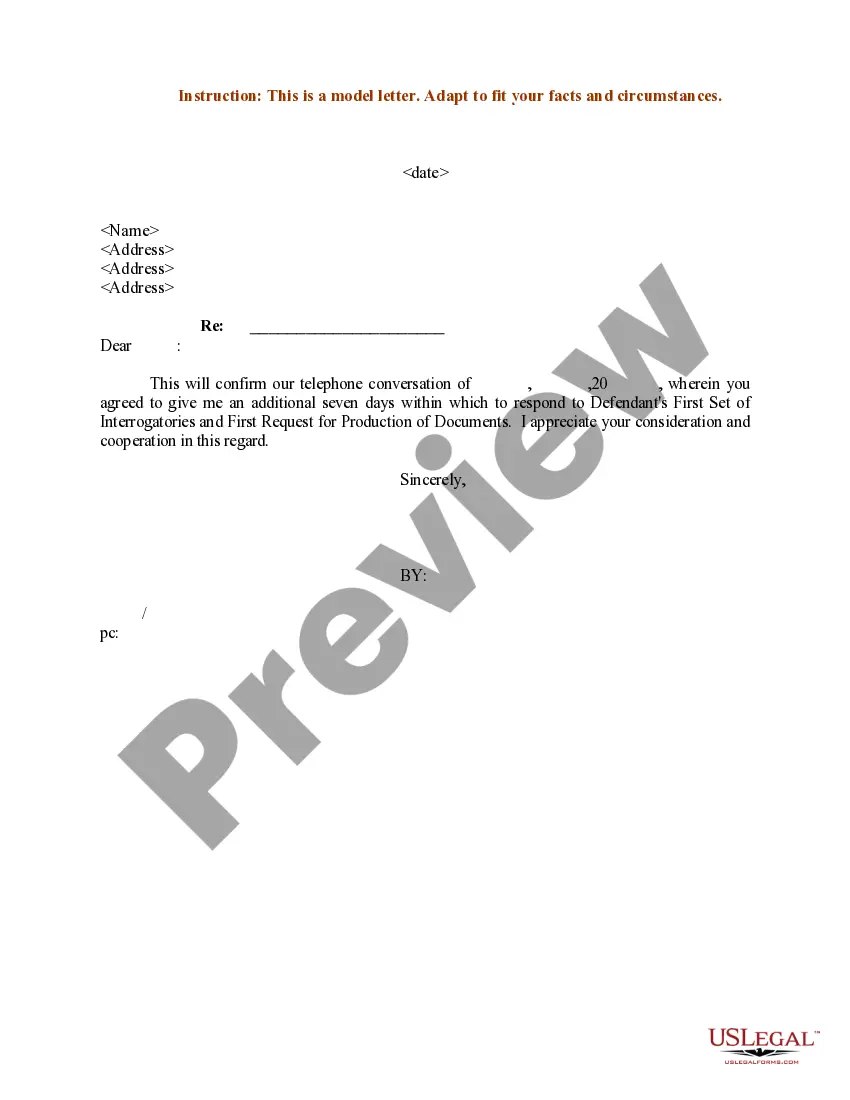
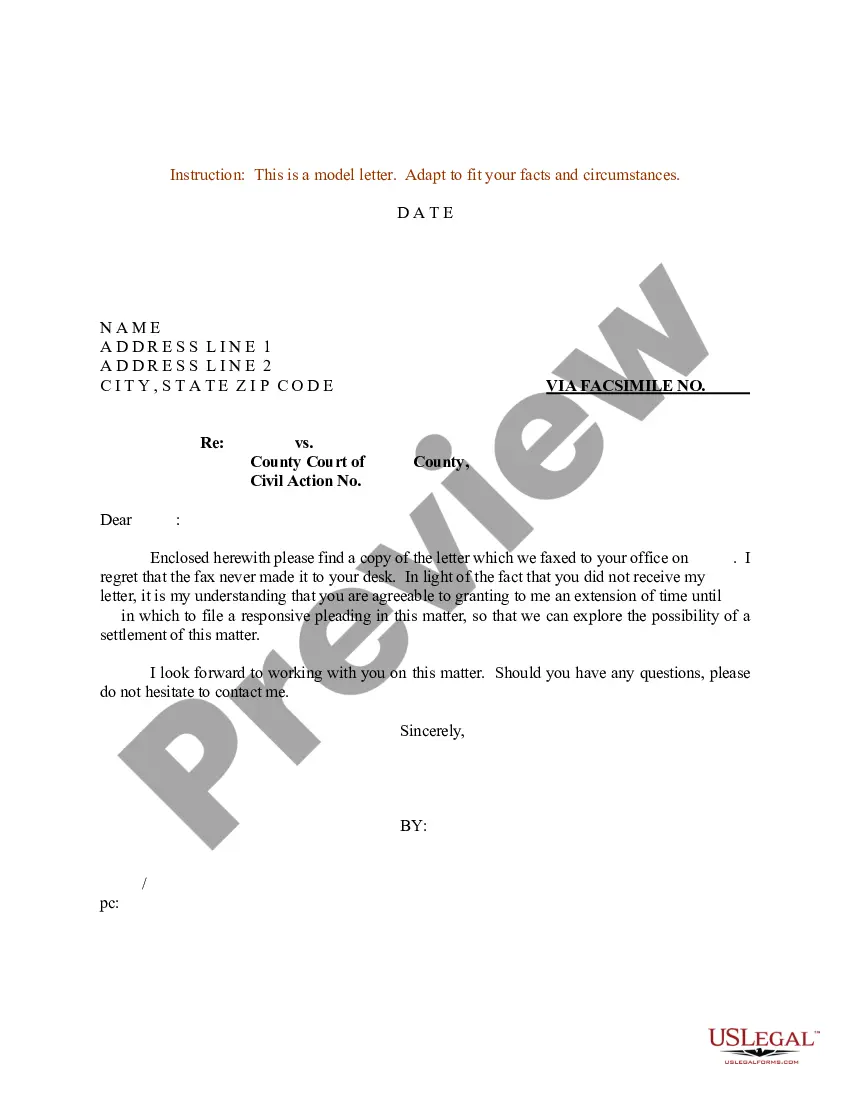
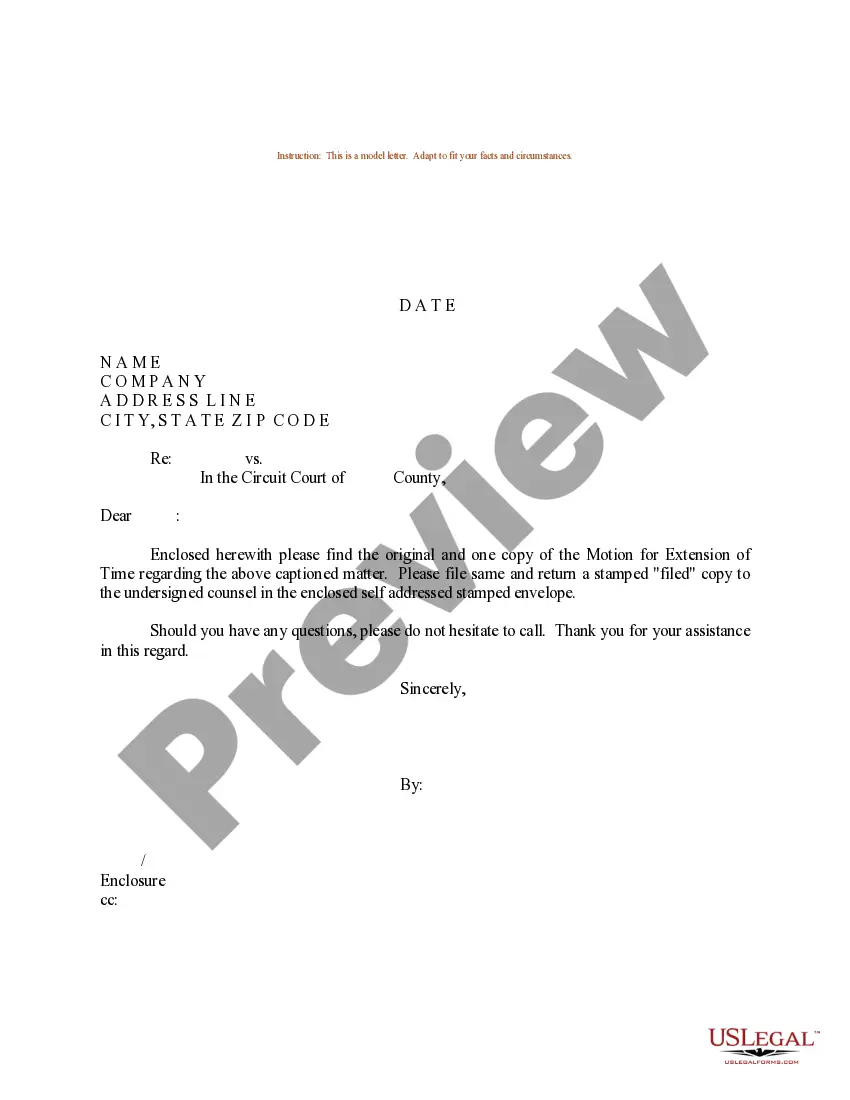
Get your form ready online
Our built-in tools help you complete, sign, share, and store your documents in one place.
Make edits, fill in missing information, and update formatting in US Legal Forms—just like you would in MS Word.
Download a copy, print it, send it by email, or mail it via USPS—whatever works best for your next step.
Sign and collect signatures with our SignNow integration. Send to multiple recipients, set reminders, and more. Go Premium to unlock E-Sign.
If this form requires notarization, complete it online through a secure video call—no need to meet a notary in person or wait for an appointment.
We protect your documents and personal data by following strict security and privacy standards.

Make edits, fill in missing information, and update formatting in US Legal Forms—just like you would in MS Word.

Download a copy, print it, send it by email, or mail it via USPS—whatever works best for your next step.

Sign and collect signatures with our SignNow integration. Send to multiple recipients, set reminders, and more. Go Premium to unlock E-Sign.

If this form requires notarization, complete it online through a secure video call—no need to meet a notary in person or wait for an appointment.

We protect your documents and personal data by following strict security and privacy standards.
Looking for another form?
Form popularity
FAQ
Pleading Paper Template – California Your name must start on line 1. The Court name and location must start on line 8. The caption of the case must start on line 11. You must have a footer with the title of the document.
There are several different types of pleadings in civil procedures, but all of them include the basic demand and response structure: Complaints. Answers to a complaint. Counterclaims. Answers to a counterclaim. Crossclaims. Answers to a crossclaim. Third-party complaints. Third-party complaint answers.
The key to drafting a successful pleading is to make sure that you have a clear idea of what the claims are that your client is making and relevant proof for each of those claims. Then you should state the events in a chronological and logical order.
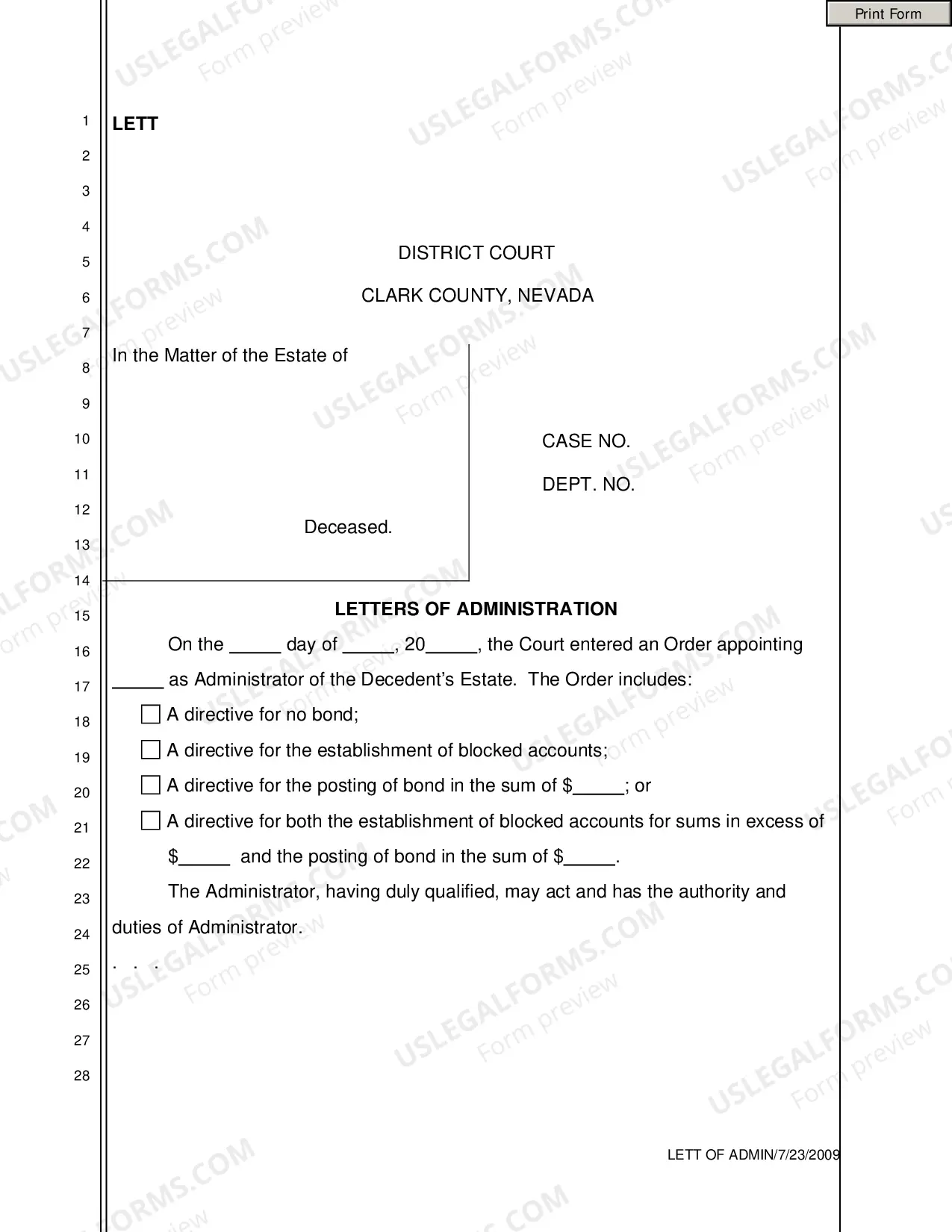
“Pleading paper” is the format required for filing documents in court when there is no pre-printed form available. This pleading paper is blank and can be used anywhere 28-line paper is accepted. Check your court's local rules for other format requirements such as fonts, font size, and line spacing.
A pleading must be in writing and must be signed by all persons joining in it. All pleadings filed in proceedings under the Probate Code must be verified. If two or more persons join in a pleading, it may be verified by any of them.
For example, a legal pleading might involve a complaint from a homeowner that a roofer did not adequately perform a repair, resulting in a leak in the roof and damage to the home. The roofer could then file an answer to the claim, denying culpability.
Although a document must be signed by each party to be considered legally binding, the mere presence of signatures does not guarantee that an agreement is enforceable in court. To be considered a legally binding contract or document, three critical elements must also be present: Subject, Consideration, and Capacity.
You'll want to start with a standard page size (8.5 x 11 inches) with 1-inch margins. Keep the font simple, such as Times New Roman, and avoid the use of color. Remember to break up text with headers and paragraphs for readability.
Have Meaningful Organization Categorize by Case or Client. Create a main file for each client or case. Subdivide Files. Divide your files into meaningful categories for easier navigation and understanding. Label Clearly. Use a consistent labeling system. Use Chronological Order.
The term “pleading paper” is often used to describe the format of a document that is filed with the Court when a pre-made form is not available. If there is not a California or Local Court form to fit your situation, you will need to draft your own pleading or motion on pleading paper.