Pleading Paper For Pages In Ohio
Description
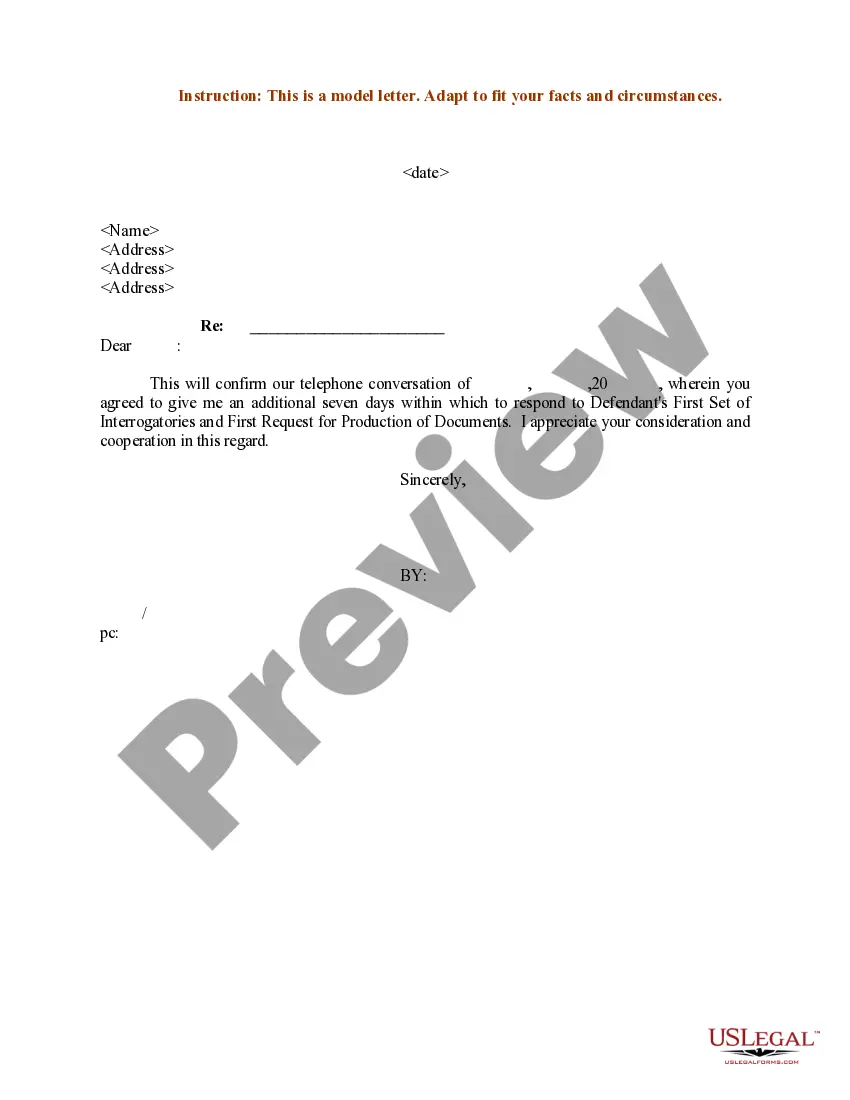
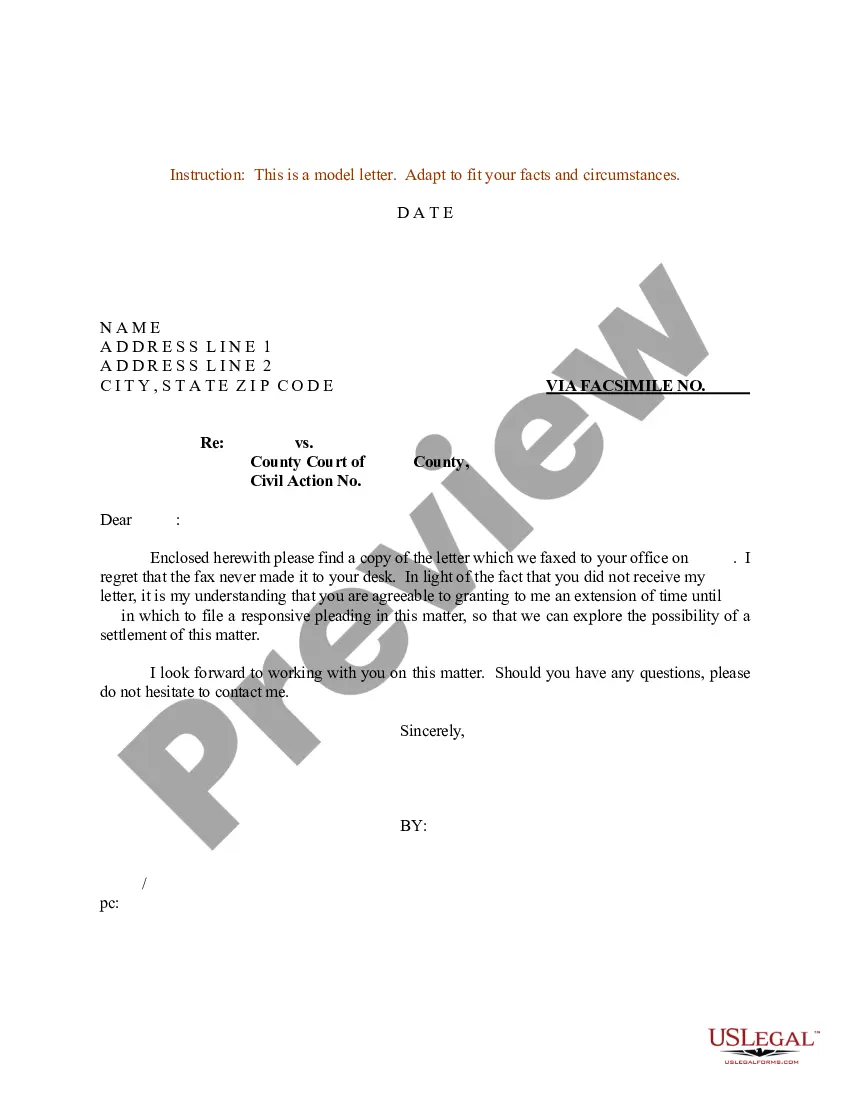
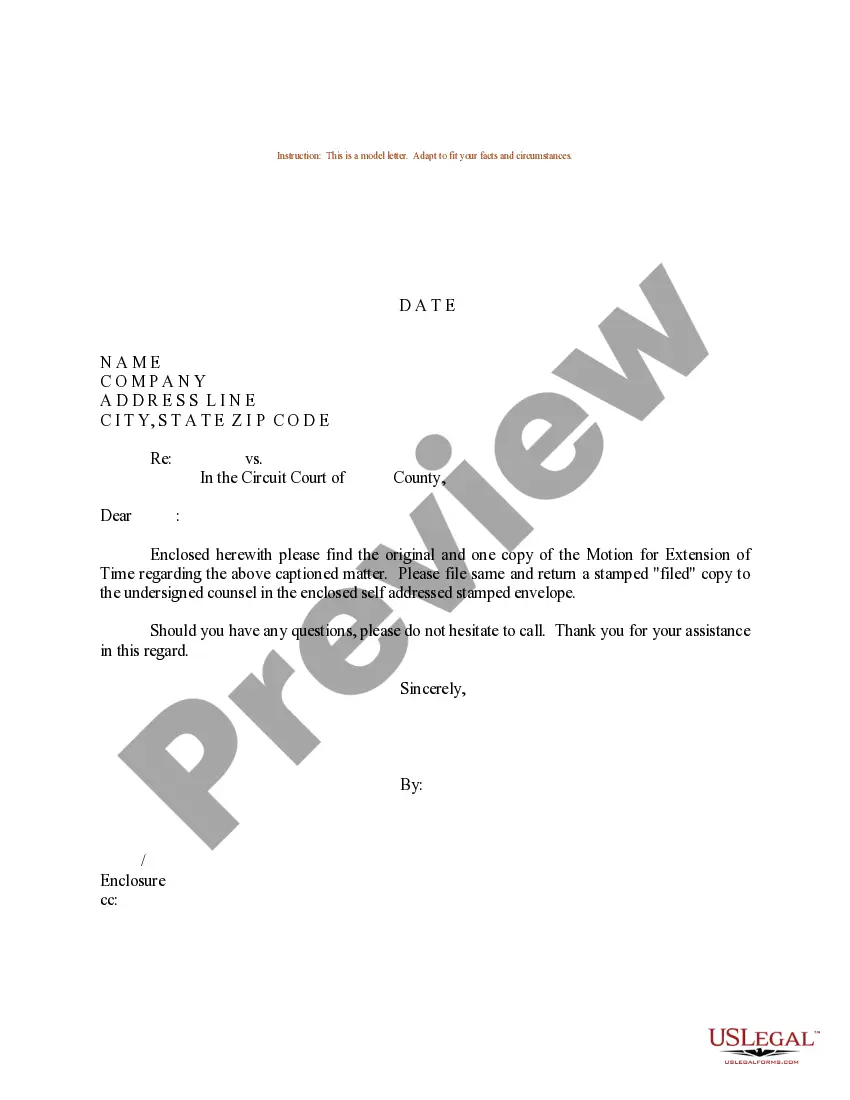
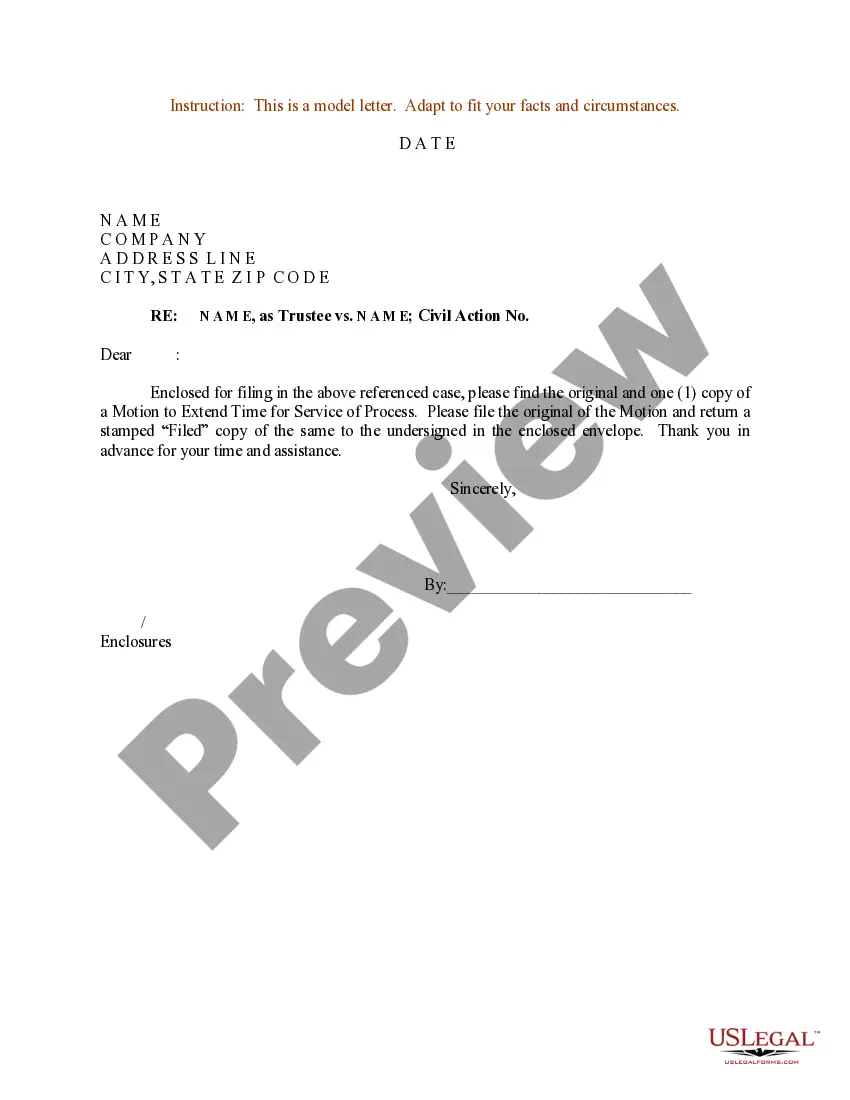
Get your form ready online
Our built-in tools help you complete, sign, share, and store your documents in one place.
Make edits, fill in missing information, and update formatting in US Legal Forms—just like you would in MS Word.
Download a copy, print it, send it by email, or mail it via USPS—whatever works best for your next step.
Sign and collect signatures with our SignNow integration. Send to multiple recipients, set reminders, and more. Go Premium to unlock E-Sign.
If this form requires notarization, complete it online through a secure video call—no need to meet a notary in person or wait for an appointment.
We protect your documents and personal data by following strict security and privacy standards.

Make edits, fill in missing information, and update formatting in US Legal Forms—just like you would in MS Word.

Download a copy, print it, send it by email, or mail it via USPS—whatever works best for your next step.

Sign and collect signatures with our SignNow integration. Send to multiple recipients, set reminders, and more. Go Premium to unlock E-Sign.

If this form requires notarization, complete it online through a secure video call—no need to meet a notary in person or wait for an appointment.

We protect your documents and personal data by following strict security and privacy standards.
Looking for another form?



Form popularity
FAQ
Every pleading must have a caption with the court's name, a title, a file number, and a Rule 7(a) designation. The title of the complaint must name all the parties; the title of other pleadings, after naming the first party on each side, may refer generally to other parties. (b) Paragraphs; Separate Statements.
A party filing a complaint is the complaining party, while the other side is the responding party. Pleadings set forth parties' positions in the action, such as allegations, claims, defenses and denials. A pleading defines the issues and states the bare facts necessary to begin or defend the case.
1. Pleading paper is the paper used for documents submitted to the court and is numbered down the left hand side. It contains information about your case as well as the text of the filing you are turning in to the court.
Pleadings are certain formal documents filed with the court that state the parties' basic positions. Common pre-trial pleadings include: Complaint (or petition or bill).
Pleading is one of the first stages of a lawsuit . In a pleading, the parties formally submit their claims and the defenses against the opposition's claims. The parties can make specific pleas , such as a guilty plea or a not guilty plea.
There are several types of pleadings in civil litigation. These include complaints, which serve as the basis of the legal action, and answers, which are the responses to the complaints. There may also be counterclaims, crossclaims, and third-party claims, which are also types of pleadings.
There are several different types of pleadings in civil procedures, but all of them include the basic demand and response structure: Complaints. Answers to a complaint. Counterclaims. Answers to a counterclaim. Crossclaims. Answers to a crossclaim. Third-party complaints. Third-party complaint answers.
Motions and other pleadings may be filed. A jury is selected, then the trial takes place. A decision is given by the judge or the jury. Either party may appeal the decision—and if a party is still unhappy with the decision of the appellate court, may ask for further appellate review.
Upon the filing of the affidavit, the clerk shall cause service of notice to be made by publication in a newspaper of general circulation in the county in which the action or proceeding is filed. If no newspaper is published in that county, then publication shall be in a newspaper published in an adjoining county.
Rule 45 allows discovery to be obtained from nonparties in a manner that closely parallels Rule 34 discovery of parties. Civ. R. 45(A) and 45(D)(2) clarify that a party may use subpoenas to obtain electronically stored information from nonparties.

