Pleading For Forgiveness In Ohio
Description
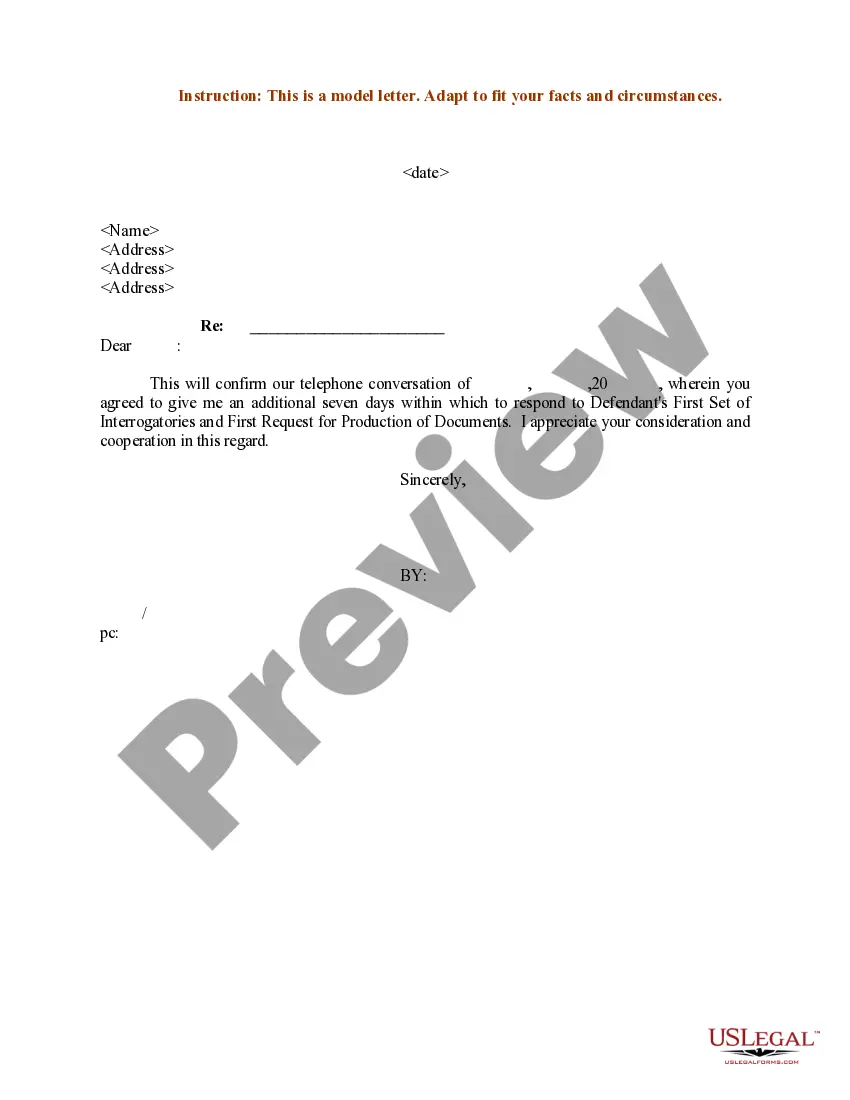
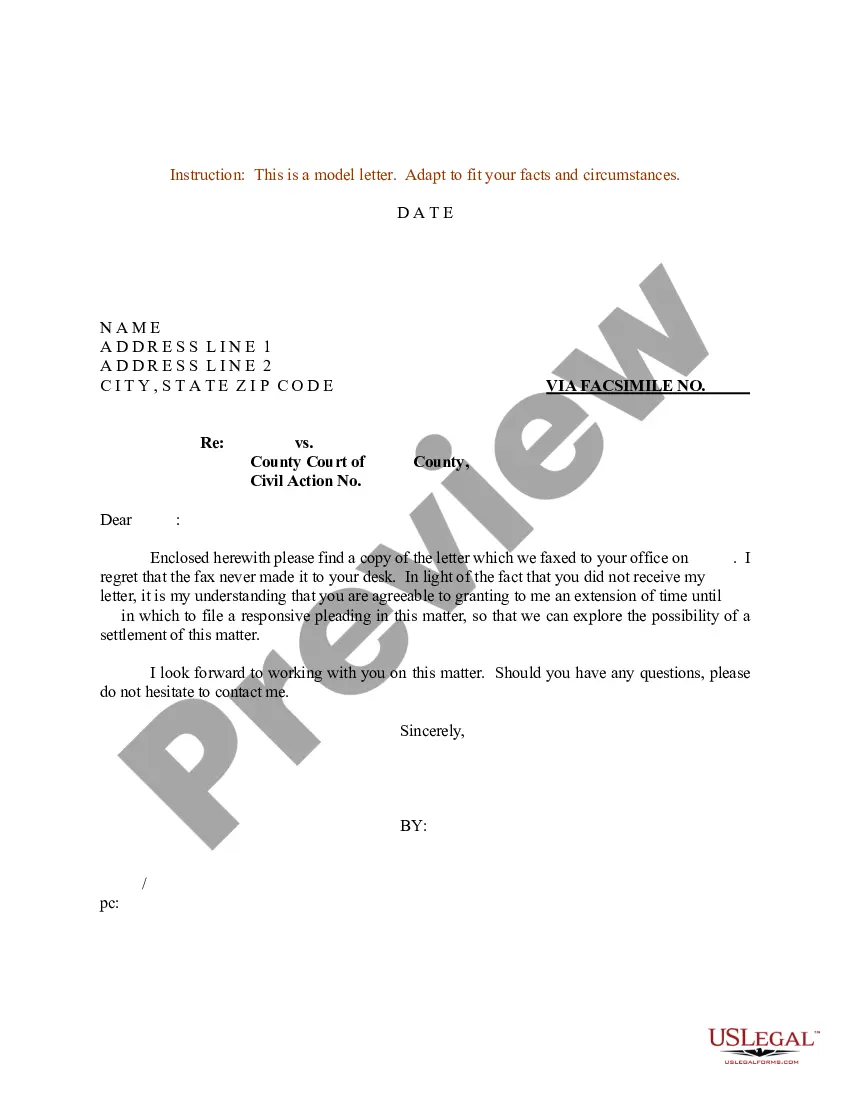
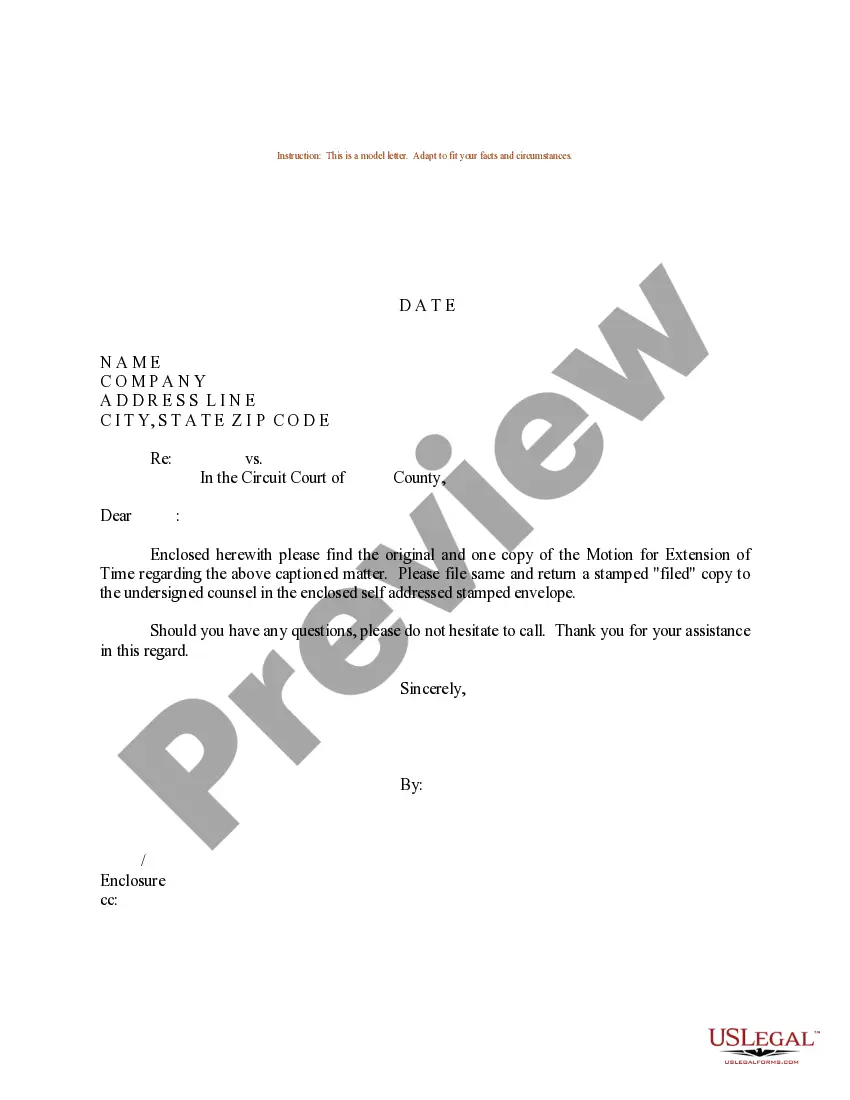
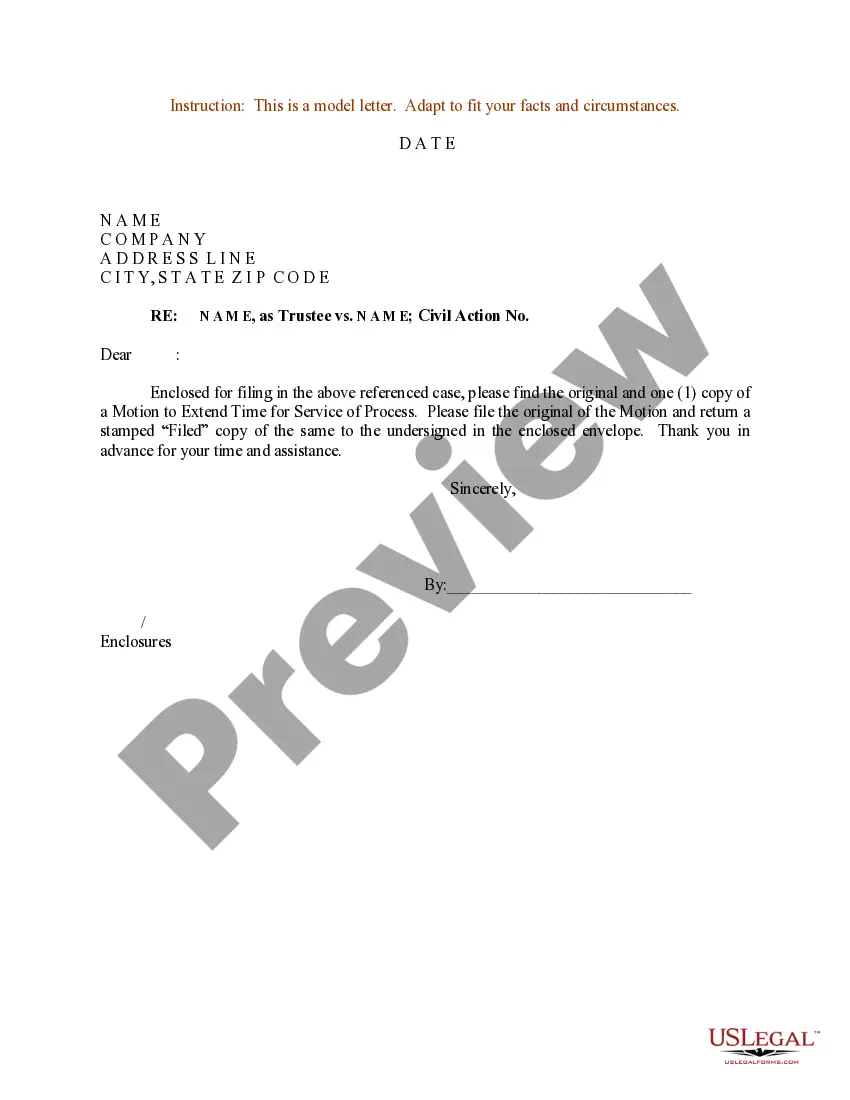
Get your form ready online
Our built-in tools help you complete, sign, share, and store your documents in one place.
Make edits, fill in missing information, and update formatting in US Legal Forms—just like you would in MS Word.
Download a copy, print it, send it by email, or mail it via USPS—whatever works best for your next step.
Sign and collect signatures with our SignNow integration. Send to multiple recipients, set reminders, and more. Go Premium to unlock E-Sign.
If this form requires notarization, complete it online through a secure video call—no need to meet a notary in person or wait for an appointment.
We protect your documents and personal data by following strict security and privacy standards.

Make edits, fill in missing information, and update formatting in US Legal Forms—just like you would in MS Word.

Download a copy, print it, send it by email, or mail it via USPS—whatever works best for your next step.

Sign and collect signatures with our SignNow integration. Send to multiple recipients, set reminders, and more. Go Premium to unlock E-Sign.

If this form requires notarization, complete it online through a secure video call—no need to meet a notary in person or wait for an appointment.

We protect your documents and personal data by following strict security and privacy standards.
Looking for another form?






Form popularity
FAQ
You, or your attorney on your behalf, will file a Notice of Motion which includes a list of requests for the court to rule upon. You will also submit a Certification listing the reasons you are making these requests of the Court and why the Judge should grant your relief, effectively your testimony.
Application for the writ of mandamus must be by petition, in the name of the state on the relation of the person applying, and verified by affidavit. The court may require notice of it to be given to the defendant, or grant an order to show cause why it should not be allowed, or allow the writ without notice.
If you want to file a motion, the process is generally something like this: You write your motion. You file your motion with the court clerk. The court clerk inserts the date and time your motion will be heard by the judge. You “serve” (mail) your motion to the other side.
Notice of Appeal: To file an appeal, you must file a notice of appeal with the clerk of the trial court within 30 days of the entry of final judgment. Sample Notice of Appeal. Specifically, it must be actually received by the clerk, not just postmarked, within 30 days.
Of those 430 discretionary appeals, 9.53% (41 cases) have been accepted. And, of those jurisdictionals accepted, 29.3% are civil and 70.7% are criminal. Of all civil jurisdictionals filed, only 6.73% were accepted, whereas 10.82% of all criminal jurisdictionals filed were accepted.
Except for motions made during a hearing or during trial, motions are required to be in writing. They must also be filed in court and served on the opposing party's attorney (or the party if not represented by counsel). If the motion is contested, the opposing attorneys will also file papers opposing the motion.
Cases that have been on the docket for six months without any proceedings taken in the case, except cases awaiting trial assignment, shall be dismissed, after notice to counsel of record, for want of prosecution, unless good cause be shown to the contrary.
Ohio Civil Rule 41(A) provides several methods for a plaintiff to dismiss a case. When a plaintiff dismisses a case without prejudice, typically that is done by filing a notice of dismissal.
The person must have completed the sentence for the Ohio conviction(s) for which they are seeking a pardon at least 10 years ago. The person must not have committed any additional crimes in at least the past 10 years, including DUI and OVI which are considered criminal offenses.
Rule 33 - Interrogatories to Parties (A) Availability; procedures for use. Any party, without leave of court, may serve upon any other party up to forty written interrogatories to be answered by the party served.

