Pleading For Insanity In Nevada
Description
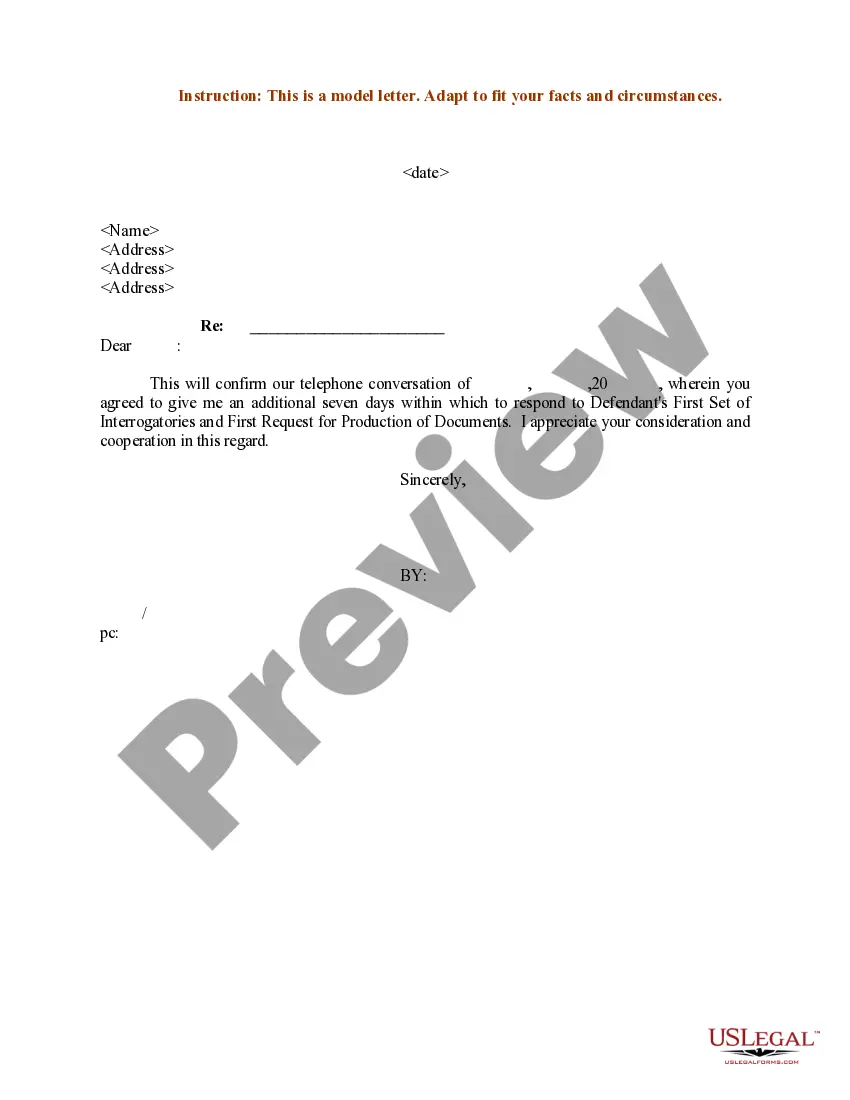
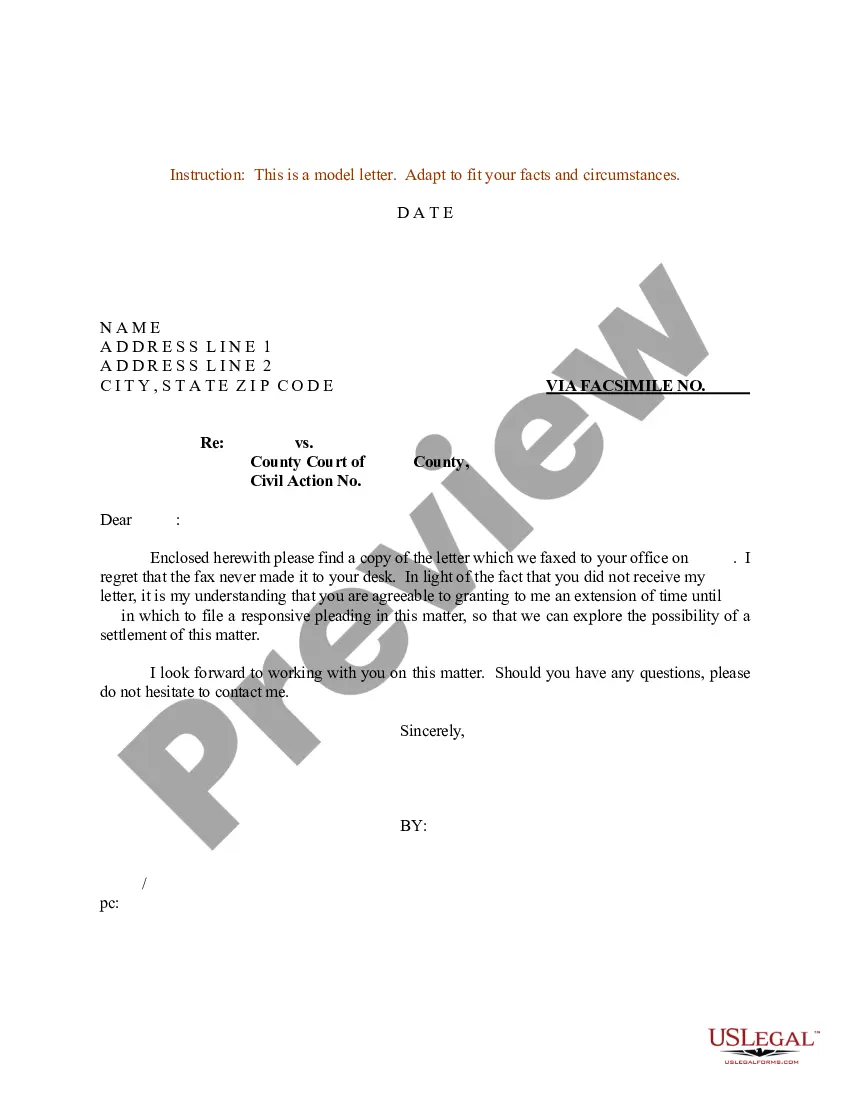


Get your form ready online
Our built-in tools help you complete, sign, share, and store your documents in one place.
Make edits, fill in missing information, and update formatting in US Legal Forms—just like you would in MS Word.
Download a copy, print it, send it by email, or mail it via USPS—whatever works best for your next step.
Sign and collect signatures with our SignNow integration. Send to multiple recipients, set reminders, and more. Go Premium to unlock E-Sign.
If this form requires notarization, complete it online through a secure video call—no need to meet a notary in person or wait for an appointment.
We protect your documents and personal data by following strict security and privacy standards.

Make edits, fill in missing information, and update formatting in US Legal Forms—just like you would in MS Word.

Download a copy, print it, send it by email, or mail it via USPS—whatever works best for your next step.

Sign and collect signatures with our SignNow integration. Send to multiple recipients, set reminders, and more. Go Premium to unlock E-Sign.

If this form requires notarization, complete it online through a secure video call—no need to meet a notary in person or wait for an appointment.

We protect your documents and personal data by following strict security and privacy standards.
Looking for another form?








Form popularity
FAQ
“Not guilty by reason of insanity” is a plea by a criminal defendant who admits the criminal act, but claims that they were mentally disturbed at the time of the crime and lacked the mental capacity to have intended to commit a crime. Such a plea requires that a court conduct a trial on the issue of insanity alone.
Legal insanity requires that the person, by reason of mental disease or defect was incapable of either: Knowing the nature of his or her act. Understanding the nature of his or her act. Distinguishing between right and wrong at the time of commission of the crime.
6075 and section 37 of this act, a proceeding for an involuntary court-ordered admission of any person in the State of Nevada may be commenced by the filing of a petition for the involuntary admission to a mental health facility with the clerk of the district court of the county where the person who is to be treated ...
The Insanity Defense in Practice Despite public fears, defendants do not abuse the insanity defense. In felony cases, the defense is invoked less than 1% of the time, and even when it is employed, it is only successful 25% of the time.
In the criminal justice system, defendants are rarely successful with the insanity plea. ing to one study, the insanity defense is only used in about 1% of all court cases. It is only successful in about 26% of those cases. A defense of “temporary insanity” is difficult to prove.
Most courts have held that diagnoses such as schizophrenia, major depressive disorder, and bipolar disorder qualify as a mental disease for the purpose of insanity. Diagnoses such as personality disorders, paraphilias, and voluntary substance intoxication do not usually qualify.
Under 18 U.S.C. § 17(b), the burden has been shifted to the defendant to prove the defense of insanity by clear and convincing evidence.
Penal Code section 1026, et. Seq. Legal insanity requires that the person, by reason of mental disease or defect was incapable of either: Knowing the nature of his or her act. Understanding the nature of his or her act. Distinguishing between right and wrong at the time of commission of the crime.
The insanity defense refers to a defense that a defendant can plead in a criminal trial. In an insanity defense, the defendant admits the action but asserts a lack of culpability based on mental illness. The insanity defense is classified as an affirmative defense, rather than a partial defense.
Burden of Proof: In California, the burden of proving insanity rests with the defendant, who must establish the defense by a preponderance of the evidence. This means that the defendant must show that it is more likely than not that they were legally insane at the time of the offense.

