Time Extension For Construction Project In Middlesex
Description
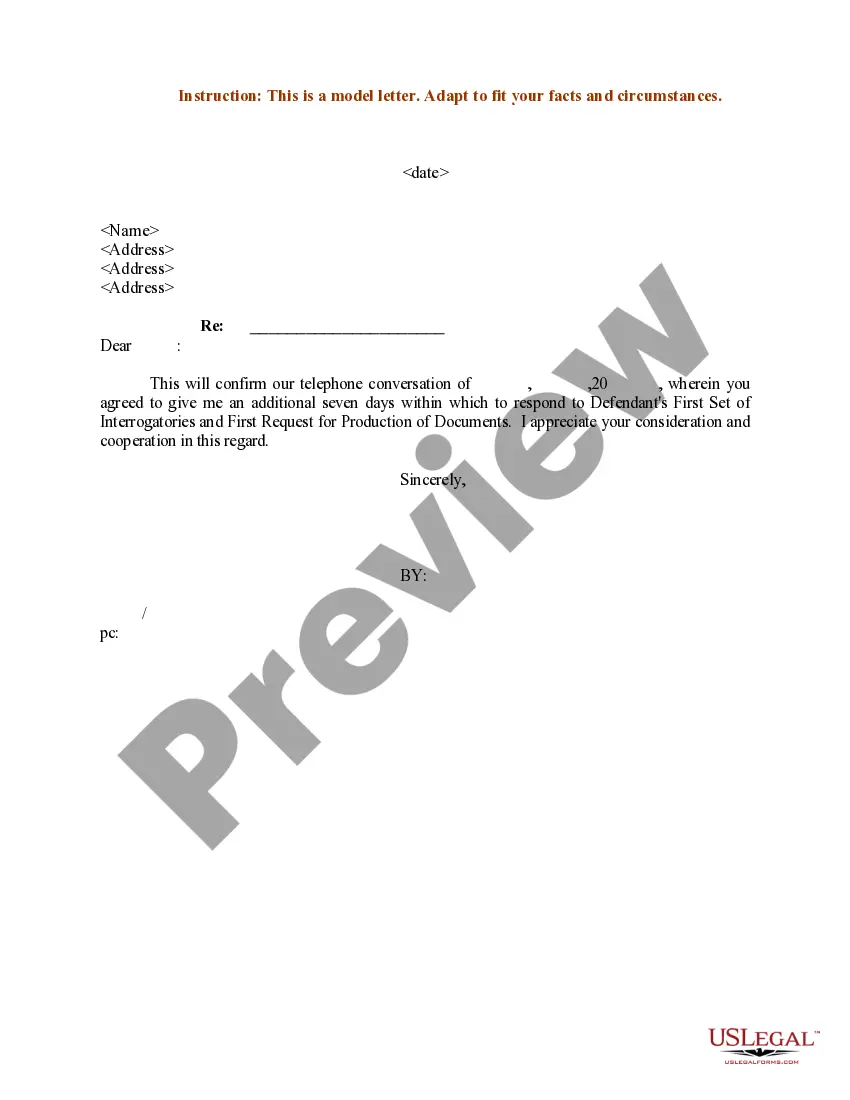
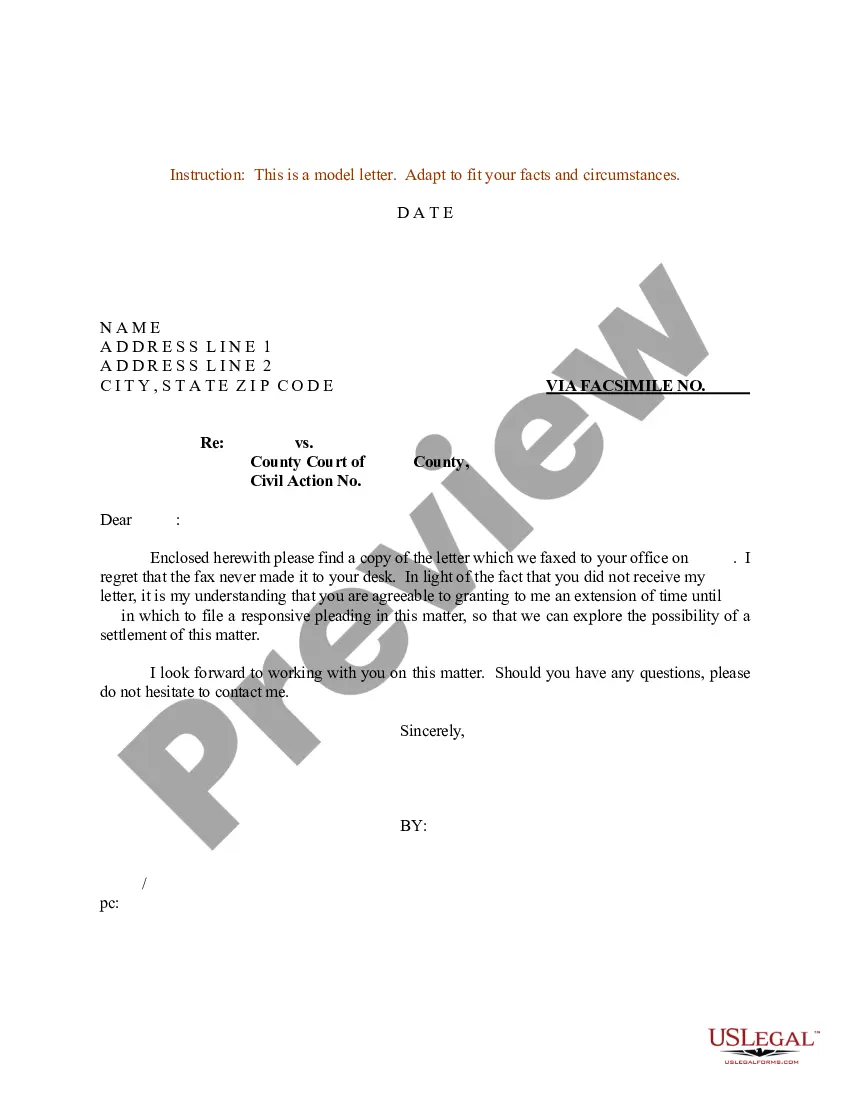
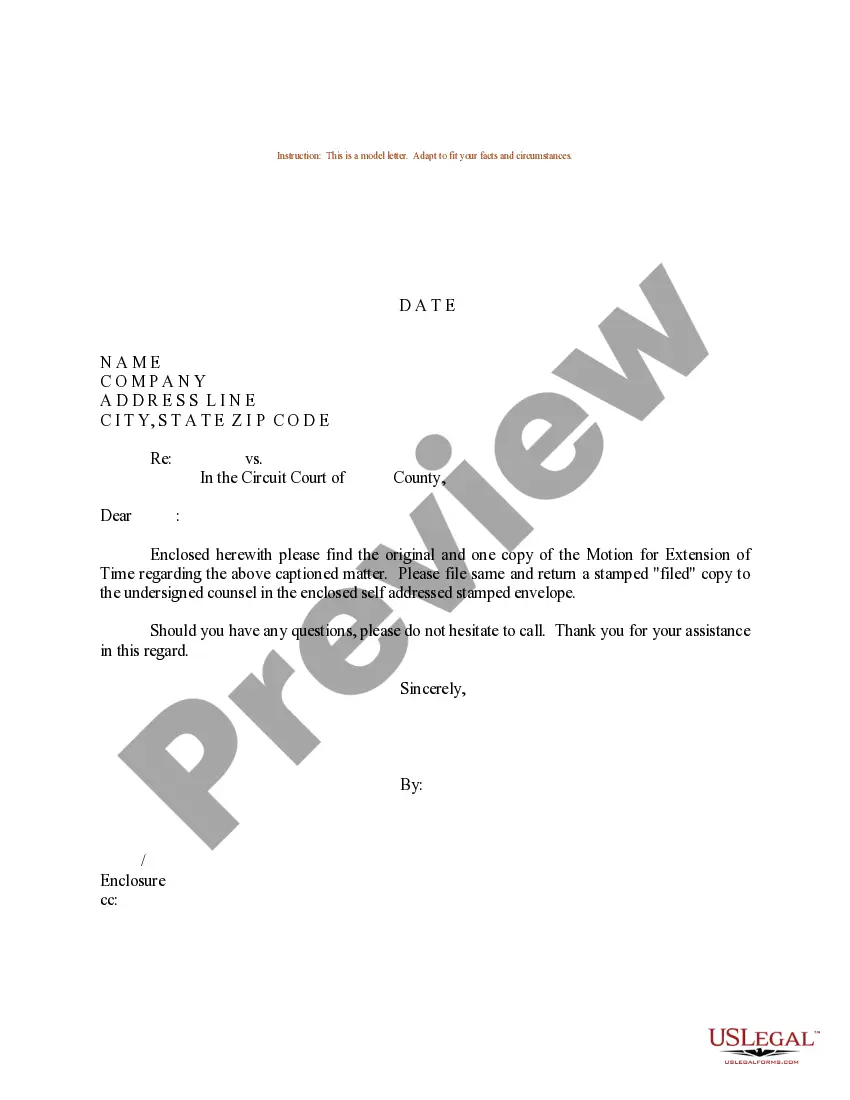
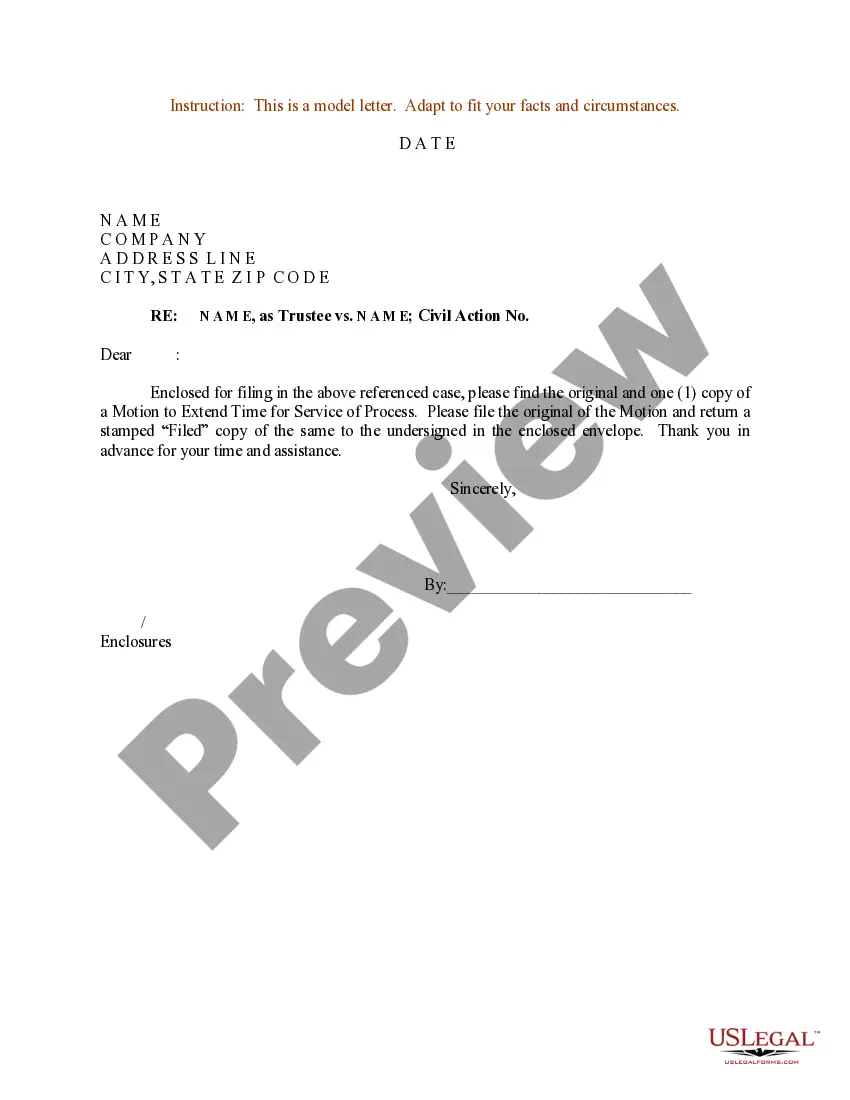
Get your form ready online
Our built-in tools help you complete, sign, share, and store your documents in one place.
Make edits, fill in missing information, and update formatting in US Legal Forms—just like you would in MS Word.
Download a copy, print it, send it by email, or mail it via USPS—whatever works best for your next step.
Sign and collect signatures with our SignNow integration. Send to multiple recipients, set reminders, and more. Go Premium to unlock E-Sign.
If this form requires notarization, complete it online through a secure video call—no need to meet a notary in person or wait for an appointment.
We protect your documents and personal data by following strict security and privacy standards.

Make edits, fill in missing information, and update formatting in US Legal Forms—just like you would in MS Word.

Download a copy, print it, send it by email, or mail it via USPS—whatever works best for your next step.

Sign and collect signatures with our SignNow integration. Send to multiple recipients, set reminders, and more. Go Premium to unlock E-Sign.

If this form requires notarization, complete it online through a secure video call—no need to meet a notary in person or wait for an appointment.

We protect your documents and personal data by following strict security and privacy standards.
Looking for another form?




Form popularity
FAQ
How to Draft an Extension of Time (EOT) Claim: A Step-by-Step template guide Executive Summary. Project Information. Contract Information. Approved Baseline Programme & Schedule Updates. Contractor's Progress. Delay Notices and Change Order Request. Time Bar Notice. Contract Clauses Aiding the Claim:
An EOT (extension of time) is a request to move the completion date of a project due to causes that could not be foreseen at the time of contract signing.
Extension of time clauses allow parties to continue project execution without financial penalties. In general, an extension of time is granted when the cause of the delay is beyond the parties' control and interferes with the path to practical completion.
Top 10 Secrets for a Successful Extension of Time Claim Demonstrated Contractual Entitlement. Detailed Records. Clearly Documented Delay Events. Choose an appropriate Delay Analysis Method. Develop Strong Fragnets. Choose the Correct Programme to Impact. Address Issues of Culpability, Compensability and Concurrency.
How to Draft an Extension of Time (EOT) Claim: A Step-by-Step template guide Executive Summary. Project Information. Contract Information. Approved Baseline Programme & Schedule Updates. Contractor's Progress. Delay Notices and Change Order Request. Time Bar Notice. Contract Clauses Aiding the Claim:
An extension of time is usually only given if the contractor proves that the delay to the completion date is not down to his action or inaction. Common reasons for an extension of time would include adverse weather, variations to the works from the employer or difficulties encountered on site.
An extension of time clause allows a party to a building contract to extend the time for completion of the building works beyond the original date of completion. Extension of time clauses allow parties to continue project execution without financial penalties.
Requesting a deadline extension You may ask for an extension. Make sure you have a concrete and appropriate reason for asking for an extension. Don't wait until the last minute to ask for an extension. Be tactful and diplomatic in your wording. For the sake of speed, phone the employer to discuss the situation.
Step-by-Step Guide: How to Write an EOT Notice Review the Contract. Describe the Delay Event. Assess the Schedule Impact. Propose a New Completion Date. List Mitigation Efforts. Compile Supporting Evidence. Draft the Notice. Submit Promptly.

