Pleading With In Massachusetts
Description
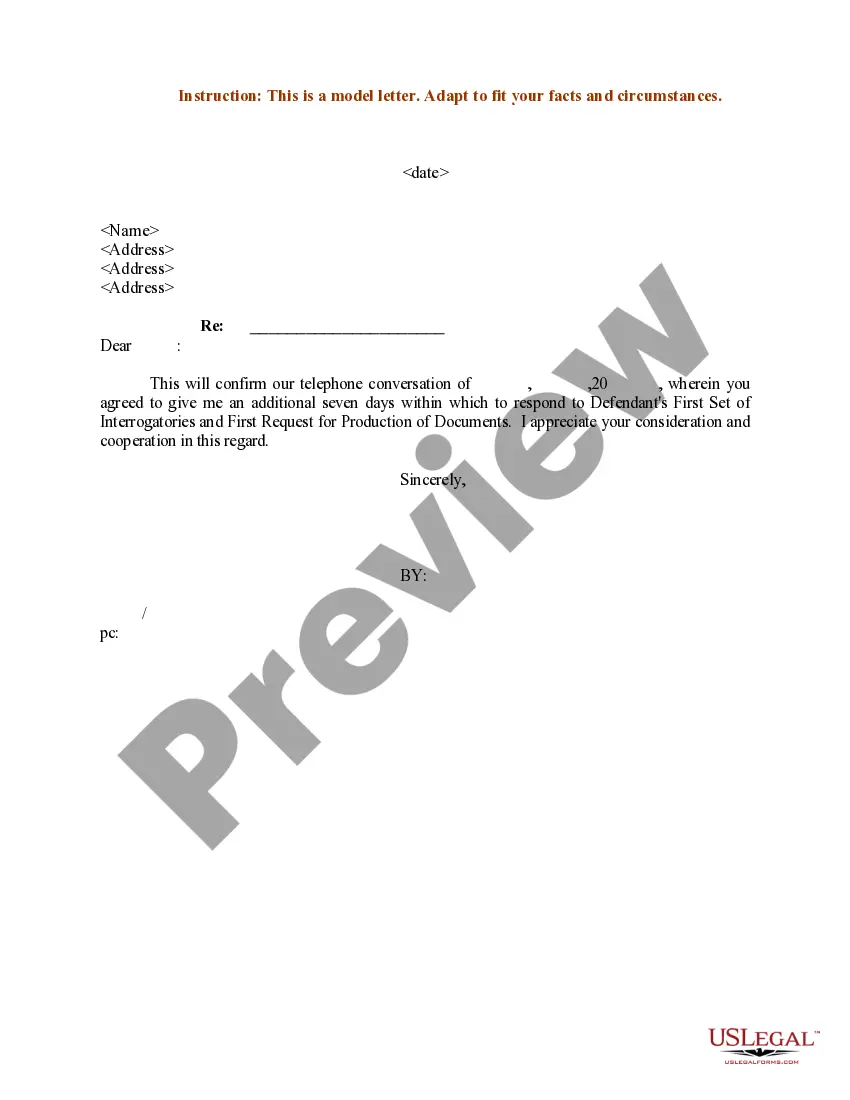
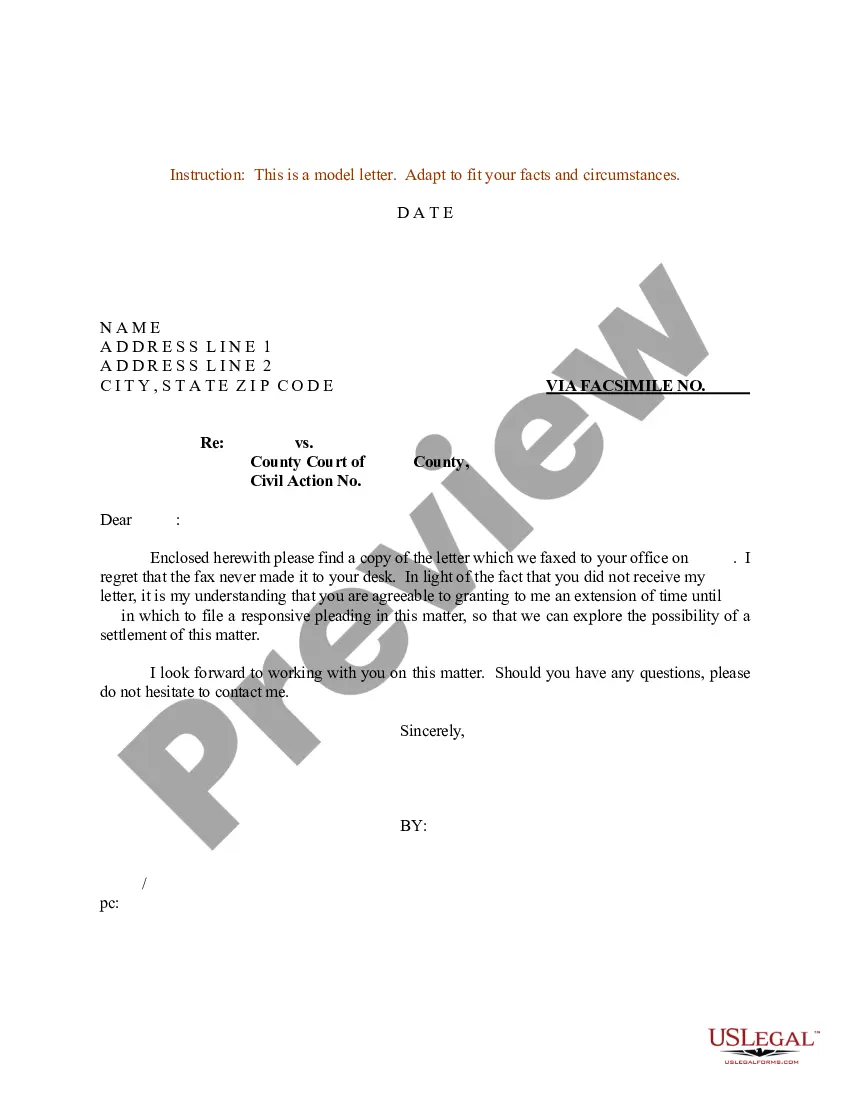


Get your form ready online
Our built-in tools help you complete, sign, share, and store your documents in one place.
Make edits, fill in missing information, and update formatting in US Legal Forms—just like you would in MS Word.
Download a copy, print it, send it by email, or mail it via USPS—whatever works best for your next step.
Sign and collect signatures with our SignNow integration. Send to multiple recipients, set reminders, and more. Go Premium to unlock E-Sign.
If this form requires notarization, complete it online through a secure video call—no need to meet a notary in person or wait for an appointment.
We protect your documents and personal data by following strict security and privacy standards.

Make edits, fill in missing information, and update formatting in US Legal Forms—just like you would in MS Word.

Download a copy, print it, send it by email, or mail it via USPS—whatever works best for your next step.

Sign and collect signatures with our SignNow integration. Send to multiple recipients, set reminders, and more. Go Premium to unlock E-Sign.

If this form requires notarization, complete it online through a secure video call—no need to meet a notary in person or wait for an appointment.

We protect your documents and personal data by following strict security and privacy standards.
Looking for another form?



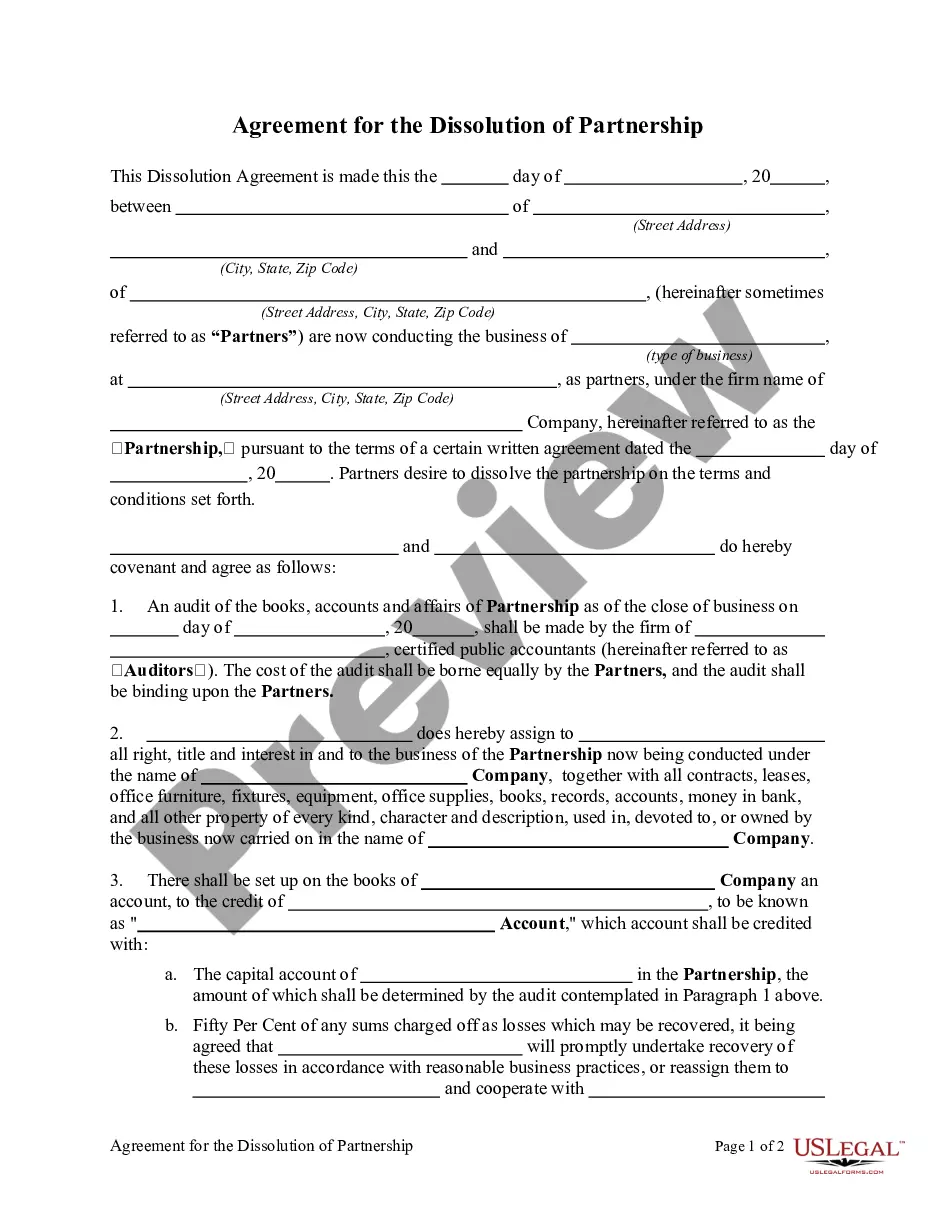



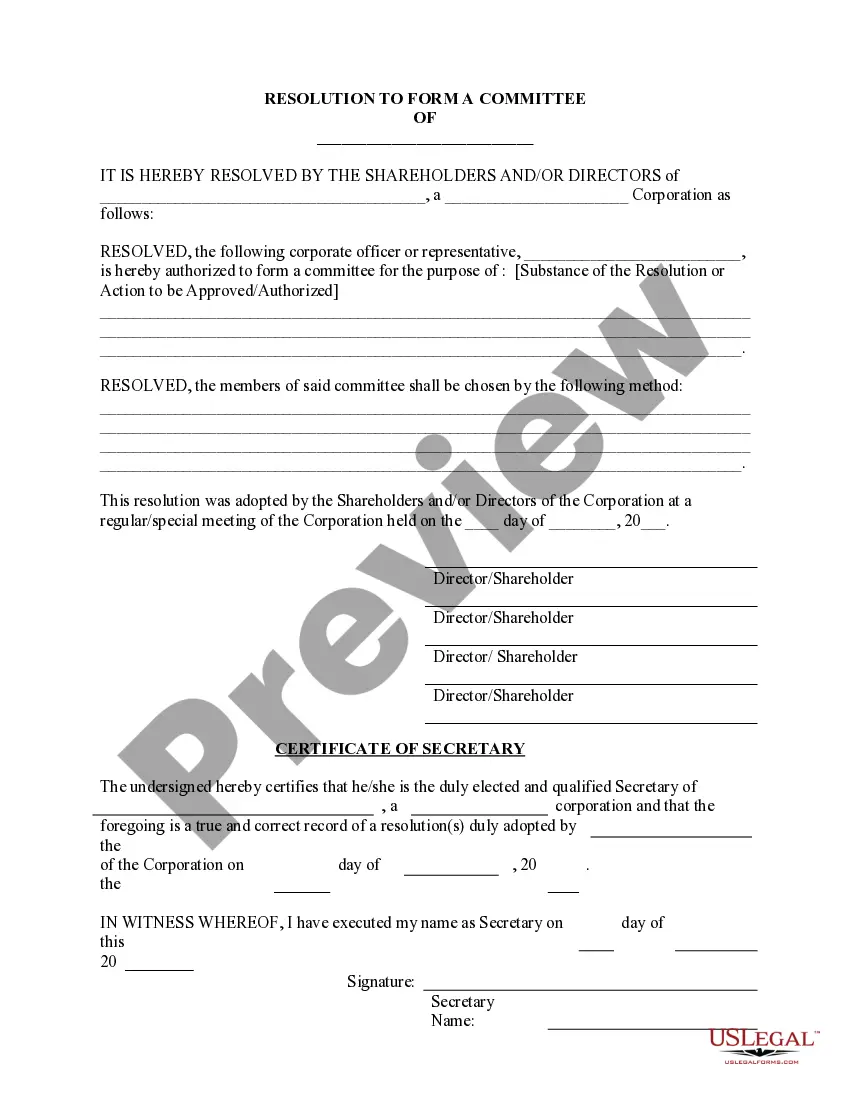


Form popularity
FAQ
While there is no specific age when judges will consider a child's preference, judges tend to give the opinions of older teenagers more weight.
There are several types of pleadings in civil litigation. These include complaints, which serve as the basis of the legal action, and answers, which are the responses to the complaints. There may also be counterclaims, crossclaims, and third-party claims, which are also types of pleadings.
Summary Judgment. (a) Motion for Summary Judgment or Partial Summary Judgment. A party may move for summary judgment, identifying each claim or defense – or the part of each claim or defense – on which summary judgment is sought.
Rule 56 - Summary Judgment (a)Motions for Summary Judgment. A party may move for summary judgment subsequent to the commencement of any proceeding under these rules except in actions for divorce or in actions for custody or visitation or for criminal contempt.
Like prior law, Rule 9(a) places on the party disputing capacity, authority or legal existence the initial burden of controverting it. Massachusetts cases hold that, unless the lack of capacity appears on the face of the pleadings, the question of alleging lack of capacity to sue or be sued is a matter or abatement.
Rule 7 reflects the belief that extensive and complex pleadings are not desirable as a vehicle for the narrowing of issues in a case and that this function can be better performed by discovery and the use of the pretrial conference.
The general conditions of probation shall be set forth in a standard form approved by the Justices of the Superior Court, which may be modified by the sentencing judge in his or her discretion.
Examples of what you can exempt under Massachusetts law include: Up to $500,000 equity in your home or $1 million for two who are disabled or elderly. $7,500 exemption for your vehicle or up to $15,000 for the handicapped or elderly. Your clothing and bedding.

