Pleading With You Meaning In Maryland
Description
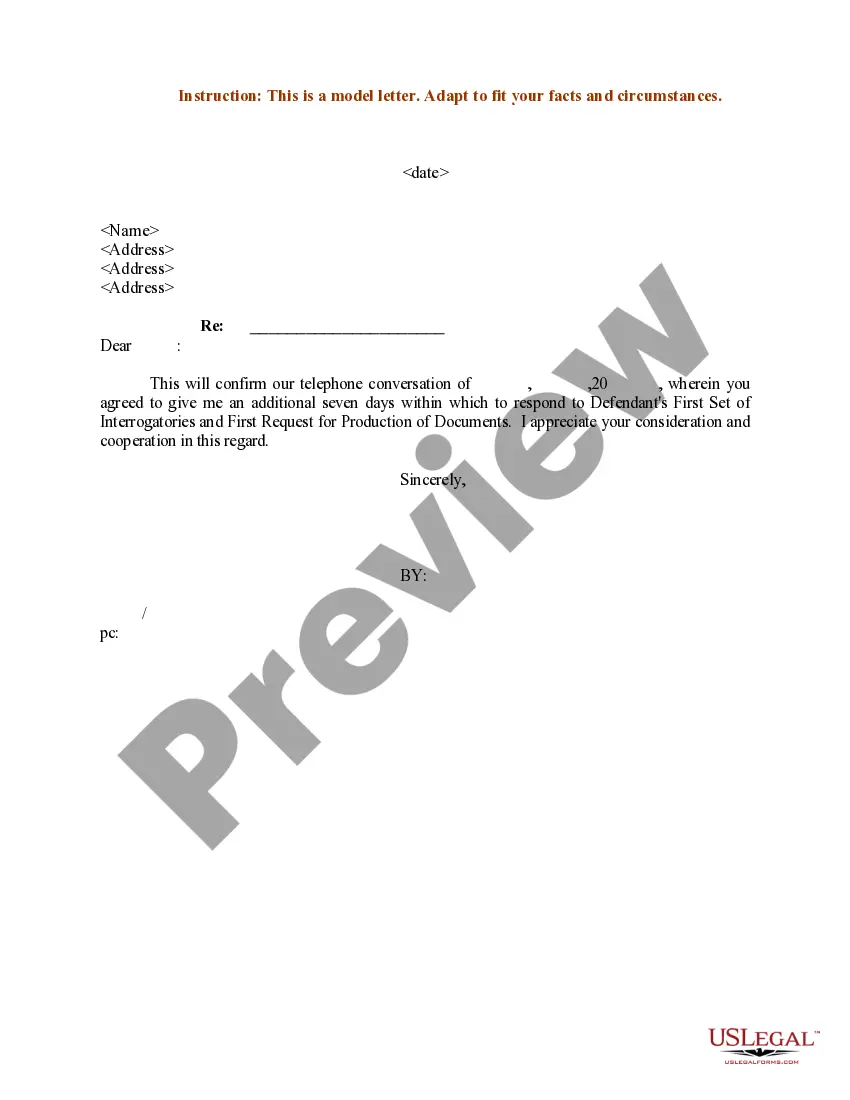
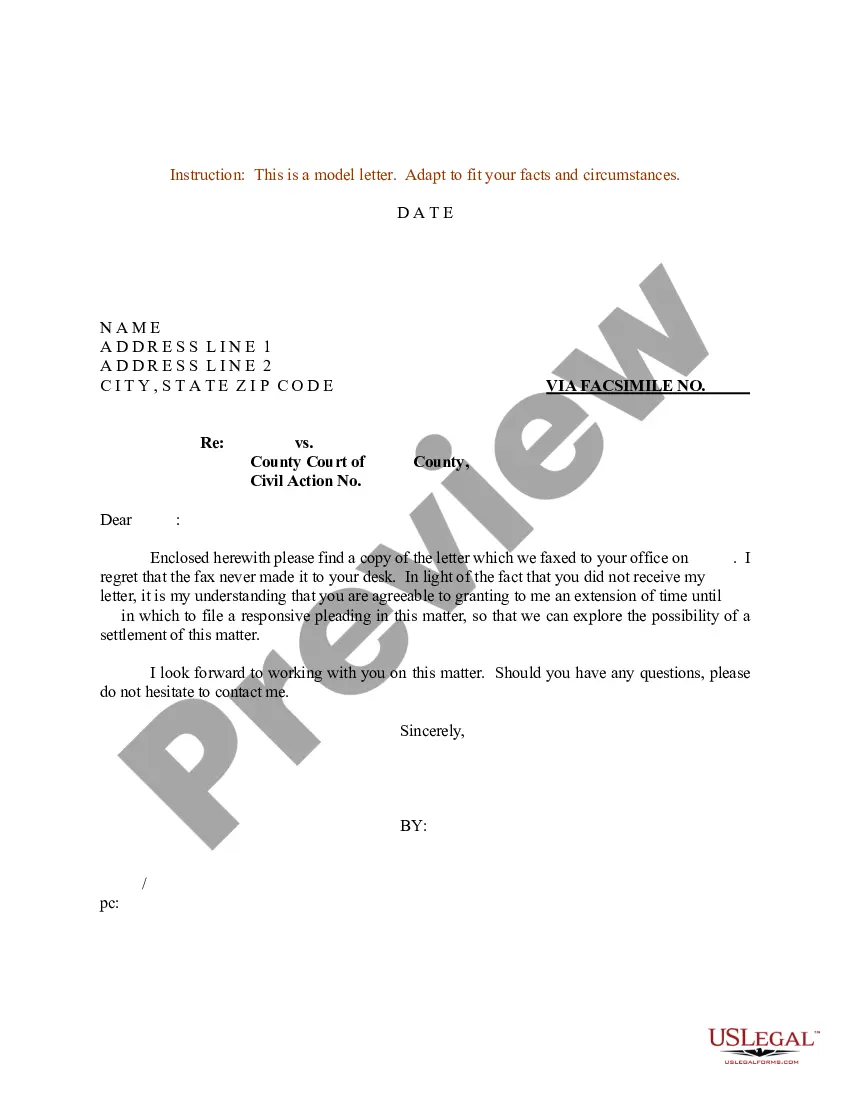
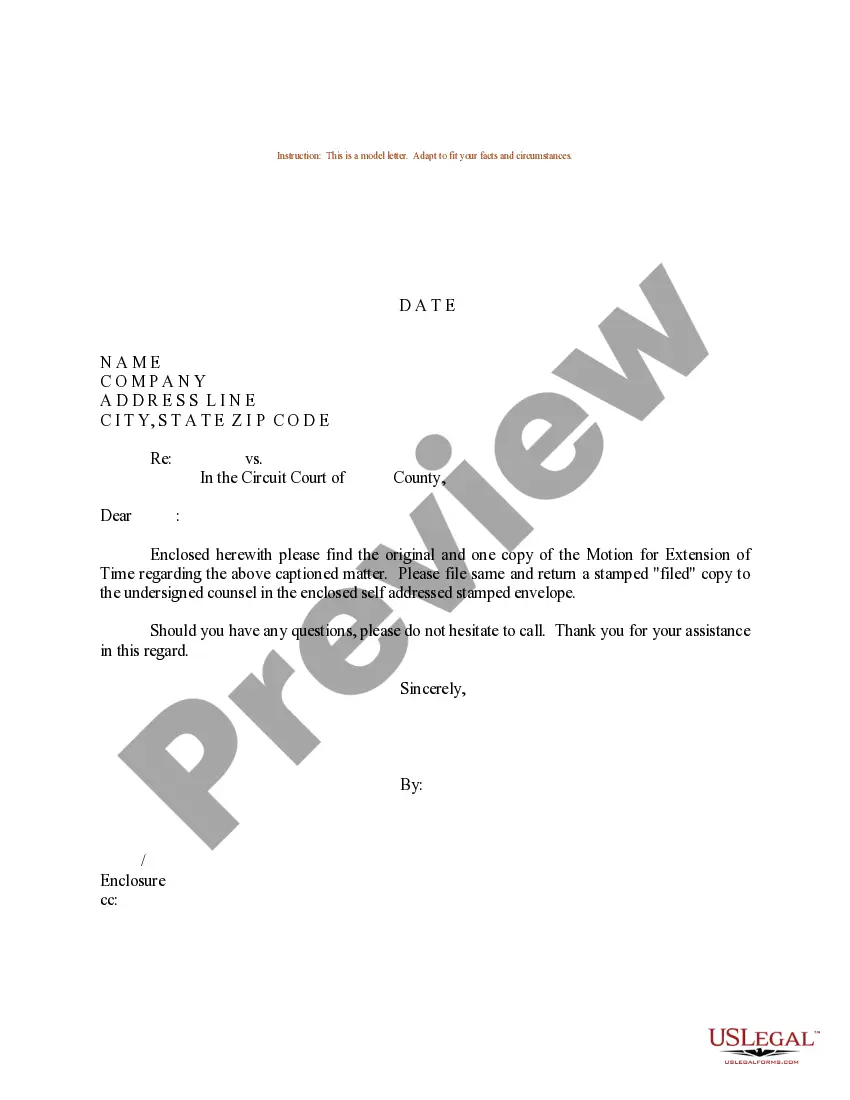
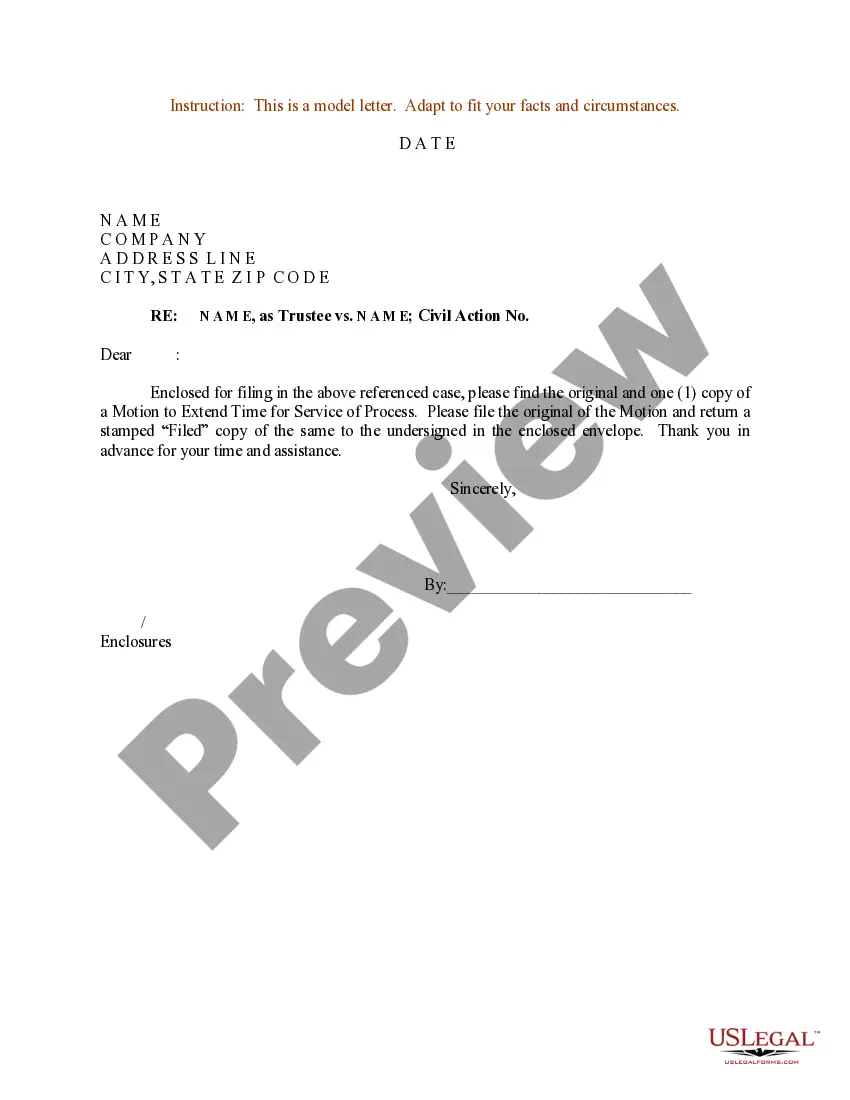
Get your form ready online
Our built-in tools help you complete, sign, share, and store your documents in one place.
Make edits, fill in missing information, and update formatting in US Legal Forms—just like you would in MS Word.
Download a copy, print it, send it by email, or mail it via USPS—whatever works best for your next step.
Sign and collect signatures with our SignNow integration. Send to multiple recipients, set reminders, and more. Go Premium to unlock E-Sign.
If this form requires notarization, complete it online through a secure video call—no need to meet a notary in person or wait for an appointment.
We protect your documents and personal data by following strict security and privacy standards.

Make edits, fill in missing information, and update formatting in US Legal Forms—just like you would in MS Word.

Download a copy, print it, send it by email, or mail it via USPS—whatever works best for your next step.

Sign and collect signatures with our SignNow integration. Send to multiple recipients, set reminders, and more. Go Premium to unlock E-Sign.

If this form requires notarization, complete it online through a secure video call—no need to meet a notary in person or wait for an appointment.

We protect your documents and personal data by following strict security and privacy standards.
Looking for another form?







Form popularity
FAQ
Once a judge has accepted your plea deal, sentencing can be almost immediate, or could take months. There is no one-size-fits-all answer. Ultimately, it will come down to the severity of the charges against you, the state you're in, the court, and the judge.
It's better to plea bargain than go to trial if you (or your attorney) believe that there is sufficient evidence to convince a jury that you are guilty beyond a reasonable doubt -- regardless of whether you are factually innocent or guilty of the charges presented against you.
If you plead guilty, you are accepting responsibility for the offence, meaning there will be no trial, and the case will proceed to sentencing. However, the outcome of your case will still depend on several factors, including the seriousness of the offence and any aggravating or mitigating circumstances.
STATE PLEADING STANDARD (Md. Rule 2-305(a) and 3-305.) The complaint's averments must be simple, concise, and direct. The complaint must contain only the statements of fact that are necessary to show the plaintiff's entitlement to relief.
When defendants enter a negotiated plea, judges make sure they understand the rights they are giving up. Pleading guilty is a big step in a criminal case. The defendant admits to the charges and gives up their right to a trial and the right to make the prosecution prove the allegations beyond a reasonable doubt.
1. : to argue a case or cause in a court of law. 2. a. : to make an allegation in an action or other legal proceeding.
When defendants are “served,” they are notified that a lawsuit has been filed against them and summoned to appear for trial by a Writ of Summons, which the court issues after you file your complaint. The Writ of Summons includes the case number and a trial date, time and location.
When the court says "writ/summons/pleading" it just means that the court has notified both the defense and prosecution of the order, and this is how they code it.
A pleading shall contain only such statements of fact as may be necessary to show the pleader's entitlement to relief or ground of defense. It shall not include argument, unnecessary recitals of law, evidence, or documents, or any immaterial, impertinent, or scandalous matter.
The court will issue a Writ of Summons to officially notify the other side (called “the defendant”) that a suit has been filed. Proof of Service (DC-CV-002) is submitted to the court that the other side has been notified, or served.

