Pleading For Forgiveness In Maryland
Description
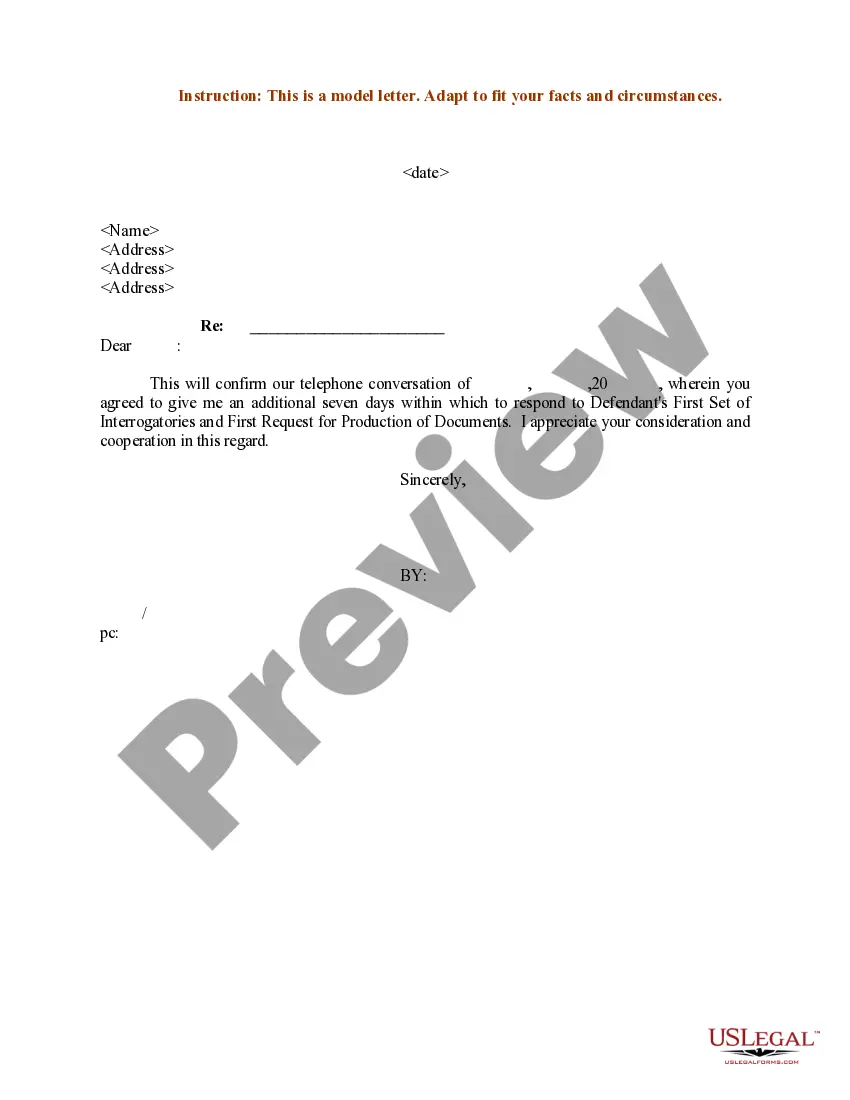
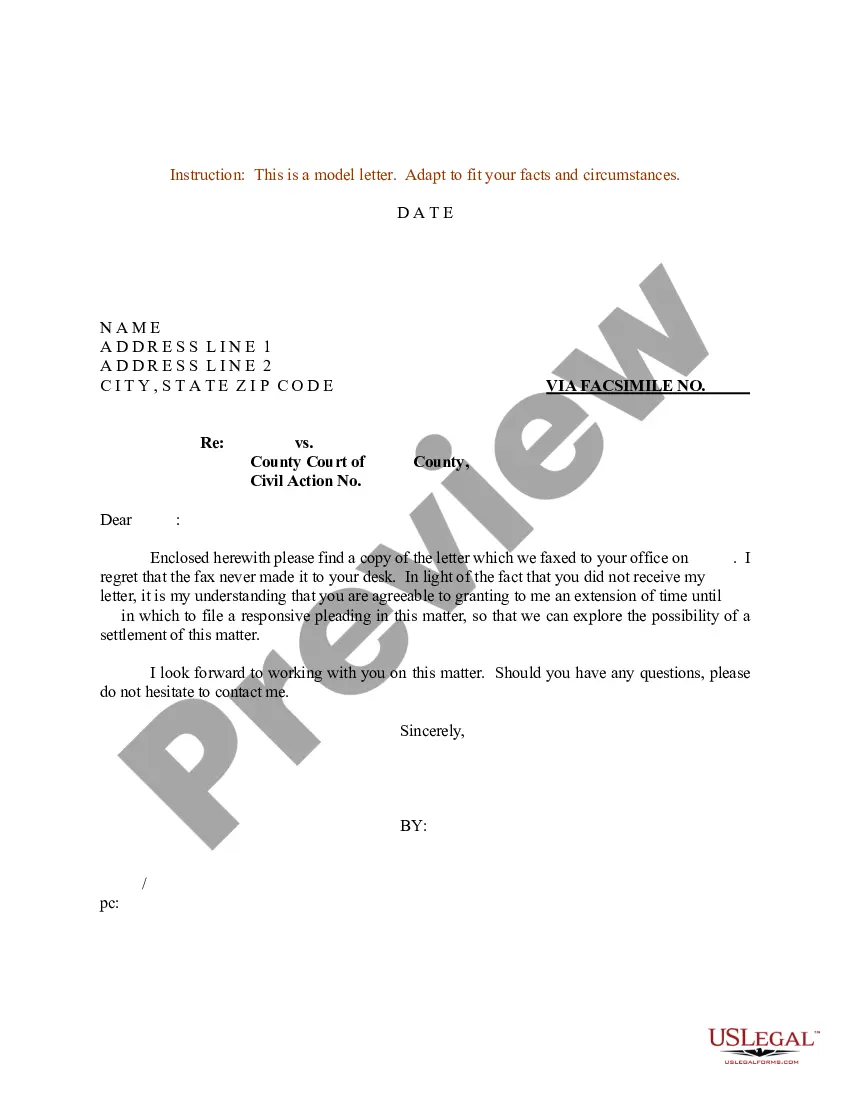


Get your form ready online
Our built-in tools help you complete, sign, share, and store your documents in one place.
Make edits, fill in missing information, and update formatting in US Legal Forms—just like you would in MS Word.
Download a copy, print it, send it by email, or mail it via USPS—whatever works best for your next step.
Sign and collect signatures with our SignNow integration. Send to multiple recipients, set reminders, and more. Go Premium to unlock E-Sign.
If this form requires notarization, complete it online through a secure video call—no need to meet a notary in person or wait for an appointment.
We protect your documents and personal data by following strict security and privacy standards.

Make edits, fill in missing information, and update formatting in US Legal Forms—just like you would in MS Word.

Download a copy, print it, send it by email, or mail it via USPS—whatever works best for your next step.

Sign and collect signatures with our SignNow integration. Send to multiple recipients, set reminders, and more. Go Premium to unlock E-Sign.

If this form requires notarization, complete it online through a secure video call—no need to meet a notary in person or wait for an appointment.

We protect your documents and personal data by following strict security and privacy standards.
Looking for another form?
Form popularity
FAQ
If you want to ask the sentencing Judge to modify your sentence, you can do so by filing a "Motion for Reconsideration of Modification of Sentence," or you can write a letter to the sentencing Judge that clearly states your case number, your current sentence, and your reasons for requesting reconsideration or ...
A pleading shall contain only such statements of fact as may be necessary to show the pleader's entitlement to relief or ground of defense. It shall not include argument, unnecessary recitals of law, evidence, or documents, or any immaterial, impertinent, or scandalous matter.
You can file a motion to revise or vacate (cancel) the judgment in writing within 30 days after the date of the judgment. This motion is usually filed to correct clerical errors, or to vacate a judgment if you believe that you were not served with the court papers or were not notified of the court date.
The deadline for most appeals is 30 days from entry of a final judgment or appealable order. Whenever possible, discuss your appeal deadline and appeals process with a lawyer.
Notice of Intention to Defend - This is a form located on the bottom of your summons. Complete the Notice of Intention to Defend if you dispute owing all or some of what the plaintiff claims. The completed form must be returned to the Maryland District Court location listed at the top of your summons.
Address the Court: Start by addressing the judge respectfully. - ``Your Honor,'' Acknowledge the Situation: Briefly acknowledge what you did wrong. Express Remorse: Clearly state your feelings of regret. Take Responsibility: Accept responsibility for your actions.
What to include in an apology letter to the court? Your name and an introduction about yourself. Accept responsibility for the offence. Apologise for the offence. Show any remorse you have for the offence. Give an explanation as to why your committed the offence.
A pleading shall contain only such statements of fact as may be necessary to show the pleader's entitlement to relief or ground of defense. It shall not include argument, unnecessary recitals of law, evidence, or documents, or any immaterial, impertinent, or scandalous matter.
Asking For Forgiveness Apologize to the person you have wronged. Explain why you did what you did, but don't make excuses. Demonstrate empathy. Try to make things right. Show them that you've changed. Ask for their forgiveness. Try to sweeten the deal.
Here are 4 ways to sincerely ask for forgiveness: Admit what you did that was wrong. Acknowledge your loved one was wronged and you were at fault. Explain what you did wrong. Correct what you did wrong, if you can, with follow-up actions. Give some space and time.

