Pleading With God In Illinois
Description
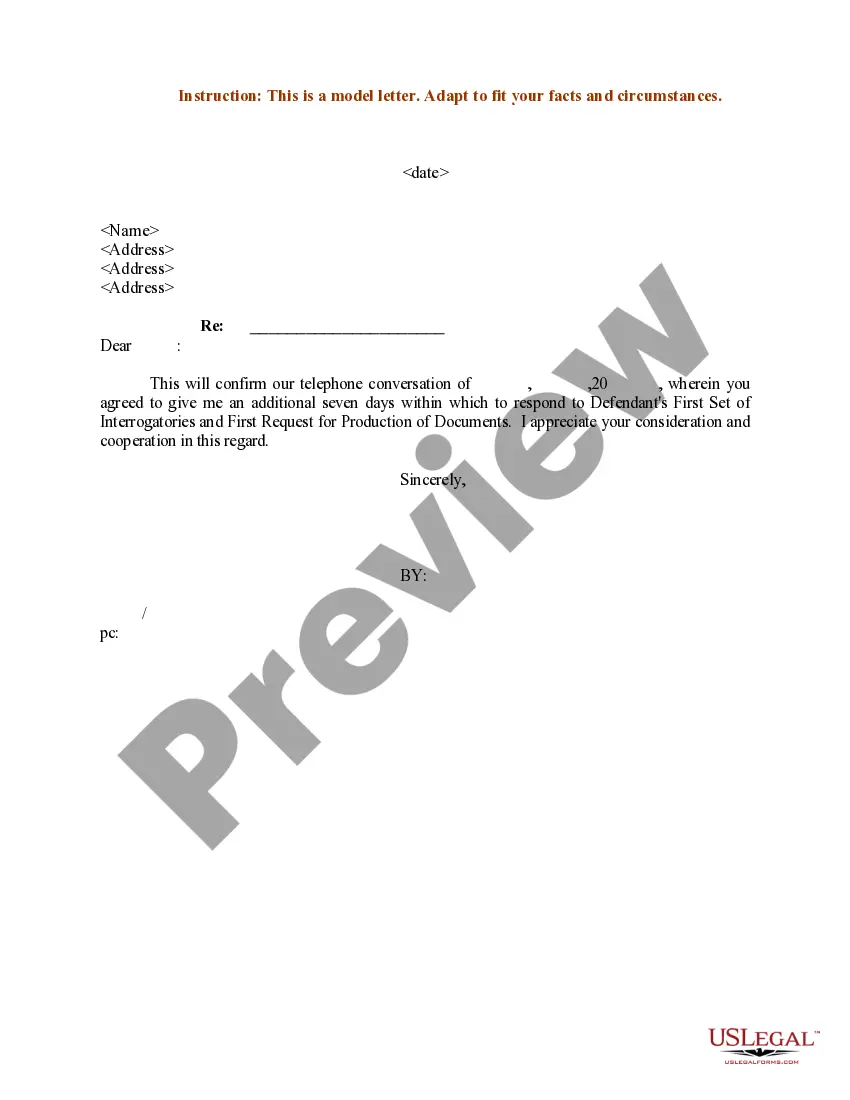
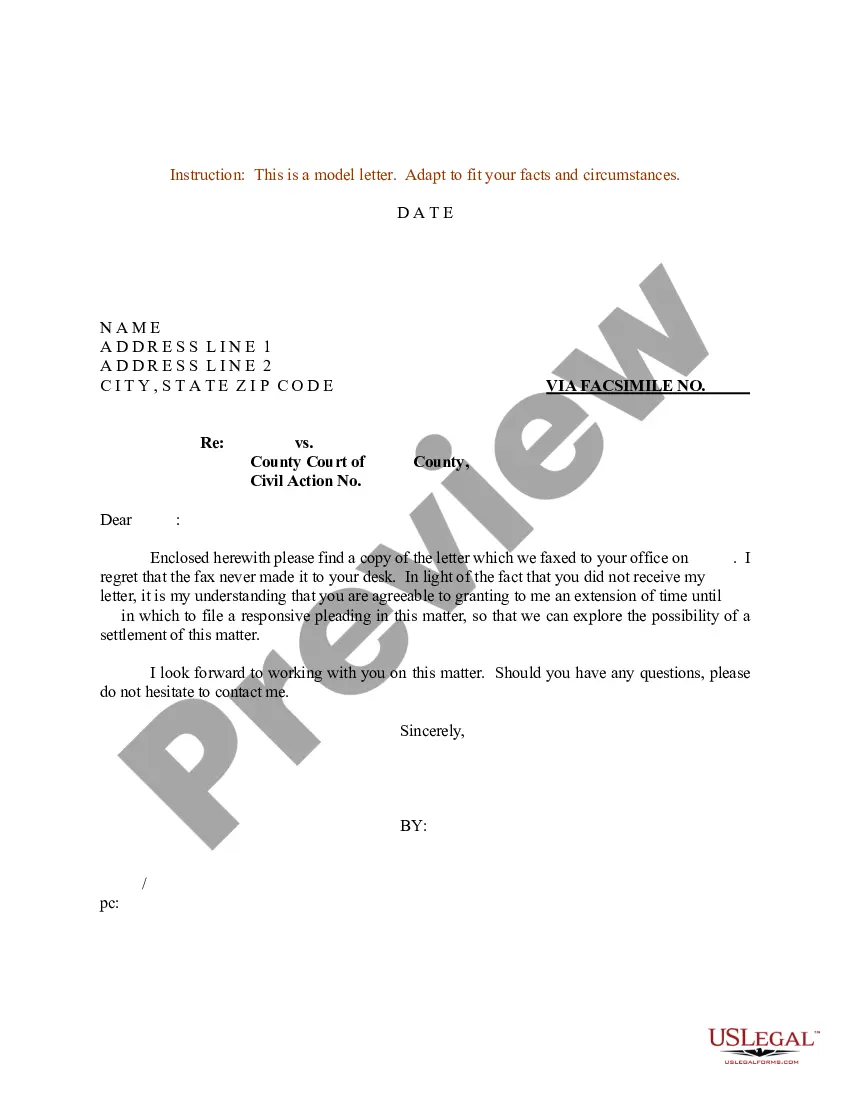
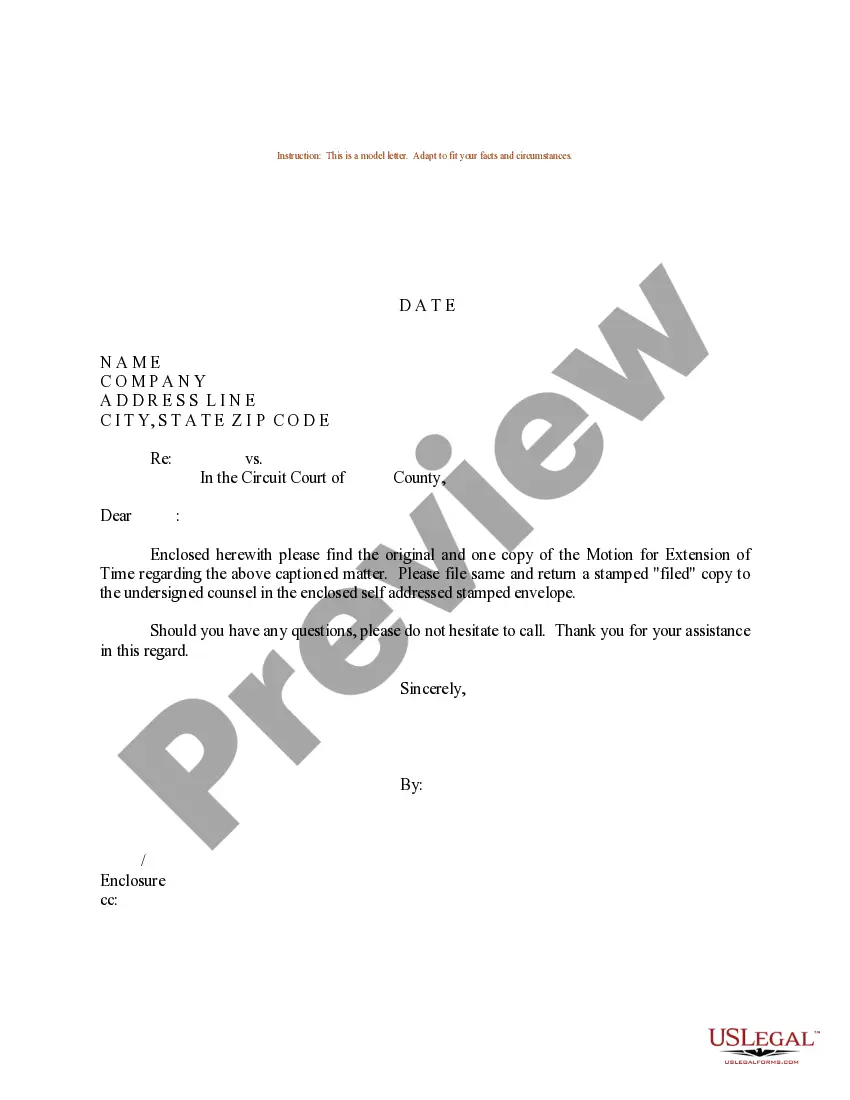
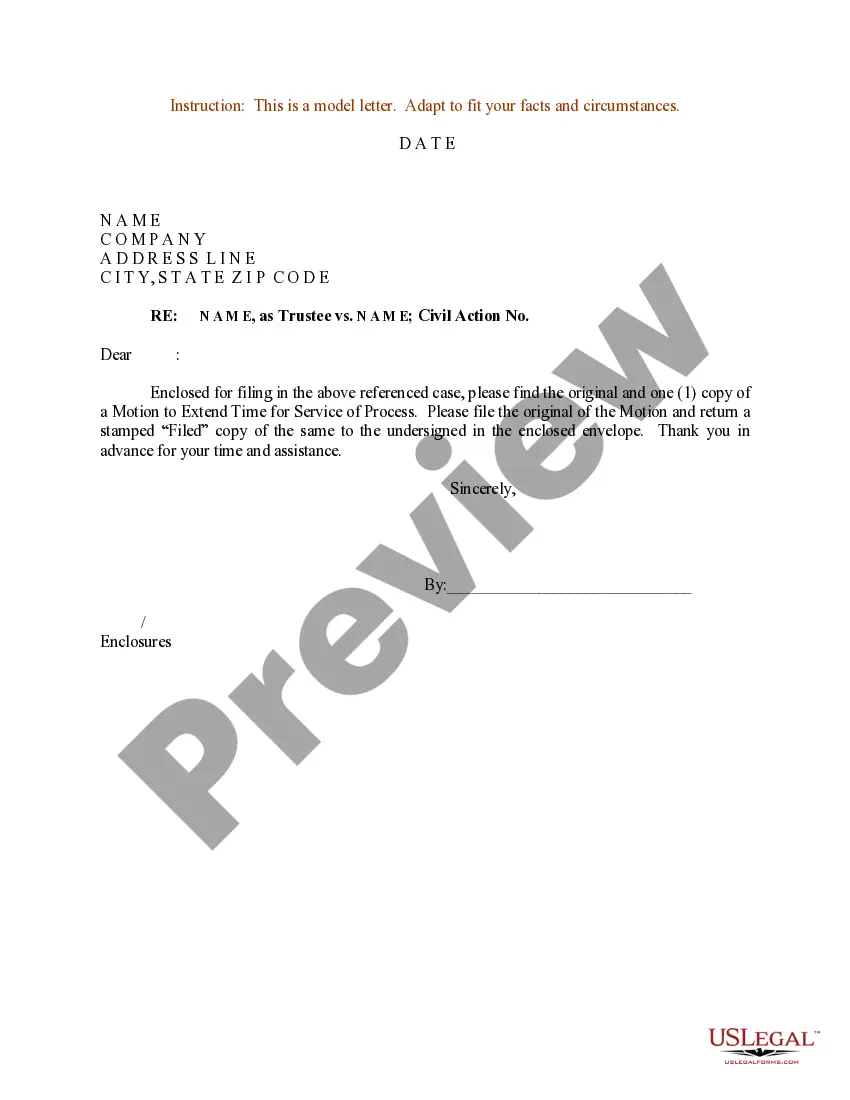
Get your form ready online
Our built-in tools help you complete, sign, share, and store your documents in one place.
Make edits, fill in missing information, and update formatting in US Legal Forms—just like you would in MS Word.
Download a copy, print it, send it by email, or mail it via USPS—whatever works best for your next step.
Sign and collect signatures with our SignNow integration. Send to multiple recipients, set reminders, and more. Go Premium to unlock E-Sign.
If this form requires notarization, complete it online through a secure video call—no need to meet a notary in person or wait for an appointment.
We protect your documents and personal data by following strict security and privacy standards.

Make edits, fill in missing information, and update formatting in US Legal Forms—just like you would in MS Word.

Download a copy, print it, send it by email, or mail it via USPS—whatever works best for your next step.

Sign and collect signatures with our SignNow integration. Send to multiple recipients, set reminders, and more. Go Premium to unlock E-Sign.

If this form requires notarization, complete it online through a secure video call—no need to meet a notary in person or wait for an appointment.

We protect your documents and personal data by following strict security and privacy standards.
Looking for another form?






Form popularity
FAQ
A motion is an application to the court made by the prosecutor or defense attorney, requesting that the court make a decision on a certain issue before the trial begins. The motion can affect the trial, courtroom, defendants, evidence, or testimony.
Things You Should Know Write your legal argument by stating the rule and explaining how your facts apply to it. Then, add your signature, a Certificate of Service, and a Notice of Hearing. File your motion with the clerk of court overseeing your case. Then, give copies to each defendant.
8 The Illinois Code of Civil Procedure (Code) requires pleadings to “contain a plain and concise statement of the pleader's cause of action, counterclaim, defense, or reply.”9 In other words, the pleading must contain a plain statement identifying what the pleader is alleging or denying.
Filing the Motion and Notice of Motion. The Motion and the Notice of Motion need to be e-filed with the Clerk of the Court. The e-Filing system will reject your filing if you do not enter a court date on the form before e-filing it.
In some circumstances, you file a petition or a motion. The court has several complaint forms that you may use in drafting your complaint. The forms are available online and at the Pro Se Intake Unit. You may also write your own complaint without using a court form.
Rule 41 - Judicial Conference (a)Duties. There shall be a Judicial Conference to consider the work of the courts, to suggest improvements in the administration of justice. The Judicial Conference shall be the body to strategically plan for the Illinois judicial branch.
Either side in a case can file a motion. In some instances, a non-party may file a motion (for example, a motion to quash a subpoena issued in the case). Motions are electronically filed (e-file) with the court clerk where your case is being heard and are decided by a judge at a motion hearing.
But the Bible teaches and shows that prayer is so much more than making requests to the Father. Not that there's anything wrong with making an appeal to God—Jesus teaches us to “ask, seek, knock” (Matthew ), and Paul urges the Philippians to “let your requests be made known to God” (Phil.
Put Him in Remembrance It means that as a covenant believer, you can stand before the throne of God when you pray and remind Him of His promises. You can lay your case legally before Him and plead your case as a lawyer would plead his case before a judge.
Pleading with God is that part of prayer (a subset of supplication) in which we argue our case with God, as Isaac Watts wonderfully says, “in a fervent yet humble manner.” It is not just petition, but petition well-reasoned. It is not just requesting, but passionately appealing.

