Pleading For Forgiveness In Illinois
Description
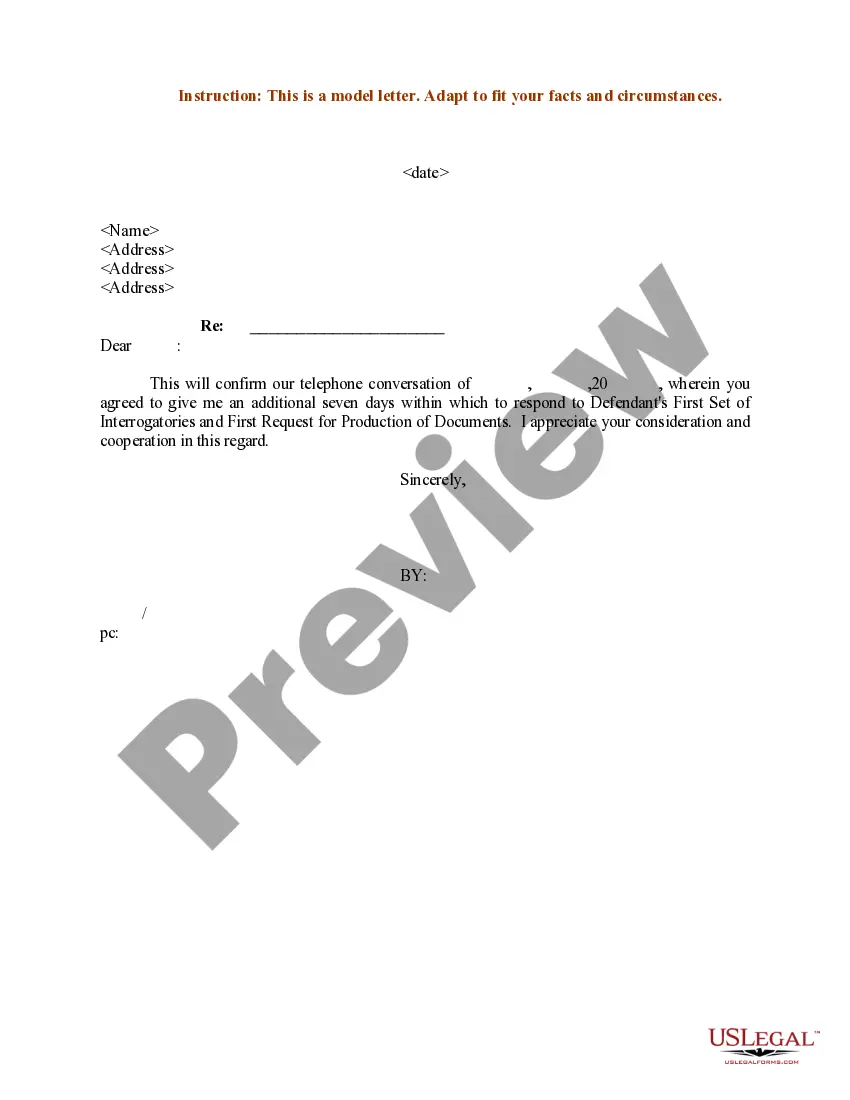
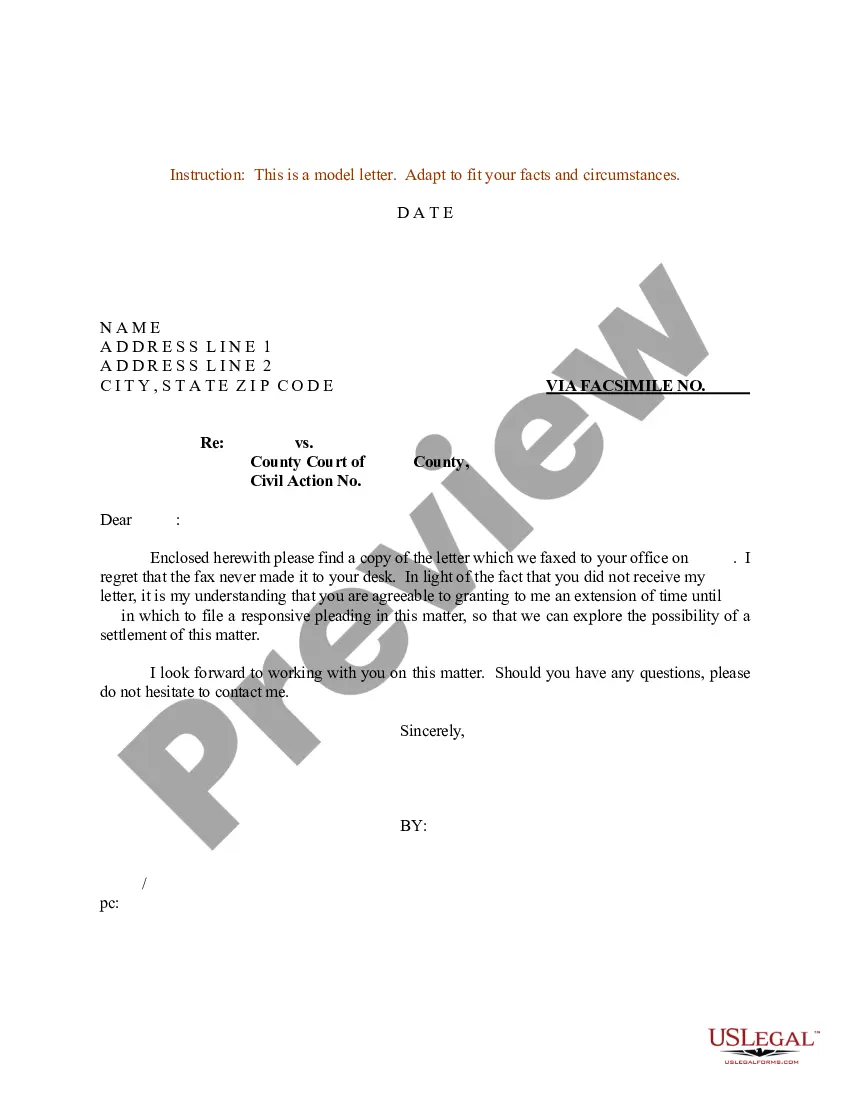
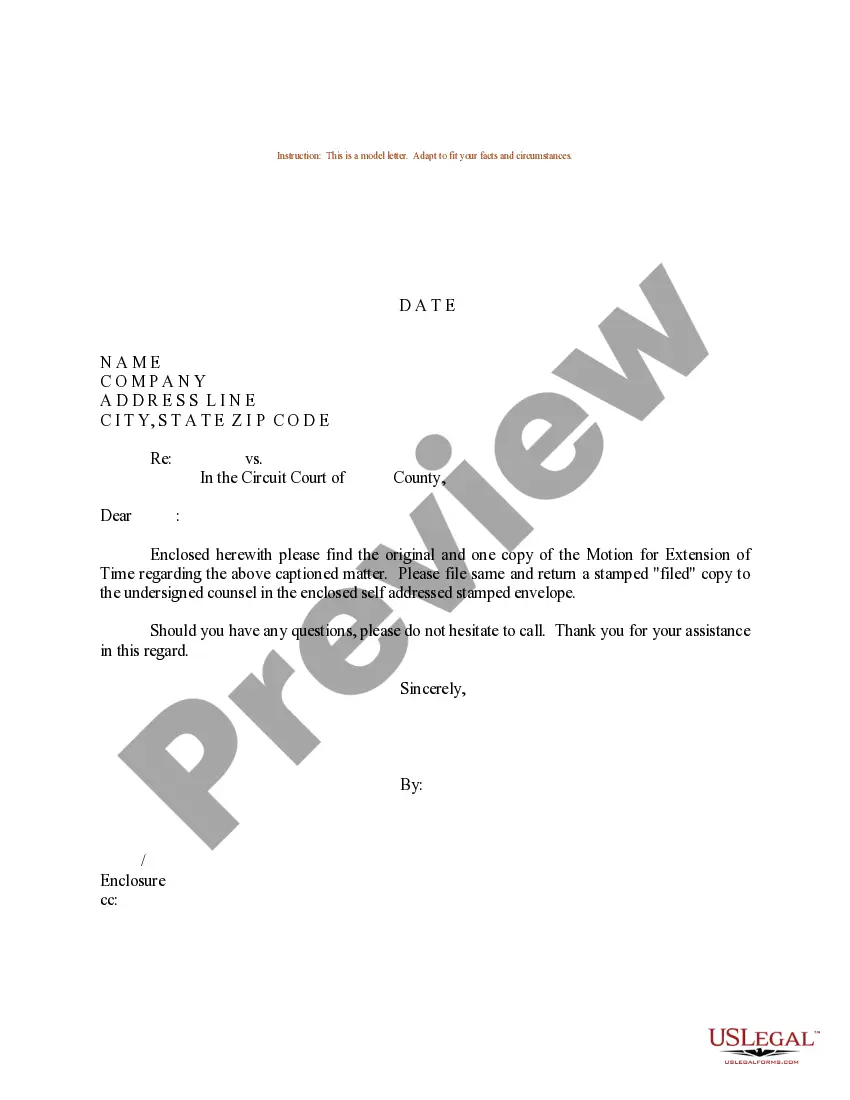
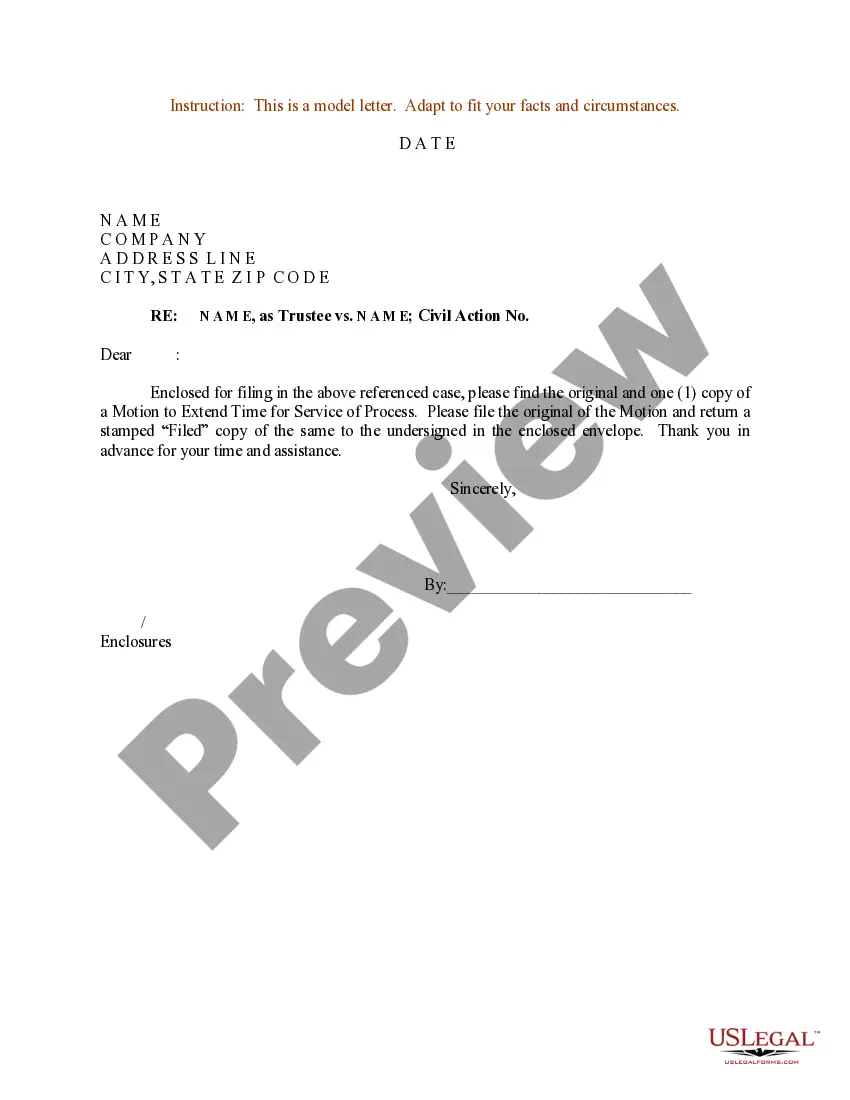
Get your form ready online
Our built-in tools help you complete, sign, share, and store your documents in one place.
Make edits, fill in missing information, and update formatting in US Legal Forms—just like you would in MS Word.
Download a copy, print it, send it by email, or mail it via USPS—whatever works best for your next step.
Sign and collect signatures with our SignNow integration. Send to multiple recipients, set reminders, and more. Go Premium to unlock E-Sign.
If this form requires notarization, complete it online through a secure video call—no need to meet a notary in person or wait for an appointment.
We protect your documents and personal data by following strict security and privacy standards.

Make edits, fill in missing information, and update formatting in US Legal Forms—just like you would in MS Word.

Download a copy, print it, send it by email, or mail it via USPS—whatever works best for your next step.

Sign and collect signatures with our SignNow integration. Send to multiple recipients, set reminders, and more. Go Premium to unlock E-Sign.

If this form requires notarization, complete it online through a secure video call—no need to meet a notary in person or wait for an appointment.

We protect your documents and personal data by following strict security and privacy standards.
Looking for another form?









Form popularity
FAQ
A Motion for Clarification is a formal request submitted to a court to seek clarity on a specific issue within a ruling or order. This motion is not intended to alter the original order but rather to ensure that all parties understand the court's intentions and directives clearly.
8 The Illinois Code of Civil Procedure (Code) requires pleadings to “contain a plain and concise statement of the pleader's cause of action, counterclaim, defense, or reply.”9 In other words, the pleading must contain a plain statement identifying what the pleader is alleging or denying.
The strategy for a motion to reconsider needs precision and swiftness. Articulate precisely and economically the grounds for reconsideration. Trial courts generally do not prefer too many motions for reconsideration in their dockets. Therefore, you need to have solid grounds for evoking the motion.
1. The purpose of a Motion for Clarification is to ask the Court to explain the provisions of a prior order of the Court that a party does not fully understand. 2. This motion is not to be used if a party contests or wishes to change the outcome with respect to an issue in the final order.
1. The purpose of a Motion for Clarification is to ask the Court to explain the provisions of a prior order of the Court that a party does not fully understand. 2. This motion is not to be used if a party contests or wishes to change the outcome with respect to an issue in the final order.
The best way to show forgiveness to a judge is to apologize and demonstrate remorse for the mistake you made. Summarize the situation, take full responsibility, and offer an explanation, if appropriate.
You may bring a motion to reconsider within thirty days if the court has made an error in applying the law. Therefore, a motion to reconsider is not a weapon to be used to change the court's mind. It is a tool for the rare instances where new evidence comes to light, the law changes, or the court has made a mistake.
When is the reply to your affirmative defenses due? When is the answer to your counterclaim due? Pursuant to Supreme Court Rule 182, the responsive pleading to an affirmative defense or a counterclaim is due 21 days after the last day the allowed for the filing of the answer.
Under Illinois Rule of Evidence 607, the party who called the witness may not attack the witness's credibility by means of a prior inconsistent statement unless there is a showing of affirmative damage, with certain exceptions relating to the rules of hearsay.

