Pleading For Forgiveness In Florida
Description
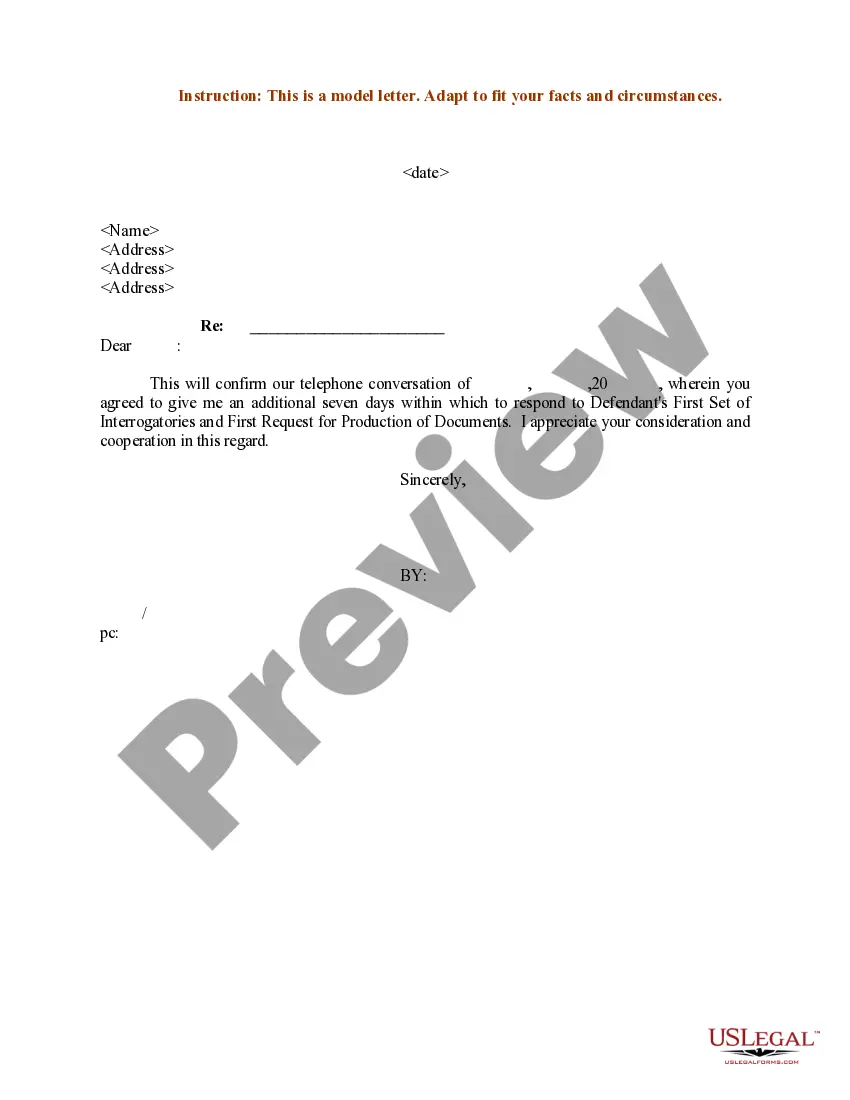
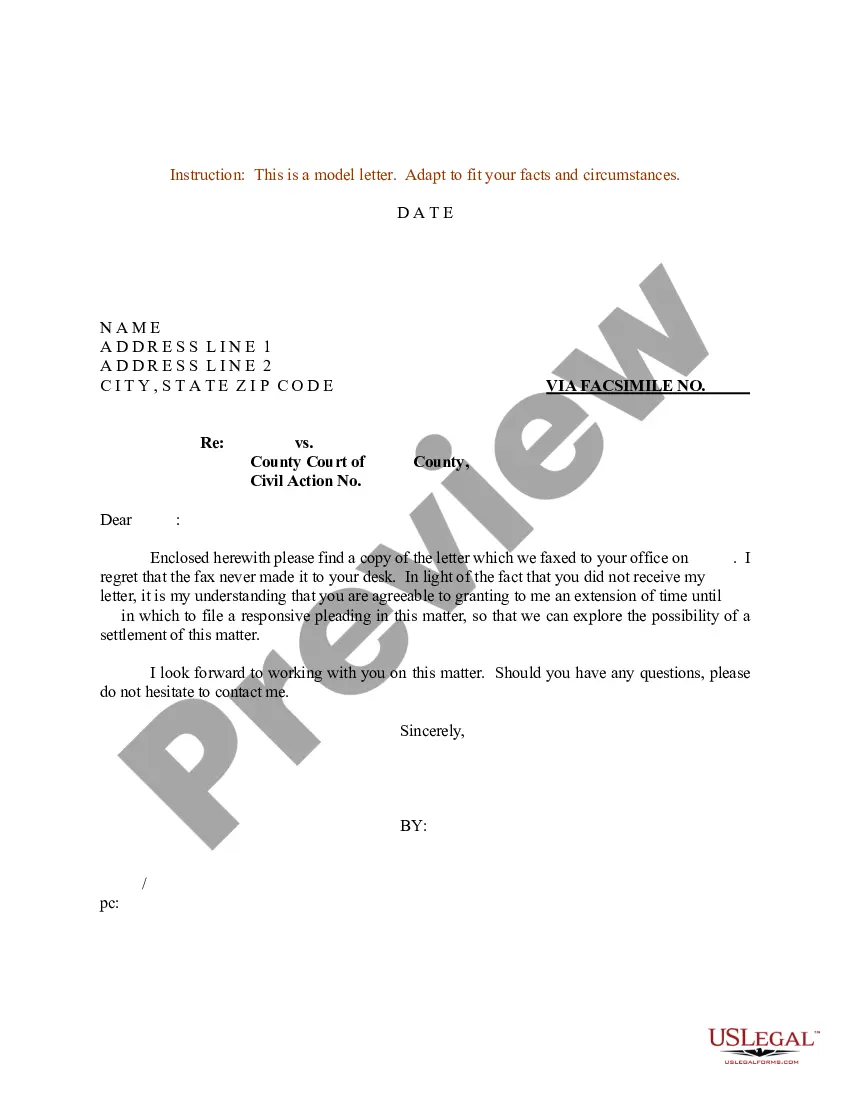
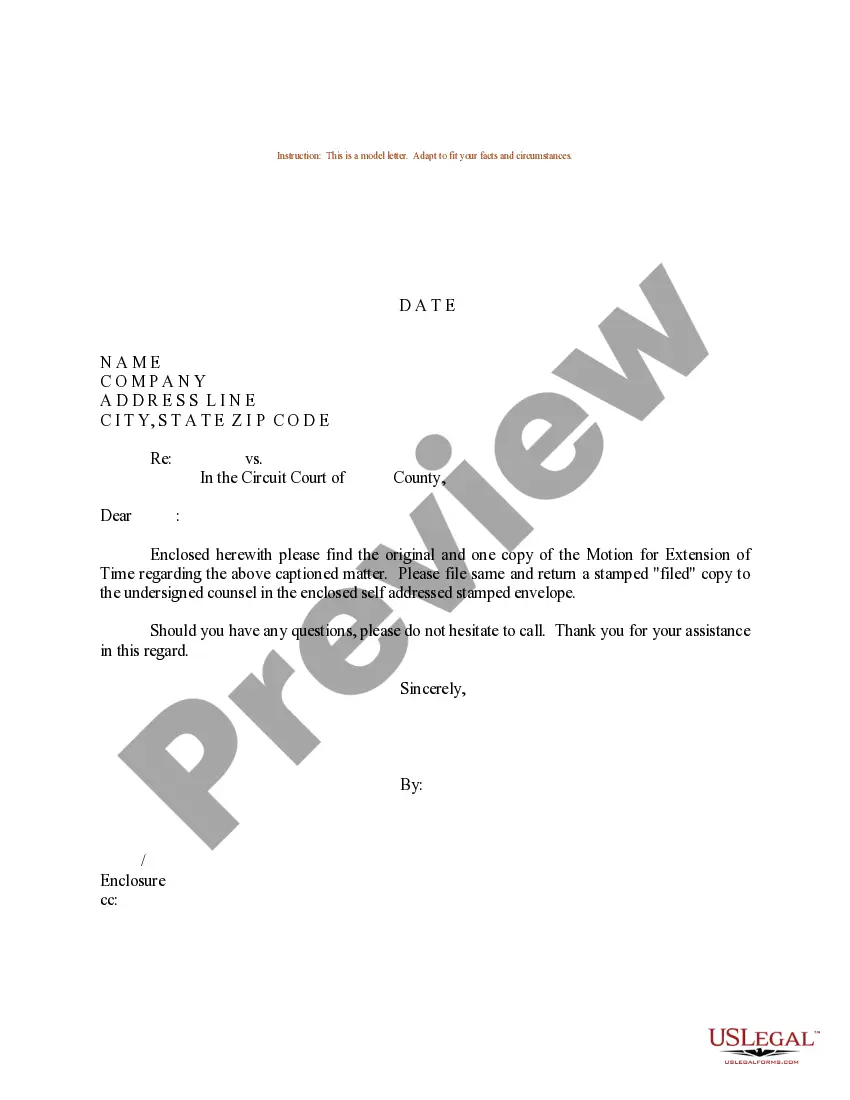
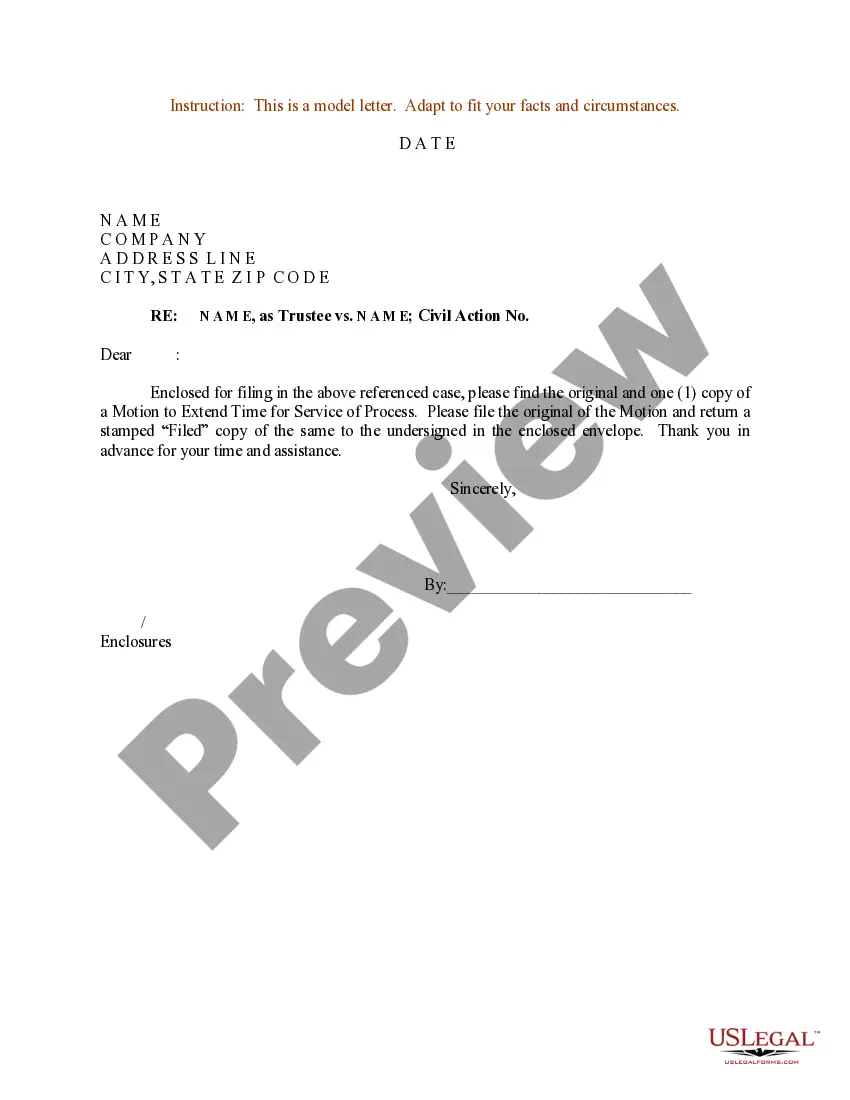
Get your form ready online
Our built-in tools help you complete, sign, share, and store your documents in one place.
Make edits, fill in missing information, and update formatting in US Legal Forms—just like you would in MS Word.
Download a copy, print it, send it by email, or mail it via USPS—whatever works best for your next step.
Sign and collect signatures with our SignNow integration. Send to multiple recipients, set reminders, and more. Go Premium to unlock E-Sign.
If this form requires notarization, complete it online through a secure video call—no need to meet a notary in person or wait for an appointment.
We protect your documents and personal data by following strict security and privacy standards.

Make edits, fill in missing information, and update formatting in US Legal Forms—just like you would in MS Word.

Download a copy, print it, send it by email, or mail it via USPS—whatever works best for your next step.

Sign and collect signatures with our SignNow integration. Send to multiple recipients, set reminders, and more. Go Premium to unlock E-Sign.

If this form requires notarization, complete it online through a secure video call—no need to meet a notary in person or wait for an appointment.

We protect your documents and personal data by following strict security and privacy standards.
Looking for another form?







Form popularity
FAQ
TYPES OF FLORIDA TEMPORARY RELIEF MOTIONS They are motions to resolve issues of temporary alimony, temporary child support, temporary custody, and temporary attorney's fees and costs. In the absence of an emergency situation, the court requires the parties to mediate these issues prior to scheduling a motion hearing.
Answering the lawsuit can be as simple as drafting a document and writing 'admit' or 'deny' or “without knowledge” in correlation to each numbered paragraph in the summons. Your answer to the lawsuit must address every allegation individually.
If you want to file a motion, the process is generally something like this: You write your motion. You file your motion with the court clerk. The court clerk inserts the date and time your motion will be heard by the judge. You “serve” (mail) your motion to the other side.
With the exception of motions filed pursuant to rule 9.410(b), a party may serve 1 response to a motion within 15 days of service of the motion. The court may shorten or extend the time for response to a motion.
You must explain what the other party has failed to do. This form must be signed before a notary public and a copy must be furnished to the other party by mail, fax and mail, or hand delivery. If you want to be sure of service, the motion should be personally served by a sheriff or process server.
Things You Should Know Write your legal argument by stating the rule and explaining how your facts apply to it. Then, add your signature, a Certificate of Service, and a Notice of Hearing. File your motion with the clerk of court overseeing your case. Then, give copies to each defendant.
The Florida Courts E-Filing Portal is a single statewide website where users can file court documents in Florida's trial and appellate courts. E-filing is the electronic filing of documents to the clerk's office.
Write the Introductory Paragraph Start by identifying whether you are the defendant or plaintiff. Next, state whether you have an attorney or are making the motion pro se. State Any Applicable Facts Following your introduction, lay out the facts that you think are relevant to your motion.
Pleadings and Pre-Trial Motions in Florida. Pleadings in civil litigation are formal written documents that outline the claims, defenses, and legal arguments of the parties involved in a lawsuit. These documents are filed with the court and serve as the foundation for the legal dispute.
Litigants have won court cases when they represent themselves.

