Confirmation Letter Example With Cc In Florida
Description
Get your form ready online
Our built-in tools help you complete, sign, share, and store your documents in one place.
Make edits, fill in missing information, and update formatting in US Legal Forms—just like you would in MS Word.
Download a copy, print it, send it by email, or mail it via USPS—whatever works best for your next step.
Sign and collect signatures with our SignNow integration. Send to multiple recipients, set reminders, and more. Go Premium to unlock E-Sign.
If this form requires notarization, complete it online through a secure video call—no need to meet a notary in person or wait for an appointment.
We protect your documents and personal data by following strict security and privacy standards.

Make edits, fill in missing information, and update formatting in US Legal Forms—just like you would in MS Word.

Download a copy, print it, send it by email, or mail it via USPS—whatever works best for your next step.

Sign and collect signatures with our SignNow integration. Send to multiple recipients, set reminders, and more. Go Premium to unlock E-Sign.

If this form requires notarization, complete it online through a secure video call—no need to meet a notary in person or wait for an appointment.

We protect your documents and personal data by following strict security and privacy standards.
Looking for another form?








Form popularity
FAQ
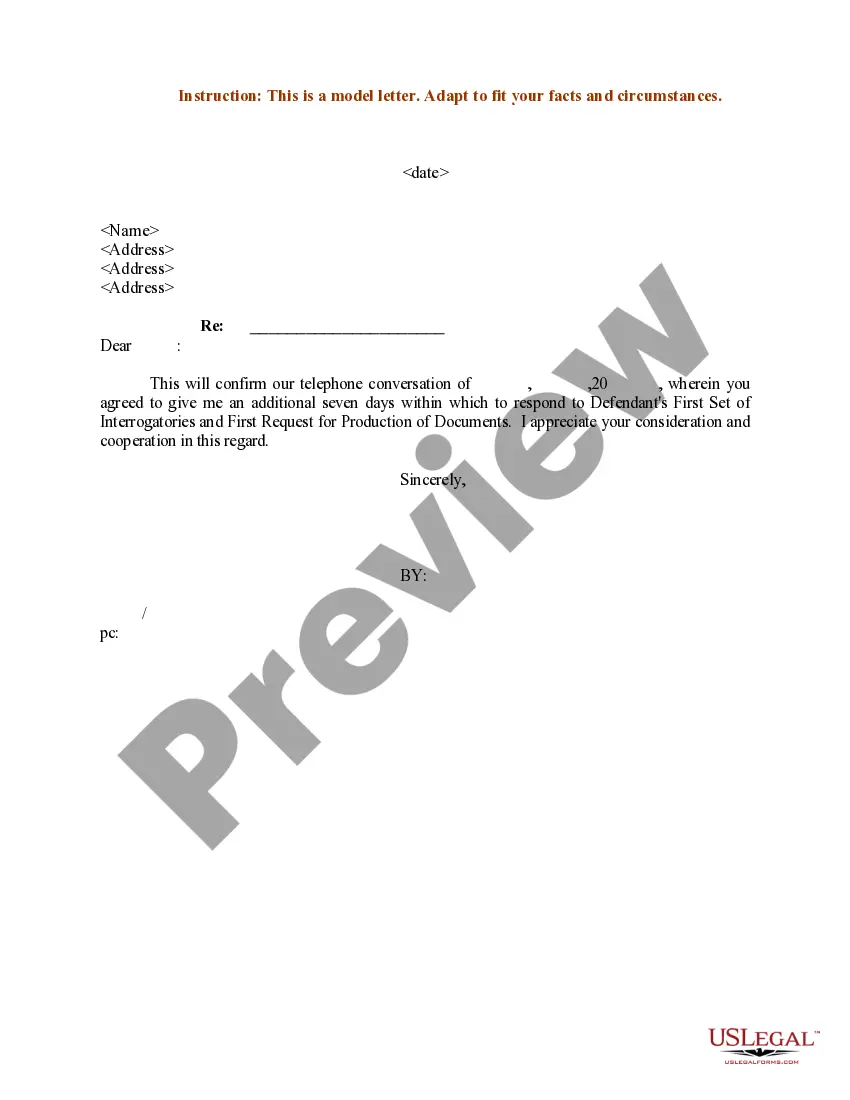
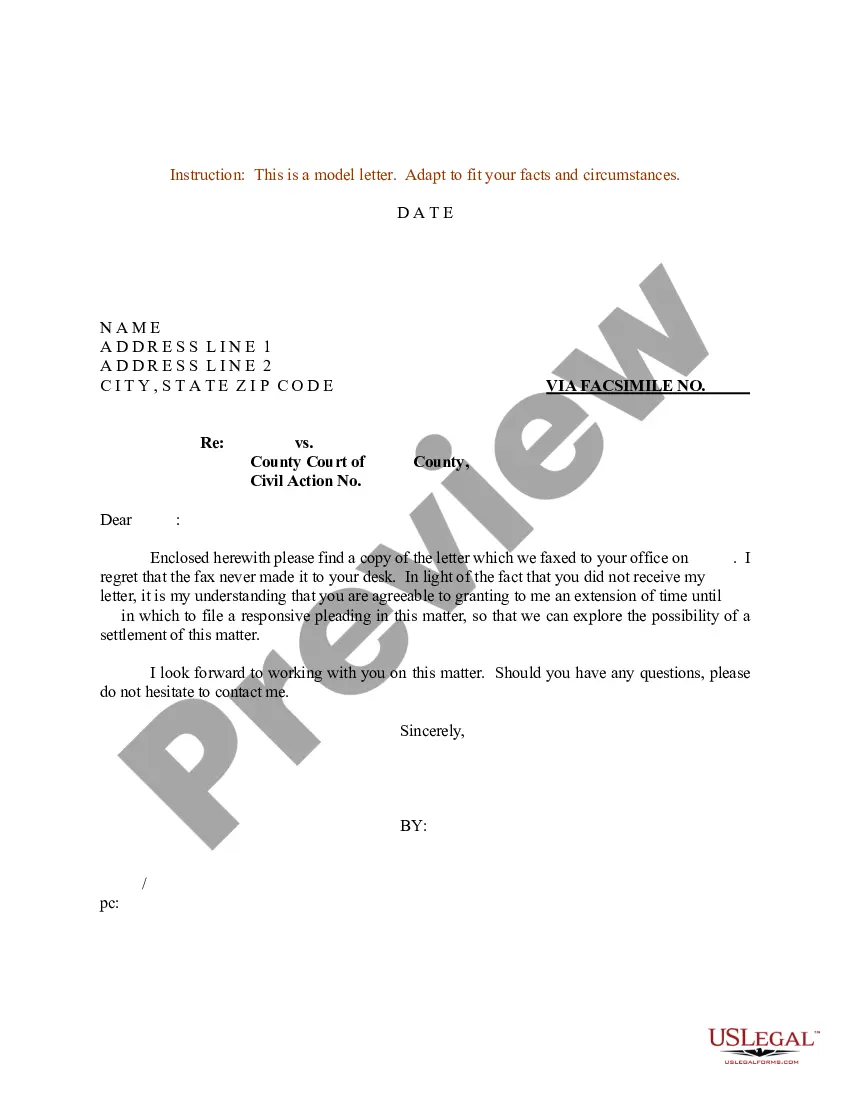
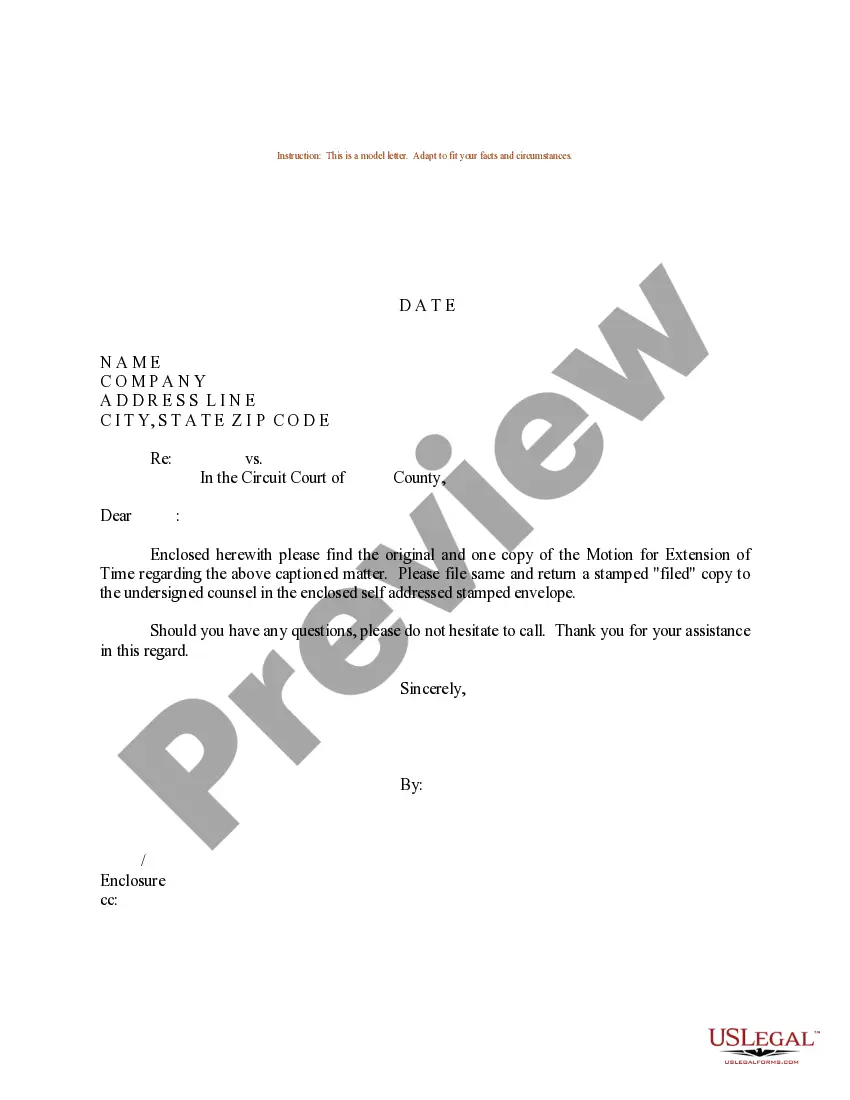
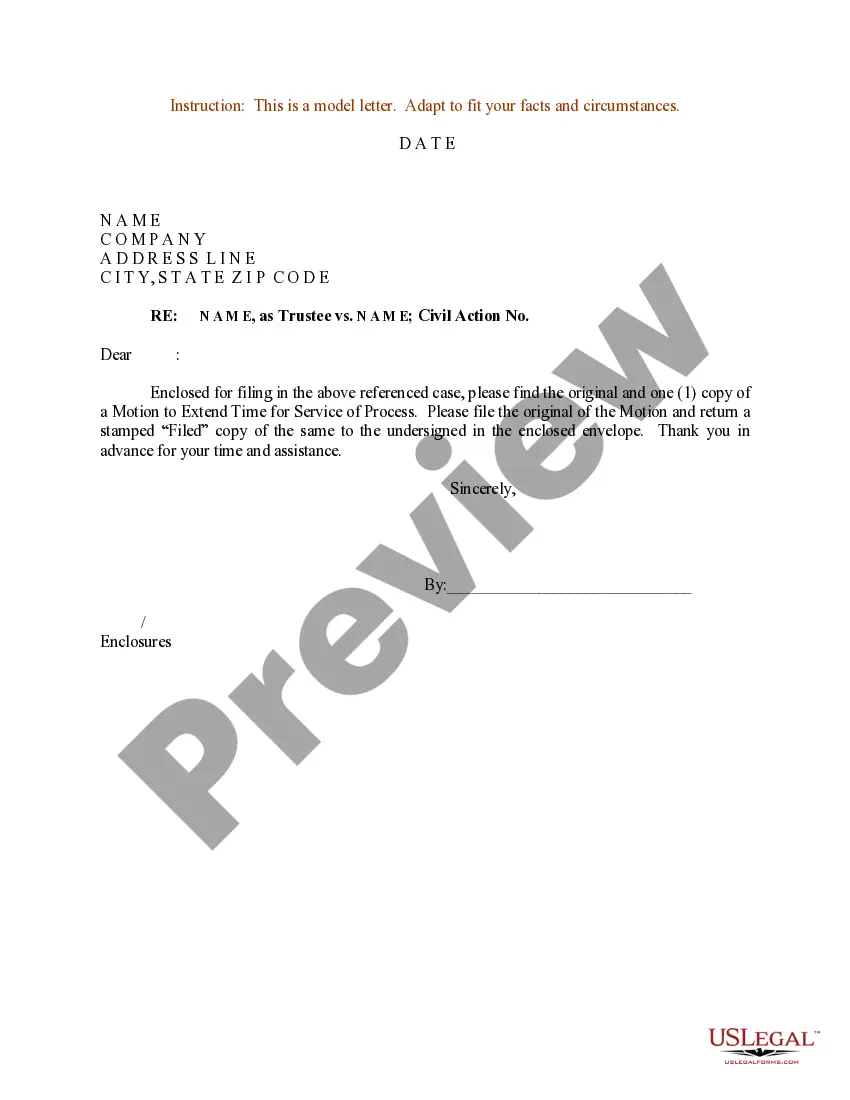
Confirmation Letter Format Header: Includes the company's name, address, and official contact information. Date: Includes the date on which the letter is being sent. Recipient's information: Includes the recipient's name, title, and official address. Subject: It describes the purpose of the letter.
This usually means producing proof that the debt was assigned to it. Often, such proof will be a bill of sale, an "assignment," or a receipt between the last creditor holding the debt and the entity suing you.
A debt validation letter is a document from a debt collector providing information about a debt you may owe. Collection agencies are required by law to provide validation notices and give you time to dispute the debt.
Here are the steps you can take: Send a written request: Draft a formal letter to the debt collector requesting debt verification. Include your name, address, and account number associated with the debt. Clearly state your intention to verify the debt and request all relevant information and documentation.
Here are the steps you can take: Send a written request: Draft a formal letter to the debt collector requesting debt verification. Include your name, address, and account number associated with the debt. Clearly state your intention to verify the debt and request all relevant information and documentation.
Seeing step one follow a proper letter format when you write your letter. Step two under yourMoreSeeing step one follow a proper letter format when you write your letter. Step two under your signature type CC put two to four spaces between your signature. And the CC.
Under your signature, type "CC" and place two to four spaces between your signature and the CC line. Now enter the names of everyone who will be CC'd on this letter.
In the digital age, the meaning of CC changed to refer to a copy of an email—essentially, the digital equivalent of a physical carbon copy. CC'd (or CC'ed) is the past tense verb of “carbon copy.” If you've carbon copied someone on an email, that means you've added them in the CC field.
Although carbon is no longer used for copies, the convenient initials c.c. : (or cc :) followed by a colon and the names of the recipients of copies of the letter is still the preferred copy notation.
Use formal language such as "Dear Mr./Ms./Mrs." Step 2: Start the letter by stating the purpose of the letter. For instance, if you are writing to confirm an appointment, mention that in the opening sentence. Step 3: Provide details of the agreement or transaction.

