Pleading For Mercy In Fairfax
Description
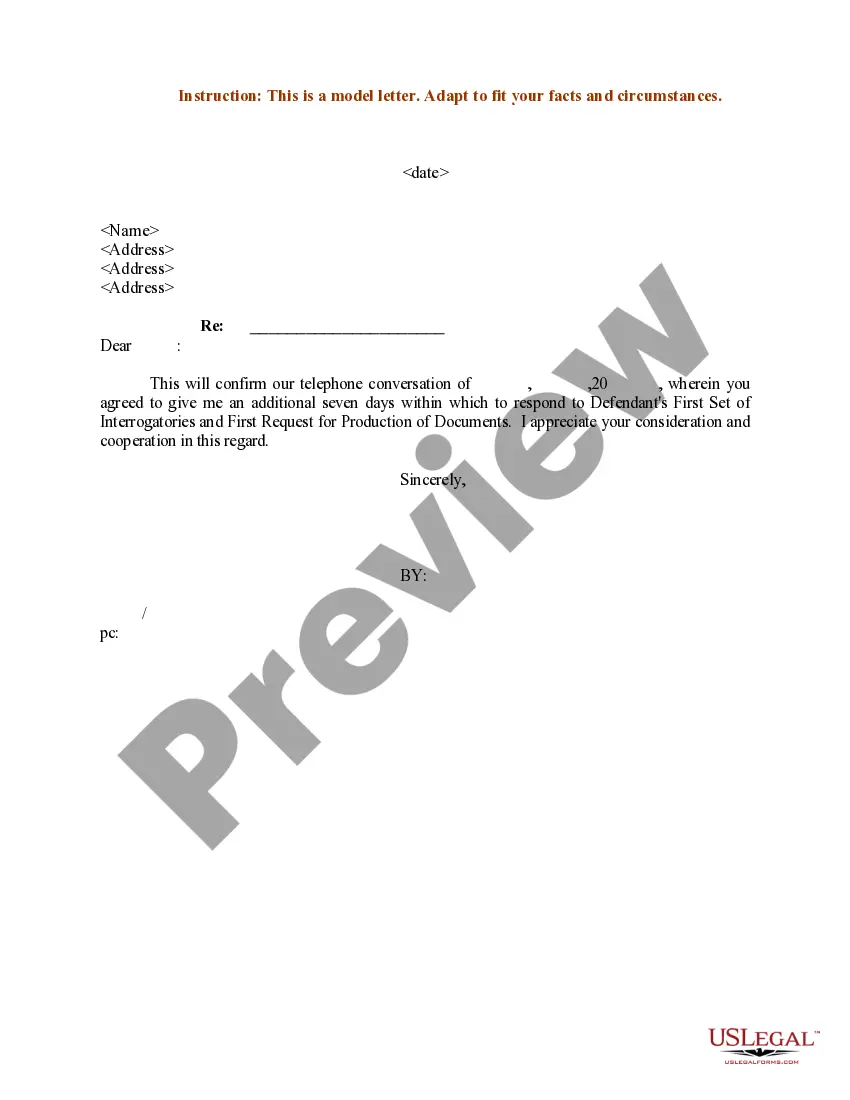
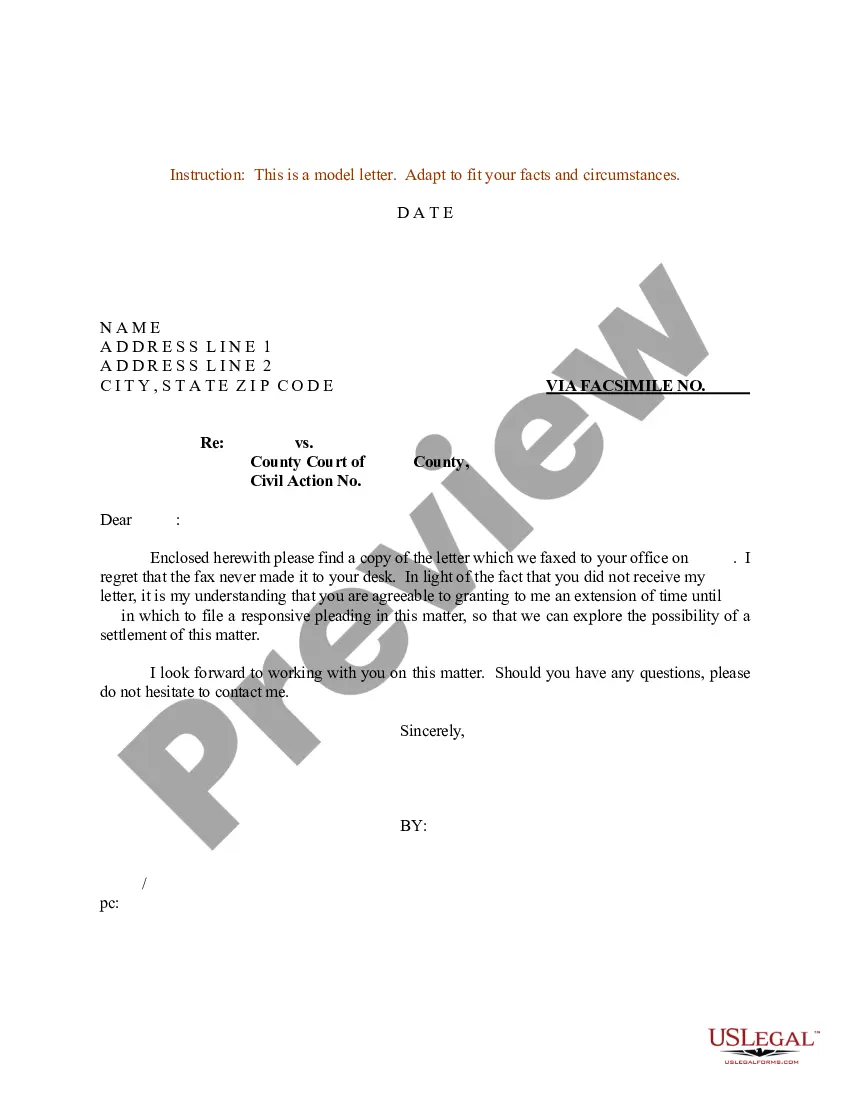
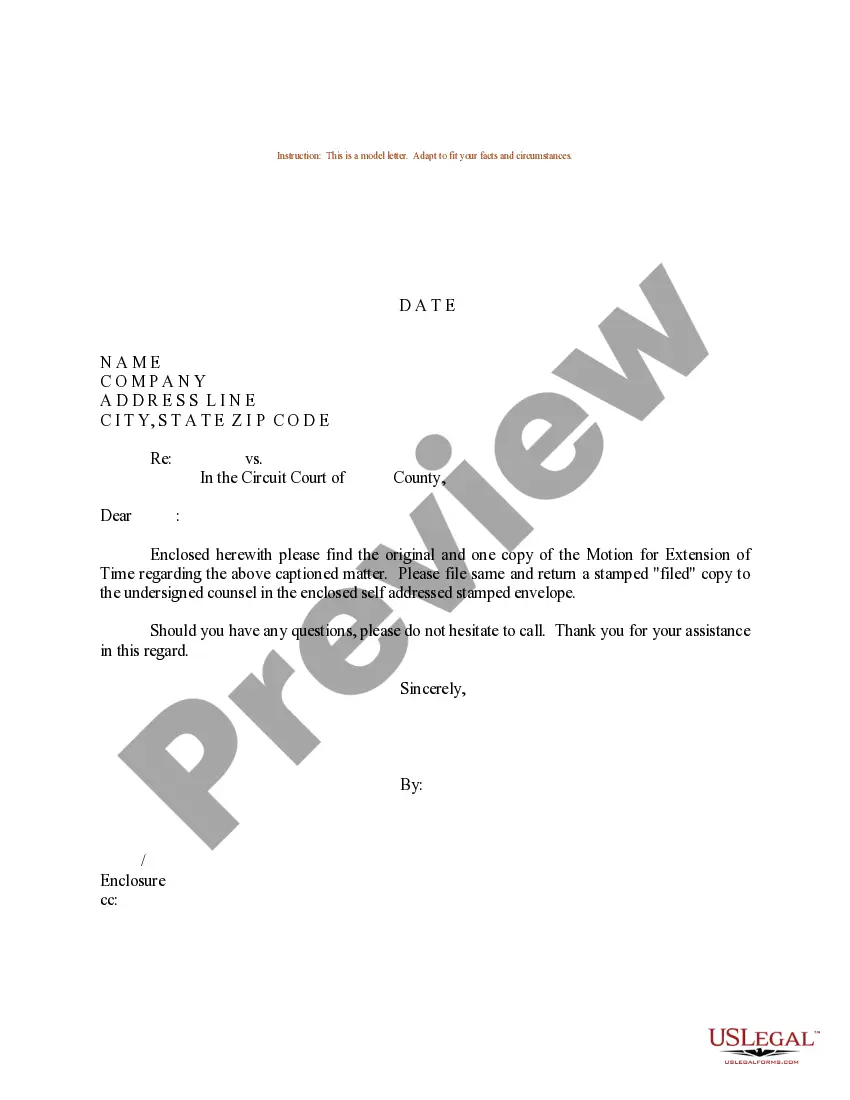
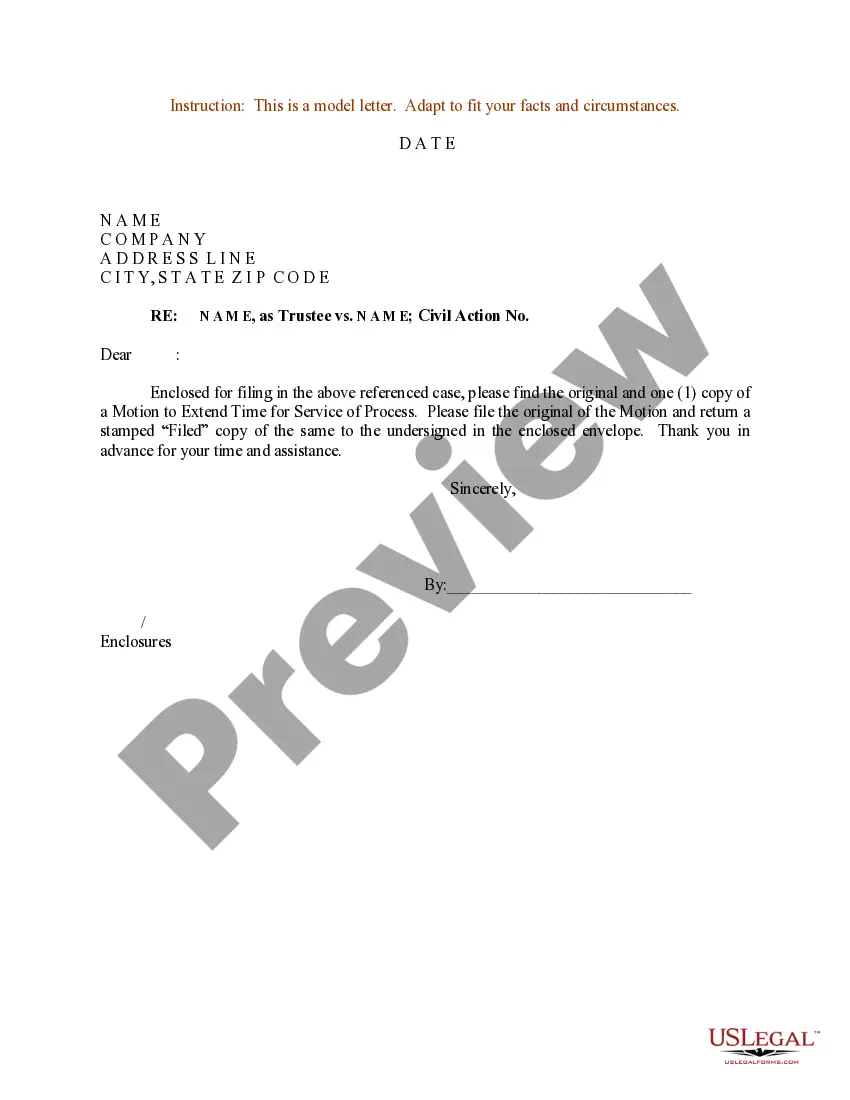
Get your form ready online
Our built-in tools help you complete, sign, share, and store your documents in one place.
Make edits, fill in missing information, and update formatting in US Legal Forms—just like you would in MS Word.
Download a copy, print it, send it by email, or mail it via USPS—whatever works best for your next step.
Sign and collect signatures with our SignNow integration. Send to multiple recipients, set reminders, and more. Go Premium to unlock E-Sign.
If this form requires notarization, complete it online through a secure video call—no need to meet a notary in person or wait for an appointment.
We protect your documents and personal data by following strict security and privacy standards.

Make edits, fill in missing information, and update formatting in US Legal Forms—just like you would in MS Word.

Download a copy, print it, send it by email, or mail it via USPS—whatever works best for your next step.

Sign and collect signatures with our SignNow integration. Send to multiple recipients, set reminders, and more. Go Premium to unlock E-Sign.

If this form requires notarization, complete it online through a secure video call—no need to meet a notary in person or wait for an appointment.

We protect your documents and personal data by following strict security and privacy standards.
Looking for another form?









Form popularity
FAQ
Virginia's statutes of limitations are fairly standard. They feature a two-year limit for claims related to injuries to a person and claims related to fraud. They also feature a two-year limit for claims related to libel and slander.
At its most basic, a letter requesting leniency is a document that you write and submit to the court, asking for mercy on behalf of someone who has been convicted of a crime.
Small Claims actions can be filed in the General District Court for disputes involving no more than $5,000.
Term: IN MERCY. Definition: When a judge has the power to decide how to punish someone. It used to be a phrase that meant the person who lost the case was at the mercy of the court. For example, if someone made a false claim, they would be held in mercy and have to face the punishment decided by the judge.
If you wish to start a civil action in federal court, but do not have an attorney to represent you, you may bring your case on your own. Bringing a case on your own is called proceeding "pro se".
/pliː/ /pliː/ (formal) a serious emotional request, especially for something needing action now. plea for something She made an impassioned plea for help. plea (to somebody) (to do something) a plea to industries to stop pollution.
For example, in criminal cases, a plea of the defendant tacitly admits his guilt by throwing himself at the mercy of the court. It is also called clemency or leniency.
Plea noun C (REQUEST) an urgent and emotional request: He made a plea for help/mercy. Synonyms. appeal. entreaty.
This is a quality that has to do with compassion, forgiveness, and leniency. If convicted of a crime, you might plead for the judge's mercy, meaning a lesser punishment. When people say "May God have mercy on me!" they're asking for forgiveness.

