Pleading Paper For Court In Dallas
Description
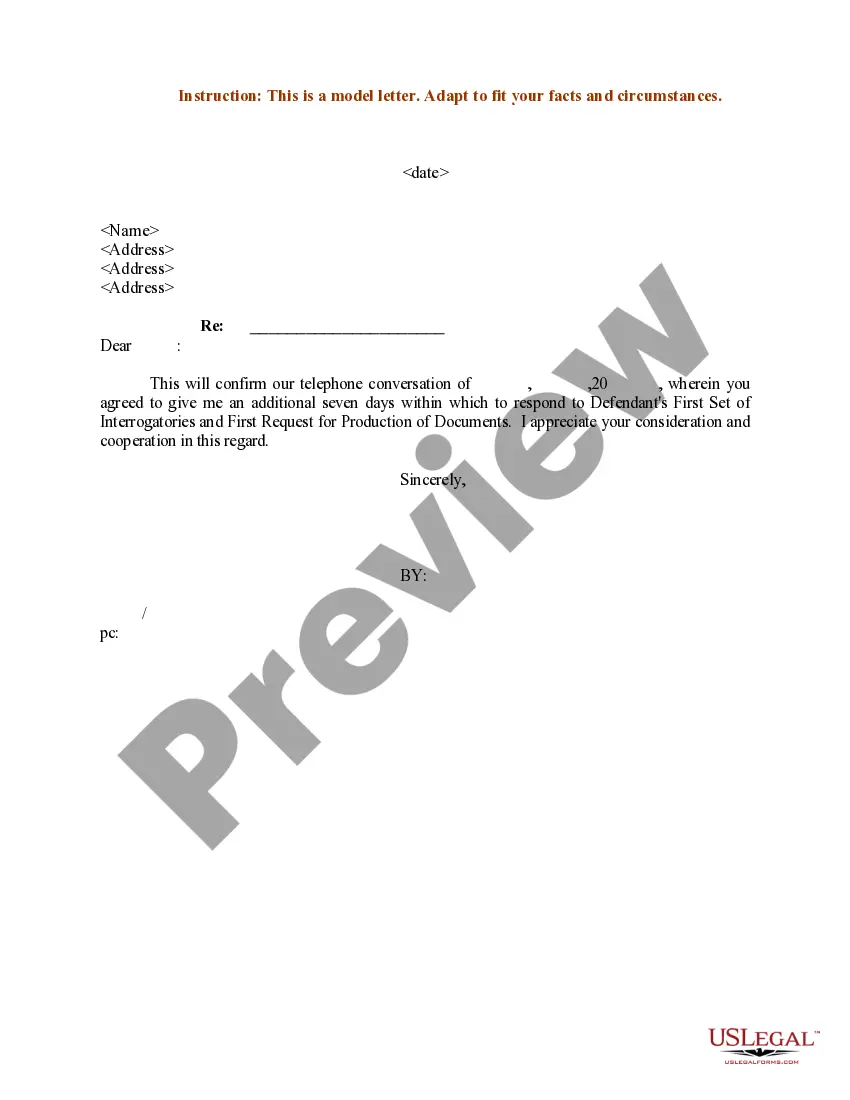
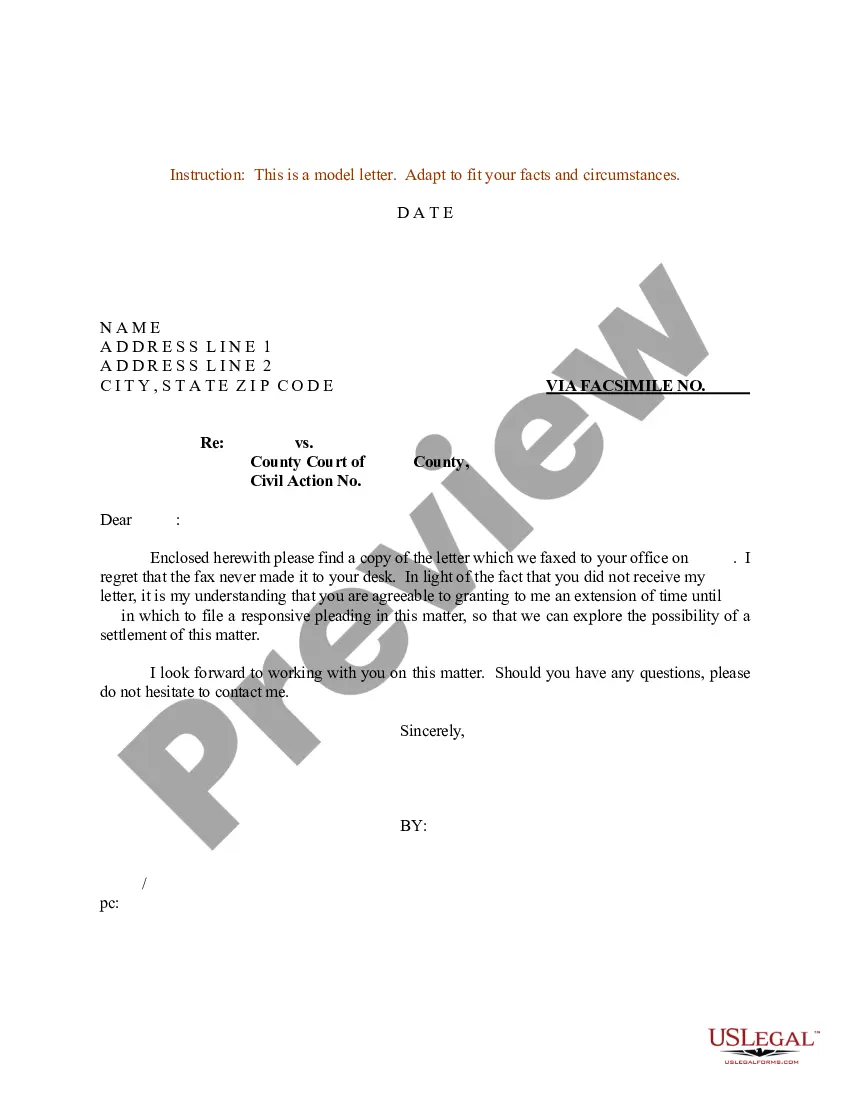
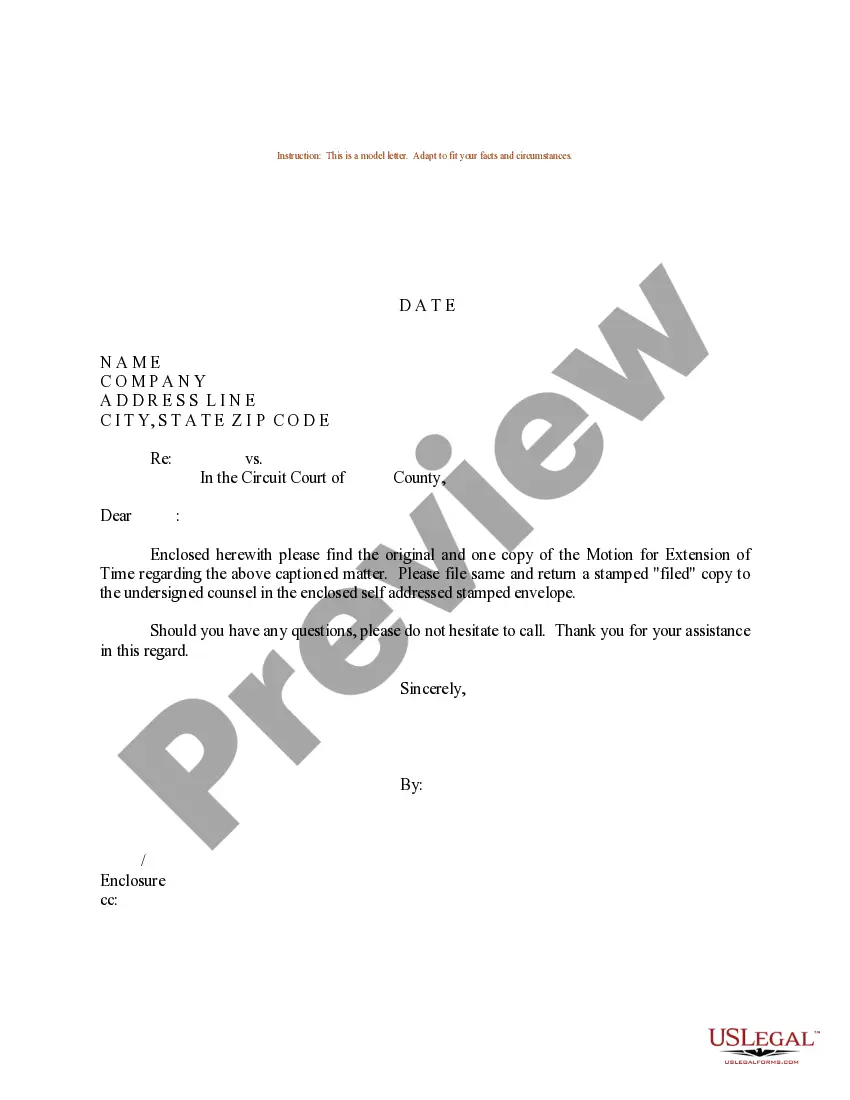
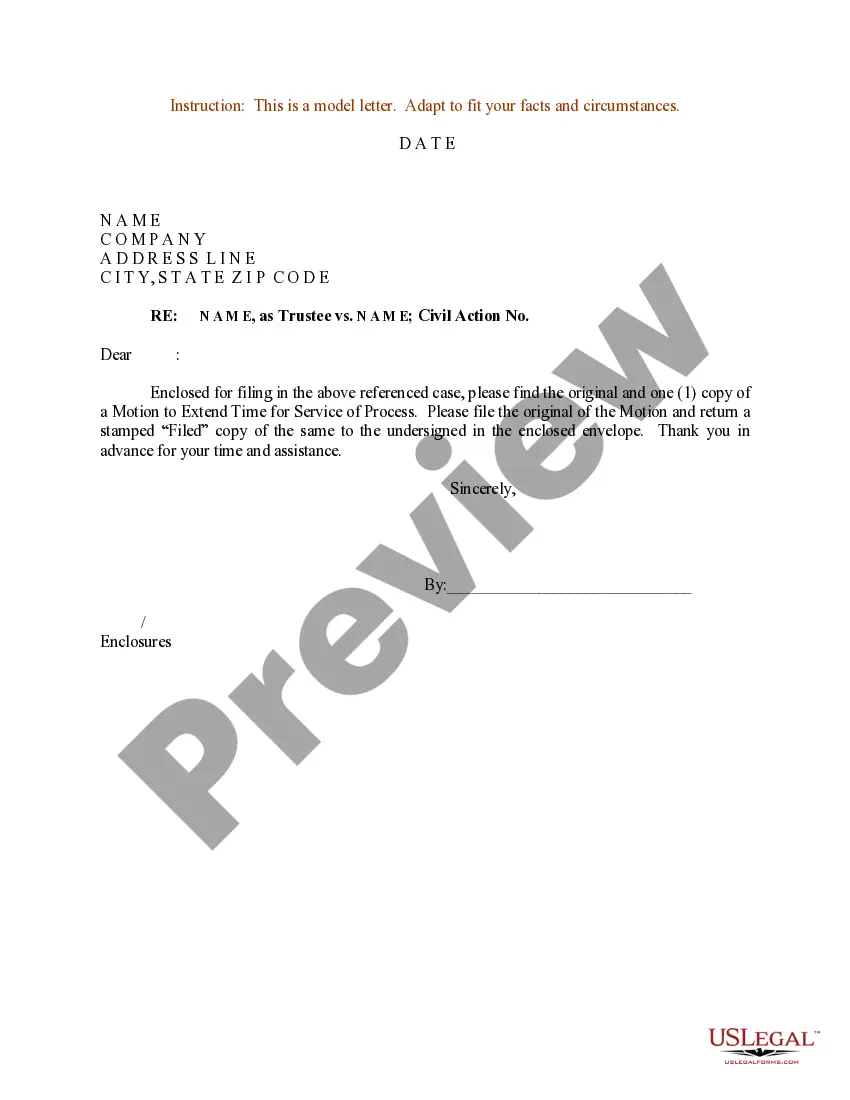
Get your form ready online
Our built-in tools help you complete, sign, share, and store your documents in one place.
Make edits, fill in missing information, and update formatting in US Legal Forms—just like you would in MS Word.
Download a copy, print it, send it by email, or mail it via USPS—whatever works best for your next step.
Sign and collect signatures with our SignNow integration. Send to multiple recipients, set reminders, and more. Go Premium to unlock E-Sign.
If this form requires notarization, complete it online through a secure video call—no need to meet a notary in person or wait for an appointment.
We protect your documents and personal data by following strict security and privacy standards.

Make edits, fill in missing information, and update formatting in US Legal Forms—just like you would in MS Word.

Download a copy, print it, send it by email, or mail it via USPS—whatever works best for your next step.

Sign and collect signatures with our SignNow integration. Send to multiple recipients, set reminders, and more. Go Premium to unlock E-Sign.

If this form requires notarization, complete it online through a secure video call—no need to meet a notary in person or wait for an appointment.

We protect your documents and personal data by following strict security and privacy standards.
Looking for another form?






Form popularity
FAQ
These records are made available in line with the Public Information Act, Texas Government Code 552. Although divorce records are legally considered public information, it can be challenging to locate and access them as some documents may only be made available to the parties involved.
Where To File For Divorce In Dallas County? Address: George L. Allen, Sr. Courts Building, 600 Commerce Street, Dallas, TX 75202. Phone: (214) 653-7301. Website: Dallas County District Clerk.
Any attorney may reserve up to three weeks in any calendar year for vacations by sending a "vacation letter" for each case (with appropriate cause number and style) to the Court Coordinator and opposing counsel, reserving weeks in which no hearings, depositions, or trials are set as of the date of the letter.
The Justice of the Peace Courts Civil Cases. The Justice Courts in Texas are created under Chapter 27 of the Texas Government Code. Justice courts have jurisdiction of civil matters in which the amount in controversy is not more than $20,000.
Typically, the district court handles criminal cases and felonies, while the county court handles everything else (like misdemeanors, traffic offenses, etc.). However, the size of a county makes a difference. In small counties, both courts hear a wide variety of different matters.
What is the jurisdiction of the County Courts at Law? A county court at law in Dallas County has concurrent jurisdiction with the district court in civil cases in which the amount in controversy is greater than $500. There is no maximum amount that exceeds a county court at law's jurisdiction.

