Time Extension For Construction Project In Cuyahoga
Description
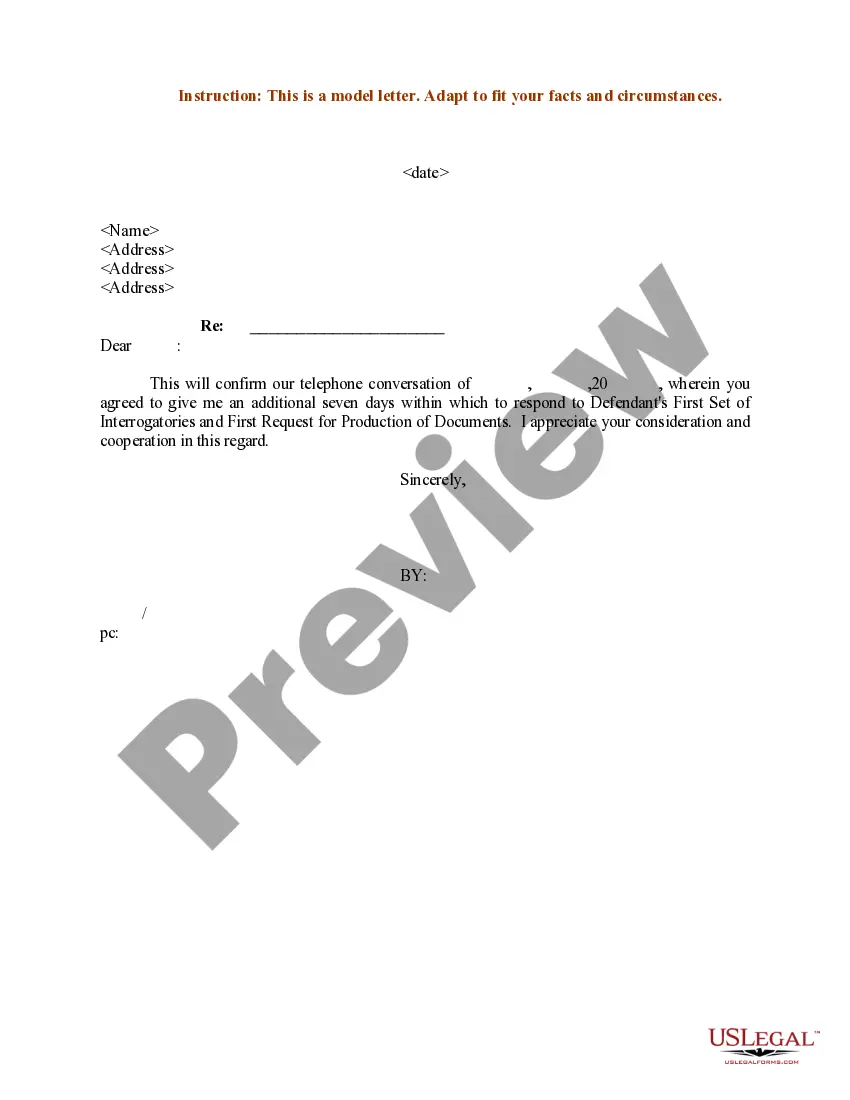
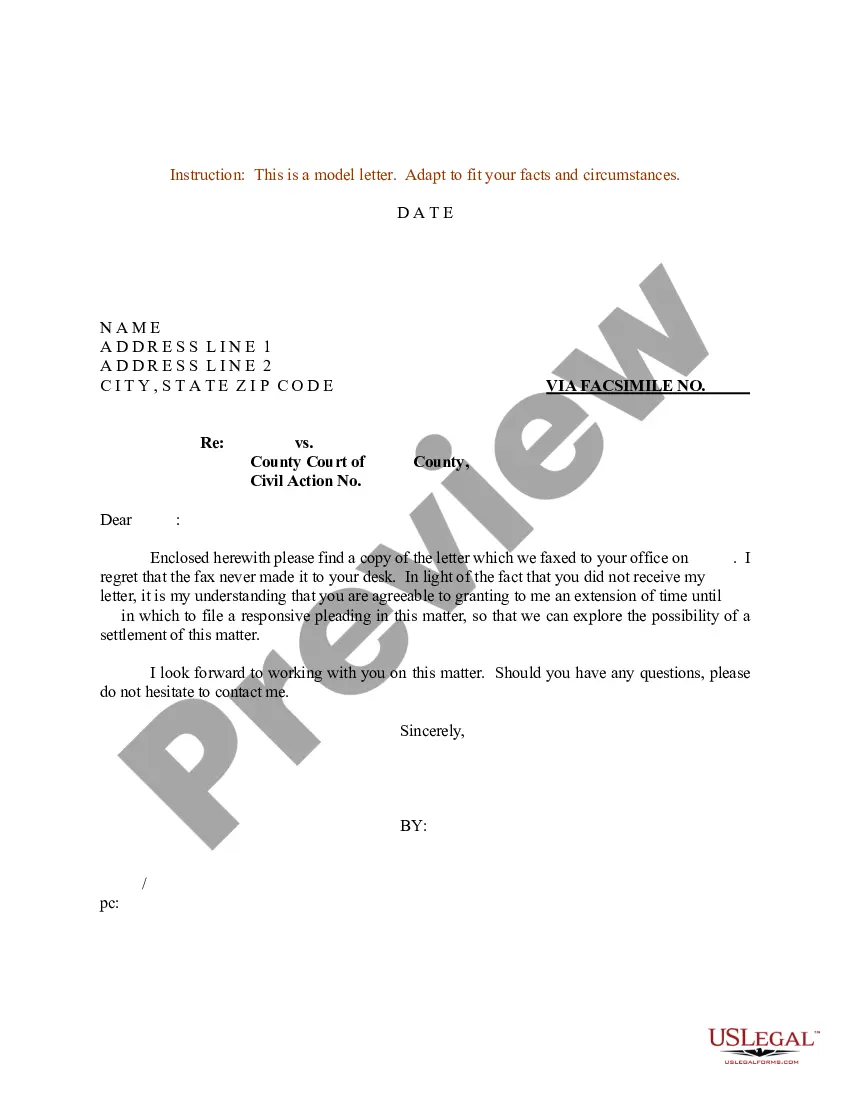
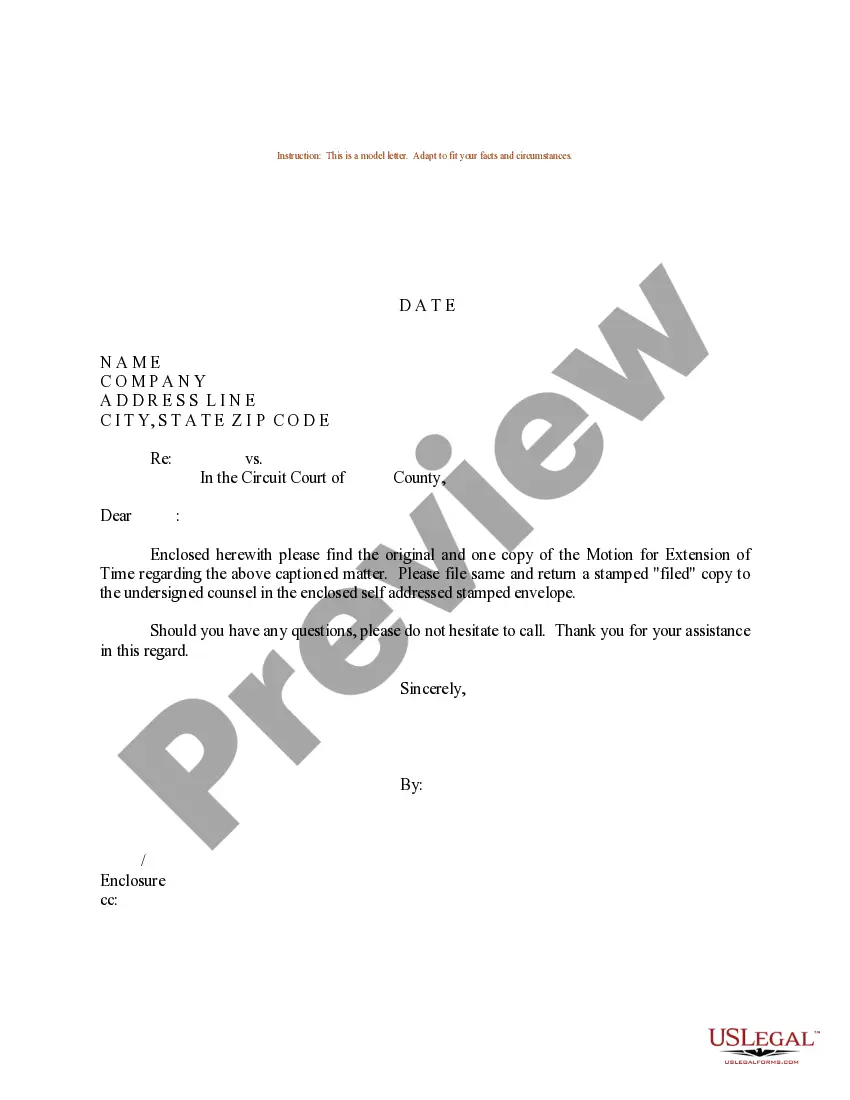
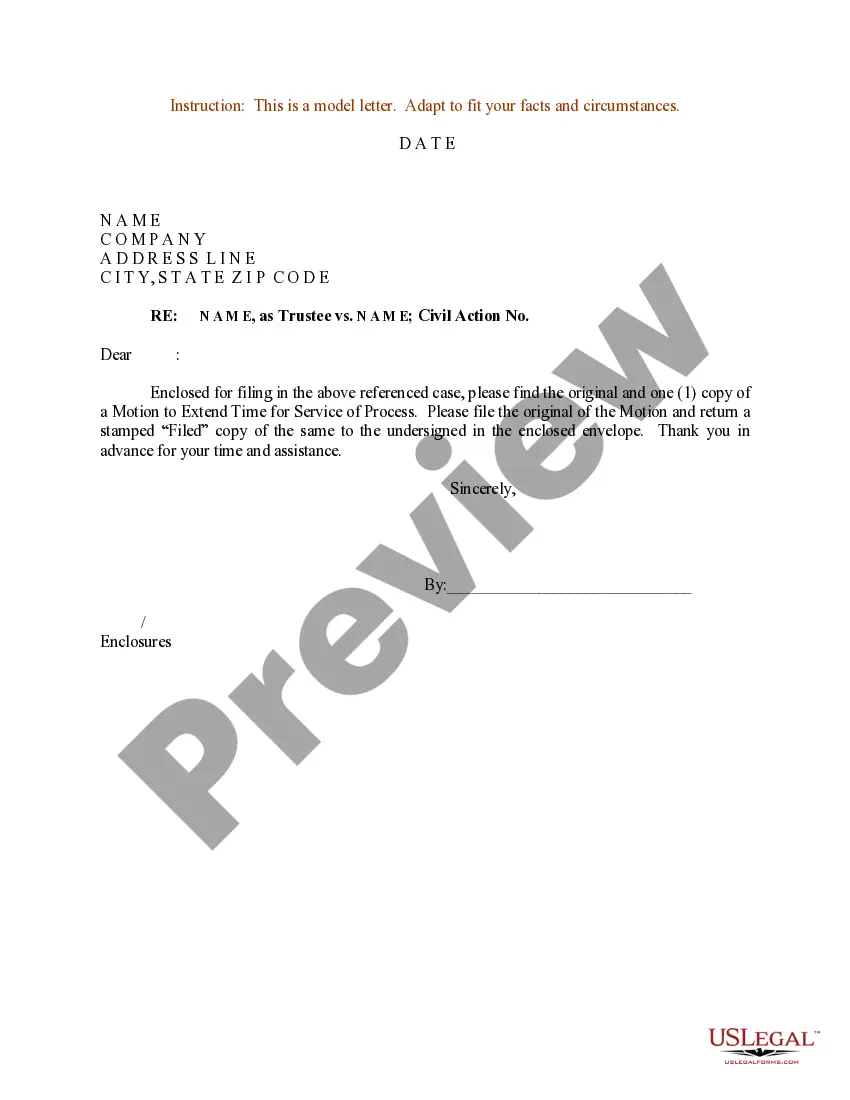
Get your form ready online
Our built-in tools help you complete, sign, share, and store your documents in one place.
Make edits, fill in missing information, and update formatting in US Legal Forms—just like you would in MS Word.
Download a copy, print it, send it by email, or mail it via USPS—whatever works best for your next step.
Sign and collect signatures with our SignNow integration. Send to multiple recipients, set reminders, and more. Go Premium to unlock E-Sign.
If this form requires notarization, complete it online through a secure video call—no need to meet a notary in person or wait for an appointment.
We protect your documents and personal data by following strict security and privacy standards.

Make edits, fill in missing information, and update formatting in US Legal Forms—just like you would in MS Word.

Download a copy, print it, send it by email, or mail it via USPS—whatever works best for your next step.

Sign and collect signatures with our SignNow integration. Send to multiple recipients, set reminders, and more. Go Premium to unlock E-Sign.

If this form requires notarization, complete it online through a secure video call—no need to meet a notary in person or wait for an appointment.

We protect your documents and personal data by following strict security and privacy standards.
Looking for another form?







Form popularity
FAQ
A contract extension is the act of prolonging the duration of an existing agreement without altering its other terms, ideal for when the current terms continue to serve both parties' interests.
What does Extension of time mean? A mechanism by which a contractor requests a longer period than had been contractually agreed in order to complete the building works. A contractor will usually make a request for an extension of time and give reasons for it.
What Is an Extension of Time in Construction? An EOT (extension of time) is a request to move the completion date of a project due to causes that could not be foreseen at the time of contract signing. EOT requests can come from the following reasons: Adverse weather conditions.
Extension of time (EOT) clauses are an essential element of infrastructure contracts. Legally an EOT regime is required to preserve the ability of the Principal to claim liquidated damages. In some contracts, the entitlement to an EOT for delays caused by the Principal's acts of prevention is not specified.
An extension of time is a provision in construction contracts allowing the project completion date to be adjusted due to legitimate delays. Without it, contractors might face penalties for delays beyond their control. EOT is not just about buying time. It's also about fairness.
If a valid extension of time was not granted to a contractor for a particular period, it does not automatically entitle the contractor to recover damages from the owner. The contractor may simply have a valid defence to any claim brought by the owner against the contractor in respect of the period in question.
What does Extension of time mean? A mechanism by which a contractor requests a longer period than had been contractually agreed in order to complete the building works. A contractor will usually make a request for an extension of time and give reasons for it.

