Confirmation Letter Example With Signature In Chicago
Description

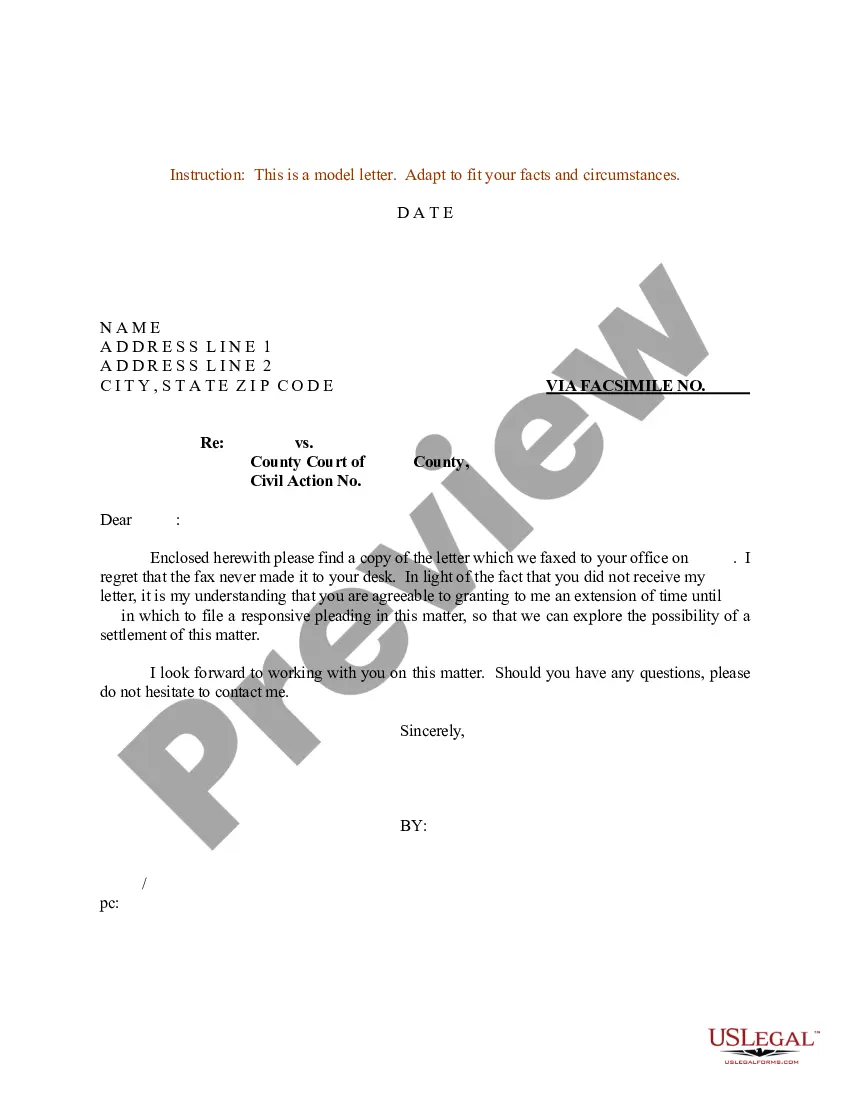


Get your form ready online
Our built-in tools help you complete, sign, share, and store your documents in one place.
Make edits, fill in missing information, and update formatting in US Legal Forms—just like you would in MS Word.
Download a copy, print it, send it by email, or mail it via USPS—whatever works best for your next step.
Sign and collect signatures with our SignNow integration. Send to multiple recipients, set reminders, and more. Go Premium to unlock E-Sign.
If this form requires notarization, complete it online through a secure video call—no need to meet a notary in person or wait for an appointment.
We protect your documents and personal data by following strict security and privacy standards.

Make edits, fill in missing information, and update formatting in US Legal Forms—just like you would in MS Word.

Download a copy, print it, send it by email, or mail it via USPS—whatever works best for your next step.

Sign and collect signatures with our SignNow integration. Send to multiple recipients, set reminders, and more. Go Premium to unlock E-Sign.

If this form requires notarization, complete it online through a secure video call—no need to meet a notary in person or wait for an appointment.

We protect your documents and personal data by following strict security and privacy standards.
Looking for another form?






Form popularity
FAQ
For an affirmation: “Do you solemnly state, under penalty of perjury, that the evidence that you shall give in this issue (or matter) shall be the truth, the whole truth, and nothing but the truth?” (Code of Civil Procedure 2094a).
The certificate must include identification of the jurisdiction in which the notarial act is performed and the official seal of office. those are sufficient to meet the requirements of the designated notarial act.
Verification Upon Oath of Affirmation There is no prescribed wording for the oath, but an acceptable oath would be: “Do You Swear (Or Affirm) That The Statements In This Document Are True?” Verification upon oath may be taken in an individual capacity or in a representative capacity.
"I do solemnly swear (or affirm) that I will support and defend the Constitution of the United States against all enemies, foreign and domestic; that I will bear true faith and allegiance to the same; that I take this obligation freely, without any mental reservation or purpose of evasion; and that I will well and ...
A signer must meet face-to-face with a Notary in order to have their signature notarized. Be sure that any person whose signature needs notarization is available and can attend your appointment with the Notary Public. A Notary cannot notarize a person's signature over the phone or video chat.
The most common questions Notaries ask What is an acceptable ID? This clearly takes the top spot. Can I notarize this document? This is a frequent question asked by both new and experienced Notaries. What kind of notarization is required? ... How do I complete the notarial certificate?
To do so, the notary might, for instance, ask the signer, “Do you swear (or affirm) that the statements in this document are true?” The individual making the oath or affirmation will then answer something to the effect of, “I do.”
Like an acknowledgment, a signature witnessing requires the signer to physically appear before a Notary and be identified as required by state law. The key difference is that for a signature witnessing, the signer must always sign the document in the Notary's presence.
Thank the recipient for being in your life and bringing you love and joy. For example, you might write "I am extremely proud of you, and all the blessings you have brought to my life. I am honored to be your Confirmation sponsor, and pray that you will continue to grow in faith, hope, and charity."
How to write an effective letter of confirmation Name and address of the receiving party. Date of the letter being sent. Salutations to address the receiving party. A subject line to obtain the reader's attention. A body paragraph that shows the reason for the letter. A second paragraph with any other pertinent details.

