Pleading For Forgiveness In Arizona
Description
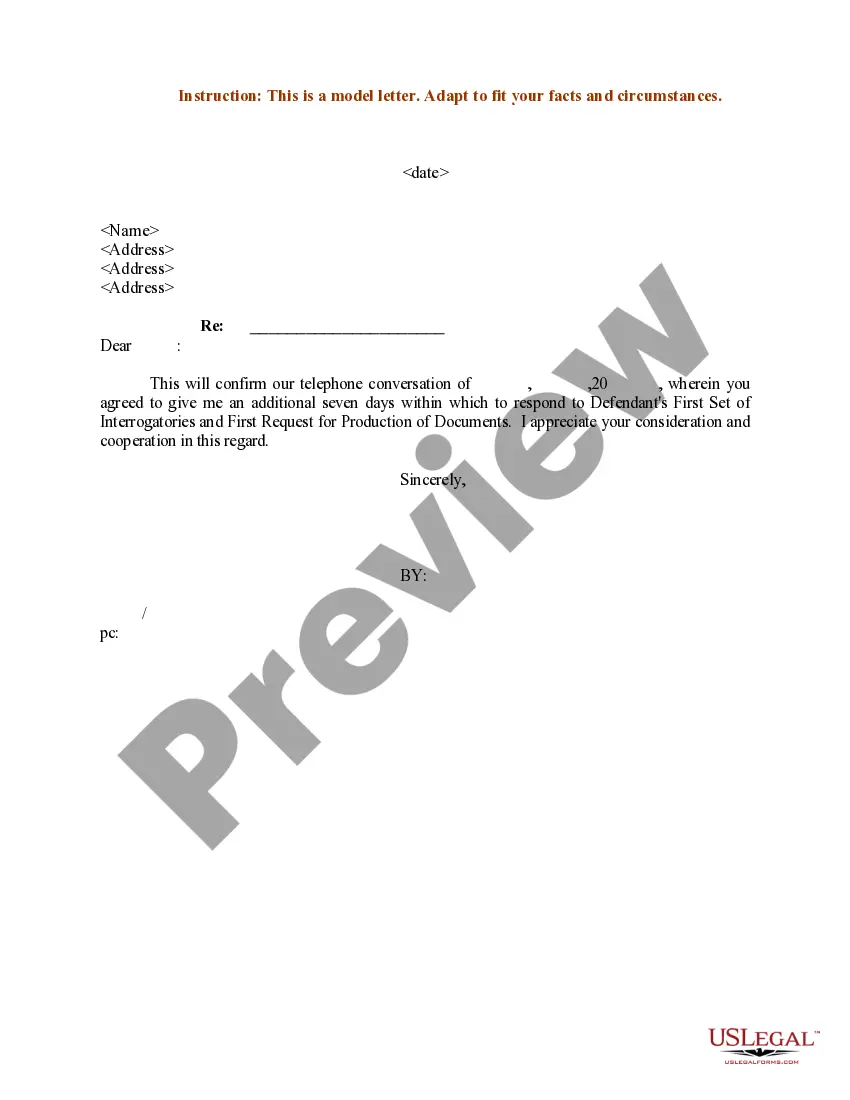
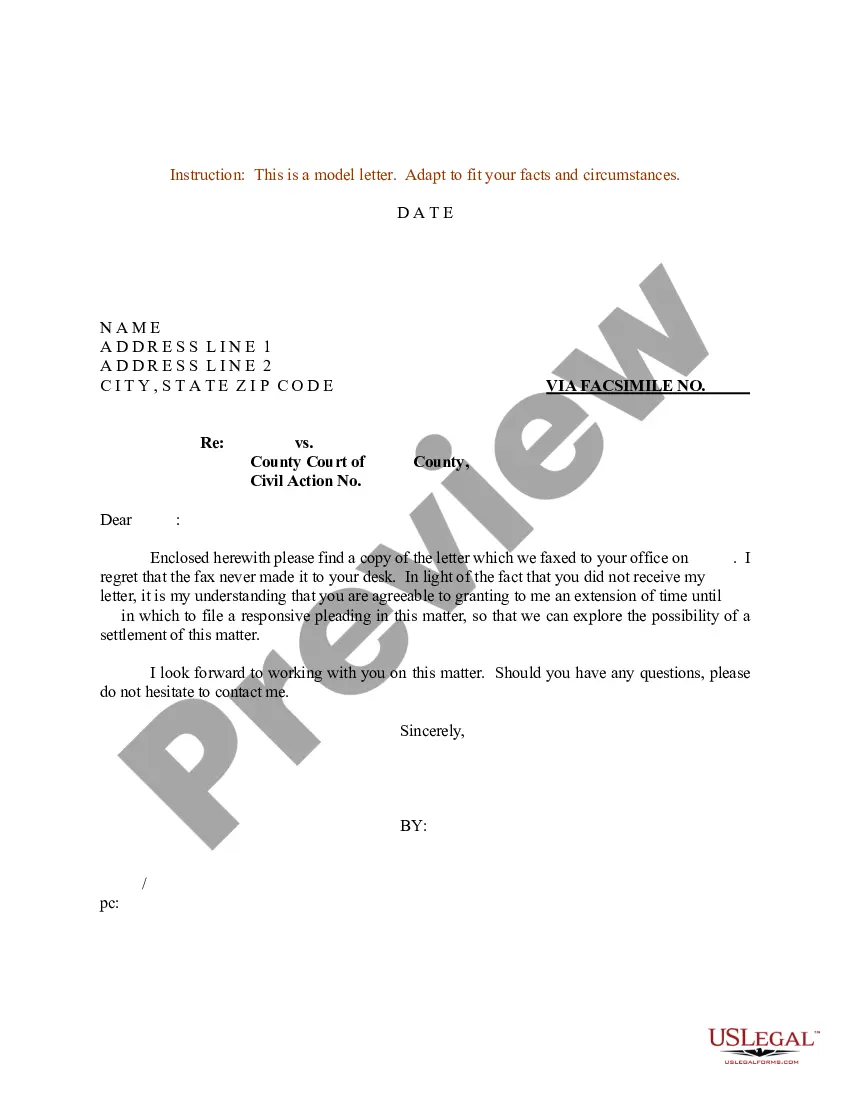


Get your form ready online
Our built-in tools help you complete, sign, share, and store your documents in one place.
Make edits, fill in missing information, and update formatting in US Legal Forms—just like you would in MS Word.
Download a copy, print it, send it by email, or mail it via USPS—whatever works best for your next step.
Sign and collect signatures with our SignNow integration. Send to multiple recipients, set reminders, and more. Go Premium to unlock E-Sign.
If this form requires notarization, complete it online through a secure video call—no need to meet a notary in person or wait for an appointment.
We protect your documents and personal data by following strict security and privacy standards.

Make edits, fill in missing information, and update formatting in US Legal Forms—just like you would in MS Word.

Download a copy, print it, send it by email, or mail it via USPS—whatever works best for your next step.

Sign and collect signatures with our SignNow integration. Send to multiple recipients, set reminders, and more. Go Premium to unlock E-Sign.

If this form requires notarization, complete it online through a secure video call—no need to meet a notary in person or wait for an appointment.

We protect your documents and personal data by following strict security and privacy standards.
Looking for another form?









Form popularity
FAQ
Any person who pled guilty or no contest, admitted a probation violation, or whose probation was automatically violated based upon a plea of guilty or no contest shall have the right to file a post-conviction relief proceeding, and this proceeding shall be known as a Rule 32 of-right proceeding.
Rule 68 is intended to encourage settlement and avoid protracted litigation. By accepting the defendant's offer, plaintiff agrees to end the litigation on all claims encompassed by his complaint against the offering defendant.
Under the new version of Rule 68(g), the sanctions against a party who fails to obtain a more favorable judgment than the offer is “twenty percent of the difference between the amount of the offer and the amount of the final judgment.” This change applies to offers of judgment served on or after January 1, 2022.
Rule 51 - Jury Instructions; Objections; Preserving a Claim of Error (a) Requests (1)Before or at the Close of the Evidence. Before trial and, as the court permits, during trial, a party may file written requests for the jury instructions it wants the court to give. (2)After the Close of the Evidence.
(1) Trial. An offer of judgment must be made more than 30 days before trial begins. (2) Arbitration. In actions assigned to arbitration, no offer of judgment may be made during the time period beginning 25 days before the arbitration hearing and ending when a Rule 77(a) notice of appeal is filed.
How Does Rule 68 Work? to provide a written response. If the plaintiff accepts the offer, then either party may file both the offer and notice of acceptance, which the court will enter. These filings provide the court with the ability to enforce the terms of the agreement.
The party who answers the interrogatories must sign them under oath. If the answering party is a public or private entity, an authorized representative with knowledge of the information contained in the answers, obtained after reasonable inquiry, must sign them under oath.
If a petition for dissolution, legal separation, or annulment is pending, a party may file a petition for conciliation services with the clerk. The requesting party must provide a copy of the petition to the conciliation court. (4) Further Proceedings.
(c) Pleadings must contain facts which, if true, are sufficient to constitute a violation of the Act or a Commission regulation or order, or a defense to an alleged violation. (d) Averred facts, claims, or defenses shall be made in numbered paragraphs and must be supported by relevant evidence.
