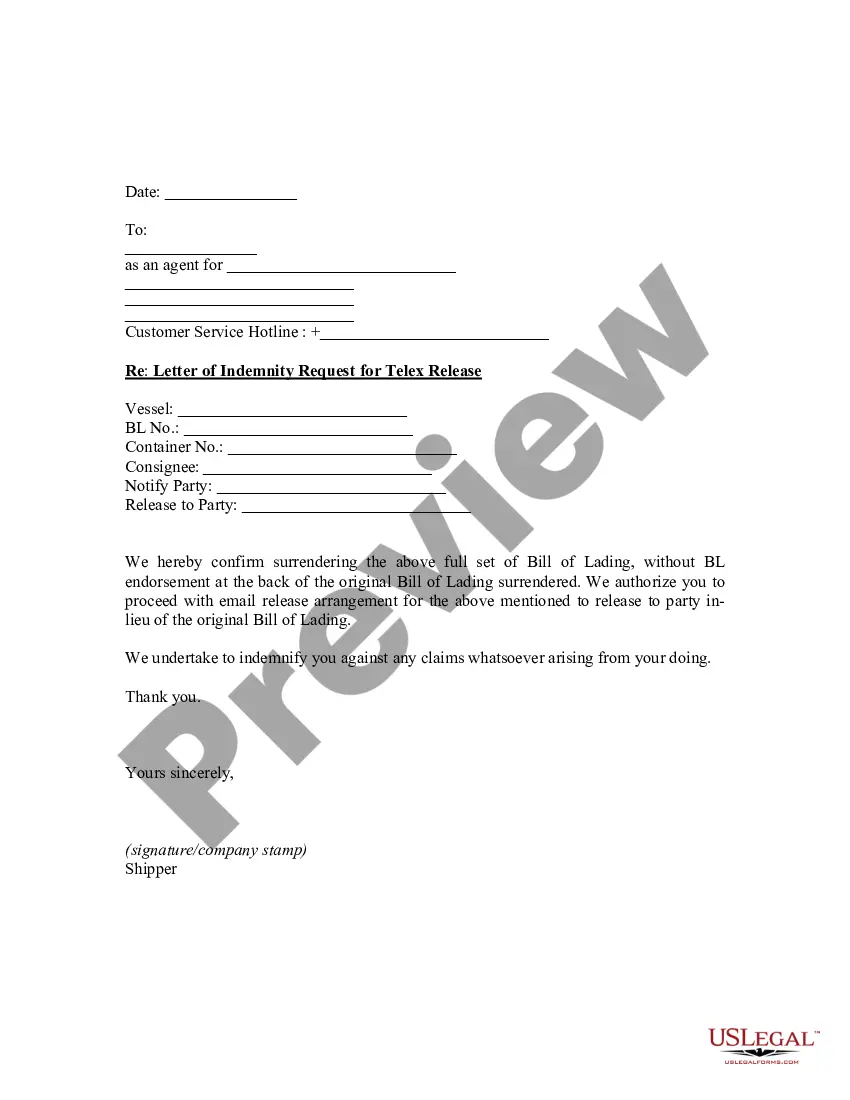
Letter Receipt Donation Statement For Tax Purposes In San Bernardino
Description



Get your form ready online
Our built-in tools help you complete, sign, share, and store your documents in one place.
Make edits, fill in missing information, and update formatting in US Legal Forms—just like you would in MS Word.
Download a copy, print it, send it by email, or mail it via USPS—whatever works best for your next step.
Sign and collect signatures with our SignNow integration. Send to multiple recipients, set reminders, and more. Go Premium to unlock E-Sign.
If this form requires notarization, complete it online through a secure video call—no need to meet a notary in person or wait for an appointment.
We protect your documents and personal data by following strict security and privacy standards.

Make edits, fill in missing information, and update formatting in US Legal Forms—just like you would in MS Word.

Download a copy, print it, send it by email, or mail it via USPS—whatever works best for your next step.

Sign and collect signatures with our SignNow integration. Send to multiple recipients, set reminders, and more. Go Premium to unlock E-Sign.

If this form requires notarization, complete it online through a secure video call—no need to meet a notary in person or wait for an appointment.

We protect your documents and personal data by following strict security and privacy standards.
Looking for another form?


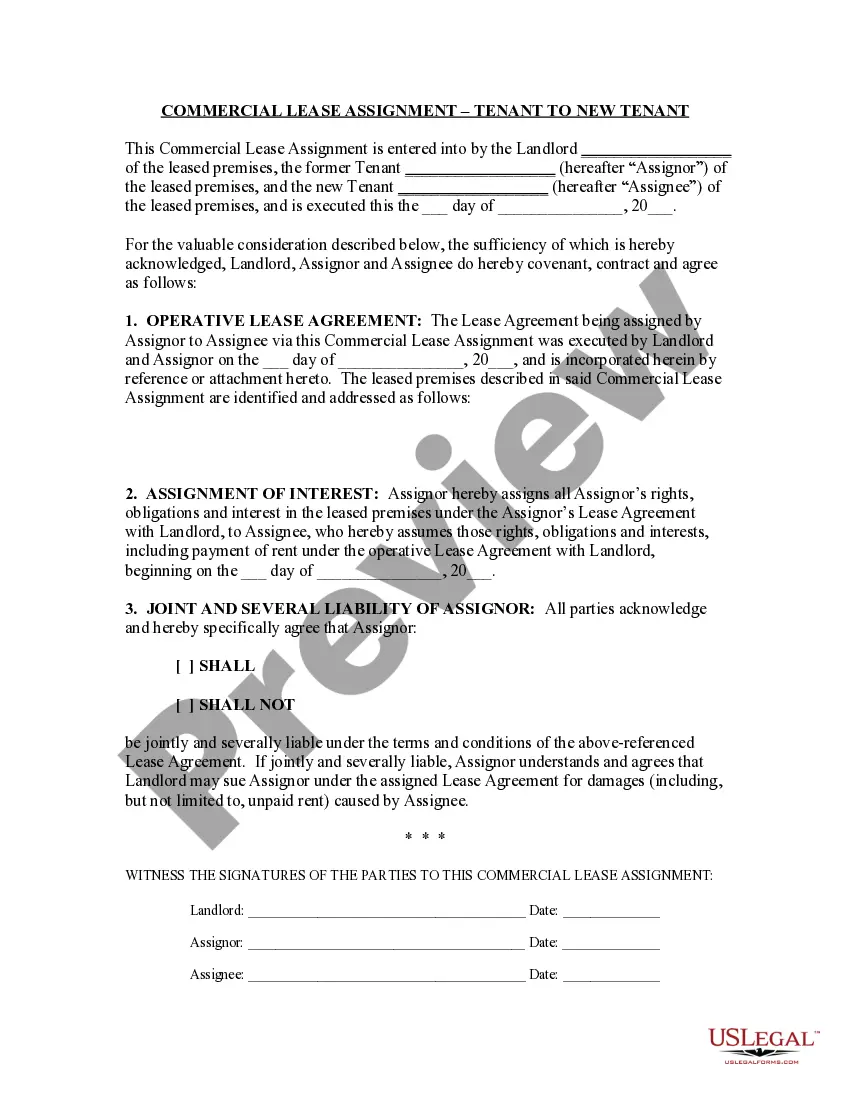
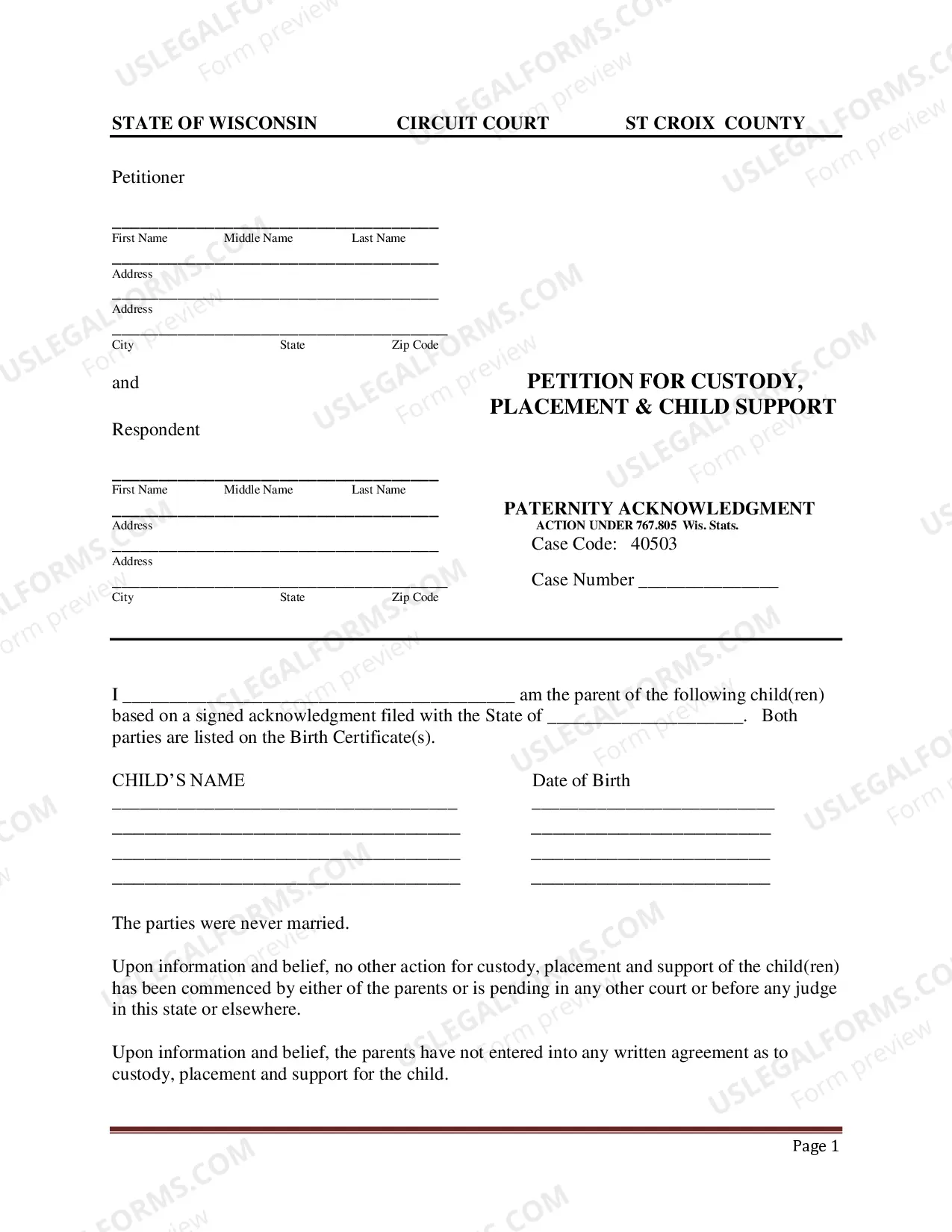
Form popularity
FAQ
How do you write a fundraising letter? Key steps Start with a personalized greeting. Explain your mission. Describe your current initiative. Outline your project's needs and what you hope to accomplish. Add meaningful photographs or infographics. Show the tangible impact associated with specific donation amounts.
What to include in donor acknowledgment letters? Tax-exempt status statement: Statement that the organization is a 501c3 tax-exempt organization. Name of the organization (the charity) and name of the donor. Date of the contribution: The date the donation was received. Contribution Details.
What to include in donor acknowledgment letters? Tax-exempt status statement: Statement that the organization is a 501c3 tax-exempt organization. Name of the organization (the charity) and name of the donor. Date of the contribution: The date the donation was received. Contribution Details.
There's no charity tax deduction minimum donation amount required to claim a charitable deduction.
Donation receipts, or donation tax receipts, provide official documentation of a gift made by a donor. Often written in the form of an acknowledgment letter, they let the donor know that their donation has been received and allow the nonprofit to express its gratitude.
How to Write a Gift Acknowledgment Letter State the purpose of your letter. Start your gift acknowledgment letter with a confirmation of the donation. Make your letter visually engaging. Personalize your note. Explain the impact of the gift. Express heartfelt gratitude. Invite supporters to stay involved.
A donation receipt format must include the donor's name, address and contact number, date, name of the organisation, amount, reason for payment, receipt number, and name of the receiver.
What key details should be included in a sponsorship invoice? Description of the sponsored event. A sponsorship invoice should include a detailed description of the event, including its name, location, address, and date. Details of the event organizer. Sponsor details. Sponsorship details. Payment terms.
Impact Highlights Showcase key achievements and program outcomes. Use clear, relatable language to convey your message. Include human-interest stories that illustrate the real-life impact of donor contributions. For example, share the journey of a beneficiary whose life was transformed through your programs.
Donor intent is concerned with ensuring that the wealth of a philanthropy's founding benefactor is distributed in a manner consistent with his or her wishes. It operates on a more macro-level, concerned with overall fidelity to a wealth creator's vision.