Donation Receipt For Goods In Salt Lake
Description



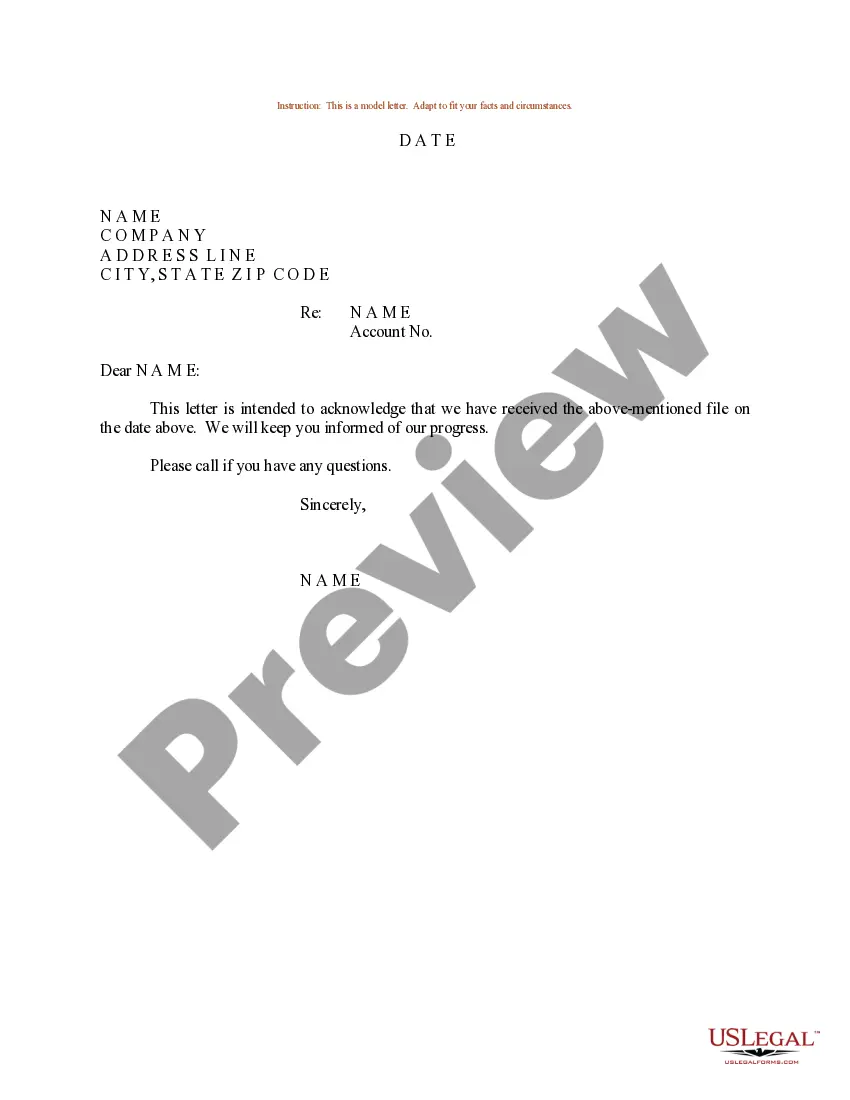
Get your form ready online
Our built-in tools help you complete, sign, share, and store your documents in one place.
Make edits, fill in missing information, and update formatting in US Legal Forms—just like you would in MS Word.
Download a copy, print it, send it by email, or mail it via USPS—whatever works best for your next step.
Sign and collect signatures with our SignNow integration. Send to multiple recipients, set reminders, and more. Go Premium to unlock E-Sign.
If this form requires notarization, complete it online through a secure video call—no need to meet a notary in person or wait for an appointment.
We protect your documents and personal data by following strict security and privacy standards.

Make edits, fill in missing information, and update formatting in US Legal Forms—just like you would in MS Word.

Download a copy, print it, send it by email, or mail it via USPS—whatever works best for your next step.

Sign and collect signatures with our SignNow integration. Send to multiple recipients, set reminders, and more. Go Premium to unlock E-Sign.

If this form requires notarization, complete it online through a secure video call—no need to meet a notary in person or wait for an appointment.

We protect your documents and personal data by following strict security and privacy standards.
Looking for another form?
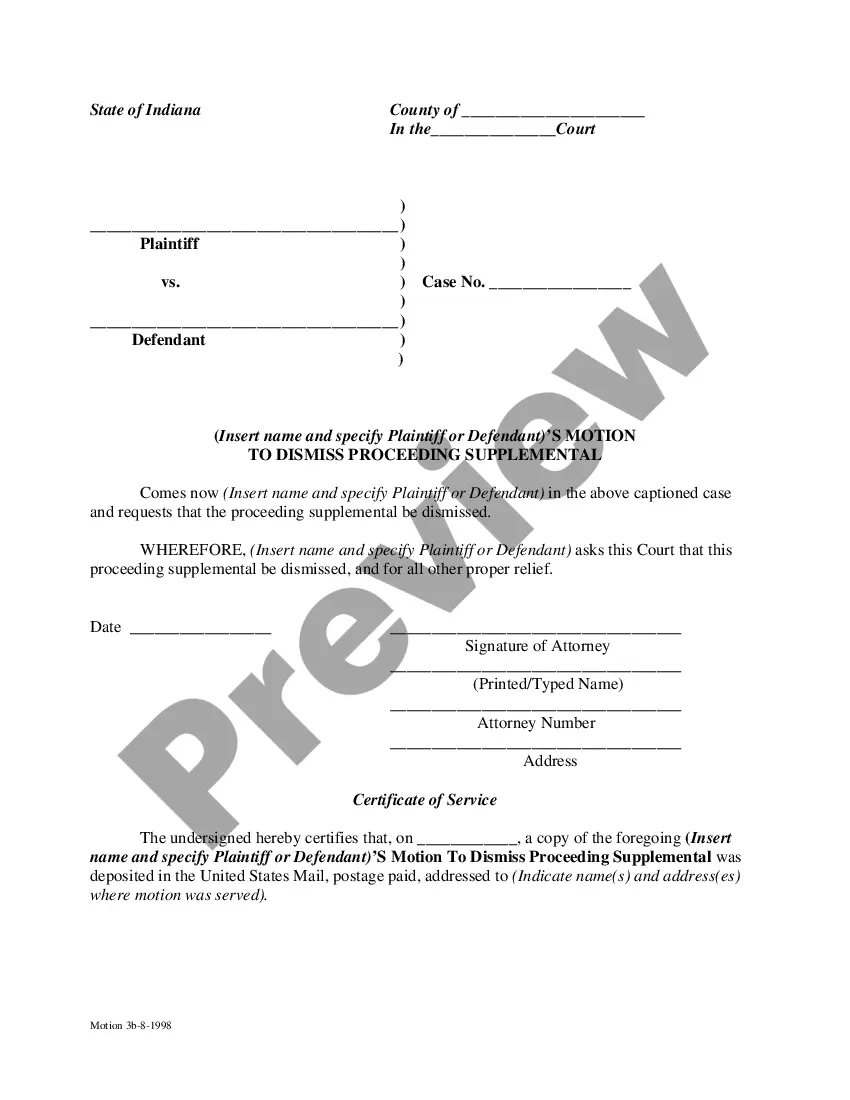









Form popularity
FAQ
Example 2: Individual Acknowledgment Letter Hi donor name, We're super grateful for your contribution of $250 to nonprofit's name on date received. As a thank you, we sent you a T-shirt with an estimated fair market value of $25 in exchange for your contribution.
Use simple, direct words like "Donate now," "Give today," or "Join us in helping." Place your CTA where people can see it right away, so they know how to help. Also, tell them why their action is important.
Here are a few effective methods: Verbal Acknowledgment. Sometimes, a simple spoken acknowledgment carries the most weight. Written Acknowledgment. Written acknowledgment works just as well, especially for contributions that might otherwise go unnoticed. Tangible s. Digital Badges and Signifiers.
Keep Donation Records: Maintain records of all contributions, including bank statements, receipts, and checks. 2. Document Donations: For donations over $250, get a written acknowledgment from the charity. For noncash donations over $500, complete Form 8283 and include an appraisal for items valued over $5,000.
Recording In-Kind Donations of Goods: Record the same fair market value to either an expense account (if the items will be used immediately) or an asset account (if the items will remain in inventory or are tangible assets, like furniture or equipment).
You must have the charity's written acknowledgment for any charitable deduction of $250 or more. A canceled check is not enough to support your deduction.
Open your TurboTax software. Under Federal Taxes, select Deductions & Credits. When asked, How do you want to enter your deductions and credits?, select I'll choose what I work on. Scroll down to Charitable Donations and click the Visit All button.
However, you should be able to provide a bank record (bank statement, credit card statement, canceled check or a payroll deduction record) to claim the tax deduction. Written records, like check registers or personal notations, from the donor aren't enough proof. The records should show the: Organization's name.
Typically, they are only necessary for people who make donations of $250 or more. Nonprofit or charitable organizations typically create donation invoices after they've processed incoming donations. These organizations then send the donation invoices back to their donors.
