Donation Letter For Nonprofit In Pennsylvania
Description



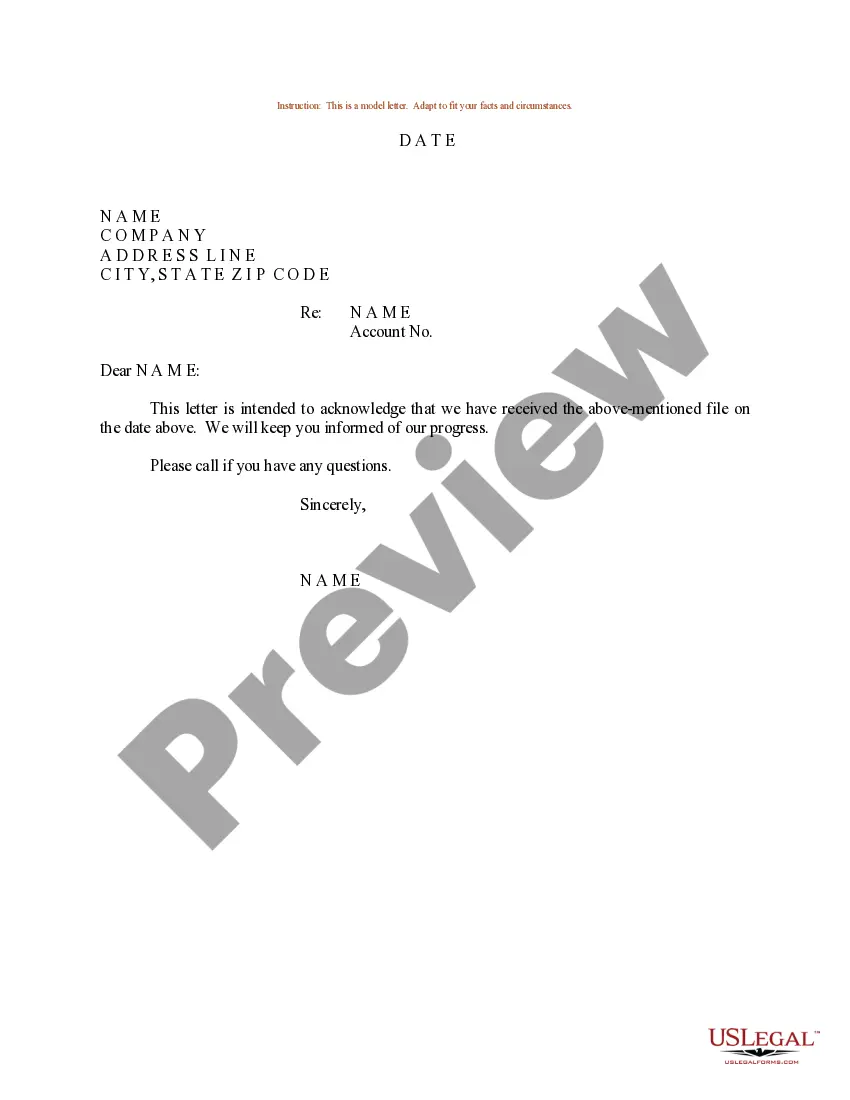
Get your form ready online
Our built-in tools help you complete, sign, share, and store your documents in one place.
Make edits, fill in missing information, and update formatting in US Legal Forms—just like you would in MS Word.
Download a copy, print it, send it by email, or mail it via USPS—whatever works best for your next step.
Sign and collect signatures with our SignNow integration. Send to multiple recipients, set reminders, and more. Go Premium to unlock E-Sign.
If this form requires notarization, complete it online through a secure video call—no need to meet a notary in person or wait for an appointment.
We protect your documents and personal data by following strict security and privacy standards.

Make edits, fill in missing information, and update formatting in US Legal Forms—just like you would in MS Word.

Download a copy, print it, send it by email, or mail it via USPS—whatever works best for your next step.

Sign and collect signatures with our SignNow integration. Send to multiple recipients, set reminders, and more. Go Premium to unlock E-Sign.

If this form requires notarization, complete it online through a secure video call—no need to meet a notary in person or wait for an appointment.

We protect your documents and personal data by following strict security and privacy standards.
Looking for another form?





Form popularity
FAQ
How do you write a fundraising letter? Key steps Start with a personalized greeting. Explain your mission. Describe your current initiative. Outline your project's needs and what you hope to accomplish. Add meaningful photographs or infographics. Show the tangible impact associated with specific donation amounts.
The Pennsylvania Solicitation of Funds for Charitable Purposes Act, 10 P. S. § 162.1 et seq., requires organizations soliciting charitable contributions from Pennsylvania residents to register with the Bureau by filing a BCO-10 (PDF) Charitable Organization Registration Statement unless they are excluded or exempted ...
Charitable solicitation and fundraising are often used interchangeably because they mean the same thing to the Internal Revenue Service (IRS) and most states. Typical forms of charitable solicitation are: Face-to-face meetings with major donors and corporate sponsors. Email and mailed donation appeals.
Start with a clear statement of purpose. Explain the specific need or cause you are fundraising for, and why it is important. Share personal stories or anecdotes that illustrate the impact the donations will have. Quantify the need and how the donations will be used. Convey gratitude and appreciation for any
--A person is guilty of solicitation to commit a crime if with the intent of promoting or facilitating its commission he commands, encourages or requests another person to engage in specific conduct which would constitute such crime or an attempt to commit such crime or which would establish his complicity in its ...
A Pennsylvania Standard Clause limiting an employee's solicitation of employees and customers during the term of the employee's employment and for a specified period after the employment relationship ends. It is intended for use by private employers.
This generally includes (but is not limited to) individual donations made via: Your nonprofit website. Text-to-donate. Direct mail. Crowdfunding pages. Peer-to-peer fundraising campaigns. Legacy or planned gifts. Payroll giving programs. In-kind donations.
Build strategic partnerships with other organizations. You can potentially receive direct donations, in-kind donations, matching gifts, volunteer grants, and other forms of fundraising support from these organizations. You can also engage with the individuals involved in these groups — the employees, members, etc.
1. Greet the recipient formally and personally to start. 2. Introduce yourself and give a succinct explanation of the reason for your email. 3. Clearly clarify your desire for a donation and describe the initiative or cause you are supporting.

