Donation Receipt Template For Nonprofits In Orange
Description



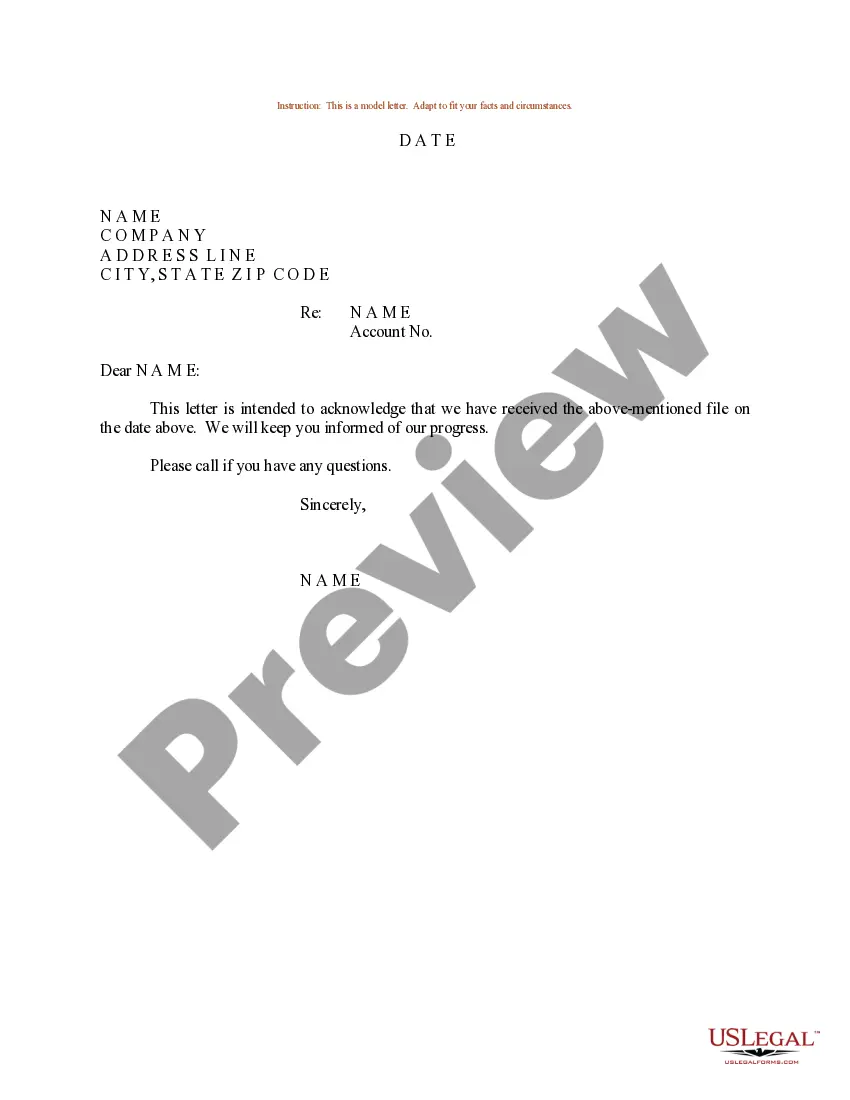
Get your form ready online
Our built-in tools help you complete, sign, share, and store your documents in one place.
Make edits, fill in missing information, and update formatting in US Legal Forms—just like you would in MS Word.
Download a copy, print it, send it by email, or mail it via USPS—whatever works best for your next step.
Sign and collect signatures with our SignNow integration. Send to multiple recipients, set reminders, and more. Go Premium to unlock E-Sign.
If this form requires notarization, complete it online through a secure video call—no need to meet a notary in person or wait for an appointment.
We protect your documents and personal data by following strict security and privacy standards.

Make edits, fill in missing information, and update formatting in US Legal Forms—just like you would in MS Word.

Download a copy, print it, send it by email, or mail it via USPS—whatever works best for your next step.

Sign and collect signatures with our SignNow integration. Send to multiple recipients, set reminders, and more. Go Premium to unlock E-Sign.

If this form requires notarization, complete it online through a secure video call—no need to meet a notary in person or wait for an appointment.

We protect your documents and personal data by following strict security and privacy standards.
Looking for another form?







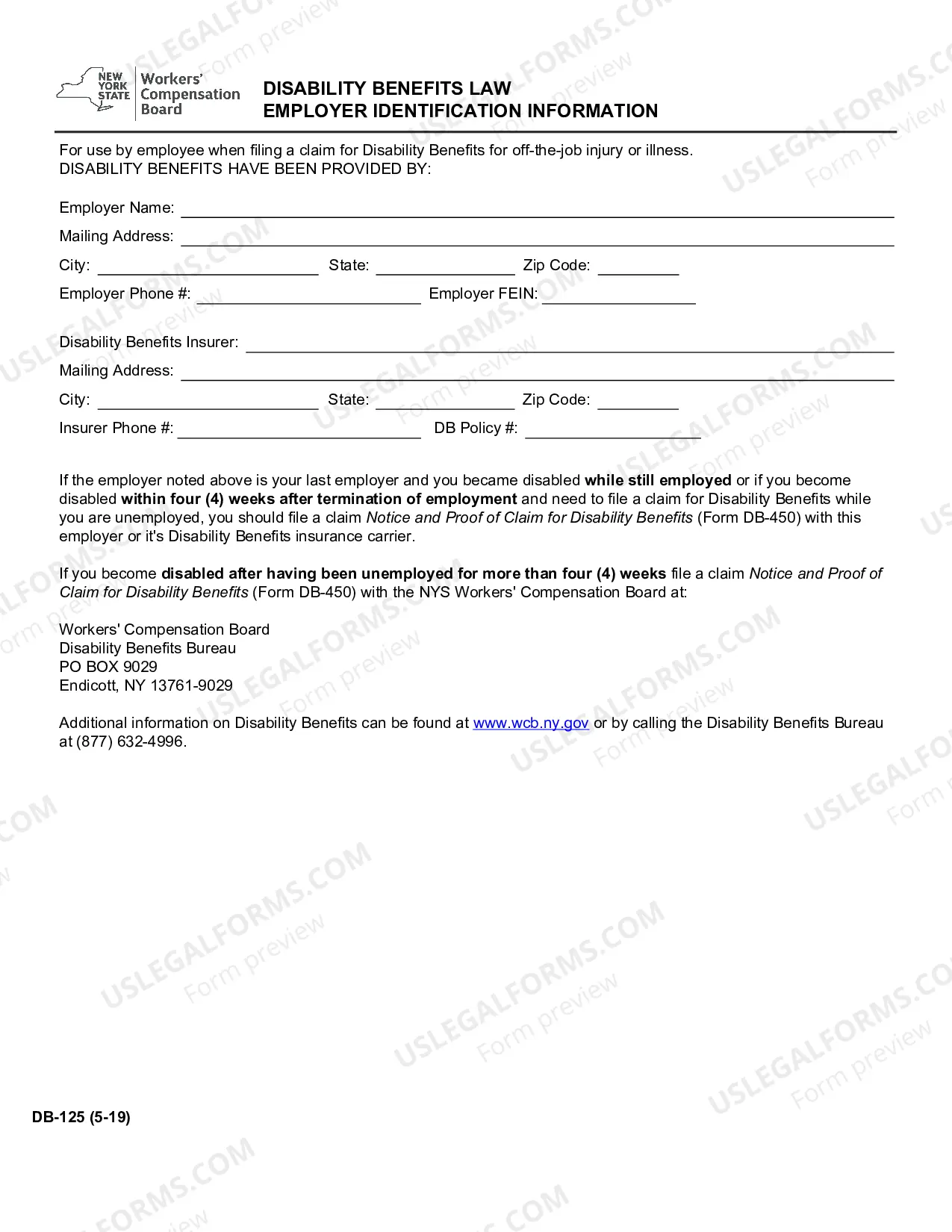


Form popularity
FAQ
Generally, you can only deduct charitable contributions if you itemize deductions on Schedule A (Form 1040), Itemized Deductions. Gifts to individuals are not deductible. Only qualified organizations are eligible to receive tax deductible contributions.
In response to the COVID-19 pandemic, Congress enacted a $300 charitable deduction for non-itemizing taxpayers for 2020. This non-itemizer charitable deduction was extended and expanded to $600 for joint filers through 2021. However, the provision expired at the end of 2021 and has yet to be restored.
1. Donating to a 501(c)(3) As discussed, individuals and companies that donate to 501(c)(3) public charities can deduct their gifts up to 100% of their AGI (Adjusted Gross Income). Contributions to private foundations are also tax-deductible but generally capped at 30% or 50% of the AGI.
However, no matter the form, every receipt must include six items to meet the standards set forth by the IRS. Name of the Charity and Name of the Donor. Date of the Contribution. Detailed Description of the Property Donated. Amount of the Contribution.
What key details should be included in a sponsorship invoice? Description of the sponsored event. A sponsorship invoice should include a detailed description of the event, including its name, location, address, and date. Details of the event organizer. Sponsor details. Sponsorship details. Payment terms.
Employees make regular donations to charity. Charities appealed for donations of food and clothing for victims of the hurricane.
I'm writing to ask you to support me and my cause/project/etc.. Just a small donation of amount can help me accomplish task/reach a goal/etc.. Your donation will go toward describe exactly what the contribution will be used for. When possible, add a personal connection to tie the donor to the cause.
Make it urgent. Giving now is better than giving later, so make sure your language reflects that. Be clear and direct. Craft a great subject line. Keep it optimistic. Say thank you in advance. Use "you" in your asking for a donation wording. Use action verbs. Follow the numbers.
The Income Tax Department issues no specific donation receipt format. The only requirement is to mention the trust name, address, registration number, PAN, donation amount in words and figures, date of donation, name of the donor, and mode of payment.
Getting started Craft a compelling message. Include who you are. Be clear about what you're asking for. Link your donation form. Say thank you in advance.

