Donation Letter For Nonprofit In Orange
Description



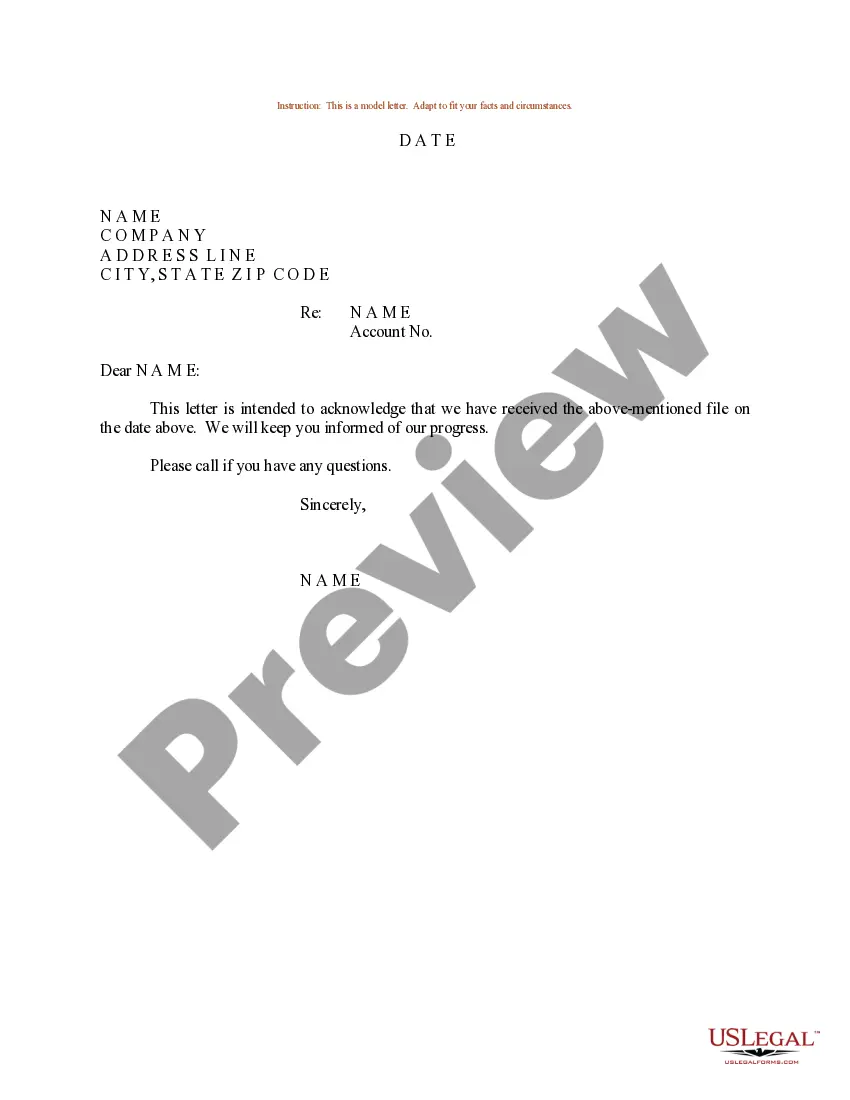
Get your form ready online
Our built-in tools help you complete, sign, share, and store your documents in one place.
Make edits, fill in missing information, and update formatting in US Legal Forms—just like you would in MS Word.
Download a copy, print it, send it by email, or mail it via USPS—whatever works best for your next step.
Sign and collect signatures with our SignNow integration. Send to multiple recipients, set reminders, and more. Go Premium to unlock E-Sign.
If this form requires notarization, complete it online through a secure video call—no need to meet a notary in person or wait for an appointment.
We protect your documents and personal data by following strict security and privacy standards.

Make edits, fill in missing information, and update formatting in US Legal Forms—just like you would in MS Word.

Download a copy, print it, send it by email, or mail it via USPS—whatever works best for your next step.

Sign and collect signatures with our SignNow integration. Send to multiple recipients, set reminders, and more. Go Premium to unlock E-Sign.

If this form requires notarization, complete it online through a secure video call—no need to meet a notary in person or wait for an appointment.

We protect your documents and personal data by following strict security and privacy standards.
Looking for another form?

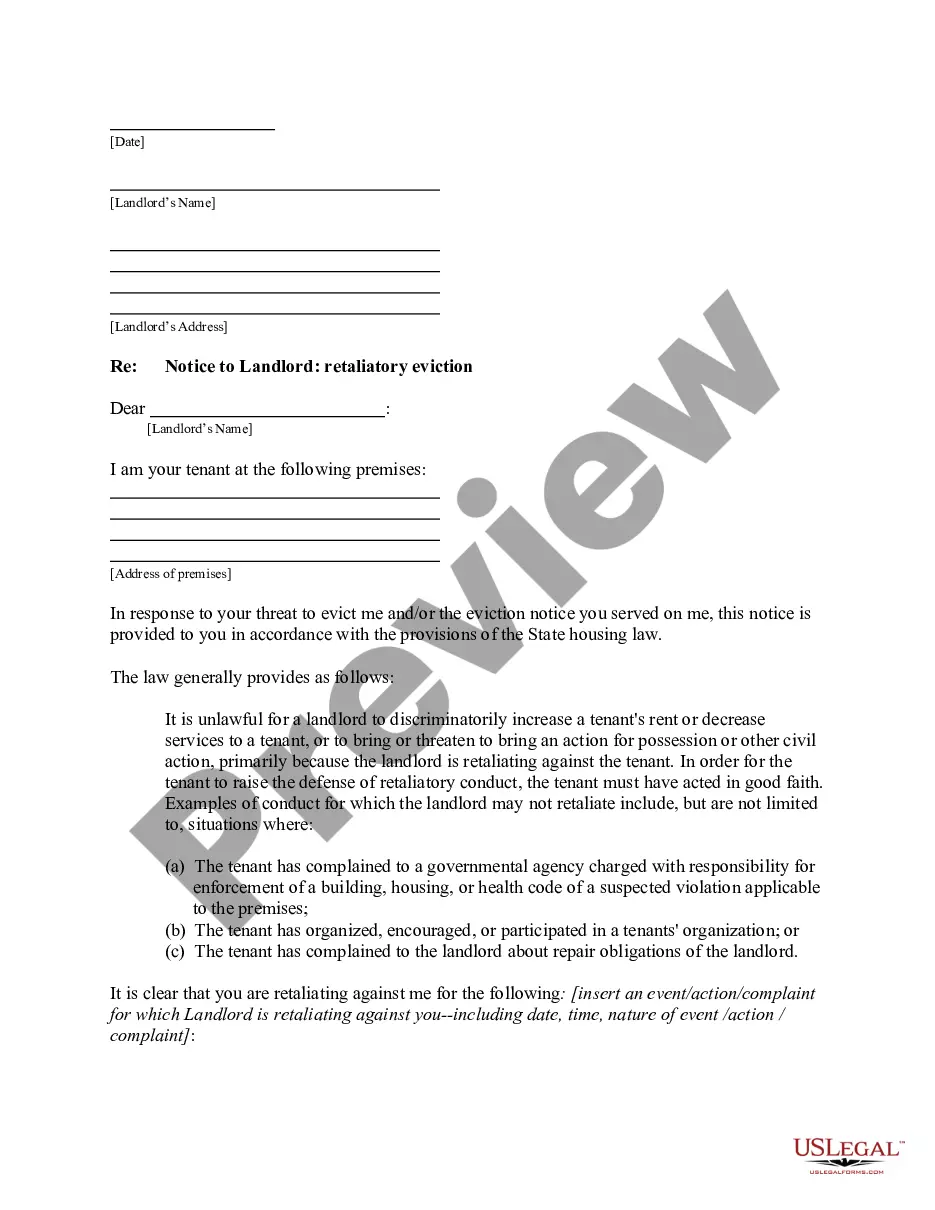








Form popularity
FAQ
Most letters have three parts: an opening statement that identifies the project/program where funds are being sought, one or two middle paragraphs that indicate the relationship of the writer to the effort seeking funding, and a closing statement. Be sure all your supporters address the same person at the same address.
Supporting Statement Example: I am excited to apply for the Marketing Manager position at Company Name. As a seasoned marketing professional with over 7 years of experience, I have a proven track record of developing and implementing successful marketing campaigns that drive brand awareness and increase sales.
Most letters have three parts: an opening statement that identifies the project/program where funds are being sought, one or two middle paragraphs that indicate the relationship of the writer to the effort seeking funding, and a closing statement. Be sure all your supporters address the same person at the same address.
Explain what the funds will be used for and the impact the donation will have. Establish a personal connection. Share why this cause is meaningful to you and how it has impacted your life or the lives of others you know. This helps build an emotional connection with the reader. Use a conversational tone.
Developing a Case for Support: 9 Steps Form a team. A small group of fundraisers or development staff should oversee the case development process. Determine your case for support guidelines. Draft your key elements. Ensure coherence. Review and revise. Test and refine. Secure buy-in. Save and share.
Start with a clear statement of purpose. Explain the specific need or cause you are fundraising for, and why it is important. Share personal stories or anecdotes that illustrate the impact the donations will have. Quantify the need and how the donations will be used. Convey gratitude and appreciation for any
Craft a concise, direct donation message by clearly stating your cause, the impact of donations, and specific calls-to-action with emotional language. For example: "Your $25 gift provides a week of meals for a family in need. Text FEED to 55555 to More Meals today!"
The letter of support should emphasize the writer's personal connection to the project and highlight the project's importance and potential benefits. The letter should be persuasive, clearly written, and provide examples of how the project can make a difference in people's lives.
The easiest way to ask for a company to provide a donation is to find out who administers a company's corporate social responsibility program. Go to that person and let them know what your organization is trying to accomplish and how their gift could help.
How to Get a Sponsorship: 8 Key Tactics Research potential sponsors. Look at your existing supporters. Tell your organization's story. Provide sponsor incentives. Reach out to established companies. Use data to legitimize your pitch. Find the right contact. Build a connection over time. Follow up.

