Donation Receipt For Goods In Oakland
Description



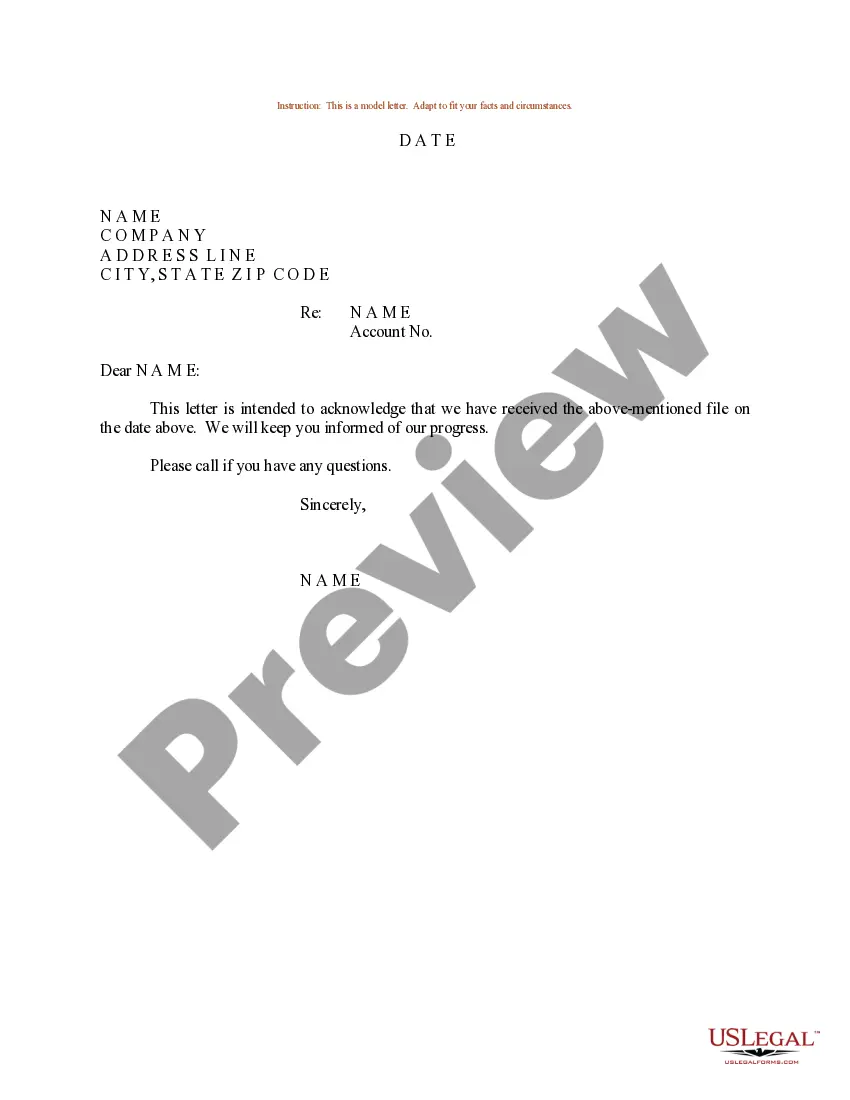
Get your form ready online
Our built-in tools help you complete, sign, share, and store your documents in one place.
Make edits, fill in missing information, and update formatting in US Legal Forms—just like you would in MS Word.
Download a copy, print it, send it by email, or mail it via USPS—whatever works best for your next step.
Sign and collect signatures with our SignNow integration. Send to multiple recipients, set reminders, and more. Go Premium to unlock E-Sign.
If this form requires notarization, complete it online through a secure video call—no need to meet a notary in person or wait for an appointment.
We protect your documents and personal data by following strict security and privacy standards.

Make edits, fill in missing information, and update formatting in US Legal Forms—just like you would in MS Word.

Download a copy, print it, send it by email, or mail it via USPS—whatever works best for your next step.

Sign and collect signatures with our SignNow integration. Send to multiple recipients, set reminders, and more. Go Premium to unlock E-Sign.

If this form requires notarization, complete it online through a secure video call—no need to meet a notary in person or wait for an appointment.

We protect your documents and personal data by following strict security and privacy standards.
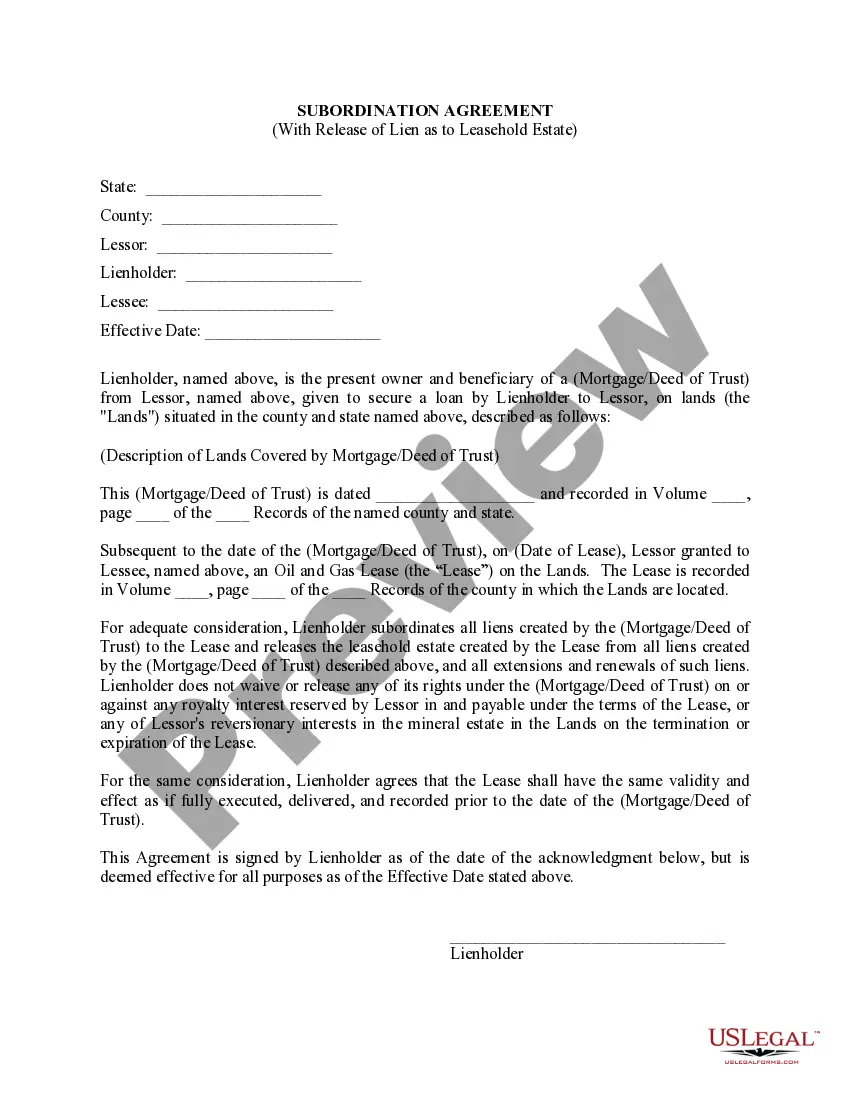
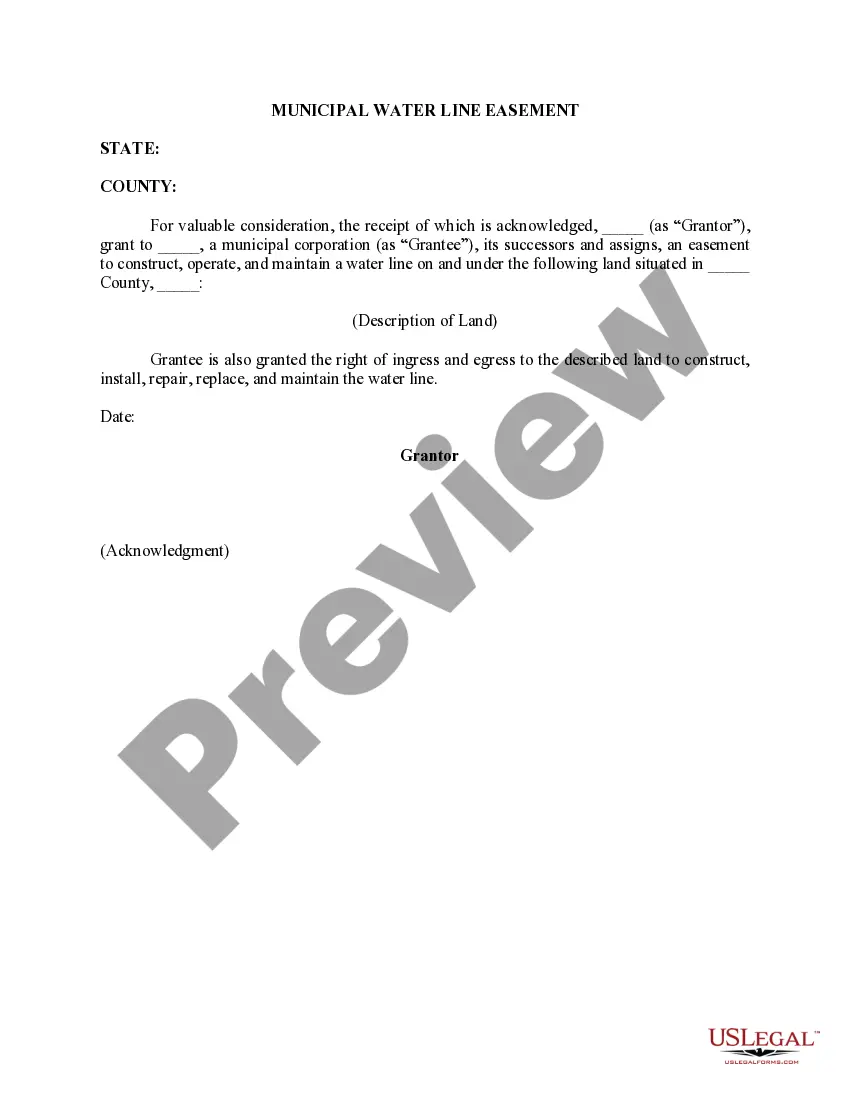
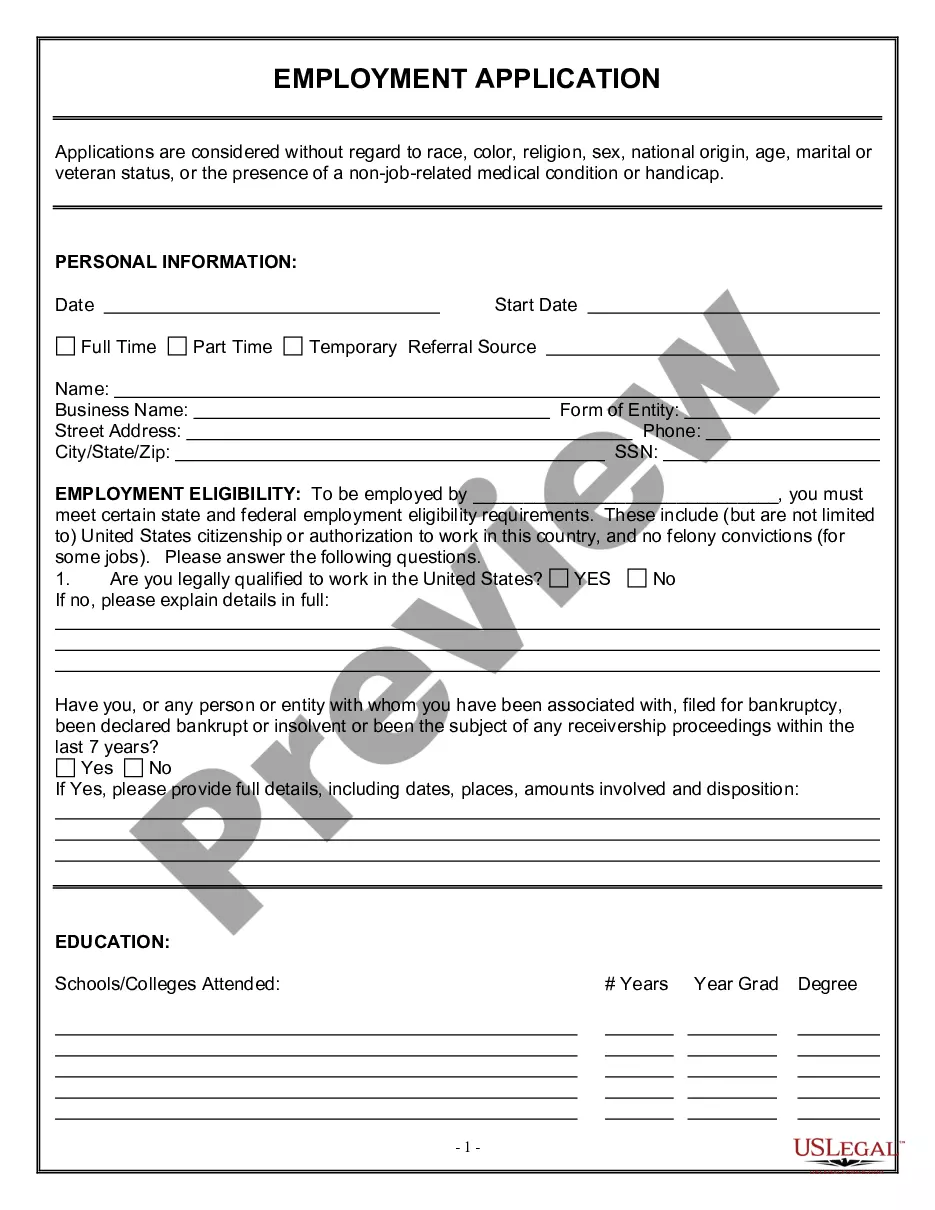
Looking for another form?






Form popularity
FAQ
While it's best practice to always send a donation receipt for every gift your organization receives, there are circumstances where a donation receipt is required by the IRS and must meet IRS guidelines, including: When single donations are greater than $250.
Recording In-Kind Donations of Goods: Record the same fair market value to either an expense account (if the items will be used immediately) or an asset account (if the items will remain in inventory or are tangible assets, like furniture or equipment).
Form 8283 has two sections. If you must file Form 8283, you must complete either Section A or Section B depending on the type of property donated and the amount claimed as a deduction. Members in a pass-through entity completing their own Form 8283 should complete the same section of the Form (Section A or B)
Keep Donation Records: Maintain records of all contributions, including bank statements, receipts, and checks. 2. Document Donations: For donations over $250, get a written acknowledgment from the charity. For noncash donations over $500, complete Form 8283 and include an appraisal for items valued over $5,000.
Open your TurboTax software. Under Federal Taxes, select Deductions & Credits. When asked, How do you want to enter your deductions and credits?, select I'll choose what I work on. Scroll down to Charitable Donations and click the Visit All button.
You can take a deduction for a contribution of an item of clothing or a household item that isn't in good used condition or better if you deduct more than $500 for it and include a qualified appraisal of it with your return.
You must have the charity's written acknowledgment for any charitable deduction of $250 or more. A canceled check is not enough to support your deduction.
How much can you deduct for the gently used goods you donate to Goodwill? The IRS allows you to deduct fair market value for gently-used items. The quality of the item when new and its age must be considered. The IRS requires an item to be in good condition or better to take a deduction.
Legal requirements: The IRS requires donation receipts in certain situations. Failure to send a receipt can result in a penalty of $10 per contribution, up to $5,000 for each specific campaign.
Typically, they are only necessary for people who make donations of $250 or more. Nonprofit or charitable organizations typically create donation invoices after they've processed incoming donations. These organizations then send the donation invoices back to their donors.

