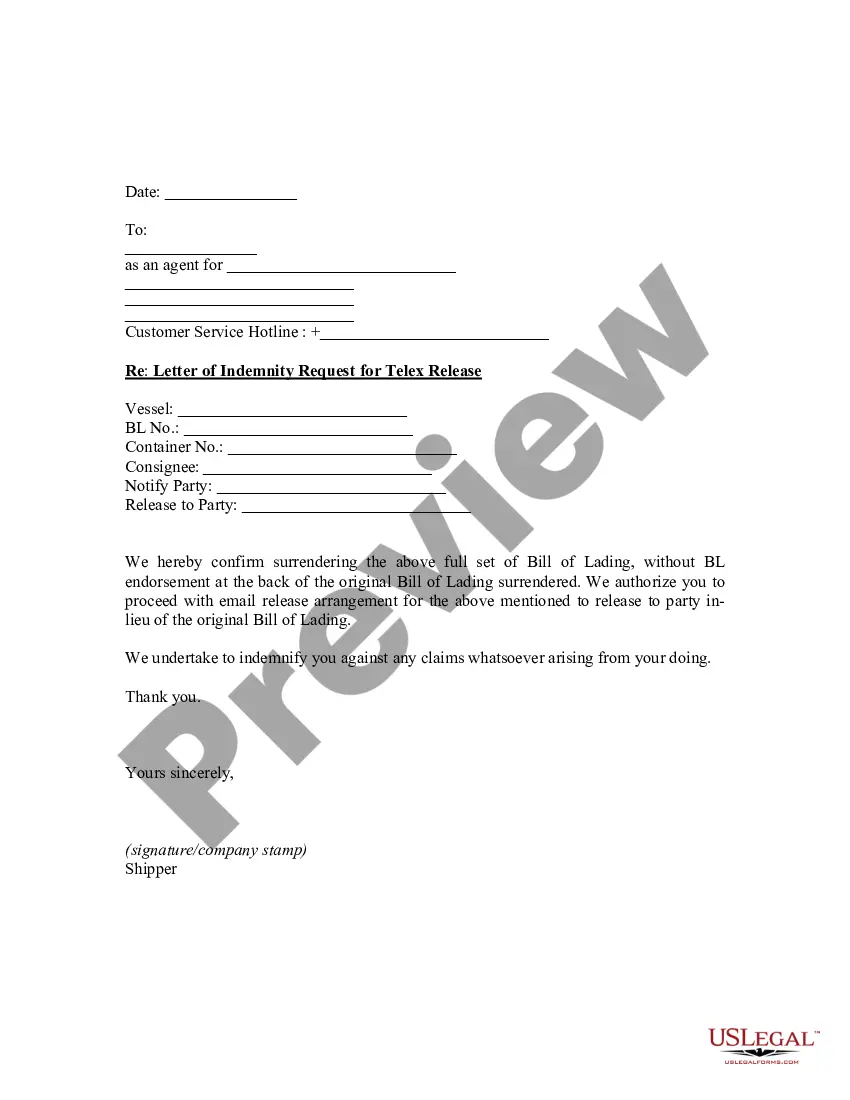
Letter Receipt Donation Statement For Graduate School In Montgomery
Description




Get your form ready online
Our built-in tools help you complete, sign, share, and store your documents in one place.
Make edits, fill in missing information, and update formatting in US Legal Forms—just like you would in MS Word.
Download a copy, print it, send it by email, or mail it via USPS—whatever works best for your next step.
Sign and collect signatures with our SignNow integration. Send to multiple recipients, set reminders, and more. Go Premium to unlock E-Sign.
If this form requires notarization, complete it online through a secure video call—no need to meet a notary in person or wait for an appointment.
We protect your documents and personal data by following strict security and privacy standards.

Make edits, fill in missing information, and update formatting in US Legal Forms—just like you would in MS Word.

Download a copy, print it, send it by email, or mail it via USPS—whatever works best for your next step.

Sign and collect signatures with our SignNow integration. Send to multiple recipients, set reminders, and more. Go Premium to unlock E-Sign.

If this form requires notarization, complete it online through a secure video call—no need to meet a notary in person or wait for an appointment.

We protect your documents and personal data by following strict security and privacy standards.
Looking for another form?





Form popularity
FAQ
1. Greet the recipient formally and personally to start. 2. Introduce yourself and give a succinct explanation of the reason for your email. 3. Clearly clarify your desire for a donation and describe the initiative or cause you are supporting.
Key Components of a Donor Acknowledgment Letter Organization's Full Name: Clearly state the name of your organization. Donor's Name: Use the donor's name as it was given for the donation. Date of Donation: Mention the exact date the donation was made. Donation Details: Include a description of the donation.
Top Tips for Writing a Graduate School Personal Statement Pick a few points to emphasize about yourself. Introduce yourself to the admissions board. Be very specific. Do your research. Address any gaps or discrepancies. Strike the right tone. Start strong and finish strong. Proofread, proofread and proofread again.
What To Include in Donor Acknowledgement Letters Donor's name. Address the donor by name. Organization's name. Clearly state your nonprofit's name to make the letter official and avoid confusion. Donation amount and date. Be specific about the gift. Type of donation. Tax information. Mission impact. Closing with gratitude.
While it's best practice to always send a donation receipt for every gift your organization receives, there are circumstances where a donation receipt is required by the IRS and must meet IRS guidelines, including: When single donations are greater than $250.
How to fill out a Goodwill Donation Tax Receipt A: Date, Name and Address. This section organizes when a donation was made, who dropped off the donation and your current address. B: Donation Details. C: Tax Year. D. E: Fine Print. F: Goodwill Confirmation. How to deduct your Goodwill donations on your taxes.
Example 2: Individual Acknowledgment Letter Hi donor name, We're super grateful for your contribution of $250 to nonprofit's name on date received. As a thank you, we sent you a T-shirt with an estimated fair market value of $25 in exchange for your contribution.
Start with a clear statement of purpose. Share personal stories or anecdotes that illustrate the impact the donations will have. Quantify the need and how the donations will be used. Convey gratitude and appreciation for any amount the reader is able to contribute.
Each letter should include the following information: The donor's name. The full legal name of your organization. A declaration of your organization's tax-exempt status. Your organization's employer identification number. The date the gift was received. A description of the gift and the amount received.
Technically, donors don't need the substantiation until sometime before they file their personal tax returns for the year the gift was made. There are other ways to acknowledge a gift in addition to a written gift acknowledgment that is sent to the donor, whether via email or regular mail.