Letter Donation Form Sample For Charity In Montgomery
Description



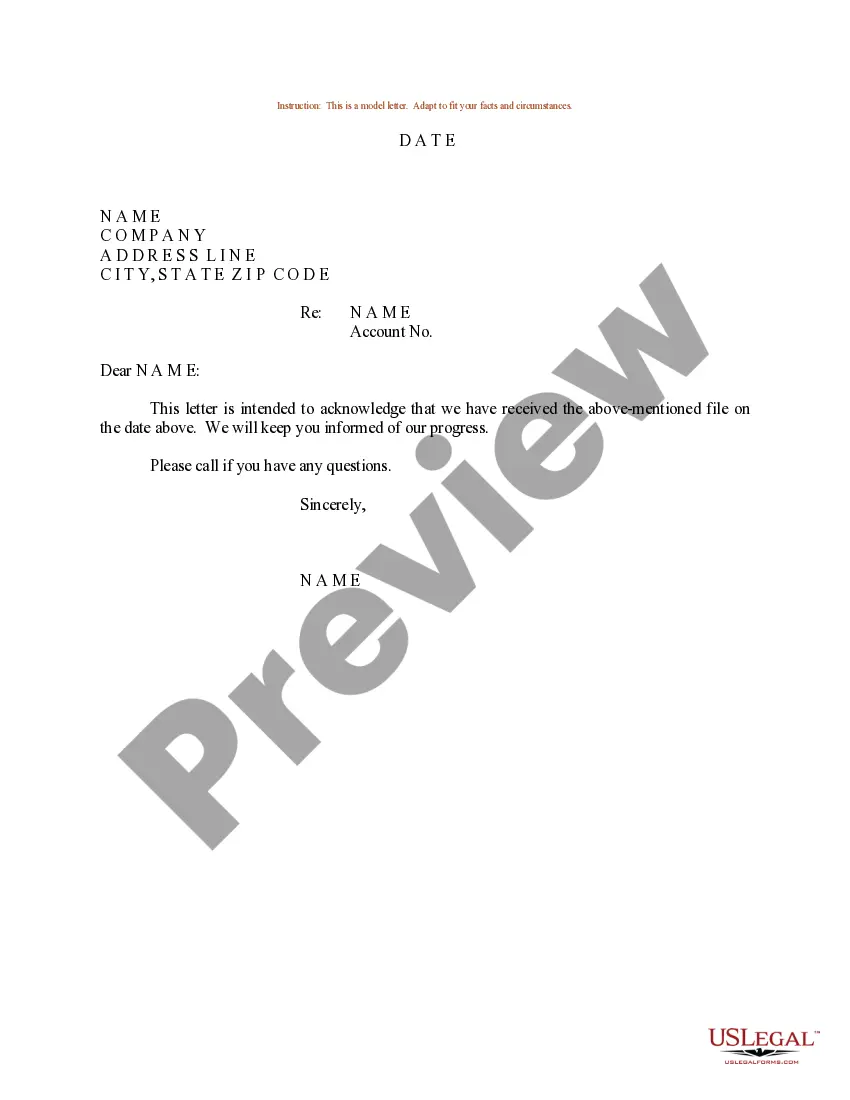
Get your form ready online
Our built-in tools help you complete, sign, share, and store your documents in one place.
Make edits, fill in missing information, and update formatting in US Legal Forms—just like you would in MS Word.
Download a copy, print it, send it by email, or mail it via USPS—whatever works best for your next step.
Sign and collect signatures with our SignNow integration. Send to multiple recipients, set reminders, and more. Go Premium to unlock E-Sign.
If this form requires notarization, complete it online through a secure video call—no need to meet a notary in person or wait for an appointment.
We protect your documents and personal data by following strict security and privacy standards.

Make edits, fill in missing information, and update formatting in US Legal Forms—just like you would in MS Word.

Download a copy, print it, send it by email, or mail it via USPS—whatever works best for your next step.

Sign and collect signatures with our SignNow integration. Send to multiple recipients, set reminders, and more. Go Premium to unlock E-Sign.

If this form requires notarization, complete it online through a secure video call—no need to meet a notary in person or wait for an appointment.

We protect your documents and personal data by following strict security and privacy standards.
Looking for another form?






Form popularity
FAQ
Craft a concise, direct donation message by clearly stating your cause, the impact of donations, and specific calls-to-action with emotional language. For example: "Your $25 gift provides a week of meals for a family in need. Text FEED to 55555 to More Meals today!"
1. The Basic Donation Letter Format Salutation. Greet your potential donor with a friendly opening, and personalize it with their name whenever possible. Explanation of your mission. Your project, event, or needs. Compelling details. A specific request. A call-to-action.
I'm writing to ask you to support me and my cause/project/etc.. Just a small donation of amount can help me accomplish task/reach a goal/etc.. Your donation will go toward describe exactly what the contribution will be used for. When possible, add a personal connection to tie the donor to the cause.
Explain what the funds will be used for and the impact the donation will have. Establish a personal connection. Share why this cause is meaningful to you and how it has impacted your life or the lives of others you know. This helps build an emotional connection with the reader. Use a conversational tone.
I'm writing to ask you to support me and my cause/project/etc.. Just a small donation of amount can help me accomplish task/reach a goal/etc.. Your donation will go toward describe exactly what the contribution will be used for. When possible, add a personal connection to tie the donor to the cause.
What Your Donation Letter Should Say Header: Include your nonprofit's name and branded logo if you have one. Nonprofit Contact Information: Include your physical address and phone number. Date: Include the date when you plan to mail/email the letter. Donor Salutation: Address your donor by their preferred name.
Donation letters, also known as appeals, are a tool nonprofits use to entice prospective supporters to donate. Most of the time, they include a written ask for donations like financial support or an in-kind gift. Donation letters can ask for: Individual financial donations from people and families.
How to Write a Letter of Intent to Donate Step 1 – Provide Your Contact Information. Step 2 – State the Effective Date. Step 3 – Identify the Donor and Recipient. Step 4 – Describe the Donation. Step 5 – Outline Donation Conditions. Step 6 – Set an Acceptance Deadline. Step 7 – Discuss Recognition.
Donor intent is what the donor hopes is achieved with their giving. If you give a gift to a campaign for improving children's hospital stays, then you rightly expect your donation to go to that. It's the same with your donors. They have implicit (or sometimes explicit) expectations around the gifts they give.
Explain what the funds will be used for and the impact the donation will have. Establish a personal connection. Share why this cause is meaningful to you and how it has impacted your life or the lives of others you know. This helps build an emotional connection with the reader. Use a conversational tone.

