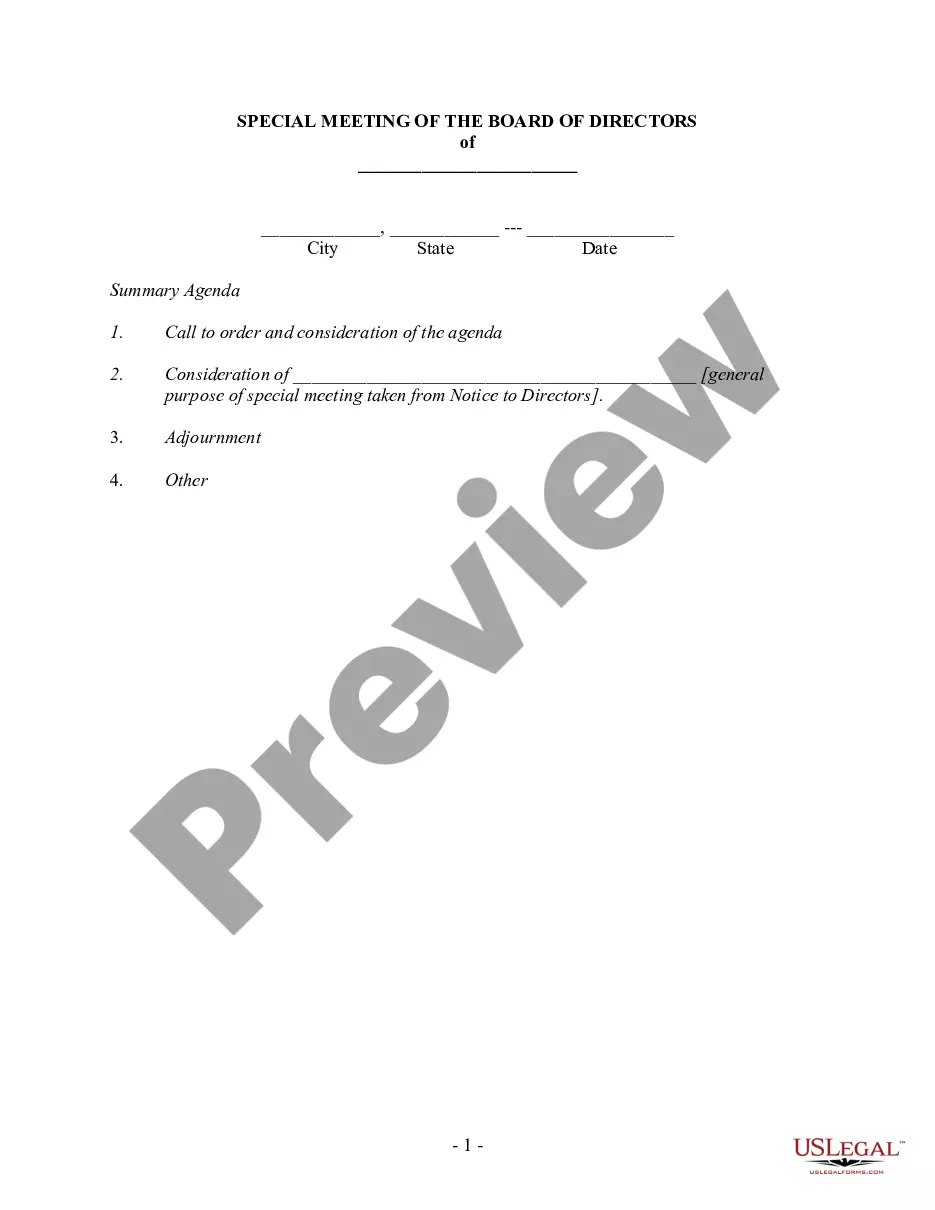
Receipt Letter For Donation In Miami-Dade
Description




Get your form ready online
Our built-in tools help you complete, sign, share, and store your documents in one place.
Make edits, fill in missing information, and update formatting in US Legal Forms—just like you would in MS Word.
Download a copy, print it, send it by email, or mail it via USPS—whatever works best for your next step.
Sign and collect signatures with our SignNow integration. Send to multiple recipients, set reminders, and more. Go Premium to unlock E-Sign.
If this form requires notarization, complete it online through a secure video call—no need to meet a notary in person or wait for an appointment.
We protect your documents and personal data by following strict security and privacy standards.

Make edits, fill in missing information, and update formatting in US Legal Forms—just like you would in MS Word.

Download a copy, print it, send it by email, or mail it via USPS—whatever works best for your next step.

Sign and collect signatures with our SignNow integration. Send to multiple recipients, set reminders, and more. Go Premium to unlock E-Sign.

If this form requires notarization, complete it online through a secure video call—no need to meet a notary in person or wait for an appointment.

We protect your documents and personal data by following strict security and privacy standards.
Looking for another form?








Form popularity
FAQ
To make a request contact the Clerk's office by mail or in person at Miami-Dade County Courthouse or by email at cocoffrec@miamidade.
Typically, the property owner or GC is responsible for filing or recording this notice. Unlike other construction notices (such as the preliminary notice), the Notice of Commencement is: Recorded: These notices are filed with the county recorder offices in the county where the construction project is located.
Does the Florida Notice of Commencement need to be notarized? Yes. In Florida, this notice must be signed by the owner, and notarized.
A donation acknowledgment letter is a type of donor letter that you send to donors to document their charitable gifts and donations. Sometimes your donation receipt functions as a donor acknowledgement. However, that's not always the case. All donors deserve to be thanked, no matter the size of their gift.
Documents are recorded at the Clerk of the Courts, MIAMI-DADE COUNTY RECORDER, COURTHOUSE EAST, 22 N.W. First Street, 1st Floor, Miami, FL 33128. You can record the Notice of Commencement by mail. The original Notice should be sent to the County Recorder, P.O. Box 011711, Flagler Station, Miami, Florida 33101.
Record a Document You have three options for recording your documents in the Official Records: You can bring your original documents in person, along with the appropriate fees, and a self-addressed stamped envelope to the Miami-Dade County Courthouse. You can eRecord your document through one of our approved vendors.
The acknowledgment to the donor should include the following: Tax-exempt status statement: Statement that the organization is a 501c3 tax-exempt organization. Name of the organization (the charity) and name of the donor. Date of the contribution: The date the donation was received. Contribution Details.
Technically, if you do not have these records, the IRS can disallow your deduction. Practically, IRS auditors may allow some reconstruction of these expenses if it seems reasonable.
Each letter should include the following information: The donor's name. The full legal name of your organization. A declaration of your organization's tax-exempt status. Your organization's employer identification number. The date the gift was received. A description of the gift and the amount received.
While it's best practice to always send a donation receipt for every gift your organization receives, there are circumstances where a donation receipt is required by the IRS and must meet IRS guidelines, including: When single donations are greater than $250.